


 معاينة الحجم الحقيقي
 مشاركة
 مشاركة
 التفاصيل

 تحميل الملف
 قطع مشابهة
 الأشعة السينية
 عرض شرائح
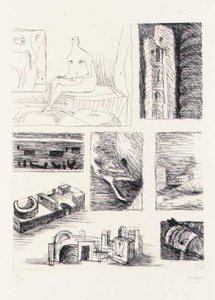
untitled

 عرض المزيد
احصل على صورة رقمية عالية الدقة ومعزّنة، بجودة تفوق بكثير المعاينة عبر الإنترنت.
يتم إعداد كل ملف بعناية فائقة من قبل متخصصينا الداخليين باستخدام أدوات متقدمة ولمسات يدوية خبيرة. نضمن أن تتمتع كل صورة بوضوح استثنائي، ودقة لونية متناهية، وتفاصيل دقيقة.
يتم تسليم الملف النهائي عبر البريد الإلكتروني في غضون 72 ساعة، وهو مُحسَّن للاستخدام الفوري في المجالات المهنية والتحريرية ومجالات الطباعة. هذه هي ذات الجودة التي تعتمد عليها كبرى استوديوهات التصميم ودور النشر والمعارض الفنية المرموقة.
صورة رقمية
حمّل ملفاً عالي الدقة للعرض الشخصي، والطباعة، والمشاريع الإبداعية. ( التحويل للنسخة المطبوعة التحويل إلى لوحة مرسومة يدوياً)
مزايا مُضمّنة في كل طلب صورة رقمية
تسليم رقمي احترافي، مضمون
عندما تختار ArtsDot.com، فأنت لا تحصل على مجرد صورة فحسب، بل ستحصل على عمل فني رقمي مُحسّن باحترافية، صُمم بدقة متناهية ومصحوب بضمان الرضا. إليك كل ما يتضمنه طلبك تلقائياً:

تسليم سريع عبر البريد الإلكتروني
ستصلك ملفات صورك الرقمية عالية الدقة عبر البريد الإلكتروني في غضون 72 ساعة من إتمام الطلب - لتكون جاهزة للاستخدام الفوري.

ملف رقمي مُحسّن بالذكاء الاصطناعي
يتم تحسين عملك الفني باحترافية باستخدام أدوات الذكاء الاصطناعي المتقدمة والتحرير اليدوي، لضمان أقصى درجات التفاصيل والوضوح ودقة الألوان.

إعادة إرسال مجانية مدى الحياة
هل حذفت ملفك أو فقدته عن طريق الخطأ؟ لا تقلق - سنعيد إرساله إليك في أي وقت، ومجاناً.

بدون رسوم استيراد - على الإطلاق
استمتع بأعمالك الفنية فوراً دون أي رسوم جمركية أو ضرائب أو مصاريف شحن - فالتحميلات الرقمية دائماً ما تكون معفاة من الضرائب.

ضمان دقة الألوان
نحن نضمن أن تعكس صورتك الرقمية الألوان الأصلية بأقصى قدر ممكن من الدقة، وذلك باستخدام أدوات احترافية وتقنيات إدارة الألوان.

ضمان الرضا لمدة 60 يومًا
إذا لم تكن راضياً عن صورتك الرقمية، فسنقوم بتعديلها أو استرداد 100% من قيمتها خلال 60 يوماً - دون أي أسئلة.

ضمان استعادة الأموال بنسبة % 100
لم تكن راضياً؟ احصل على استرداد كامل المبلغ خلال 60 يومًا من استلام ملفك الرقمي - دون أي أسئلة.

خصومات الطلبات الكبيرة
اشتري 3 صور، ووفر 10% - اشتري 5، ووفر 15% - اشتري +10، ووفر 20%. مثالية للمشاريع الإبداعية، والمعارض، والوكالات.
أعمال فنية ذات صلة




السيرة الذاتية للفنان
Gilbert “Magu” Luján: A Voice of the Chicano Soul
Born in French Camp, California, in 1940 – a place steeped in both Mexican and Indigenous heritage – Gilbert “Magu” Luján’s life and art were inextricably linked to the vibrant cultural landscape of East Los Angeles. His early years, punctuated by a move to the city at six months old, instilled within him a deep connection to the Chicano experience, a theme that would become the cornerstone of his powerful and enduring artistic legacy. Luján wasn’t simply an artist; he was a crucial architect in establishing Chicano art as a legitimate and vital form of expression, a movement grappling with identity, heritage, and social justice during a period of immense change.
Luján's formal artistic training began at El Monte High School, followed by studies at East Los Angeles College and later California State University, Long Beach. It was here, in the late 1960s and early 70s, amidst the burgeoning Chicano Movement, that he forged a path alongside other pioneering artists like Carlos Almaraz, Beto de la Rocha, and Frank Romero – forming the legendary collective known as Los Four. This group wasn’t merely an artistic association; it was a deliberate act of resistance against prevailing Eurocentric art standards, a declaration of cultural pride, and a commitment to representing the experiences of the Chicano community.
The Formation of Los Four and Artistic Vision
Los Four's impact extended far beyond their individual talents. They were instrumental in establishing a visual vocabulary for Chicano art – a language that blended traditional Mexican iconography with contemporary themes of social struggle, urban life, and the complexities of identity. Luján’s contributions were particularly significant; he brought a sculptural sensibility to the group, often employing bold colors, angular forms, and surreal imagery to convey powerful emotions and narratives. As Luján himself described it, “The significance of Los Four mirrored the socio-political introspection and concerns of Raza at that time besides providing some iconographic vocabulary to initiate definitions of our ethno-art forms.”
Their 1974 exhibition at UC Irvine marked a pivotal moment, bringing Chicano art into the mainstream for the first time. The show’s success paved the way for further exhibitions and solidified Los Four's position as leading voices in the movement. Judithe Hernández joined the collective in 1974, becoming the group’s only female member and expanding their artistic scope.
Sculptural Innovation and Diverse Mediums
Luján’s artistic practice spanned a remarkable range of mediums. While he is perhaps most celebrated for his murals – vibrant depictions of Mexican-American life and cultural heritage that adorn public spaces across California and beyond – his sculptural work deserves equal recognition. His ceramic sculptures, often characterized by their intricate designs and symbolic imagery, offer intimate glimpses into the Chicano experience. He also explored assemblage sculpture, creating striking figures from found objects, reflecting themes of isolation, identity, and resilience.
Notable Works:- Murals: Luján’s murals are a testament to his ability to capture the essence of Chicano culture. His work frequently depicts scenes of everyday life, religious iconography, and historical events, all rendered in bold colors and dynamic compositions.
- Ceramic Sculptures: These pieces often feature stylized figures and geometric patterns, reflecting Luján’s interest in both traditional Mexican art forms and modern abstraction.
- Assemblage Sculpture: His angular, surreal assemblages, such as the striking figure with vibrant colors against a white backdrop, powerfully convey themes of isolation and identity.
Legacy and Historical Significance
Gilbert “Magu” Luján’s influence extends far beyond his own artistic output. He played a crucial role in shaping the Chicano art movement, providing a platform for emerging artists and challenging dominant cultural narratives. His work continues to resonate with audiences today, offering a poignant reflection on Mexican-American identity, social justice, and the enduring spirit of the Chicano community.
Luján’s legacy is further cemented by his teaching positions at Fresno City College and Pomona College, where he mentored generations of artists. His commitment to education underscored his belief in the transformative power of art as a tool for social change. He passed away in 2011, leaving behind a rich artistic body that continues to inspire and provoke thought.
His work is featured at institutions like the Smithsonian American Art Museum and can be explored further through online resources such as Google Arts & Culture’s “Aztlán to Magulandia” story.

gilbert 'magu' luján
1940 - 2011 , United States of America
لمحة سريعة
- Artistic Movement Or Style: Chicano Art, Murals & Sculptures
- Artists Or Movements Influenced By This Artist:
- Los Four
- Aztlán Art
- Artists Who Influenced This Artist:
- Carlos Almaraz
- Beto de la Rocha
- Frank Romero
- Date Of Birth: 1940
- Date Of Death: 2011
- Full Name: Gilbert ‘Magu’ Luján
- Nationality: Chicano American
- Notable Artworks:
- Untitled Mural
- Ceramic sculptures
- Assemblage sculpture
- Place Of Birth: Albuquerque, New Mexico

