


 معاينة الحجم الواقعي
 إرسال
إرسال مشاركة
 عرض التفاصيل
 دليل الأعمال الفنية للطلاب

 تحميل
تحميل
 قطع مشابهة
 الأشعة السينية
 عرض شرائح متتابع
 الإحصائيات
Cavalry Battle Scene


 اقرأ المزيد
نسخة زيتية مصنوعة يدوياً
لوحة زيتية مرسومة يدوياً على الكانفاس بالمقاس والإطار الذي تفضله، تُنفذ حسب الطلب على أيدي فنانينا. ( التبديل إلى المطبوعات التحويل إلى الصورة الرقمية)




































اختر من بين أحجامنا المُعدّة مسبقاً والتي تتوافق مع النسب الأصلية للعمل الفني.

يمكنك إدخال أبعاد خاصة لتناسب إطاراً أو مساحة معينة. وفي حال عدم تطابق الحجم المختار مع نسب الصورة الأصلية، سنقوم إما بقص العمل الفني أو توسيع اللوحة عبر إضافة عناصر مرسومة يدوياً. وسيتم إرسال نموذج رقمي إليك للموافقة عليه قبل بدء عملية الإنتاج.
يرجى ملاحظة أن المعاينة على الشاشة لا تعكس عملية القص أو التوسيع الفعلية؛ إذ إن النموذج الرقمي هو الوحيد الذي يوضح التكوين النهائي بدقة.
وعلى الرغم من توفر أحجام مخصصة، إلا أننا نوصي باختيار أبعاد من القائمة المحددة مسبقاً للحفاظ على النسب الأصلية للعمل الفني.
بعد إتمام الطلب، سيرسل فريق ArtsDot.com بريداً إلكترونياً للعميل لطلب التعليمات وتزويده بمعاينة تجريبية (mockup).
توصيل عالمي إلى خلال 3 إلى 4 أسابيع بدلاً من المدة المعتادة البالغة 5 أسابيع. (26 سبتمبر). جودة لا تهاون فيها.

شحن سريع ومجاني لجميع أنحاء العالم

قماش كتان فاخر

تأمين شامل على الشحن

ضمان استرداد الرسوم الجمركية

ضمان دقة مطابقة الألوان

سياسة الإرجاع خلال 100 يوم (في حالات العيوب فقط)

ضمان استرداد نقدي بنسبة 100%

عرض خصم الكميات
 خيار الزجاج متاح فقط للمقاسات التي تقل عن 110 سم

Cavalry Battle Scene
وسيط إعادة الإنتاج
مقاس النسخة المطبوعة
-


إجمالي السعر
$ 263
أعمال فنية مشابهة


نبذة عن الفنان
The Serene Vision of Gerrit Claesz Bleker
In the vibrant tapestry of the Dutch Golden Age, where the light of a new republic shimmered across canal-side houses and fertile plains, Gerrit Claesz Bleker carved out a space of profound tranquility. Born in the historic city of Haarlem around 1592, Bleker emerged from an era defined by both intense maritime struggle and unprecedented artistic flourishing. While history often reserves its loudest praises for the dramatic shadows of Rembrandt, Bleker offered a different kind of mastery—one rooted in the quiet observation of the natural world and the subtle, atmospheric nuances of the Dutch landscape.
Bleker’s artistic journey was deeply anchored in the traditions of his home city. Under the guidance of Nicolaes Moeyaert, he began to refine a technique that favored clarity and meticulous detail over theatrical bravado. His style was profoundly shaped by the influence of masters such as Jacob van Ruysdael, whose ability to capture the vastness of the sky and the textured reality of the earth provided a blueprint for Bleker’s own vision. This connection to the Ruysdael tradition allowed Bleker to move beyond mere topography, infusing his landscapes with a sense of poetic stillness that invited viewers to linger within the dunes, forests, and pastoral vistas he so lovingly rendered.
A Mastery of Landscape and Allegory
The breadth of Bleker’s oeuvre reveals an artist capable of navigating between the earthly and the divine. His compositions often functioned as windows into a balanced world, where the rugged beauty of the Dutch countryside met the structured narratives of biblical and classical themes. In his landscapes, one might encounter the rhythmic movement of windmills or the undulating textures of coastal dunes, yet these scenes were frequently populated by figures engaged in the timeless rhythms of daily life—hunting parties, travelers, and laborers who lent a human pulse to the scenery.
<- Stag Hunting in the Dunes: A breathtaking display of kinetic energy from 1625, where the artist captures the breathless pursuit of prey across a sandy terrain, demonstrating his ability to inject life into the landscape.
- The Baptism of the Eunuch: An evocative religious scene that showcases his skill in blending historical narrative with atmospheric depth, imbuing the moment with spiritual weight.
- Cavalry Battle Scene: A rare foray into the more turbulent side of the Baroque, where Bleker utilizes dynamic composition and rich color to depict the chaos of conflict.
- Adoration of the Magi: A testament to his ability to handle complex, multi-figure compositions with a sense of reverence and classical grace.
Beyond the purely naturalistic, Bleker was a skilled practitioner of historical allegory. He possessed the rare ability to weave symbolic richness into his canvases, using light and shadow not just for visibility, but to suggest deeper moral or spiritual truths. Whether through an engraving like The Raising of Lazarus or a meticulously painted panel, his work served as a bridge between the tangible reality of the Netherlands and the eternal themes of human existence.
Legacy and the Haarlem Tradition
Bleker’s significance extends far beyond his individual canvases; he was a vital pillar of the Haarlem Guild of St. Luke, joining its ranks before 1643. His professional standing was not merely a matter of personal achievement but a role of stewardship for the next generation of Dutch talent. As a mentor, he passed on the secrets of light and composition to rising artists such as Dirck Bleker, Pieter Adelaar, and David Decker, ensuring that the meticulous traditions of Haarlem would endure through the late seventeenth century.
Though his name may not resonate with the same thunderous fame as the titans of the Baroque, the enduring appeal of Gerrit Claesz Bleker lies in his ability to capture the soul of a landscape. His work remains a vital record of a period when the Dutch landscape was being reimagined as a site of both national pride and spiritual reflection. To look upon a Bleker landscape is to experience a moment of pause—a chance to breathe in the cool air of the dunes and witness the quiet, enduring beauty of a world captured in perfect, golden light.

gerrit claesz bleker
1593 - 1656 , Netherlands
لمحة سريعة
- Artistic Movement Or Style: Dutch Golden Age
- Artists Who Influenced This Artist:
- Jacob van Ruysdael
- Nicolaes Moeyaert
- Date Of Birth: 1592
- Full Name: gerrit claesz bleker
- Nationality: Dutch
- Notable Artworks:
- Stag Hunting in the Dunes
- Philip baptizes the Moor
- The Raising of Lazarus
- Place Of Birth: Haarlem, Netherlands
مقالات ذات صلة
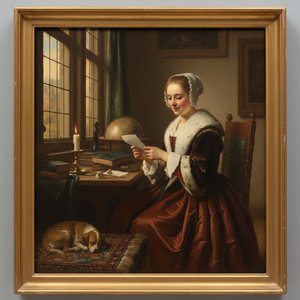
Gerrit Dou: Intimacy & Light in the Dutch Golden Age
Explore the exquisite world of Gerrit Dou, a master of Dutch Golden Age painting. Discover his intimate genre scenes, signature use of light, and lasting legacy. Learn about collecting Dou's works & their value.

Dutch Baroque Masters: 10 Paintings That Shaped an Era | ArtsDot
Journey through the Golden Age with our guide to the Top 10 Dutch Baroque masterpieces! Explore iconic paintings by Rembrandt, Vermeer & Frans Hals. Find museum-quality art reproductions and elevate your home decor at ArtsDot.com.

أفضل 10 روائع العصر الذهبي الهولندي: تحف فنية وجماليات منزلية خالدة | ArtsDot
اكتشف روائع العصر الذهبي الهولندي! استكشف 10 لوحات خالدة لرامبرانت، فيرمير وغيرهم. فن هولندي باروكي، ألوان آسرة وقصص فنية لا تُنسى. احصل على إعادة إنتاج عالية الجودة وتحف فنية لديكور منزلك مع ArtsDot.com

Illuminating Innovation: Exploring the Dutch Golden Age of Painting
Explore the Dutch Golden Age of painting with ArtsDot. Discover Rembrandt, Vermeer & other Masters. Learn about key characteristics, iconic artworks, and lasting influence. Expert insights for collectors & enthusiasts.

Golden Age Reflections: Dutch Baroque Painting & Cultural Innovation
Explore the Dutch Golden Age of painting! Discover key artists like Vermeer & ter Borch, their innovative techniques, and the rich cultural context behind these Baroque masterpieces. Learn about collecting & appreciating this iconic art period.