

 معاينة الحجم الحقيقي
 مشاركة
 مشاركة
 التفاصيل

 تحميل الملف
 قطع مشابهة
 الأشعة السينية
 عرض شرائح
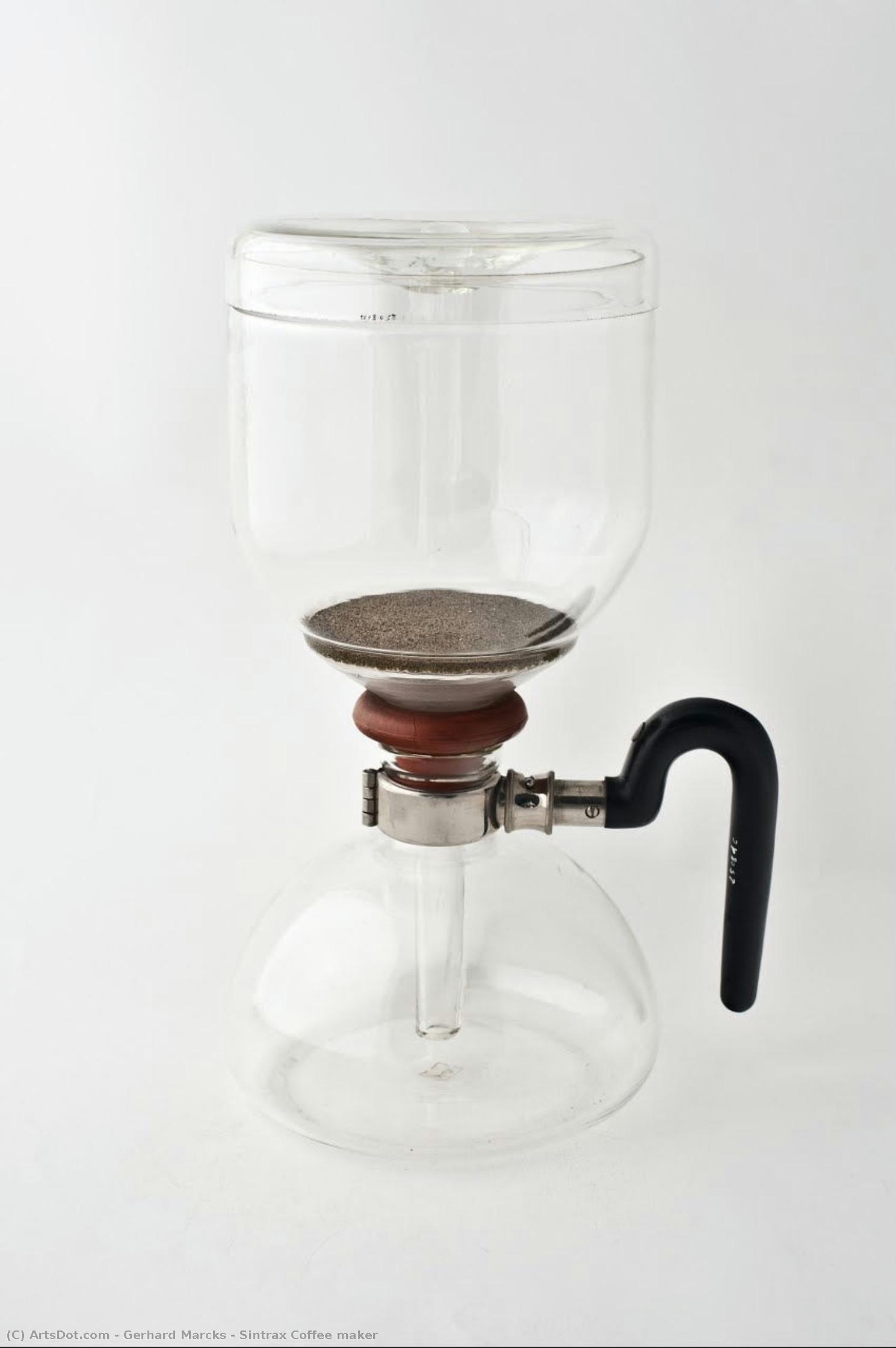
Sintrax Coffee maker
 1925
1925 15.0 x 31.0 cm
 المتحف الوطني للفنون الزخرفية في مدريد
 عرض المزيد
احصل على صورة رقمية عالية الدقة ومعزّنة، بجودة تفوق بكثير المعاينة عبر الإنترنت.
يتم إعداد كل ملف بعناية فائقة من قبل متخصصينا الداخليين باستخدام أدوات متقدمة ولمسات يدوية خبيرة. نضمن أن تتمتع كل صورة بوضوح استثنائي، ودقة لونية متناهية، وتفاصيل دقيقة.
يتم تسليم الملف النهائي عبر البريد الإلكتروني في غضون 72 ساعة، وهو مُحسَّن للاستخدام الفوري في المجالات المهنية والتحريرية ومجالات الطباعة. هذه هي ذات الجودة التي تعتمد عليها كبرى استوديوهات التصميم ودور النشر والمعارض الفنية المرموقة.
صورة رقمية
حمّل ملفاً عالي الدقة للعرض الشخصي، والطباعة، والمشاريع الإبداعية. ( اشترِ نسخة مطبوعة اشترِ لوحة مرسومة يدويًا)
مزايا مُضمّنة في كل طلب صورة رقمية
تسليم رقمي احترافي، مضمون
عندما تختار ArtsDot.com، فأنت لا تحصل على مجرد صورة فحسب، بل ستحصل على عمل فني رقمي مُحسّن باحترافية، صُمم بدقة متناهية ومصحوب بضمان الرضا. إليك كل ما يتضمنه طلبك تلقائياً:

تسليم سريع عبر البريد الإلكتروني
ستصلك ملفات صورك الرقمية عالية الدقة عبر البريد الإلكتروني في غضون 72 ساعة من إتمام الطلب - لتكون جاهزة للاستخدام الفوري.

ملف رقمي مُحسّن بالذكاء الاصطناعي
يتم تحسين عملك الفني باحترافية باستخدام أدوات الذكاء الاصطناعي المتقدمة والتحرير اليدوي، لضمان أقصى درجات التفاصيل والوضوح ودقة الألوان.

إعادة إرسال مجانية مدى الحياة
هل حذفت ملفك أو فقدته عن طريق الخطأ؟ لا تقلق - سنعيد إرساله إليك في أي وقت، ومجاناً.

بدون رسوم استيراد - على الإطلاق
استمتع بأعمالك الفنية فوراً دون أي رسوم جمركية أو ضرائب أو مصاريف شحن - فالتحميلات الرقمية دائماً ما تكون معفاة من الضرائب.

ضمان دقة الألوان
نحن نضمن أن تعكس صورتك الرقمية الألوان الأصلية بأقصى قدر ممكن من الدقة، وذلك باستخدام أدوات احترافية وتقنيات إدارة الألوان.

ضمان الرضا لمدة 60 يومًا
إذا لم تكن راضياً عن صورتك الرقمية، فسنقوم بتعديلها أو استرداد 100% من قيمتها خلال 60 يوماً - دون أي أسئلة.

ضمان استعادة الأموال بنسبة % 100
لم تكن راضياً؟ احصل على استرداد كامل المبلغ خلال 60 يومًا من استلام ملفك الرقمي - دون أي أسئلة.

خصومات الطلبات الكبيرة
اشتري 3 صور، ووفر 10% - اشتري 5، ووفر 15% - اشتري +10، ووفر 20%. مثالية للمشاريع الإبداعية، والمعارض، والوكالات.
أعمال فنية ذات صلة


السيرة الذاتية للفنان
Early Life and Education
- Gerhard Marcks was born on February 18, 1889, in Berlin, Germany.
- At the age of 18, he began an apprenticeship with sculptor Richard Scheibe, where he honed his skills in sculpting animals using terracotta.
- He married Maria Schmidtlein in 1914 and together they raised six children.
- Marcks served in the German army during World War I, an experience that significantly impacted his health for years to come.
Bauhaus Affiliation and Artistic Development
- Following WWI, Marcks became involved with influential art groups like the Novembergruppe and the Arbeitsrat für Kunst, alongside artists such as Walter Gropius and Lyonel Feininger.
- In 1919, he joined the faculty of the newly founded Bauhaus in Weimar, appointed as the Form Master of the pottery workshop. He collaborated with master potter Max Krehan, blending artistic vision with traditional craftsmanship.
- During his time at the Bauhaus, Marcks explored woodcutting techniques, inspired by Feininger, and began creating works like “Die Katzen” (“The Cats”) and “Die Eule” (“The Owl”).
- His artistic focus gradually shifted from animal forms to the human figure, a subject that would dominate his work for the remainder of his career.
- He resigned from Bauhaus when it moved to Dessau in 1925, feeling its increasing emphasis on technology conflicted with his artistic principles.
Mid-Career and Challenges Under Nazism
- Marcks took a teaching position at the Halle School of Arts and Crafts, dedicating himself to figurative sculpture.
- His Expressionistic style became more subdued but retained emotional depth.
- The rise of the Nazi regime brought significant challenges. He was dismissed from his post in 1933, and his work was labeled “degenerate” in 1937, leading to its inclusion in the infamous "Degenerate Art" exhibition in Munich.
- Despite persecution, Marcks remained in Germany throughout World War II, making trips to Italy where he worked at Villa Romana in Florence and Villa Massimo in Rome.
- His studio in Berlin was bombed during an air raid in 1943, resulting in the destruction of many artworks.
Later Life and Legacy
- After WWII, Marcks became a professor of sculpture at the Landeskunstschule (Regional Art School) in Hamburg for four years before retiring to Cologne.
- He designed numerous war memorials dedicated to soldiers and civilians.
- Gerhard Marcks died on November 13, 1981, in Burgbrohl, Eifel, Germany.
- The Gerhard Marcks Haus, a museum dedicated to his work, was established in Bremen, Germany, housing over 12,000 sketches, prints, and sculptures.
- A significant collection of his works is also held at Luther College in Decorah, Iowa, including the monumental bronze statue “Oedipus and Antigone”.
- His work continues to be recognized for its expressive power, humanist themes, and contribution to modern sculpture.

Gerhard Marcks
1889 - 1981 , Germany
لمحة سريعة
- Artistic Movement Or Style: Bauhaus, Expressionism
- Artists Or Movements Influenced By This Artist: ['Bauhaus movement']
- Artists Who Influenced This Artist:
- Richard Scheibe
- Walter Gropius
- Date Of Birth: 18 February 1889
- Date Of Death: 13 November 1981
- Full Name: Gerhard Marcks
- Nationality: German
- Notable Artworks:
- Die Katzen
- Die Eule
- Oedipus and Antigone
- Gaea
- The Mourner
- Place Of Birth: Berlin, Germany

