

 معاينة الحجم الواقعي
 مشاركة
 مشاركة
 التفاصيل
 دليل
دليل

 تحميل الملف
 قطع مشابهة
 الأشعة السينية
 عرض شرائح
 الأسئلة والأجوبة
 الإحصائيات
The disaster
 عرض المزيد
احصل على ملف جاهز للطباعة يتجاوز بمراحل جودة المعاينة عبر الإنترنت؛ فكل صورة رقمية نبيعها مستمدة من نسخة أصلية عالية الدقة في قاعدة بياناتنا — يتراوح عرضها عادةً بين 5,000 إلى 15,000 بكسل — مما يتيح لك الطباعة بأحجام كبيرة، أو الاقتصاص بدقة، أو إعادة إنتاج التفاصيل الدقيقة بكل ثقة.
لا تخرج أي صورة من استوديو الخاص بنا دون أن تمر بعملية معالجة دقيقة؛ حيث يقوم خبير رقمي بمطابقة الألوان مع اللوحة الأصلية وتصحيحها عند الضرورة، ثم يعمل على تحسين الوضوح والتفاصيل باستخدام أدوات ترميم احترافية — مع الحفاظ دائماً على أمانة نقل ضربات فرشاة الفنان وأسلوبه. والنتيجة هي صورة تبدو كأنها اللوحة ذاتها، وليست مجرد مسح ضوئي خاضع للفلاتر.
تتم عملية الاعتماد قبل الإتمام النهائي: حيث يرسل خبيرنا الصورة عبر البريد الإلكتروني في غضون 72 ساعة لمراجعتها من قبلك. هل لم تنل النتيجة إعجابك؟ يمكنك طلب تحسينات أو تصحيحات، أو طلب استرداد الأموال إذا لم تكن الجودة بالمستوى المطلوب.
هذه هي الجودة التي يعتمد عليها الناشرون، واستوديوهات التصميم، والمعارض، والمطابع.
صورة رقمية
حمّل ملفاً عالي الدقة للعرض الشخصي، والطباعة، والمشاريع الإبداعية. ( التبديل إلى نسخة مطبوعة شراء لوحة مرسومة يدويًا)
مزايا مُضمّنة مع كل طلب صورة رقمية
تسليم رقمي احترافي ومضمون
عندما تختار ArtsDot.com، فأنت لا تحصل على مجرد صورة فحسب، بل ستحصل على عمل فني رقمي مُحسّن باحترافية، صُمم بدقة متناهية ومصحوب بضمان الرضا. إليك كل ما يتضمنه طلبك تلقائياً:

تسليم سريع عبر البريد الإلكتروني
ستصلك ملفات صورك الرقمية عالية الدقة عبر البريد الإلكتروني في غضون 72 ساعة من إتمام الطلب - لتكون جاهزة للاستخدام الفوري.

ملف رقمي مُعزز بالذكاء الاصطناعي
يتم تحسين عملك الفني باحترافية باستخدام أدوات الذكاء الاصطناعي المتقدمة والتحرير اليدوي، لضمان أقصى درجات التفاصيل والوضوح ودقة الألوان.

إعادة إرسال مجانية مدى الحياة
هل حذفت ملفك أو فقدته عن طريق الخطأ؟ لا تقلق - سنعيد إرساله إليك في أي وقت، مجاناً.

بدون رسوم استيراد - على الإطلاق
استمتع بأعمالك الفنية فوراً دون أي رسوم جمركية أو ضرائب أو مصاريف شحن - فالتحميلات الرقمية دائماً ما تكون معفاة من الضرائب.

ضمان دقة الألوان
نضمن لك دقة انعكاس الألوان الأصلية في صورتك الرقمية بأقصى قدر ممكن، وذلك باستخدام أدوات احترافية وتقنيات متطورة لإدارة الألوان.

ضمان الرضا لمدة 100 يوم
إذا لم تكن راضياً عن صورتك الرقمية، فسنقوم بتعديلها أو استرداد 100% من قيمتها خلال 100 يوم - دون طرح أي أسئلة.

ضمان استرداد نقدي بنسبة 100%
لم تكن راضياً؟ استرد كامل المبلغ خلال 100 يوم من استلام ملفك الرقمي - دون طرح أي أسئلة.

خصومات الطلبات الكبيرة
اشتري 3 صور، ووفر 10% - اشتري 5، ووفر 15% - اشتري +10، ووفر 20%. مثالية للمشاريع الإبداعية، والمعارض، والوكالات.
أعمال فنية ذات صلة


السيرة الذاتية للفنان
Gustave Caillebotte: A Parisian Observer of Modern Life
Gustave Caillebotte, born in Paris in 1848 and passing away in 1923, stands as a pivotal figure in the transition from Realism to Impressionism within French art. Initially apprenticed to his uncle’s art dealership, he quickly developed an independent artistic voice, one deeply rooted in observing the evolving rhythms of Parisian life – particularly the burgeoning urban landscape and its inhabitants. Unlike many of his contemporaries who sought grand historical or mythological subjects, Caillebotte focused on capturing the immediacy and often mundane details of everyday existence, a characteristic that would later profoundly influence movements like Pointillism and Neo-Impressionism.
His early training was largely self-directed, fueled by an intense desire to understand the techniques of artists he admired. He studied diligently with Jean-Léon Gérôme, a prominent academic painter known for his historical scenes, but found himself increasingly drawn to the looser brushwork and emphasis on light that defined the Impressionist movement. This led him to frequent exhibitions at the Salon des Refusés in 1863, showcasing works rejected by the official Salon, and ultimately to close association with artists like Monet, Renoir, and Pissarro.
Caillebotte’s artistic development is marked by a fascinating interplay of influences. He initially experimented with Pointillism, a technique championed by Georges Seurat, meticulously applying tiny dots of color to create an optical illusion of blended hues. However, he soon moved beyond this purely scientific approach, incorporating elements of Japanese prints – particularly their bold outlines and flattened perspectives – into his own style. This fusion of influences is strikingly evident in works like *Paris Street; Rainy Day* (1877), a masterpiece that captures the bustling energy of a Parisian boulevard with remarkable precision and a subtle sense of alienation.
The Influence of Japanese Art and the Rise of Pointillism
Caillebotte’s fascination with Japanese art was a transformative element in his artistic journey. He began collecting Ukiyo-e prints – woodblock images depicting scenes from everyday life, theatre, and landscapes – and meticulously studied their composition, color palettes, and distinctive outlines. This influence is most apparent in his later works, where he adopted the flattened perspective and bold contours of Japanese design to create a sense of spatial depth and dynamism. The deliberate simplification of forms and the use of strong black lines became hallmarks of his style, setting him apart from many of his Impressionist colleagues.
His experimentation with Pointillism, while initially explored as a purely technical exercise, ultimately served as a catalyst for his own unique approach to color. He employed Seurat’s method of applying tiny dots of pure color to create an overall impression of light and shadow, but he often deviated from the strict scientific principles of the technique, allowing for greater spontaneity and expressive potential. This resulted in a vibrant, textured surface that captured the fleeting effects of sunlight on urban scenes.
Key Works and Artistic Innovations
Caillebotte’s oeuvre is characterized by a remarkable range of subjects, from intimate domestic scenes to grand cityscapes. *Paris Street; Rainy Day* (1877) remains his most iconic work, celebrated for its atmospheric perspective, meticulous detail, and subtle portrayal of urban life. Other notable paintings include *The Bean Picker* (1878), a poignant depiction of rural poverty, and *Statue in a Museum* (1879-80), which explores the relationship between art and reality through a clever visual paradox.
Beyond his individual works, Caillebotte made significant contributions to the development of modern painting. His innovative use of color, perspective, and composition paved the way for subsequent movements like Neo-Impressionism and Post-Impressionism. He demonstrated a remarkable ability to capture the essence of a scene with a limited palette and a focus on capturing light and atmosphere – qualities that would become central tenets of 20th-century art.
Legacy and Historical Significance
Despite his considerable talent, Caillebotte’s work was often overlooked during his lifetime. He struggled to gain recognition within the established artistic circles of Paris, and his unconventional style frequently clashed with prevailing aesthetic sensibilities. However, in retrospect, his contributions have been increasingly appreciated for their originality and influence. He is now recognized as a key figure in bridging the gap between Realism and Modernism, and his paintings continue to resonate with viewers today due to their evocative portrayal of urban life and their subtle exploration of human experience.
Caillebotte’s legacy extends beyond his individual works; he represents a crucial moment in the evolution of French art. His willingness to experiment, challenge conventions, and observe the world around him with an artist's eye helped shape the course of modern painting and left an indelible mark on the artistic landscape.
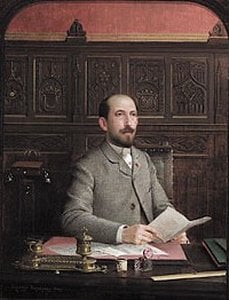
Georges Croegaert
1848 - 1923 , Belgium
لمحة سريعة
- Full Name: Paul Gauguin
- Nationality: French
- Date Of Birth: 1848
- Date Of Death: 1923
- Place Of Birth: Antwerp, Belgium
- Notable Artworks:
- Vision of the Sermon
- Where Do We Come From?
- Iahoteka
- Artistic Movement Or Style:
- Post-Impressionism
- Symbolism
- Synthetism
- Artists Who Influenced This Artist:
- Cézanne
- van Gogh
- Artists Or Movements Influenced By This Artist:
- Nabis
- Fauvism