


 معاينة الحجم الواقعي
 إرسال
إرسال مشاركة
 عرض التفاصيل
 دليل الأعمال الفنية للطلاب

 تحميل
تحميل
 قطع مشابهة
 الأشعة السينية
 عرض شرائح متتابع
 الإحصائيات
The Descent into Hell


 اقرأ المزيد
احصل على صورة رقمية عالية الدقة ومعزّزة، بجودة تفوق بكثير المعاينة عبر الإنترنت.
يتم إعداد كل ملف بعناية فائقة على أيدي متخصصينا باستخدام أدوات متقدمة ولمسات يدوية خبيرة، لضمان تمتع كل صورة بوضوح استثنائي، ودقة لونية متناهية، وتفاصيل دقيقة.
يتم تسليم الملف النهائي عبر البريد الإلكتروني في غضون 72 ساعة، وهو مُحسَّن للاستخدام الفوري في المجالات المهنية والتحريرية ومجالات الطباعة؛ وهي ذات الجودة التي تعتمد عليها كبرى استوديوهات التصميم ودور النشر والمعارض الفنية المرموقة.
صورة رقمية
حمّل ملفاً عالي الدقة للعرض الشخصي، والطباعة، والمشاريع الإبداعية. ( التبديل إلى المطبوعات اطلب نسخة مرسومة يدويًا)
مزايا مُضمّنة مع كل طلب صورة رقمية
خدمة تسليم رقمي احترافية ومضمونة
عندما تختار ArtsDot.com، فأنت لا تحصل على مجرد صورة فحسب، بل ستحصل على عمل فني رقمي مُحسّن باحترافية، صُمم بدقة متناهية ومصحوب بضمان الرضا. إليك كل ما يتضمنه طلبك تلقائياً:

تسليم سريع عبر البريد الإلكتروني
ستصلك ملفات صورك الرقمية عالية الدقة عبر البريد الإلكتروني في غضون 72 ساعة من إتمام الطلب - لتكون جاهزة للاستخدام الفوري.

ملف رقمي مُعزز بالذكاء الاصطناعي
يتم تحسين عملك الفني باحترافية باستخدام أدوات الذكاء الاصطناعي المتقدمة والتحرير اليدوي، لضمان أقصى درجات التفاصيل والوضوح ودقة الألوان.

إعادة إرسال مجانية مدى الحياة
هل حذفت ملفك أو فقدته عن طريق الخطأ؟ لا تقلق - سنعيد إرساله إليك في أي وقت، مجاناً.

بدون رسوم استيراد - على الإطلاق
استمتع بأعمالك الفنية فوراً دون أي رسوم جمركية أو ضرائب أو مصاريف شحن - فالتحميلات الرقمية دائماً ما تكون معفاة من الضرائب.

ضمان دقة الألوان
نضمن لك دقة انعكاس الألوان الأصلية في صورتك الرقمية بأقصى قدر ممكن، وذلك باستخدام أدوات احترافية وتقنيات متطورة لإدارة الألوان.

ضمان الرضا لمدة 100 يوم
إذا لم تكن راضياً عن صورتك الرقمية، فسنقوم بتعديلها أو استرداد 100% من قيمتها خلال 100 يوم - دون طرح أي أسئلة.

ضمان استعادة الأموال بنسبة 100%
لم تكن راضياً؟ استرد كامل المبلغ خلال 100 يوم من استلام ملفك الرقمي - دون طرح أي أسئلة.

خصومات الطلبات الكبيرة
اشتري 3 صور، ووفر 10% - اشتري 5، ووفر 15% - اشتري +10، ووفر 20%. مثالية للمشاريع الإبداعية، والمعارض، والوكالات.
Georges Braque's *The Descent into Hell*: A Study in Fragmented Reality
Georges Braque’s *The Descent into Hell*, painted circa 1932, is a powerfully unsettling work that exemplifies the artist’s pivotal role in the development of Cubism and his exploration of psychological states. This seemingly simple depiction – a central bird amidst a scattering of fish and supporting birds – belies a complex layering of meaning rooted in the anxieties of the interwar period and Braque's own intensely personal struggles with mental health. The painting’s raw emotional impact stems from its deliberate ambiguity, forcing the viewer to confront unsettling questions about mortality, chaos, and the fractured nature of perception.
- Subject Matter: The central figure, a bird in mid-flight, immediately evokes notions of transcendence and spiritual aspiration. However, this is quickly undermined by the surrounding elements – the fish, traditionally symbols of death and the underworld, and the other birds, potentially representing fragmented memories or lost souls.
- Style & Technique: Braque’s masterful use of muted earth tones—ochres, browns, and grays—creates a somber atmosphere, characteristic of his mature Cubist style. The painting is rendered with meticulous detail, employing a technique of broken planes and multiple perspectives to dismantle traditional representation. This fragmentation isn't merely stylistic; it mirrors the psychological disintegration suggested by the subject matter.
Historical Context & the Rise of Psychological Art
Painted during a period of immense social and political upheaval – the Great Depression and the looming threat of World War II – *The Descent into Hell* reflects the broader artistic trends of the time. The rise of Cubism, pioneered by Braque and Pablo Picasso, was directly influenced by a desire to move beyond representational illusionism and explore the underlying structure of reality. Furthermore, this period witnessed an increased interest in psychology and psychoanalysis, with artists like Freud gaining prominence. This fascination with the subconscious fueled a shift towards art that explored subjective experience and emotional turmoil – a trend powerfully evident in Braque’s work.
- Cubism's Influence: Braque’s approach to Cubism—particularly his emphasis on geometric forms and multiple viewpoints—challenged conventional notions of space and perspective.
- Expression of Anxiety: The painting can be interpreted as a visual manifestation of the anxieties prevalent in Europe during this era, reflecting a sense of disorientation and uncertainty about the future.
Symbolism & Interpretation
The symbolism within *The Descent into Hell* is deliberately open to interpretation, adding to its enduring power. The bird’s flight can be seen as an attempt to escape a dark fate, while the fish represent the inescapable pull of death and decay. The arrangement of these elements – seemingly random yet carefully constructed – suggests a descent not just into physical hell but also into the depths of the human psyche. The repetition of birds reinforces this idea of fractured identity and lost direction.
- The Bird as Symbol: Birds have long been associated with spirituality, freedom, and transcendence; however, in Braque’s work, this symbolism is complicated by the surrounding imagery.
- Color Palette & Mood: The subdued color palette contributes significantly to the painting's melancholic mood, enhancing its emotional impact.
A Timeless Masterpiece – Recreated for Your Collection
ArtsDot.com is proud to offer a meticulously crafted hand-painted reproduction of Georges Braque’s *The Descent into Hell*. This artwork captures the essence of Braque's genius, allowing you to experience its profound emotional depth and intellectual complexity in your own space. Whether for a private collection or as a striking interior design element, this reproduction provides an authentic connection to one of the most significant works of modern art. Own a piece of history – own a fragment of Braque’s soul.
الأسئلة والأجوبة
ما الذي يضفيه "The Descent into Hell" للفنان جورج براك على التصميم الداخلي؟
تتناغم الأجواء Ethereal للوحة "The Descent into Hell" للفنان جورج براك مع المساحة المقترحة لها: Reception.
هل يمكن إعادة إنتاج صورة "The Descent into Hell" للفنان جورج براك بحرية؟
حالة حقوق الطبع والنشر لـ "The Descent into Hell" للفنان جورج براك: العمل يقع ضمن لا تزال محمية بموجب حقوق الطبع والنشر. ويحدد هذا ما إذا كان يمكن إعادة إنتاج الصورة بحرية.
ما هي الألوان المهيمنة في "The Descent into Hell" للفنان جورج براك؟
تستخدم لوحة "The Descent into Hell" للفنان جورج براك مجموعة ألوان Pastels، حيث يبرز اللون Clay (#bb6036) كلون مهيمن.
أعمال فنية مشابهة


سيرة الفنان
البدايات المبكرة والأسس الفنية
انطلق جورج براك، المولود في أرغنتوي بفرنسا عام 1882، في مسار ارتبط ارتباطاً وثيقاً بالمشهد المتطور للفن الحديث. فقد غرست نشأته داخل عائلة من رسامي المنازل والمزخرفين فيه ليس فقط إتقاناً تقنياً للمواد، بل وأيضاً تقديراً مبكراً للشكل والبنية. ورغم أنه اتبع في البداية حرفة والده، إلا أن ميوله الفنية المتأصلة قادته سريعاً إلى التدريب الرسمي في مدرسة الفنون الجميلة (École des Beaux- அச்ச) في لوفير، مما شكل بداية رحلته ليصبح أحد أكثر الرسامين تأثيراً في القرن العشرين. وقد أثبت هذا الأساس—الذي يمزج بين الحرفية العملية والدراسة الأكاديمية—أهميته القصوى عندما قام لاحقاً بتفكيك وإعادة تصور التقاليد الفنية الراسخة.
ومع انتقاله إلى باريس في عام 1902، واصل براك دراساته في أكاديمية هومبرت، منغمساً في الأجواء الفنية النابضة بالحياة في المدينة. وهنا التقى بفنانين مثل ماري لورنسين وفرانسيس بيكابيا، مما أدى إلى بناء روابط شكلت تطوره المبكر. عكست أعماله الأولى التأثيرات السائدة للمدرسة الانطباعية وما بعد الانطباعية، ولكن اللقاء المحوري مع الألوان الجريئة والحرية التعبيرية للمدرسة الوحشية في عام 1905 أشعل اتجاهاً جديداً في استكشافاته الفنية.
احتضان الوحشية وفجر التكعيبية
يتجلى تبني براك لمبادئ المدرسة الوحشية—التي تتميز بالألوان القوية غير الطبيعية والتعبير العاطفي—بوضوح في لوحات مثل الصبر. شهدت هذه الفترة عمله جنباً إلى بت جنب مع فنانين مثل هنري ماتيس وأندريه ديران، حيث جرب لوحات ألوان حيوية وأشكال مبسطة. ومع ذلك، لم يكن انخراط براك في الوحشية مجرد تقليد؛ بل أضفى عليها حساسية فريدة، موازناً بين الحماس الجامح للحركة وبين نهج أكثر ضبطاً وتحليلاً.
وصلت نقطة التحول في عام 1907 مع تعرضه للمعرض الاستعادي لأعمال بول سيزان. لقد أثر تركيز سيزان على الأشكال الهندسية وتعدد المنظورات بعمق على براك، مما مهد الطريق لتعاونه الرائد مع بابلو بيكاسو. وبدءاً من عام 1908، انطلق هذان العملاقان الفنيان في فترة من التبادل الفكري المكثف التي ولدت منها التكعيبية—وهي حركة ثورية حطمت المفاهيم التقليدية للتمثيل الفني.
معاً، طور براك وبيكاسو "التكعيبية التحليلية"، حيث قاما بتفكيك الأشياء إلى أشكال هندسية مجزأة وتقديم وجهات نظر متعددة في آن واحد. وتُظهر أعمال مثل منازل إستاك هذه المرحلة المبكرة، مستعرضة تحولاً جذرياً عن المنظور التقليدي وتركيزاً على البنية الأساسية للأشكال. وأصبحت لوحة ألوانهما خافتة عن عمد، مع التركيز على الشكل بدلاً من اللون، حيث سعيا لتمثيل كينونة الشيء وجوهره بدلاً من مجرد مظهره الخارجي.
الابتكار من خلال التجزئة والكولاج
استمرت الشراكة بين براك وبيكاسو في دفع حدود التعبير الفني، مما أدى إلى تطوير "التكعيبية التركيبية" حوالي عام 1912. شهدت هذه المرحلة إدخال تقنية الكولاج—وهي دمج مواد من العالم الحقيقي مثل قصاصات الصحف وورق الحائط والقماش في اللوحات. هذا الابتكار تحدى الهرمية التقليدية بين الرسم والنحت، مما أدى إلى طمس الخطوط الفاصلة بين الفن والحياة.
أدى اندلاع الحرب العالمية الأولى في عام 1914 إلى انقطاع هذا التعاون المكثف، حيث استُدعي براك للخدمة العسكرية. وقد أثرت تجاربه في الحرب بعمق على رؤيته الفنية، مما دفعه لاستكشاف موضوعات أكثر شخصية وغنائية في أعماله ما بعد الحرب.
السنوات المتأخرة والإرث الخالد
في أعقاب الحرب، تطور أسلوب براك ليتجاوز الحدود الصارمة للتكعيبية، حيث دمج عناصر من التكوين الكلاسيكي واهتماماً متجدداً بالطبيعة الصامتة. وبينما احتفظ بالتأثيرات الهندسية التي ميزت أعماله المبكرة، طور نهجاً أكثر دقة وتأملاً في الرسم. وتتميز مناظره الطبيعية وتصويراته الداخلية المتأخرة بأجوائها الهادئة وتناغماتها اللونية الرقيقة.
طوال مسيرته المهنية، ظل براك ملتزماً باستكشاف المبادئ الأساسية للشكل والفضاء والتمثيل. واستمر في التجريب باستخدام مواد وتقنيات مختلفة، دافعاً حدود التعبير الفني حتى وفاته في عام 1963. إن تأثيره على الأجيال اللاحقة من الفنانين لا يمكن قياسه، فقد شكل مسار الفن الحديث وألهم عدداً لا يحصى من الرسامين والنحاتين وفناني الكولاج.
يمتد إرث جورج براك إلى ما هو أبعد من أعماله الفردية؛ فقد غير بشكل جذري فهمنا لكيفية إدراكنا وتمثيلنا للعالم من حولنا. إن روحه التعاونية مع بيكاسو، مقترنة برؤيته الفنية الفريدة، قد رسخت مكانته كرائد حقيقي للفن الحديث—كفنان بارع تجرأ على تحدي التقاليد وإعادة تعريف إمكانيات الرسم.
التأثيرات والأعمال البارزة
- متأثر بـ: هنري ماتيس، أندريه ديران، بول سيزان
- الأعمال الرئيسية: منازل إستاك، الصبر، الكمان ولوحة الألوان، ماندولا
- الأثر في تاريخ الفن: أحدث ثورة في فن القرن العشرين من خلال التكعيبية؛ وتحدى المفاهيم التقليدية للمنظور والتمثيل.
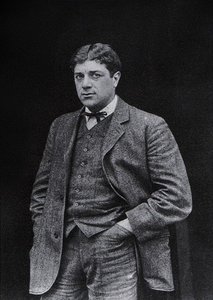
جورج براك
1882 - 1963 , فرنسا
حقائق سريعة
- Artistic Movement Or Style: كوبيزم، فافيزم
- Artists Who Influenced This Artist: ['هنري ماتيس"، "أندريه ديران"، "بول سزان']
- Date Of Birth: 1882
- Date Of Death: 1963
- Full Name: Georges Braque
- Nationality: فرنسي
- Notable Artworks: ['بيوت إستاك"، "الصبر"، "فينيل و بايبة']
- Place Of Birth: Argenteuil، فرنسا