


 معاينة الحجم الحقيقي
 مشاركة
 مشاركة
 التفاصيل

 تحميل الملف
 قطع مشابهة
 الأشعة السينية
 عرض شرائح
Landscape 1

 عرض المزيد
طباعة جيلي / مطبوعات فنية
طباعة جيكلي أو كانفاس بجودة المتاحف، مع سرعة في التنفيذ وخيارات متنوعة للتشطيب. ( اشترِ لوحة مرسومة يدويًا اشترِ الصورة)




P118B $10

P118H $10

P118W $10

P438Z $10

P508JH $12

P508YH $12

P805H $10

P805Z $10

P919BZ $10

P919G $10

P919XJ $10

P959ZH $10

P968JZ $12

W106C $8

W218G $10

W218JH $8

W218Y $10

W307PJ $10

W316G $10

W316PJ $8

W316Y $10

W398PJ $8

W4111J $10

W500HY $15

W500JH $15

W692G $12

W849H $8

W940BG $15

W953PJ $8




اختر من بين أحجامنا المُعدّة مسبقًا والتي تتطابق مع النسب الأصلية للعمل الفني.

يمكنك إدخال أبعادك الخاصة لتناسب إطاراً أو مساحة معينة. وإذا لم يتطابق الحجم الذي اخترته مع نسب الصورة الأصلية، فسنقوم إما بقص العمل الفني أو تمديد الصورة باستخدام حافة معكوسة أو بلون مصمت. سيتم إرسال نموذج تجريبي رقمي لاعتمادك قبل بدء الإنتاج.
يرجى ملاحظة أن المعاينة على الشاشة لا تعكس عملية القص أو التمديد الفعلية؛ حيث سيوضح النموذج التجريبي فقط التكوين النهائي بدقة.
وعلى الرغم من توفر أحجام مخصصة، إلا أننا نوصي باختيار أبعاد من القائمة المحددة مسبقاً للحفاظ على النسب الأصلية.
توصيل عالمي إلى خلال أسبوعين بدلاً من المدة القياسية البالغة 4/5 أسابيع. 16 أغسطس

شحن سريع ومجاني لجميع أنحاء العالم

قماش كتان عالي الجودة

تأمين شحن شامل

ضمان استرداد الرسوم الجمركية

ضمان مطابقة الألوان الحقيقية

سياسة الإرجاع خلال 60 يومًا (في حالات العيوب فقط)

ضمان استرداد نقدي بنسبة 100%

خصم عند طلب عدة قطع
 خيار الزجاج متاح فقط للمقاسات التي تقل عن 110 سم

Landscape 1
طباعة جيلي / مطبوعات فنية
مقاس النسخة المطبوعة
-


السعر الإجمالي النهائي
$ 62
وصف القطعة الفنية
A Glimpse into Early Modernism: Georges Braque’s ‘Landscape 1’
This captivating landscape by Georges Braque offers a serene yet subtly revolutionary vision of nature. While details regarding its exact date and size remain unknown, the painting provides a valuable window into Braque's artistic development during a pivotal period in early 20th-century art. The scene depicts a field alive with scattered yellow flowers under a clear blue sky, punctuated by distant trees and the intriguing presence of two figures – one near the top left corner and another towards the bottom right – seemingly lost in contemplation within this idyllic setting.Style & Technique: From Fauvism to the Dawn of Cubism
The painting showcases Braque’s transition away from pure Impressionism and his initial embrace of Fauvism, a style characterized by its bold, non-naturalistic use of color. Though more restrained than some of his Fauvist contemporaries like Matisse or Derain, the vibrant yellow flowers against the blue sky demonstrate this influence. However, even within this seemingly traditional landscape, hints of Braque’s impending exploration of Cubism are present. The composition isn't merely a faithful representation; there is an underlying structural quality and simplification of forms that foreshadow his later deconstruction of reality. His technique likely involved visible brushstrokes and a focus on capturing the *feeling* of light and atmosphere, rather than precise detail.Historical Context: A Turning Point in Art History
Braque painted this landscape during a period of immense artistic ferment. The early 1900s saw artists challenging traditional modes of representation. Inspired by Paul Cézanne’s emphasis on geometric forms and multiple perspectives, Braque began to question the conventional ways of depicting space and form. This painting likely predates his full immersion into Cubism – a movement he pioneered alongside Pablo Picasso beginning around 1908 – but it represents a crucial step in that direction. The influence of Cézanne is palpable; Braque, like Cézanne, sought to understand the underlying structure of nature and translate that understanding onto canvas.Symbolism & Interpretation: Nature as a Springboard for Innovation
While seemingly straightforward, the landscape isn’t simply a picturesque scene. The inclusion of figures invites contemplation about humanity's relationship with nature. Are they observers, participants, or symbols of our own fragmented perception? The simplified forms and emphasis on color suggest a move away from literal representation towards an exploration of *essential* qualities. The field of flowers could symbolize vitality and the fleeting beauty of life, while the distant trees represent stability and enduring presence.Emotional Impact & Aesthetic Appeal
‘Landscape 1’ evokes a sense of peaceful tranquility combined with intellectual curiosity. The serene color palette and harmonious composition create a calming atmosphere, yet the underlying structural elements hint at a deeper, more complex artistic vision. This painting is ideal for those seeking artwork that blends classic beauty with modern sensibility. It would complement interiors ranging from traditional to contemporary, adding a touch of sophisticated elegance and historical significance.Collecting & Reproduction
As an early work by a pivotal figure in Modern art, ‘Landscape 1’ represents a significant investment for collectors. High-quality reproductions allow art enthusiasts and interior designers to enjoy Braque's vision without the expense of acquiring an original. The painting’s balanced composition and harmonious colors make it a versatile piece that will enhance any space.- Subject: Landscape with figures
- Style: Early Modern, transitioning from Fauvism towards Cubism
- Artist: Georges Braque (1882-1963)
- Period: Early 20th Century
أعمال فنية ذات صلة


السيرة الذاتية للفنان
البدايات المبكرة والأسس الفنية
انطلق جورج براك، المولود في أرغنتوي بفرنسا عام 1882، في مسار ارتبط ارتباطاً وثيقاً بالمشهد المتطور للفن الحديث. فقد غرست نشأته داخل عائلة من رسامي المنازل والمزخرفين فيه ليس فقط إتقاناً تقنياً للمواد، بل وأيضاً تقديراً مبكراً للشكل والبنية. ورغم أنه اتبع في البداية حرفة والده، إلا أن ميوله الفنية المتأصلة قادته سريعاً إلى التدريب الرسمي في مدرسة الفنون الجميلة (École des Beaux- அச்ச) في لوفير، مما شكل بداية رحلته ليصبح أحد أكثر الرسامين تأثيراً في القرن العشرين. وقد أثبت هذا الأساس—الذي يمزج بين الحرفية العملية والدراسة الأكاديمية—أهميته القصوى عندما قام لاحقاً بتفكيك وإعادة تصور التقاليد الفنية الراسخة.
ومع انتقاله إلى باريس في عام 1902، واصل براك دراساته في أكاديمية هومبرت، منغمساً في الأجواء الفنية النابضة بالحياة في المدينة. وهنا التقى بفنانين مثل ماري لورنسين وفرانسيس بيكابيا، مما أدى إلى بناء روابط شكلت تطوره المبكر. عكست أعماله الأولى التأثيرات السائدة للمدرسة الانطباعية وما بعد الانطباعية، ولكن اللقاء المحوري مع الألوان الجريئة والحرية التعبيرية للمدرسة الوحشية في عام 1905 أشعل اتجاهاً جديداً في استكشافاته الفنية.
احتضان الوحشية وفجر التكعيبية
يتجلى تبني براك لمبادئ المدرسة الوحشية—التي تتميز بالألوان القوية غير الطبيعية والتعبير العاطفي—بوضوح في لوحات مثل الصبر. شهدت هذه الفترة عمله جنباً إلى بت جنب مع فنانين مثل هنري ماتيس وأندريه ديران، حيث جرب لوحات ألوان حيوية وأشكال مبسطة. ومع ذلك، لم يكن انخراط براك في الوحشية مجرد تقليد؛ بل أضفى عليها حساسية فريدة، موازناً بين الحماس الجامح للحركة وبين نهج أكثر ضبطاً وتحليلاً.
وصلت نقطة التحول في عام 1907 مع تعرضه للمعرض الاستعادي لأعمال بول سيزان. لقد أثر تركيز سيزان على الأشكال الهندسية وتعدد المنظورات بعمق على براك، مما مهد الطريق لتعاونه الرائد مع بابلو بيكاسو. وبدءاً من عام 1908، انطلق هذان العملاقان الفنيان في فترة من التبادل الفكري المكثف التي ولدت منها التكعيبية—وهي حركة ثورية حطمت المفاهيم التقليدية للتمثيل الفني.
معاً، طور براك وبيكاسو "التكعيبية التحليلية"، حيث قاما بتفكيك الأشياء إلى أشكال هندسية مجزأة وتقديم وجهات نظر متعددة في آن واحد. وتُظهر أعمال مثل منازل إستاك هذه المرحلة المبكرة، مستعرضة تحولاً جذرياً عن المنظور التقليدي وتركيزاً على البنية الأساسية للأشكال. وأصبحت لوحة ألوانهما خافتة عن عمد، مع التركيز على الشكل بدلاً من اللون، حيث سعيا لتمثيل كينونة الشيء وجوهره بدلاً من مجرد مظهره الخارجي.
الابتكار من خلال التجزئة والكولاج
استمرت الشراكة بين براك وبيكاسو في دفع حدود التعبير الفني، مما أدى إلى تطوير "التكعيبية التركيبية" حوالي عام 1912. شهدت هذه المرحلة إدخال تقنية الكولاج—وهي دمج مواد من العالم الحقيقي مثل قصاصات الصحف وورق الحائط والقماش في اللوحات. هذا الابتكار تحدى الهرمية التقليدية بين الرسم والنحت، مما أدى إلى طمس الخطوط الفاصلة بين الفن والحياة.
أدى اندلاع الحرب العالمية الأولى في عام 1914 إلى انقطاع هذا التعاون المكثف، حيث استُدعي براك للخدمة العسكرية. وقد أثرت تجاربه في الحرب بعمق على رؤيته الفنية، مما دفعه لاستكشاف موضوعات أكثر شخصية وغنائية في أعماله ما بعد الحرب.
السنوات المتأخرة والإرث الخالد
في أعقاب الحرب، تطور أسلوب براك ليتجاوز الحدود الصارمة للتكعيبية، حيث دمج عناصر من التكوين الكلاسيكي واهتماماً متجدداً بالطبيعة الصامتة. وبينما احتفظ بالتأثيرات الهندسية التي ميزت أعماله المبكرة، طور نهجاً أكثر دقة وتأملاً في الرسم. وتتميز مناظره الطبيعية وتصويراته الداخلية المتأخرة بأجوائها الهادئة وتناغماتها اللونية الرقيقة.
طوال مسيرته المهنية، ظل براك ملتزماً باستكشاف المبادئ الأساسية للشكل والفضاء والتمثيل. واستمر في التجريب باستخدام مواد وتقنيات مختلفة، دافعاً حدود التعبير الفني حتى وفاته في عام 1963. إن تأثيره على الأجيال اللاحقة من الفنانين لا يمكن قياسه، فقد شكل مسار الفن الحديث وألهم عدداً لا يحصى من الرسامين والنحاتين وفناني الكولاج.
يمتد إرث جورج براك إلى ما هو أبعد من أعماله الفردية؛ فقد غير بشكل جذري فهمنا لكيفية إدراكنا وتمثيلنا للعالم من حولنا. إن روحه التعاونية مع بيكاسو، مقترنة برؤيته الفنية الفريدة، قد رسخت مكانته كرائد حقيقي للفن الحديث—كفنان بارع تجرأ على تحدي التقاليد وإعادة تعريف إمكانيات الرسم.
التأثيرات والأعمال البارزة
- متأثر بـ: هنري ماتيس، أندريه ديران، بول سيزان
- الأعمال الرئيسية: منازل إستاك، الصبر، الكمان ولوحة الألوان، ماندولا
- الأثر في تاريخ الفن: أحدث ثورة في فن القرن العشرين من خلال التكعيبية؛ وتحدى المفاهيم التقليدية للمنظور والتمثيل.
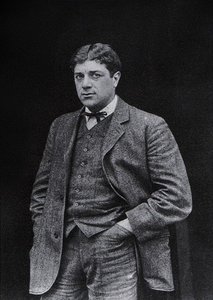
جورج براك
1882 - 1963 , فرنسا
حقائق سريعة
- Artistic Movement Or Style: كوبيزم، فافيزم
- Artists Who Influenced This Artist: ['هنري ماتيس"، "أندريه ديران"، "بول سزان']
- Date Of Birth: 1882
- Date Of Death: 1963
- Full Name: Georges Braque
- Nationality: فرنسي
- Notable Artworks: ['بيوت إستاك"، "الصبر"، "فينيل و بايبة']
- Place Of Birth: Argenteuil، فرنسا
مقالات ذات صلة

أعمال جورج براك الخالدة: 25 تحفة فنية تزين منزلك بلمسة فنية راقية
اكتشف 25 تحفة فنية لجورج براك، رائد الت تكعيبية. تعرف على قصص لوحاته الخالدة وألوانها الفريدة. طباعة لوحات أصلية عالية الجودة لديكور منزلي فاخر. استكشف المجموعة الكاملة الآن على ArtsDot.com!

أعمال جورج سورا الخالدة: 25 تحفة فنية تزين منزلك بلمسة فنية راقية
اكتشف 25 تحفة فنية آسرة لجورج سورا، رائد النقطية والانطباعية الجديدة. استكشف قصص لوحاته الخالدة وألوانها المذهلة. احصل على إعادة إنتاج عالية الجودة لديكور منزلي فاخر على ArtsDot.com

Georges Braque: Pioneering Cubism & the Evolution of Modern Form
Explore the revolutionary art of Georges Braque, a pioneer of Cubism alongside Picasso. Discover his artistic evolution, key works, and lasting impact on modern art. A guide for discerning collectors.

Beyond the Horizon: 10 Landscape Masterpieces for Your Home Decor
Journey through 10 breathtaking landscape paintings by Monet, Van Gogh & more! Explore iconic artworks, artistic techniques & find inspiration for your home decor. Museum-quality reproductions at ArtsDot.com. Discover all masterpieces on ArtsDot.com

أفضل 10 روائع تحدد حركة التكعيبية: فن وإلهام لديكور من ArtsDot
اكتشف روائع التكعيبية! استكشف 10 أعمال فنية خالدة لبيكاسو، برات وغيرهم. تعرف على تاريخ الفن، أساليبه وألوانه الجريئة. ArtsDot: وجهتك للوحات زيتية عالية الجودة وديكور منزلي فريد. تسوق الآن!



