


 إرسال
إرسال مشاركة
 عرض التفاصيل
 دليل الأعمال الفنية للطلاب

 تحميل
تحميل
 قطع مشابهة
 عرض شرائح متتابع
 الإحصائيات
Library Table


 اقرأ المزيد
نسخة زيتية مصنوعة يدوياً
لوحة زيتية مرسومة يدوياً على الكانفاس بالمقاس والإطار الذي تفضله، تُنفذ حسب الطلب على أيدي فنانينا. ( التبديل إلى المطبوعات التحويل إلى الصورة الرقمية)




































اختر من بين أحجامنا المُعدّة مسبقاً والتي تتوافق مع النسب الأصلية للعمل الفني.

يمكنك إدخال أبعاد خاصة لتناسب إطاراً أو مساحة معينة. وفي حال عدم تطابق الحجم المختار مع نسب الصورة الأصلية، سنقوم إما بقص العمل الفني أو توسيع اللوحة عبر إضافة عناصر مرسومة يدوياً. وسيتم إرسال نموذج رقمي إليك للموافقة عليه قبل بدء عملية الإنتاج.
يرجى ملاحظة أن المعاينة على الشاشة لا تعكس عملية القص أو التوسيع الفعلية؛ إذ إن النموذج الرقمي هو الوحيد الذي يوضح التكوين النهائي بدقة.
وعلى الرغم من توفر أحجام مخصصة، إلا أننا نوصي باختيار أبعاد من القائمة المحددة مسبقاً للحفاظ على النسب الأصلية للعمل الفني.
بعد إتمام الطلب، سيرسل فريق ArtsDot.com بريداً إلكترونياً للعميل لطلب التعليمات وتزويده بمعاينة تجريبية (mockup).
توصيل عالمي إلى خلال 3 إلى 4 أسابيع بدلاً من المدة المعتادة البالغة 5 أسابيع. (26 سبتمبر). جودة لا تهاون فيها.

شحن سريع ومجاني لجميع أنحاء العالم

قماش كتان فاخر

تأمين شامل على الشحن

ضمان استرداد الرسوم الجمركية

ضمان دقة مطابقة الألوان

سياسة الإرجاع خلال 100 يوم (في حالات العيوب فقط)

ضمان استرداد نقدي بنسبة 100%

عرض خصم الكميات
 خيار الزجاج متاح فقط للمقاسات التي تقل عن 110 سم

Library Table
وسيط إعادة الإنتاج
مقاس النسخة المطبوعة
-


إجمالي السعر
$ 263
The Quiet Authority of Form: A Study in Library Furnishings
To gaze upon this depiction of a library table is to step across a threshold into an era defined by intellectual pursuit and meticulous craftsmanship. It speaks not merely of furniture, but of the very atmosphere of contemplation—a sanctuary built from polished wood and draped textiles. The composition centers with unwavering focus on the rectangular surface, drawing the eye immediately to its geometric precision. One senses the weight of history resting upon this piece; it is an object that has witnessed countless hours spent poring over manuscripts, where the scent of aged paper mingles with the faint polish of fine oak.
Echoes of the Arts & Crafts Ideal
The style whispers profoundly of the late nineteenth and early twentieth centuries, a period when designers sought to reconnect art with daily life. This piece embodies the spirit of the Arts & Crafts movement, an aesthetic rebellion against industrial monotony that championed visible handwork and natural materials. The ornate woodwork, though restrained by the overall rectilinear structure, hints at the detailed passion of its maker. It aligns beautifully with the sensibilities of pioneers like George Mann Niedecken, whose work celebrated the integration of art into domestic architecture. Here, the craftsmanship is not merely decorative; it is structural poetry, where every joint and plane speaks to a dedication to enduring quality.
Texture, Tone, and Tactile Richness
The visual dialogue within this scene is orchestrated through contrasting textures. The cool, vibrant expanse of the blue background serves as a dramatic foil, making the warm, rich browns of the oak appear even deeper and more resonant. Observe the interplay between the hard, polished gleam of the tabletop and the soft, yielding folds of the patterned cloth that drapes gracefully from its sides. These varied surfaces—the smooth wood grain against the matte texture of the fabric—create a symphony for the eye. The central ceramic jar acts as a quiet anchor, grounding the composition with its own subtle materiality.
Symbolism and Scholarly Atmosphere
Beyond its physical beauty, this table carries a potent symbolic weight. It evokes the romance of scholarship and tradition. It suggests a life lived thoughtfully, surrounded by knowledge. The formality inherent in its design—the straight lines, the balanced arrangement—lends an air of quiet authority to any room it graces. For the collector or designer, owning a reproduction of such a piece is not just acquiring furniture; it is curating an ambiance, inviting moments of deep thought and refined repose into modern living.
أعمال فنية مشابهة


نبذة عن الفنان
The Architect of Atmosphere: The Life and Legacy of George Mann Niedecken
George Mann Niedecken was far more than a mere decorator; he was a master weaver of the American domestic experience, a man whose hands shaped the very soul of the Prairie School movement. Born in Milwaukee in 1878, Niedecken’s journey began with an innate sensitivity to form and texture that would later define the interior landscapes of some of America's most iconic architectural achievements. His early training at the Wisconsin Art Institute under Richard Lorenz provided a sturdy foundation of craftsmanship, but it was his migration to Chicago and subsequent immersion in the European artistic currents that truly ignited his creative spirit. Between 1899 and 1902, Niedecken wandered through the great art centers of Europe, absorbing the rhythmic elegance of the Vienna Secessionists and the organic flowing lines of Alphonse Mucha. This international perspective allowed him to return to the American Midwest not just as a student of tradition, but as a visionary capable of translating Old World sophistication into a new, uniquely American aesthetic.A Symbiotic Vision: The Wright Collaboration
The true zenith of Niedecken’s career arrived through one of the most profound creative partnerships in the history of design: his collaboration with Frank Lloyd Wright. While Wright provided the sweeping, horizontal bones of the Prairie Style houses, it was Niedeakan who breathed life into their interiors. Through the Niedecken-Walbridge Company, founded with his brother-in-law John Walbridge, he transformed architectural shells into cohesive, living environments. His work was never an afterthought to the architecture; rather, it was a vital component of Wright’s philosophy of organic unity. When one enters the legendary Dana–Thomas House or the Frederick Robie House, one does not merely see furniture and lighting; one experiences a seamless transition from wood to textile, from wall to ornament. Niedecken’s mastery lay in his ability to design pieces that echoed the structural rhythm of Wright's buildings, ensuring that every rug, chair, and lighting fixture felt as though it had grown naturally from the very floorboards they rested upon.The Art of the Interior: Craftsmanship and Detail
Niedecken’s brilliance was found in the meticulous details—the subtle grain of a wooden cabinet, the intricate pattern of a hand-woven rug, or the delicate glow of a custom lighting fixture. His approach was deeply rooted in the Arts and Crafts ethos, emphasizing the integrity of materials and the dignity of manual labor. He possessed a rare ability to balance the heavy, grounded nature of Prairie Style furniture with an ethereal lightness found in his decorative motifs. Beyond his work for Wright, Niedecken’s influence extended to other luminaries of the era, including Marion Mahony Griffin, for whom he designed interiors that showcased his versatility. His designs for lighting fixtures, such as those created for the writer Zona Gale, demonstrate a sophisticated command of light and shadow, turning functional objects into sculptural poetry.A Lasting Impression on American Design
Though the era of the great Prairie estates eventually gave way to new architectural movements, the impact of George Mann Niedecken remains indelible. He helped define an era where the home was viewed as a total work of art, a sanctuary where every element contributed to a sense of peace and organic harmony. His legacy is preserved not only in the historic landmarks of the Midwest but in the very concept of interior architecture as a discipline of unified design. Through his dedication to the marriage of form and function, Niedecken ensured that the American interior would forever be characterized by a profound respect for nature, craftsmanship, and the quiet beauty of the well-made object. His life stands as a testament to the power of collaborative vision and the enduring strength of the artist's hand in shaping the spaces we call home.
george mann niedecken
1878 - 1945 , United States of America
لمحة سريعة
- Artistic Movement Or Style: Prairie Style
- Artists Or Movements Influenced By This Artist: ['Frank Lloyd Wright']
- Artists Who Influenced This Artist:
- Richard Lorenz
- Louis Millet
- Date Of Birth: August 16, 1878
- Date Of Death: November 3, 1945
- Full Name: George Mann Niedecken
- Nationality: American
- Notable Artworks:
- Library Table
- Avery Coonley House
- Frederick Robie House
- Place Of Birth: Milwaukee, United States
مقالات ذات صلة
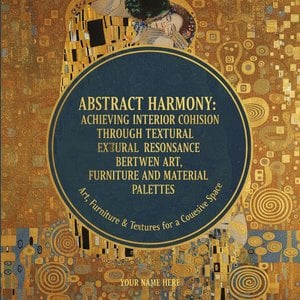
Abstract Harmony: Achieving Interior Cohesion Through Textural Resonance Between Art, Furniture, and Material Palettes
Discover how to create harmonious interiors with expert art curation tips! Learn to balance abstract art, furniture & textures for a cohesive, emotionally resonant space. Elevate your home's aesthetic today.

أعمال جورج براك الخالدة: 25 تحفة فنية تزين منزلك بلمسة فنية راقية
اكتشف 25 تحفة فنية لجورج براك، رائد الت تكعيبية. تعرف على قصص لوحاته الخالدة وألوانها الفريدة. طباعة لوحات أصلية عالية الجودة لديكور منزلي فاخر. استكشف المجموعة الكاملة الآن على ArtsDot.com!

George Agnew Reid: A Canadian Impressionist's Pursuit of Light, Colour, and National Identity
Explore the life & work of George Agnew Reid, a pivotal figure in Canadian Impressionism. Discover his genre paintings, mural commissions, and lasting influence on art education & national identity. A comprehensive guide for collectors & enthusiasts.

أعمال جورج سورا الخالدة: 25 تحفة فنية تزين منزلك بلمسة فنية راقية
اكتشف 25 تحفة فنية آسرة لجورج سورا، رائد النقطية والانطباعية الجديدة. استكشف قصص لوحاته الخالدة وألوانها المذهلة. احصل على إعادة إنتاج عالية الجودة لديكور منزلي فاخر على ArtsDot.com

John George Brown: Capturing American Life & Sentiment in 19th-Century Genre Painting
Explore the captivating genre paintings of John George Brown, celebrated for his realistic depictions of 19th-century American life. Discover his legacy & find museum-quality reproductions at ArtsDot.