

 معاينة الحجم الواقعي
 مشاركة
 مشاركة
 التفاصيل
 دليل
دليل

 تحميل الملف
 قطع مشابهة
 الأشعة السينية
 عرض شرائح
 الأسئلة والأجوبة
 الإحصائيات
Jumping Horse


 عرض المزيد
طباعة جيلي / مطبوعات فنية
طباعة جيكلي أو كانفاس بجودة المتاحف، مع سرعة في التنفيذ وخيارات متنوعة للتشطيب. ( شراء لوحة مرسومة يدويًا الانتقال إلى الصورة الرقمية)




P118B E£10

P118H E£10

P118W E£10

P438Z E£10

P508JH E£12

P508YH E£12

P805H E£10

P805Z E£10

P919BZ E£10

P919G E£10

P919XJ E£10

P959ZH E£10

P968JZ E£12

W106C E£8

W218G E£10

W218JH E£8

W218Y E£10

W307PJ E£10

W316G E£10

W316PJ E£8

W316Y E£10

W398PJ E£8

W4111J E£10

W500HY E£15

W500JH E£15

W692G E£12

W849H E£8

W940BG E£15

W953PJ E£8




اختر من بين أحجامنا المُعدّة مسبقاً والتي تتوافق مع النسب الأصلية للعمل الفني.

أدخل العرض والارتفاع المطلوبين ليتناسب المقاس مع إطارك أو جدارك. يرجى الملاحظة أن المطبوعة يمكن قصها فقط ولا يمكن تكبيرها لتتجاوز أبعاد الصورة الأصلية، لذا فإن اختيار مقاس بأبعاد مختلفة سيؤدي إلى فقدان جزء من الصورة. سنرسل لك نموذجاً رقمياً تجريبياً لاعتماده قبل البدء في عملية الطباعة. الصورة المعروضة في هذه الصفحة لا توضح شكل القص الفعلي — النموذج التجريبي فقط هو ما يظهر ذلك بدقة.
توصيل عالمي إلى خلال أسبوعين بدلاً من المدة القياسية البالغة 4/5 أسابيع. (5 نوفمبر)

شحن سريع ومجاني لجميع أنحاء العالم

قماش كتان عالي الجودة

تأمين شامل على الشحن

ضمان استرداد الرسوم الجمركية

ضمان مطابقة الألوان الحقيقية

سياسة الإرجاع خلال 100 يوم (في حالات العيوب فقط)

ضمان استرداد نقدي بنسبة 100%

خصم عند طلب كميات
 خيار الزجاج متاح فقط للمقاسات التي تقل عن 110 سم

Jumping Horse
طباعة جيلي / مطبوعات فنية
مقاس النسخة المطبوعة
-


إجمالي السعر النهائي
E£ 3295
Franz Marc’s “Jumping Horse”: A Symphony of Color and Spirit
Franz Marc's "Jumping Horse," painted in 1913, isn’t merely a depiction of an equine leap; it’s a profound distillation of the Expressionist movement’s core tenets – a vibrant exploration of emotion, instinct, and the interconnectedness of nature. This artwork transcends simple representation, becoming a visual embodiment of freedom, energy, and the spiritual yearning that defined Marc's artistic vision. The painting pulsates with an almost palpable dynamism, inviting the viewer into a world where color isn’t just decorative but fundamentally expressive.
Marc, deeply influenced by his early exposure to Vincent van Gogh’s emotionally charged brushwork and his own contemplation of religious themes, sought to capture not just what he *saw*, but what he *felt*. “Jumping Horse” exemplifies this pursuit. The horse itself—a powerful, almost mythical figure—is rendered with bold, simplified forms and a palette dominated by fiery reds, oranges, and yellows. These colors aren’t applied realistically; instead, they are used to convey the horse's raw energy, its untamed spirit, and the sheer force of its movement. The distorted perspective and flattened planes contribute to an overall sense of immediacy and intensity, pulling the viewer directly into the heart of the action.
Composition and Symbolism: A Harmonious Ecosystem
The composition of “Jumping Horse” is remarkably balanced despite its energetic subject matter. The horse, positioned slightly off-center, dominates the scene but isn’t isolated. A scattering of carefully placed elements—a bird soaring towards the upper right corner, a cactus reaching upwards on the left, and a potted plant grounding the composition—create a miniature ecosystem within the frame. These seemingly disparate objects aren't merely decorative; they contribute to the painting’s overall sense of harmony and balance, suggesting a deeper connection between the horse and its environment.
The bird, often interpreted as a symbol of freedom and transcendence, adds a touch of serenity to the scene, while the cactus represents resilience and endurance. The potted plant grounds the composition, anchoring the dynamic energy of the horse within a more stable reality. Marc’s genius lies in his ability to weave these individual elements into a cohesive whole, creating an artwork that speaks to both the wildness of nature and its inherent order.
Expressionism: Capturing Inner Experience
“Jumping Horse” is a quintessential example of Expressionist art. The movement, emerging in early 20th-century Germany, rejected traditional academic painting techniques in favor of subjective expression. Artists like Marc sought to convey their inner emotional states through distorted forms, exaggerated colors, and simplified compositions. In this painting, the horse’s elongated neck, its blurred form, and the vibrant hues all contribute to a sense of heightened emotion—a feeling of exhilaration, perhaps even primal instinct.
Marc's use of color is particularly noteworthy. He employs a technique known as “color symbolism,” assigning specific meanings to different colors based on their emotional associations. Red often represents passion and energy, while yellow symbolizes joy and optimism. The careful orchestration of these colors in "Jumping Horse" creates a powerful visual narrative that resonates deeply with the viewer.
A Legacy of Spiritual Vision
“Jumping Horse” is more than just a beautiful painting; it’s a testament to Franz Marc's artistic vision and his profound belief in the power of art to communicate spiritual truths. His exploration of the animal kingdom—particularly horses, which he saw as embodiments of freedom and vitality—reflects a deep yearning for connection with nature and a desire to transcend the limitations of human experience. As a cornerstone of early 20th-century art, “Jumping Horse” continues to inspire awe and wonder, inviting us to contemplate the beauty and mystery of the natural world.
الأسئلة والأجوبة
ما هو اللون السائد في "Jumping Horse" للفنان فرانس مارك؟
يتخلل اللون Golden Yellow Range أرجاء لوحة "Jumping Horse" للفنان فرانس مارك.
كيف يمكن وصف لوحة ألوان "Jumping Horse" للفنان فرانس مارك؟
تتميز ألوان "Jumping Horse" بلوحة ألوان من نوع Earthy، وهو تصنيف يبرز عائلات الألوان المهيمنة في العمل.
كيف يمكنني تحميل صورة "Jumping Horse" للفنان فرانس مارك؟
يمكنك تنزيل "Jumping Horse": حيث توفر صفحة تحميل الصورة الرقمية الخاصة بالعمل الفني خيار تحميل صورة رقمية عالية الدقة.
أعمال فنية ذات صلة


السيرة الذاتية للفنان
حياة غارقة في اللون والروح
ولد فرانس موريتس فيلهلم مارك في ميونيخ عام 1880، وكان رساماً غيرت مسيرته المهنية القصيرة والمكثفة بشكل لا رجعة فيه مجرى التعبيرية الألمانية. إن قصته هي قصة بحث روحي عميق تُرجم إلى لغة بصرية نابضة بالحياة، وسعي لفهم جوهر الحياة من خلال النقاء الذي وجده في العالم الطبيعي، ولا سيما داخل المملكة الحيوانية. تأثر فرانس في بداياته بوالده، فيلهلم مارك، الذي كان رسام مناظر طبيعية، ولم يكن مساره الفني واضحاً منذ البداية؛ فقد فكر لفترة وجيزة في دراسة اللاهوت، وصارع أسئلة الإيمان والوجود قبل أن يكرس نفسه في النهاية للفن في أكاديمية الفنون الجميلة في ميونيخ. ظلت هذه الاستكشافات المبكرة في الفكر الديني متجذرة بعمق في أعماله، مما شكل إيمانه بأن الفن يمكن أن يكون وسيلة للتجربة الروحية. وبينما منحت له دراسته الأكاديمية الأسس التقنية، كانت لقاءاته مع أعمال فينسينت فان جوخ خلال زياراته لباريس هي الشرارة الحقيقية التي أشعلت رؤيته الفنية؛ حيث لامس استخدام فان جوخ العاطفي للألوان وتعبيره الخام وجدان مارك بعمق، مما حرره من التقنيات التقليدية ووضعه على طريق أسلوب أكثر ذاتية ومشحون بالعواطف.الفارس الأزرق ورؤية فنية جديدة
لم يكن التطور الفني لمارك مساراً منعزلاً، بل ازدهر ضمن السياق الديناميكي لمدينة ميونيخ في أوائل القرن العشرين. لقد جرب الانضمام إلى مجموعات فنية مختلفة، بما في ذلك "اتحاد الفنانين الجديد في ميونيخ"، قبل أن يشارك في تأسيس مجموعة "الفرقة الزرقاء" (Der Blaue Reiter) عام 1911 إلى جانب فاسيلي كاندينسكي. لم تكن هذه مجرد مجموعة أو سلسلة معارض، بل كانت ثورة فلسفية وفنية؛ إذ سعت "الفرقة الزرقاء" إلى تجاوز مجرد التمثيل الواقعي، بهدف التعبير عن الحقائق الروحية الداخلية من خلال التجريد واللون الرمزي. وأصبحت المجلة التي تحمل الاسم نفسه منصة لنشر هذه الأفكار، حيث لم تعرض أعمالهم الخاصة فحسب، بل استعرضت أيضاً أعمال فنانين آخرين من أصحاب الفكر المستقبلي، واستكشفت تأثيرات ثقافية متنوعة من الفن الشعبي إلى النحت البدائي. كانت مساهمات مارك خلال هذه الفترة محورية، حيث ابتعد عن تصوير المناظر الطبيعية كمشاهد ساكنة، وركز بدلاً من ذلك على الحيوانات —الخيول، والغزلان، والثعالب— كأوعية للطاقة الروحية. لم تكن هذه مجرد لوحات لحيوانات، بل كانت تمثيلات رمزية للبراءة والانسجام والارتباط بالعالم الطبيعي الذي اعتقد أن البشرية قد فقدته. كما دفع تأثير استكشاف روبرت ديلوني للأشكال التجريدية والألوان النابضة مارك نحو المزيد من التبسيط والتعبير العاطفي المكثف في أعماله، وتتجلى هذه النقلة في لوحات مثل "النمر" (1912) و"الغزال الأحمر" (1912)، التي تظهر اختيارات جريئة للألوان وتركيزاً متزايداً على الخصائص الجوهرية لموضوعاته بدلاً من التصوير الواقعي.الرمزية، اللون، وجوهر الوجود
يمكن التعرف على الأسلوب الفني لمارك على الفور من خلال استخدامه المميز للون والشكل؛ فهو لم يستخدم اللون بشكل وصفي، بل غمره بالمعاني الرمزية. فقد مثل اللون الأزرق الروحانية والذكورة، بينما رمز الأصفر إلى البهجة والأنوثة، وجسد الأحمر العنف والمادية. لم تكن هذه خيارات عشوائية، بل كانت نظاماً مبنَّى بعناية لنقل أفكار عاطفية وفلسفية محددة. لذا، فإن حيواناته ليست مجرد موضوعات للرسم، بل هي تجسيد لهذه المفاهيم. وقد ساهم تبسيط الأشكال —عبر اختزال العناصر إلى أشكالها الأساسية— في التأكيد على الجوهر الروحي الكامن الذي سعى لالتقاطه. ولعل لوحة "برج الخيول الزرقاء" (1913)، التي فُقدت للأسف خلال الحرب العالمية الثانية، هي المثال الأكثر أيقونية لهذا النهج، فهي تكوين قوي ومثير للمشاعر يختزل رؤيته الفنية. كان يؤمن بأن الحيوانات تمتلك نقاءً فطرياً واتصالاً بالطبيعة فقده البشر بسبب القيود المجتمعية والنزعات الفكرية المفرطة. ومن خلال تصويرها بكل هذا التبجيل والثقل الرمزي، سعى مارك لتذكير المشاهدين بهذا الانسجام المفقود وإلهام تقدير أعمق للعالم الطبيعي؛ فلم يكن عمله يدور حول تصوير ما يراه، بل حول كيف يشعر —استجابة شخصية وروحية عميقة لما يحيط به.نهاية مأساوية وإرث خالد
أدى اندلاع الحرب العالمية الأولى عام 1914 إلى تغيير حياة مارك ومساره الفني بشكل دراماتيكي. ورغم سعيه للإعفاء من الخدمة بسبب مكانته كفنان، إلا أنه تم تجنيده في الجيش الألماني ليعمل كجندي خيال. أثرت أهوال الحرب عليه بعمق، ومع ذلك استمر في الرسم وسط تلك الفوضى، باحثاً عن السلوى والمعنى في فنه. ولكن المأساة وقعت عندما توفي فرانس مارك في 4 مارس 1916، في معركة فردون، مما شكل خسارة فادحة لعالم الفن. لقد أدت وفاته المبكرة إلى قطع مسيرة مهنية كانت تفيض بالإمكانات، لكنها ثبتت مكانته كشخصية محورية في تاريخ الفن الحديث. ولا يزال عمله يتردد صداه حتى اليوم، ملهماً أجيالاً من الفنانين وآسراً للجمهور بعمقه العاطفي ورنينه الروحي. تُعرض لوحات مارك في المتاحف الكبرى حول العالم، بما في ذلك متحف لينباخ هاوس في ميونيخ، الذي يضم مجموعة واسعة من أعماله. سيظل يُذكر ليس فقط كرائد للتعبيرية الألمانية، بل كفنان رؤيوي تجرأ على استكشاف الرابط العميق بين الفن والروحانية والعالم الطبيعي — وهو إرث يستمر في إثارة الرهبة والتأمل. وتظل رؤيته الفنية شهادة على قدرة الفن على تجاوز العالم المادي ولمس شيء أعمق داخل الروح البشرية.
فرانس مارك
1880 - 1916 , ألمانيا
حقائق سريعة
- Artistic Movement Or Style: التعبيرية الألمانية
- Artists Who Influenced This Artist: ['فينسنت فان جوخ"، "روبير ديلاunay']
- Date Of Birth: 8 فبراير 1880
- Date Of Death: 4 مارس 1916
- Full Name: Franz Moritz Wilhelm Marc
- Nationality: ألماني
- Notable Artworks: ['الأسد"، "الوعل الأحمر"، "برج الخيول الزرقاء']
- Place Of Birth: ميونخ، ألمانيا
مقالات ذات صلة

The Noble Steed: A Historical and Artistic Exploration of Horses in Fine Art
Explore the rich history of horses in fine art! From ancient depictions to Renaissance masterpieces & beyond, discover iconic artworks and artists. Learn about symbolism, techniques, and find museum-quality reproductions at ArtsDot.
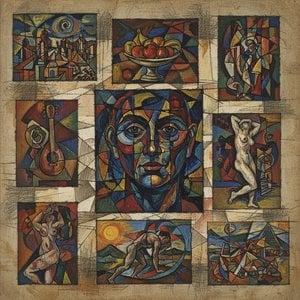
Cubist Expressionism's 10 Defining Masterpieces | Art for Your Home
Explore 10 defining Cubist Expressionism masterpieces by Picasso, Braque & more. Discover the stories behind these bold, geometric paintings and bring museum-quality art to your home with ArtsDot.com. Explore the full collection online.

The Noble Steed on Canvas: A Historical & Artistic Exploration of Horse Painting Across Cultures
Explore the rich history of horse painting! Discover masterpieces from Stubbs to Munnings & learn about symbolism, techniques & artists. Find museum-quality reproductions at ArtsDot.

Franz Marc: Expressionism, Spirituality & the Animal Symbolism of a Modern Master
Explore the profound world of Franz Marc's Expressionist paintings. Discover his spiritual connection to animals, innovative use of color, and lasting impact on modern art history. Learn more at ArtsDot.

German Expressionism's 10 Defining Masterpieces | Art for Your Home
Explore 10 defining German Expressionism masterpieces – from Munch's 'The Scream' to Kandinsky’s abstracts. Discover the artists, stories & bold colors behind this powerful art movement. Find museum-quality reproductions at ArtsDot.com.


