


 معاينة الحجم الحقيقي
 مشاركة
 مشاركة
 التفاصيل

 تحميل الملف
 قطع مشابهة
 الأشعة السينية
 عرض شرائح
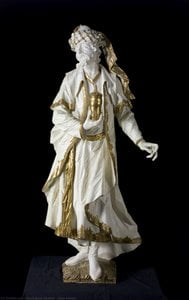
Chronos


 عرض المزيد
احصل على صورة رقمية عالية الدقة ومعزّنة، بجودة تفوق بكثير المعاينة عبر الإنترنت.
يتم إعداد كل ملف بعناية فائقة من قبل متخصصينا الداخليين باستخدام أدوات متقدمة ولمسات يدوية خبيرة. نضمن أن تتمتع كل صورة بوضوح استثنائي، ودقة لونية متناهية، وتفاصيل دقيقة.
يتم تسليم الملف النهائي عبر البريد الإلكتروني في غضون 72 ساعة، وهو مُحسَّن للاستخدام الفوري في المجالات المهنية والتحريرية ومجالات الطباعة. هذه هي ذات الجودة التي تعتمد عليها كبرى استوديوهات التصميم ودور النشر والمعارض الفنية المرموقة.
صورة رقمية
حمّل ملفاً عالي الدقة للعرض الشخصي، والطباعة، والمشاريع الإبداعية. ( اشترِ نسخة مطبوعة اشترِ لوحة مرسومة يدويًا)
مزايا مُضمّنة في كل طلب صورة رقمية
تسليم رقمي احترافي، مضمون
عندما تختار ArtsDot.com، فأنت لا تحصل على مجرد صورة فحسب، بل ستحصل على عمل فني رقمي مُحسّن باحترافية، صُمم بدقة متناهية ومصحوب بضمان الرضا. إليك كل ما يتضمنه طلبك تلقائياً:

تسليم سريع عبر البريد الإلكتروني
ستصلك ملفات صورك الرقمية عالية الدقة عبر البريد الإلكتروني في غضون 72 ساعة من إتمام الطلب - لتكون جاهزة للاستخدام الفوري.

ملف رقمي مُحسّن بالذكاء الاصطناعي
يتم تحسين عملك الفني باحترافية باستخدام أدوات الذكاء الاصطناعي المتقدمة والتحرير اليدوي، لضمان أقصى درجات التفاصيل والوضوح ودقة الألوان.

إعادة إرسال مجانية مدى الحياة
هل حذفت ملفك أو فقدته عن طريق الخطأ؟ لا تقلق - سنعيد إرساله إليك في أي وقت، ومجاناً.

بدون رسوم استيراد - على الإطلاق
استمتع بأعمالك الفنية فوراً دون أي رسوم جمركية أو ضرائب أو مصاريف شحن - فالتحميلات الرقمية دائماً ما تكون معفاة من الضرائب.

ضمان دقة الألوان
نحن نضمن أن تعكس صورتك الرقمية الألوان الأصلية بأقصى قدر ممكن من الدقة، وذلك باستخدام أدوات احترافية وتقنيات إدارة الألوان.

ضمان الرضا لمدة 100 يومًا
إذا لم تكن راضياً عن صورتك الرقمية، فسنقوم بتعديلها أو استرداد 100% من قيمتها خلال 100 يوماً - دون أي أسئلة.

ضمان استعادة الأموال بنسبة % 100
لم تكن راضياً؟ احصل على استرداد كامل المبلغ خلال 100 يومًا من استلام ملفك الرقمي - دون أي أسئلة.

خصومات الطلبات الكبيرة
اشتري 3 صور، ووفر 10% - اشتري 5، ووفر 15% - اشتري +10، ووفر 20%. مثالية للمشاريع الإبداعية، والمعارض، والوكالات.
أعمال فنية ذات صلة


السيرة الذاتية للفنان
The Master of Bavarian Rococo
In the heart of eighteenth-century Bavaria, a period defined by the exuberant grace of the Rococo, the name Franz Ignaz Günther emerged as a beacon of sculptural brilliance. Born in 1725 in Altmannstein, Germany, Günther’s journey into the world of fine art began not in an academy, but within the humble, aromatic confines of his father's carpenter and cabinetmaker workshop. This early immersion in the tactile reality of wood and grain provided him with a foundational mastery over his medium that would later allow him to breathe life into seemingly static timber. His formative years were shaped by the rhythmic precision of craftsmanship, a skill set that would eventually evolve into a profound artistic language capable of expressing the most delicate spiritual ecstasies.
The trajectory of his talent led him from the local workshops of Altmannstein to the prestigious studios of Munich, where between 1743 and 1750, he studied under the renowned court sculptor Johann Baptist Straub. This mentorship was pivotal, connecting Günther to the lineage of great German sculptors and refining his ability to manipulate form and light. His Wanderjahre—the essential period of wandering and learning—further expanded his artistic horizons as he traveled through Salzburg, Olmütz, Vienna, and Mannheim. In each city, he absorbed the nuances of the European Rococo style, studying under masters like Paul Egell. By the time he reached the Vienna Academy of Fine Arts in 1753, Günther was no longer merely a skilled carver but a rising virtuoso, a fact cemented when he won the academy's annual students' competition.
Elegance in Wood and Spirit
Returning to Munich in 1754, Günther established his own workshop, which became a crucible for some of the most breathtaking religious sculptures of the era. His work is characterized by an unparalleled ability to capture movement and emotion through elongated proportions and the intricate, angular arrangement of drapery. To gaze upon a Günther sculpture is to witness a dance of light and shadow; his figures often possess an ecstatic quality, where the heavy folds of carved wood seem to flutter with a life of their and divine inspiration. While much of his work was carved from wood and subsequently polychromed by skilled artisans, the structural soul of each piece remained his singular achievement.
His contributions to sacred spaces are perhaps his most enduring legacy. Throughout Bavaria, his altars and statues transformed churches into celestial theaters. Notable works include:
- The Church of the Holy Cross in Altmannstein, where his roots and artistry converged in a profound display of local devotion.
- The High Altar of Neustift Abbey Church in Freising, a testament to his ability to command large-scale ecclesiastical spaces.
- The Pietàs of Weyarn and Nenningen, works that showcase his mastery of the profound sorrow and tender grace central to the Baroque and Rococo traditions.
Beyond the church walls, Günther’s influence reached even the highest echelons of society and art production. His large porcelain crucifix, commissioned for the Munich Residenz, remains a marvel of technical complexity, with its pattern still honored by the Nymphenburg Porcelain Manufactory today. This ability to translate his sculptural vision into different media underscores his versatility and the lasting impact of his aesthetic. Even centuries later, the reverence for his skill is reflected in the profound respect shown to his legacy, such as when a wooden crucifix in his style was presented as a gift to Pope Benedict XVI. Franz Ignaz Günther remains not just a sculptor of wood, but a sculptor of the Bavarian soul, leaving behind a trail of grace that continues to captivate the modern eye.
franz ignaz günther
1725 - 1775 , Germany
لمحة سريعة
- Artistic Movement Or Style: Bavarian Rococo
- Artists Who Influenced This Artist:
- Johann Baptist Straub
- Paul Egell
- Date Of Birth: November 22, 1725
- Date Of Death: June 26, 1775
- Full Name: Franz Ignaz Günther
- Nationality: German
- Notable Artworks:
- Chronos
- Pietà
- Place Of Birth: Altmannstein, Germany