


 معاينة الحجم الحقيقي
 مشاركة
 مشاركة
 التفاصيل

 تحميل الملف
 قطع مشابهة
 الأشعة السينية
 عرض شرائح
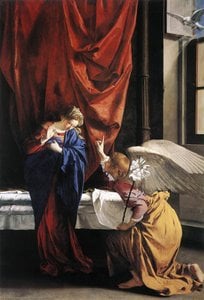
The Annunciation


 عرض المزيد
طباعة جيلي / مطبوعات فنية
طباعة جيكلي أو كانفاس بجودة المتاحف، مع سرعة في التنفيذ وخيارات متنوعة للتشطيب. ( اشترِ لوحة مرسومة يدويًا اشترِ الصورة)




P118B $10

P118H $10

P118W $10

P438Z $10

P508JH $12

P508YH $12

P805H $10

P805Z $10

P919BZ $10

P919G $10

P919XJ $10

P959ZH $10

P968JZ $12

W106C $8

W218G $10

W218JH $8

W218Y $10

W307PJ $10

W316G $10

W316PJ $8

W316Y $10

W398PJ $8

W4111J $10

W500HY $15

W500JH $15

W692G $12

W849H $8

W940BG $15

W953PJ $8




اختر من بين أحجامنا المُعدّة مسبقًا والتي تتطابق مع النسب الأصلية للعمل الفني.

يمكنك إدخال أبعادك الخاصة لتناسب إطاراً أو مساحة معينة. وإذا لم يتطابق الحجم الذي اخترته مع نسب الصورة الأصلية، فسنقوم إما بقص العمل الفني أو تمديد الصورة باستخدام حافة معكوسة أو بلون مصمت. سيتم إرسال نموذج تجريبي رقمي لاعتمادك قبل بدء الإنتاج.
يرجى ملاحظة أن المعاينة على الشاشة لا تعكس عملية القص أو التمديد الفعلية؛ حيث سيوضح النموذج التجريبي فقط التكوين النهائي بدقة.
وعلى الرغم من توفر أحجام مخصصة، إلا أننا نوصي باختيار أبعاد من القائمة المحددة مسبقاً للحفاظ على النسب الأصلية.
توصيل عالمي إلى خلال أسبوعين بدلاً من المدة القياسية البالغة 4/5 أسابيع. 27 أغسطس

شحن سريع ومجاني لجميع أنحاء العالم

قماش كتان عالي الجودة

تأمين شحن شامل

ضمان استرداد الرسوم الجمركية

ضمان مطابقة الألوان الحقيقية

سياسة الإرجاع خلال 60 يومًا (في حالات العيوب فقط)

ضمان استرداد نقدي بنسبة 100%

خصم عند طلب عدة قطع
 خيار الزجاج متاح فقط للمقاسات التي تقل عن 110 سم

The Annunciation
طباعة جيلي / مطبوعات فنية
مقاس النسخة المطبوعة
-


السعر الإجمالي النهائي
$ 62
وصف القطعة الفنية
A Moment Suspended in Sacred Light
To gaze upon this depiction of The Annunciation is to step across the threshold into a moment of profound, hushed revelation. It captures not merely an event from Christian scripture, but the very breath held between divine will and human acceptance. Here, the Virgin Mary cradles the infant Jesus, their bond radiating a palpable warmth that anchors the entire composition. Flanking this central, tender tableau are two angels, figures caught in attitudes of reverence, guiding the viewer's eye toward the sacred mystery unfolding before us. The inclusion of symbolic elements—the open book near Mary and the watchful dog at the base—adds layers of narrative depth, inviting contemplation on themes of knowledge, fidelity, and divine promise.
The Hand of a Neapolitan Master
This exquisite work is attributed to Francesco Curia, a painter whose mastery was deeply rooted in the vibrant artistic currents of late sixteenth-century Naples. Trained initially under the rigorous hand of Giovanni Filippo Criscuolo, Curia absorbed the Florentine emphasis on anatomical precision while infusing his own style with a luminous color palette characteristic of the Italian Renaissance masters. His commitment to naturalistic observation is evident; even the gentle repose of the sleeping child and the attentive posture of the figures speak to an artist who observed the world around him with meticulous care. The date, circa 1596, places this piece within a period where religious art continued to thrive as both devotion and high culture.
Symbolism Woven into Serenity
The symbolism at play here is rich and deeply resonant. The Annunciation itself represents the Incarnation—the moment the divine enters the human realm. Mary’s gentle bearing contrasts beautifully with the ethereal presence of the angels, suggesting a harmonious meeting point between heaven and earth. Consider the book: it often symbolizes scripture or divine wisdom, hinting at the profound truths contained within this sacred narrative. Furthermore, the dog, a traditional motif in art, frequently serves as a symbol of loyalty and fidelity, grounding the spiritual drama with an element of earthly devotion. These carefully placed details transform the painting from a mere portrait into a complex meditation on faith.
Craftsmanship for the Modern Sanctuary
For those seeking to bring the quiet grandeur of Renaissance piety into a contemporary space—be it a drawing-room, study, or chapel—this reproduction offers an unparalleled connection to history. The technique employed by Curia, with its luminous quality and detailed rendering, suggests a mastery that transcends time. Owning a piece inspired by this work is not simply acquiring art; it is curating an atmosphere of peace. It invites the viewer to slow down, to breathe in the serene atmosphere, and to feel the weight of centuries of artistic devotion surrounding them.
أعمال فنية ذات صلة




السيرة الذاتية للفنان
The Neapolitan Renaissance: The Life and Legacy of Francesco Curia
In the vibrant, sun-drenched streets of sixteenth-century Naples, a period of profound artistic transformation was unfolding, and at the heart of this creative renaissance stood Francesco Curia. Born around 1538 into a lineage of artistic devotion, Curia was the son of the painter Michele Curia, a heritage that likely provided him with an early, intimate connection to the alchemy of pigments and the discipline of the brush. His journey as an artist was not merely one of inherited skill but of rigorous intellectual and technical evolution. Under the guidance of the esteemed Giovanni Filippo Criscuolo, Curia absorbed the foundational principles of anatomical precision and expressive realism that would define his later masterpieces. This formative period in Naples, a city teeming with humanist ideals and religious fervor, instilled in him a profound respect for the sanctity of the subject matter, particularly within the realm of sacred iconography.
As his talent matured, Curia’s artistic vision expanded beyond the borders of his hometown. His travels to Rome allowed him to stand in the presence of greatness, where he studied the divine compositions of Raphael, an encounter that undoubtedly refined his sense of harmony and classical grace. This exposure to the Roman school, combined with the stylistic influence of Giorgio Vasari, helped shape a unique aesthetic that balanced the meticulous observation of nature with the idealized beauty of the High Renaissance. His work became a bridge between the structured elegance of the Florentine tradition and the burgeoning naturalism that would soon characterize Southern Italian art. Curia’s ability to infuse religious narratives with emotional intensity made him one of the most significant figures in Naples before the seismic arrival of Caravaggio.
Mastery of Form and the Language of Devotion
The oeuvre of Francesco Curia is a testament to his ability to translate complex theological concepts into palpable, visual experiences. His paintings and drawings often serve as windows into the spiritual psyche of the late Renaissance, utilizing a luminous color palette and a meticulous attention to detail to evoke awe in the viewer. Whether through the delicate pen strokes of his sketches or the grand scale of his altarpiements, Curia possessed a rare gift for capturing the human condition within a divine context. His mastery is particularly evident in works such as The Annunciation, where the interplay of light and shadow creates a sense of profound stillness and miraculous presence.
Beyond his finished paintings, Curia’s skill as a draughtsman offers an intimate glimpse into his creative process. His surviving sketches, some of which were once part of prestigious collections like that of the Swedish collector Carl Gustav Tessin, reveal a strong awareness of Emilian Mannerism and a sophisticated command of line. In these works, one can observe:
- Theological Symbolism: The use of iconography, such as the dog representing fidelity or the chalice signifying the Eucharist, to deepen the narrative layers of his compositions.
- Anatomical Precision: A commitment to the realistic depiction of the human form, a trait inherited from his training under Criscuolo.
- Emotional Resonance: The capacity to convey deep piety, sorrow, or joy through subtle facial expressions and gestural language.
A Lasting Impression on Neapolitan Art
The historical significance of Francesco Curia extends far beyond his individual accomplishments; he was a cornerstone of the Neapolitan school, fostering a generation of artists who would carry his torch into the next century. As a mentor to notable figures such as Fabrizio Santafede and Ippolito Borghese, Curia ensured that his stylistic principles—clarity of form, naturalistic observation, and emotional depth—remained embedded in the artistic fabric of Naples. His influence acted as a vital link in the continuity of Italian art, providing a stable foundation of Renaissance ideals upon which the more dramatic, chiaroscuro-heavy styles of the Baroque could later be built.
Though he may have been overshadowed for centuries by the monumental fame of later masters, the modern reconstruction of his painted works has restored Curia to his rightful place in the canon of Italian art. He remains a pivotal figure whose work captures the transition from the structured grace of the sixteenth century to the visceral energy of the seventeenth. Through his dedication to the sacred and his mastery of the medium, Francesco Curia left behind an indelible legacy that continues to resonate with anyone seeking to understand the soul of the Neapolitan Renaissance.

Francesco Curia
1538 - 1610 , Italy
حقائق سريعة
- Artistic Movement Or Style: Renaissance Painting
- Artists Or Movements Influenced By This Artist:
- Fabrizio Santafede
- Ippolito Borghese
- Artists Who Influenced This Artist:
- Giovanni Filippo Criscuolo
- Giorgio Vasari
- Date Of Birth: c. 1538
- Date Of Death: 1610
- Full Name: Francesco Curia
- Nationality: Italian
- Notable Artworks:
- The Annunciation
- The Coronation of the Virgin
- Place Of Birth: Naples, Italy
مقالات ذات صلة

أروع 25 لوحة لفرا أنجليكو: تحف فنية لتزيين منزلك بإشراق سماوي
اكتشف روعة 25 لوحة لفرا أنجليكو، فنان عصر النهضة الإيطالي. استكشف قصصًا فنية وتقنيات زيتية آسرة وألوانًا سماوية. احصل على نسخ فاخرة لتزيين منزلك بجمال خالد. اكتشف جميع الروائع على ArtsDot.com

أروع 25 تحفة فنية في معرض أوفيزي: رحلة عبر عصر النهضة الإيطالي | ArtsDot
اكتشف أروع 25 لوحة فنية في معرض أوفيزي بفلورنسا! رحلة آسرة عبر عصر النهضة مع أعمال ليوناردو دا فينشي، بوتيتشيلي، ورفائيل. احصل على نسخ فاخرة من هذه التحف الفنية لتزيين منزلك. اكتشف المجموعة الكاملة على ArtsDot.
Marianne North's Masterpieces: 25 Botanical Paintings That Bloom With Adventure | ArtsDot
Journey through the vibrant world of Marianne North’s botanical paintings! Explore 25 iconic artworks from this Victorian artist, celebrating exotic flora & travel. Find museum-quality reproductions and curated decor ideas at ArtsDot.com.

أفضل 25 لوحة لجوتو دي بوندوني: تحف فنية لتزيين منزلك بأناقة
اكتشف أروع 25 لوحة لجوتو دي بوندوني، رائد فن عصر النهضة. استكشف قصصًا فنية خالدة وتقنيات فريدة وألوانًا آسرة. احصل على نسخ عالية الجودة لتزيين منزلك بأناقة رفيعة على ArtsDot.com
روائع هيرميتاج: أفضل 25 لوحة فنية في سانت بطرسبرغ | ArtsDot
اكتشف روائع هيرميتاج في سانت بطرسبرغ! استكشف قصص 25 لوحة فنية خالدة لريمبراندت، دافنشي وغيرهم. طباعة لوحات فاخرة وديكور منزلي مستوحى من الفن على ArtsDot.com.

