


 إرسال
إرسال مشاركة
 عرض التفاصيل
 دليل الأعمال الفنية للطلاب

 تحميل
تحميل
 قطع مشابهة
 عرض شرائح متتابع
 الإحصائيات
The Annunciation
 Fresco
- Early Renaissance Humanism
 1442
1442 230.0 x 321.0 cm
 دير سان ماركو
 اقرأ المزيد
نسخة زيتية مصنوعة يدوياً
لوحة زيتية مرسومة يدوياً على الكانفاس بالمقاس والإطار الذي تفضله، تُنفذ حسب الطلب على أيدي فنانينا. ( التبديل إلى المطبوعات التحويل إلى الصورة الرقمية)




































اختر من بين أحجامنا المُعدّة مسبقاً والتي تتوافق مع النسب الأصلية للعمل الفني.

Type the width and the height you need, to fit your frame or your wall. This is hand-painted, so for a size with a different shape the artist can paint a bit more around the picture, or cut a bit — you choose. We send you a digital mockup to approve before the painting starts. The picture shown on this page does not show the real result — only the mockup does.
بعد إتمام الطلب، سيرسل فريق ArtsDot.com بريداً إلكترونياً للعميل لطلب التعليمات وتزويده بمعاينة تجريبية (mockup).
توصيل عالمي إلى خلال 3 إلى 4 أسابيع بدلاً من المدة المعتادة البالغة 5 أسابيع. (14 أكتوبر). جودة لا تهاون فيها.

شحن سريع ومجاني لجميع أنحاء العالم

قماش كتان فاخر

تأمين شامل على الشحن

ضمان استرداد الرسوم الجمركية

ضمان دقة مطابقة الألوان

سياسة الإرجاع خلال 100 يوم (في حالات العيوب فقط)

ضمان استرداد نقدي بنسبة 100%

عرض خصم الكميات
 خيار الزجاج متاح فقط للمقاسات التي تقل عن 110 سم

The Annunciation
وسيط إعادة الإنتاج
مقاس النسخة المطبوعة
-


إجمالي السعر
E£ 13692
A Moment of Divine Revelation: Fra Angelico’s “The Annunciation”
Fra Angelico's "The Annunciation," painted in 1442, is more than just a depiction of a pivotal biblical event; it’s an immersion into a realm of serene spirituality and exquisite detail. This fresco, housed within the walls of a Dominican monastery (though its exact location has shifted over time), captures the profound moment when the Archangel Gabriel announces to Mary that she will conceive and bear the son of God. The painting immediately draws the viewer in with its carefully orchestrated composition – a sense of quiet grandeur achieved through the strategic placement of arches, benches, and the central figures themselves.
The scene unfolds within a room bathed in a soft, diffused light, characteristic of Fra Angelico’s signature style. Earth tones dominate the palette—ochres, siennas, and umbers—creating an aged, almost timeless quality that speaks to the enduring nature of faith. This deliberate use of color isn't merely decorative; it evokes the atmosphere of a monastic setting, reflecting the contemplative life of the Dominican order. Notice how the artist masterfully employs *sfumato*, a technique borrowed from Leonardo da Vinci, softening edges and creating an ethereal haze that contributes to the overall sense of otherworldly beauty.
The Dance of Figures: Composition and Symbolism
At the heart of the composition are Mary and Gabriel. Mary, kneeling in humble reverence, gazes upwards with a mixture of surprise and acceptance. Her posture is graceful yet grounded, embodying both vulnerability and strength. The angel, rendered with delicate wings outstretched, presents the news with an air of solemnity and divine authority. The subtle shift in their gestures—Mary’s downward tilt of her head versus Gabriel's raised hand—creates a dynamic interplay between them, illustrating the exchange of this momentous revelation.
Beyond the central figures, details abound that enrich the narrative. The two benches flanking the scene aren’t merely architectural elements; they represent the earthly realm and the setting for this divine encounter. The presence of a third figure, partially obscured within the architecture – often interpreted as John the Baptist or even an attendant – adds to the sense of a sacred space unfolding before our eyes. The lilies held by Gabriel are a potent symbol of purity and virginity, directly referencing Mary’s role in salvation history.
A Masterclass in Early Renaissance Technique
Fra Angelico's skill as a painter is immediately apparent in the meticulous detail of "The Annunciation." He was renowned for his painstaking preparation – often sketching numerous studies before committing to fresco. This dedication is evident in the rendering of Mary’s garments, the folds of her veil, and the intricate details of Gabriel’s wings. The artist's use of *tempera* on gesso—a technique common at the time—allowed for layering colors and achieving remarkable luminosity.
- Layered Fresco Technique: Fra Angelico employed a meticulous process, starting with a rough ground (gesso) and building up layers of color to create depth and vibrancy.
- Sfumato Effect: The subtle blurring of lines and edges, particularly around the figures’ faces, contributes to the painting's ethereal quality.
- Symbolic Color Palette: The earth tones evoke a sense of monastic austerity and spiritual contemplation.
Emotional Resonance and Timeless Beauty
"The Annunciation" transcends its biblical subject matter, offering a profound meditation on faith, humility, and divine grace. It’s a painting that invites quiet reflection, prompting viewers to consider the transformative power of belief. Fra Angelico's ability to capture such intense emotion with such understated elegance is what secures this work’s place as one of the most beloved and enduring images of the Early Renaissance. ArtsDot offers exceptional reproductions of this masterpiece, allowing you to bring its serene beauty into your home or office – a testament to the timeless artistry of Fra Angelico.
الأسئلة والأجوبة
هل تسمح حقوق الطبع والنشر لـ "The Annunciation" للفنان البياتي أنجليكو بإعادة الإنتاج؟
تُعد لوحة "The Annunciation" للفنان البياتي أنجليكو، والمحفوظة في دير سان ماركو، من الأعمال التي تندرج ضمن ملك عام - انتهت مدة حماية حقوق الطبع والنشر الخاصة به. وتحدد هذه الحالة مدى إمكانية إنتاج نسخ مكررة من الصورة.
هل تشكل "The Annunciation" للفنان البياتي أنجليكو لوحة شخصية، أم طبيعية، أم ذات تكوين مربع؟
تتميز لوحة "The Annunciation" للفنان البياتي أنجليكو بتنسيق Landscape. ويصف هذا التنسيق أبعاد التكوين الفني.
متى تم إبداع "The Annunciation"، وإلى أي مدرسة فنية تنتمي؟
أُبدعت لوحة "The Annunciation" في عام 1442 كعمل ينتمي إلى حركة Early Renaissance Humanism. ويؤرخ التاريخ والأسلوب الفني مكانة هذا العمل في تاريخ الفن.
أعمال فنية مشابهة


نبذة عن الفنان
الرائد الروحي والجمالي: حياة وفن فرا أنجليكو
في قلب التلال التوسكانية، بالقرب من فلورنسا، وُلد جيوفاني دا فيسولي حوالي عام 1395، الفنان الذي سيشتهر لاحقًا باسم فرا أنجليكو. لم تترك لنا السجلات الكثير عن سنواته الأولى، لكن يُعتقد أنه تلقى تعليمًا جيدًا أعدّه لحياة تتجاوز جذوره المتواضعة. نقطة التحول الحاسمة جاءت عندما انضم إلى النظام الدومينيكي في فيسولي، حيث تبنى حياة التأمل والخدمة الدينية. هنا، حصل على الاسم الذي سيُعرف به العالم: فرا (الأخ) أنجليكو، وهو لقب يعكس ليس فقط فروقه الرهبانية ولكن أيضًا الجودة الملائكية المتأصلة في فنه. بدأ عمله في تذهيب المخطوطات، وهي حرفة دقيقة تتطلب دقة عالية وألوانًا نابضة بالحياة، مما صقل مهاراته التي ستزدهر لاحقًا في أعمال جداريات ولوحات رائعة. لقد غرس التأكيد الدومينيكي على الدراسة اللاهوتية بعمق في رؤيته الفنية، حيث أضفى على عمله إحساسًا عميقًا بالإيمان والهدف.تطور أسلوب فريد ومميز
لم يظهر فن فرا أنجليكو من العدم؛ بل كان نتاج امتصاصه التيارات الفنية التي كانت سائدة في فلورنسا في عصره. يمكن رؤية تأثيرات لورينزو مونكو، الرائد في الرسم والتذهيب القوطي المتأخر، في أعماله المبكرة، خاصةً الخطوط الأنيقة والأنماط الزخرفية. ومع ذلك، لم يقتصر أنجليكو على مجرد التقليد. بدأ في دمج هذه التأثيرات مع طبيعية متنامية، ربما ألهمها التعرض لأعمال فريسكو ماساتشيو الرائدة. بينما أحدث ماساتشيو ثورة في الرسم من خلال استخدامه الدرامي للمنظور والتصوير الواقعي للشكل البشري، سلك أنجليكو طريقًا مختلفًا. لقد تبنى المنظور ليس من أجل نفسه، بل كوسيلة لخلق تجربة روحية أكثر غامرة. شخصياته، على الرغم من كونها رشيقة وغالبًا ما تكون مثالية، تمتلك هدوءًا ورونقًا عاطفيًا يتجاوز مجرد التمثيل. والأهم من ذلك أن فنّه كان مرتبطًا ارتباطًا وثيقًا بإيمانه؛ فقد رأى الرسم ليس كمجرد مهنة، بل كعمل من العبادة - طريقة للتأمل في المقدس وجعله مرئيًا للآخرين.روائع الإيمان واللون: سان ماركو وغيرها
تتمحور إرث فرا أنجليكو الفني حول العديد من الأعمال الضخمة التي لا تزال تلهم الرهبة عبر القرون. تُعتبر الفريسكو في دير سان ماركو في فلورنسا على نطاق واسع تحفته الفنية. هذه المشاهد من حياة المسيح تشع ببساطة وسهولة عاطفية نادرة في فن عصر النهضة المبكر. كل صورة - من التجلي إلى الصلب - مشبعة بإحساس بالتأمل الهادئ، وتدعو المشاهدين إلى مواجهة شخصية مع السرد المقدس. تتجاوز سان ماركو، تُظهر لوحة *Perugia Altarpiece* أسلوبه المتطور، لا سيما في تصويره الرقيق للتجلي. يظهر موضوع التجلي نفسه في العديد من الإصدارات طوال أعماله، كل منها يتم تقديمه بجمال سماوي وغنى رمزي. تُظهر الأعمال مثل *St. Lawrence Giving Alms* مهارته في تكوين السرد وقدرته على تصوير المشاعر الإنسانية بحساسية ورشاقة. تتميز لوحاته بلوحة ألوان مشرقة وواضحة - الأزرق والذهبي والأحمر - التي تبدو وكأنها تتوهج من الداخل، مما يخلق جوًا من الرونق الآخر.أهمية تاريخية وتأثير دائم
يظل فرا أنجليكو شخصية محورية في عصر النهضة المبكر، حيث يجسد اندماج التفاني الديني والابتكار الفني للعصر. لم يكن مجرد رسام؛ بل كان رؤيًا روحية ترجمت إيمانه إلى شكل مرئي. يعكس عمله المثل الإنسانية للفترة، مؤكدًا على كرامة الإنسان وإمكانية التأمل الروحي. أشاد المؤرخ الفني الشهير جورجيو فازاري بفرا أنجليكو في *سير الفنانين*، معلنًا أنه لا يمكن لأي قدر من الثناء أن يجسد بشكل كافٍ جمال إبداعاته. عزز هذا الاعتراف مكانته داخل القانون الفني الغربي. امتد تأثيره إلى ما هو أبعد من عصره، حيث ألهم الأجيال القادمة من الفنانين بأسلوبه التعبدي واستخدامه الماهر للألوان. في عام 1982، اعترف البابا يوحنا بولس الثاني بالقداسة الشخصية لفرا أنجليكو رسميًا، وهو شهادة على التأثير الروحي العميق لحياته وعمله. اليوم، لا تزال أعماله تت resonate مع المشاهدين حول العالم، وتقدم رسالة خالدة من الإيمان والأمل والجمال.أماكن استكشاف فنه
- Museo di San Marco, Florence: This museum houses the largest and most significant collection of Fra Angelico’s works, including the breathtaking frescoes from the monastery.
- The Louvre Museum (Paris): Several important paintings by Fra Angelico can be found within the Louvre's extensive collection.
- The National Gallery (London): The National Gallery boasts a selection of his works, offering visitors a glimpse into his artistic genius.
- Santa Maria sopra Minerva, Rome: This church contains frescoes by Fra Angelico and is the site where he was officially beatified.
- Numerous other museums worldwide also display examples of his art, allowing a broader appreciation for his enduring legacy.

البياتي أنجليكو
1395 - 1455 , إيطاليا
لمحة سريعة
- أعمال فنية بارزة:
- لوحات سان ماركو
- مذبح بيروجيا
- العهد بالقداسة
- سان لورينزو يوزع الصدقات
- الاسم الكامل: Fra Angelico (خوانجيليكو)
- الجنسية: إيطالي
- الحركة الفنية: النهضة المبكرة
- تاريخ الميلاد: حوالي 1395
- حركات أو فنانون تأثروا به: ['فنانو النهضة المبكرة']
- فنانون أثروا فيه:
- لورينزو مونكو
- ماسّاشيو
- مكان الميلاد: روبيسانا، إيطاليا
مقالات ذات صلة

The Enduring Legacy of Fresco: Technique, History & Artistic Expression Across Cultures
Explore the rich history & enduring legacy of fresco painting! Discover ancient techniques, Giotto's masterpieces, and modern applications. Expert insights for art lovers & professionals.

أروع 25 لوحة لفرا أنجليكو: تحف فنية لتزيين منزلك بإشراق سماوي
اكتشف روعة 25 لوحة لفرا أنجليكو، فنان عصر النهضة الإيطالي. استكشف قصصًا فنية وتقنيات زيتية آسرة وألوانًا سماوية. احصل على نسخ فاخرة لتزيين منزلك بجمال خالد. اكتشف جميع الروائع على ArtsDot.com
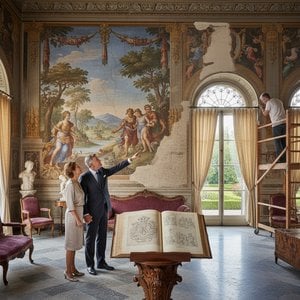
الفريسكو كإرث عائلي: الحفاظ على التراث من خلال فن الجدار
اكتشف فن الفريسكو العريق وتاريخه الغني مع ArtsDot. خبراء في الحفاظ على التراث، وتقديم أعمال فنية فاخرة مخصصة لتصميم منزلك. جودة عالية وموثوقية تضمن إرثًا دائمًا.

أعمال دانتي غابرييل روسيتي الخالدة: 25 تحفة فنية تزين منزلك برقيّ
اكتشف 25 تحفة فنية آسرة لدانتي غابرييل روسيتي، رائد حركة ما قبل الرفائيلية. استكشف قصص لوحاته الرومانسية ورمزيته العميقة وألوانه الزيتية الخالدة. أضف لمسة فنية راقية لمنزلك مع ArtsDot.com.

The Enduring Legacy of Fresco: Technique, History & Artistic Expression
Explore the rich history & enduring artistry of fresco painting. Discover techniques from Giotto to Michelangelo, conservation efforts, & modern applications. Learn how ArtsDot brings this timeless art form to your home.


