


 معاينة الحجم الحقيقي
 مشاركة
 مشاركة
 التفاصيل
 الدليل

 تحميل الملف
 قطع مشابهة
 الأشعة السينية
 عرض شرائح
 الإحصائيات
Buddhist Heart Sutra


 عرض المزيد
طباعة جيلي / مطبوعات فنية
طباعة جيكلي أو كانفاس بجودة المتاحف، مع سرعة في التنفيذ وخيارات متنوعة للتشطيب. ( اشترِ لوحة مرسومة يدويًا الانتقال إلى الصورة الرقمية)




































اختر من بين أحجامنا المُعدّة مسبقًا والتي تتطابق مع النسب الأصلية للعمل الفني.

يمكنك إدخال أبعادك الخاصة لتناسب إطاراً أو مساحة معينة. وإذا لم يتطابق الحجم الذي اخترته مع نسب الصورة الأصلية، فسنقوم إما بقص العمل الفني أو تمديد الصورة باستخدام حافة معكوسة أو بلون مصمت. سيتم إرسال نموذج تجريبي رقمي لاعتمادك قبل بدء الإنتاج.
يرجى ملاحظة أن المعاينة على الشاشة لا تعكس عملية القص أو التمديد الفعلية؛ حيث سيوضح النموذج التجريبي فقط التكوين النهائي بدقة.
وعلى الرغم من توفر أحجام مخصصة، إلا أننا نوصي باختيار أبعاد من القائمة المحددة مسبقاً للحفاظ على النسب الأصلية.
توصيل عالمي إلى خلال أسبوعين بدلاً من المدة القياسية البالغة 4/5 أسابيع. 25 سبتمبر

شحن سريع ومجاني لجميع أنحاء العالم

قماش كتان عالي الجودة

تأمين شحن شامل

ضمان استرداد الرسوم الجمركية

ضمان مطابقة الألوان الحقيقية

سياسة الإرجاع خلال 100 يوم (في حالات العيوب فقط)

ضمان استرداد نقدي بنسبة 100%

خصم عند طلب عدة قطع
 خيار الزجاج متاح فقط للمقاسات التي تقل عن 110 سم

Buddhist Heart Sutra
طباعة جيلي / مطبوعات فنية
مقاس النسخة المطبوعة
-


السعر الإجمالي النهائي
$ 62
أعمال فنية ذات صلة


السيرة الذاتية للفنان
The Imperial Brush: The Spiritual Legacy of Emperor Kōgon
In the turbulent landscape of fourteenth-century Japan, amidst the political fragmentation of the Northern and Southern Courts, there emerged a figure whose influence transcended the mere boundaries of imperial governance. Emperor Kōgon (1313–1364) was not merely a sovereign navigating a period of profound instability; he was a visionary patron whose devotion to Buddhist iconography helped reshape the aesthetic soul of Northern Japan. Born into the prestigious Minamoto clan as Kazuhito, his early life was steeped in the traditions of the samurai, yet his spirit was irrevocably drawn toward the quietude of Buddhist scholarship and the meditative depths of philosophical inquiry. This unique intersection of martial lineage and spiritual intellect would become the cornerstone of his artistic legacy.
Kōgon’s ascension to the throne followed a period of intense succession crises, marking a decisive departure from the centralized authority of previous eras. While his political reign was brief, spanning only two years, the cultural ripples he created were immense. He viewed art not as a secular luxury, but as a vital instrument of spiritual reaffirmation and imperial legitimacy. By channeling his patronage toward the Mahayana traditions, he sought to bridge the gap between the earthly authority of the throne and the divine essence of the Buddha. His era witnessed an unprecedented surge in the creation of monumental works that utilized the sacred language of calligraphy and painting to communicate the eternal truths of the faith.
A Symphony of Ink and Devotion
The artistic output fostered under Kōgon’s influence is characterized by a profound synthesis of technical mastery and religious fervor. One of the most breathtaking examples of this era is the Buddhist Heart Sutra, an exquisite calligraphy scroll that serves as a rare window into the imperial devotion of the time. In these works, the brush does not merely record text; it performs a ritual. The flowing, rhythmic strokes of the characters are designed to guide the viewer through a meditative journey, mirroring the very essence of the sutra's teachings. This period saw a significant shift toward more elaborate and complex compositions, where the interplay of ink and void became a metaphor for the Buddhist concept of emptiness and form.
The techniques employed by the artists under his patronage were nothing short of revolutionary for the period. Drawing deep inspiration from the sophisticated landscape painting traditions of China, Japanese masters began to integrate more vibrant pigments and meticulous detailing into their work. This evolution brought about a new level of spiritual depth, as painters sought to capture:
- The serene majesty of idealized Buddha figures that seemed to radiate light from within.
- Meticulously rendered landscapes that functioned as spiritual microcosms.
- A sophisticated use of color and texture to evoke the ephemeral nature of existence.
Historical Significance and Artistic Endurance
The historical significance of Emperor Kōgon lies in his ability to transform a period of political chaos into an era of artistic flourishing. While the Nanboku-chō period was defined by conflict between rival courts, Kōgon’s focus on Buddhist art provided a sense of cultural continuity and spiritual stability. He successfully utilized the medium of painting to assert a form of authority that was not dependent on military might, but on moral and religious prestige. His patronage laid the groundwork for future developments in Japanese Buddhist iconography, influencing the stylistic trajectory of much of the art produced in the centuries that followed.
Today, the legacy of Emperor Kōgon remains etched in the masterpieces that survived the fires of history. His contribution to the development of calligraphic scrolls and temple paintings continues to inspire scholars and art enthusiasts alike. To study his era is to witness a moment when the imperial brush was used to capture the infinite, turning the fleeting political struggles of a fractured nation into an enduring testament of faith and beauty. His life stands as a reminder that even in times of great upheaval, the pursuit of artistic excellence can create a lasting sanctuary for the human spirit.

emperor kōgon
1313 - 1364 , Japan
حقائق سريعة
- Artistic Movement Or Style: Buddhist Art
- Date Of Birth: 1313
- Full Name: Kazuhito
- Nationality: Japanese
- Notable Artworks: ['Buddhist Heart Sutra']
- Place Of Birth: Japan
مقالات ذات صلة

Floating World: The Captivating Art and Legacy of Japanese Ukiyo-e
Explore the profound beauty of Japanese Ukiyo-e. Discover the history, masters like Hokusai, and the enduring legacy of the 'Floating World' through an expert art-historical lens.
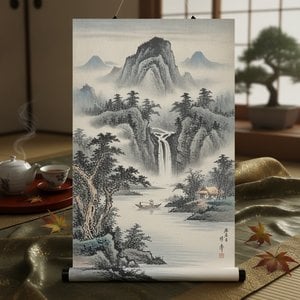
Serenity on Canvas: A Guide to the Timeless Beauty of Japanese Landscape Painting
Discover the serene beauty of Japanese landscape painting. From Hokusai's iconic woodblock prints to meditative sumi-e ink washes, explore a visual journey through the 'floating world' and learn how to bring this timeless Zen aesthetic into your modern home decor.

Japonisme: How Japanese Woodblock Prints Revolutionized Western Art
Explore the profound impact of Japonisme on Western art. Discover how Japanese ukiyo-e woodblock prints revolutionized perspective, color, and composition for masters like Monet and Van Gogh, forever changing the course of modern art history.

أعمال كاتسوشيكا هوكوساي الـ 25 الأكثر روعة: تحف فنية تزين منزلك بجمال اليابان
اكتشف 25 تحفة فنية آسرة لكاتسوشيكا هوكوساي، رائد فن الأوكييو-إي الياباني. موجة كاناغاوا وجبل فوجي وأكثر! استلهم ديكور منزلك بألوان مائية يابانية خالدة. تسوق لوحات هوكوساي عالية الجودة على ArtsDot.com.
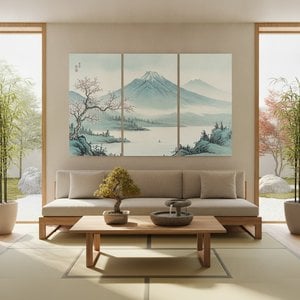
Serene Zen: Transforming Your New Home with the Timeless Elegance of Japanese Landscape Art
Transform your new home into a sanctuary of peace with stunning Japanese landscape art. Discover the beauty of Ukiyo-e and hand-painted Zen masterpieces designed to bring harmony and timeless elegance to your shared space. Expertly curated for modern lovers of fine art.