


تتبع الصورة اختياراتك: , .
وصف القطعة المقتناة
A hauntingly introspective watercolor by Austrian Expressionist Egon Schiele captures a moment of profound contemplation through bold lines and ethereal tones, inviting you to explore this masterpiece of raw emotion.
 عرض المزيد
السيرة الذاتية للفنان
اكتشف عالم إغون شيلي، الرائد التعبيري النمساوي! لوحاته الصادمة والمؤثرة تستكشف موضوعات الموت، والعزلة، والوجود الإنساني بأسلوب فريد. استمتع بنسخ يدوية رائعة لأعماله!
نسخة زيتية مرسومة يدوياً
لوحة زيتية مرسومة يدوياً على الكانفاس بالمقاس والإطار الذي تفضله، تُنفذ حسب الطلب على أيدي فنانينا. ( التبديل إلى نسخة مطبوعة الانتقال إلى الصورة الرقمية)
المزيد حول هذه اللوحة
 معاينة الحجم الواقعي
 مشاركة
 مشاركة
 التفاصيل
 دليل
دليل

 تحميل الملف
 قطع مشابهة
 الأشعة السينية
 عرض شرائح
 الأسئلة والأجوبة
 الإحصائيات
اطلب لوحتك في أربع خطوات بسيطة
خذ وقتك؛ يمكنك تغيير أي إجابة، حيث يتغير السعر في سلة طلبك بناءً على كل اختيار.
1 الخطوة الأولى من أصل أربع
أي حجم تود اختيار؟
تحافظ هذه المقاسات على أبعاد اللوحة الأصلية. ويُظهر الرسم التوضيحي اختيارك معروضاً على جدار، فوق أريكة بطول مترين.
أو أدخل مقاساتك الخاصة
اختر من بين أحجامنا المُعدّة مسبقاً والتي تتوافق مع النسب الأصلية للعمل الفني.

أدخل العرض والارتفاع اللذين تحتاجهما ليتناسب العمل مع إطارك أو جدارك. وبما أن هذه اللوحة مرسومة يدوياً، ففي حال اختيار مقاس بأبعاد مختلفة، يمكن للفنان رسم مساحة إضافية حول الصورة أو تقليصها قليلاً — الخيار لك. سنرسل لك نموذجاً رقمياً تجريبياً لاعتماده قبل البدء في الرسم. علماً بأن الصورة المعروضة في هذه الصفحة لا تعكس النتيجة النهائية الحقيقية، فالنموذج التجريبي هو الوحيد الذي يوضح ذلك بدقة.
2 الخطوة الثانية من أصل أربع
كيف تفضل استلامه: ملفوفاً، أم مشدوداً على إطار، أم مؤطراً؟
الأسعار أدناه هي للمقاس الذي اخترته في الخطوة الأولى.
اختر حواف اللوحة القماشية المشدودة
اختر إطارك

أبيض E£1

حواف ضبابية E£1

ممتد الحواف E£1

P118B E£10

P118H E£10

P118W E£10

P438Z E£10

P508JH E£12

P508YH E£12

P805H E£10

P805Z E£10

P919BZ E£10

P919G E£10

P919XJ E£10

P959ZH E£10

P968JZ E£12

W106C E£8

W218G E£10

W218JH E£8

W218Y E£10

W307PJ E£10

W316G E£10

W316PJ E£8

W316Y E£10

W398PJ E£8

W4111J E£10

W500HY E£15

W500JH E£15

W692G E£12

W849H E£8

W940BG E£15

W953PJ E£8

H24-GOLD E£30

H24-SILVER E£30

H36-GOLD E£45

H36-SILVER E£45
مؤطر
الإطار: . الحجم الإجمالي مع الإطار: .
3 الخطوة الثالثة من أصل أربع
هل تود إجراء أي تغييرات على اللوحة؟
تكون الإجابة "لا" لدى معظم الناس؛ فبما أن كل لوحة تُصنع يدوياً، يمكن لفناننا أيضاً تخصيصها لتناسب ذوقك.
بعد الطلب، سيقوم فريق ArtsDot.com بمراسلة العميل عبر البريد الإلكتروني للحصول على التعليمات وتزويده بمعاينة تجريبية للعمل
4 الخطوة الرابعة من أصل أربع خطوات
بعض خيارات اللمسات النهائية
جميعها اختيارية. الإجابات المختارة مسبقاً لا تترتب عليها أي تكاليف إضافية.
من رسمها؟
توصيل عالمي إلى خلال 3 إلى 4 أسابيع بدلاً من المدة المعتادة البالغة 5 أسابيع. (8 نوفمبر). جودة لا تهاون فيها.
لوحة تعريفية، تماماً كما في المتاحف؟
تفاصيل اللوحة البرونزية المحفورة
This elegant plaque features the artist's name and the title of the artwork, finely engraved for a timeless presentation.
It is made from bronze with a refined, elegant finish. The text is precisely laser-engraved for a sharp and permanent result. Measuring 9x2 cm, the plaque is compact yet easy to read. It's built to be durable and scratch-resistant, offering a professional, museum-quality look. Mounting is simple thanks to the included adhesive backing.
تفاصيل اللوحة الأكريليكية الشفافة
The plaque includes essential engraved details such as the artist's name, the title of the artwork, the date it was created, the type of media used-like oil on canvas or watercolor-a brief description of the piece, and a QR code that links to the complete artwork information.
It is crafted from clear acrylic, offering a sleek, modern appearance. The text is UV-engraved in black to ensure strong visual contrast. With a size of 10x15 cm, it ensures optimal readability. It comes equipped with two metal hooks for secure wall mounting. The plaque is designed to be weather-resistant, making it suitable for various environments, and it includes interactive features that work seamlessly with smartphone scanning.
تفاصيل اللوحة الأكريليكية السوداء
This elegant plaque includes engraved information such as the artist's name, the title of the artwork, the date it was created, the type of media used (like oil on canvas or watercolor), a short description of the artwork, and a QR code for quick access to more information.
The plaque itself is made from refined black acrylic with a premium finish. The text is laser-engraved in white for high contrast and readability. Its size is 10x15 cm, designed to be easy to read. It comes with two metal hooks for professional mounting. The design is sleek and fits any interior style. It is also weather-resistant and durable, with built-in digital integration for mobile compatibility.
ورنيش واقٍ؟
متى تحتاجها؟
✓ المراجعة والطلب
لوحتك، تماماً كما طلبتها

Self Portrait with Brown Background
خامة النسخة المطبوعة
مقاس النسخة المطبوعة
-

نخبة كبار الفنانين
مزيد من التفاصيل، والبراعة، ووقت إضافي للإنتاج
-

إطار النسخة المطبوعة
-
-
بالنسبة للأعمال الفنية أو النسخ المطبوعة التي يتجاوز طول أي من أضلاعها 105 سم (حوالي 41 بوصة)، سيتم شحن الإطار كمجموعة مفككة؛ حيث تضمن هذه الطريقة سلامة التوصيل وتمنع حدوث أي أضرار أثناء النقل.
يتطلب الأمر تجميعاً احترافياً - هذا المنتج ليس مخصصاً للتركيب الذاتي.
يجب تجميع المجموعة وشد القماش بواسطة فني إطارات محترف وخبير، باستخدام غراء الخشب (غير مرفق)، وكماشة شد القماش، وملاقط لتثبيت القضبان بشكل مستوٍ أثناء جفاف الغراء. إن التجميع غير الصحيح أو عدم توازن شد القماش قد يؤدي إلى تلف العمل الفني بشكل دائم، وهو أمر لا يغطيه الضمان الخاص بنا.
 بالنسبة للأعمال الفنية أو النسخ المطبوعة التي يتجاوز طول أي من أضلاعها 105 سم (حوالي 41 بوصة)، سيتم شحن الإطار كمجموعة مفككة؛ حيث تضمن هذه الطريقة سلامة التوصيل وتمنع حدوث أي أضرار أثناء النقل.
تتضمن المجموعة جميع القطع الخشبية الصلبة، والمقطعة بدقة لتناسب المقاسات المطلوبة.
يتم التجميع باستخدام البراغي المرفقة، بالإضافة إلى غراء الخشب للوصلات الزاوية، وهو غير مرفق ويجب توفيره من قبل فني التأطير الخاص بك.
تتطلب العملية استخدام أدوات احترافية غير مدرجة في المجموعة: مثل زرادية شد القماش (أداة شد) وملاقط لتثبيت القضبان بشكل مستوٍ أثناء جفاف الغراء.
تنبيه هام:
تتطلب الوصلات الزاوية استخدام غراء الخشب، كما يجب تثبيت القضبان باستخدام المشابك حتى يجف الغراء تماماً، ويتطلب شد القماش على الإطار المجمع استخدام كماشة شد القماش. لا تشتمل المجموعة على أي من هذه الأدوات؛ لذا يرجى التواصل مع فني تأطير محترف قبل طلب هذا المقاس.

بطاقة التعريف
-
-

ورنيش واقٍ
ورنيش لامع (يُبرز الألوان ويحمي من الضوء والرطوبة)
-

تخصيص عملي الفني
أمثلة على التعديلات المتاحة: استبدال الوجه بصورة العميل؛ إضافة حيوان أليف (مثل استبدال قطة بكلب)؛ إدراج رسالة مخفية في الخلفية؛ تغيير المناظر الطبيعية أو العناصر في الخلفية.
-

شحن سريع
توصيل عالمي إلى خلال 3-4 أسابيع بدلاً من المدة المعتادة البالغة 5 أسابيع. (8 نوفمبر). جودة لا تضاهى.
-
شحن سريع
توصيل عالمي إلى خلال 5 أسابيع. (15 نوفمبر).
مُضمَّن
إجمالي السعر النهائي
E£ 13776
خيار الزجاج متاح فقط للمقاسات التي تقل عن 110 سم
مرفق مع كل طلب
- شحن سريع ومجاني لجميع أنحاء العالم
- قماش كتان عالي الجودة
- تأمين شامل على الشحن
- ضمان استرداد الرسوم الجمركية
- ضمان مطابقة الألوان الحقيقية
- سياسة الإرجاع خلال 100 يوم (في حالات العيوب فقط)
- ضمان استرداد نقدي بنسبة 100%
- خصم عند طلب كميات


A Portrait of Introspection: Egon Schiele’s ‘Self Portrait with Brown Background’
Egon Schiele, an Austrian Expressionist painter born in 1890 in Tulln an der Donau, embarked on a life profoundly shaped by artistic passion and personal tragedy. His father succumbed to syphilis when he was just fourteen, leaving him grappling with grief and fostering within him a preoccupation with mortality—a theme that would permeate his oeuvre. Raised initially by his mother and later under the watchful eye of his uncle Leopold Czihaczek, Schiele’s childhood lacked conventional stability but nurtured an unwavering independence, evident even in his fascination with trains – a motif subtly recurring throughout his artistic explorations. Despite familial challenges, he cultivated exceptional drawing skills, defying expectations that prioritized practicality over creative pursuits. The untimely death of his sister Elvira further deepened the artist's emotional landscape, contributing to a sensitivity that would translate into powerfully evocative imagery.The Watercolor’s Delicate Embrace: Style and Technique
Schiele’s masterful use of watercolor distinguishes ‘Self Portrait with Brown Background’ as a cornerstone of Expressionist aesthetics. Unlike oil paints which offer rich textures and blending capabilities, watercolor allows for an ethereal quality—a luminosity that captures the immediacy of observation and conveys profound emotion. Schiele employed bold lines to delineate the contours of his figure and the background, creating a striking contrast between solidity and vulnerability. The artist’s brushstrokes are deliberate yet fluid, layering washes of color to build up tonal variations and imbue the painting with an atmospheric depth that transcends mere representation. This technique prioritizes capturing psychological states over photographic accuracy, aligning perfectly with Expressionist ideals.A Window into Schiele's Soul: Context and Significance
Painted in 1912, ‘Self Portrait with Brown Background’ resides within a pivotal moment in art history—the burgeoning Expressionist movement. Rejecting Impressionistic notions of objective perception, Expressionists sought to convey inner feelings and anxieties through distorted forms and jarring colors. Schiele's work reflects the broader cultural preoccupation with psychological exploration during this era, mirroring anxieties surrounding identity and existential uncertainty. The painting serves as a poignant self-examination, revealing Schiele’s own contemplation and confronting viewers with an unflinching gaze—a characteristic of his artistic vision that distinguishes him from many contemporaries. It exemplifies Expressionism's commitment to portraying the human condition with raw honesty and emotional intensity.Symbolic Resonance: The Brown Background and Its Implications
The choice of brown as a dominant color in the background is laden with symbolic significance. Often associated with earth, decay, and introspection, it underscores Schiele’s preoccupation with mortality—a central concern throughout his artistic output. The muted hue contrasts sharply with the woman's pale complexion, emphasizing her vulnerability and highlighting the psychological tension inherent in the portrait. Furthermore, the brown color can be interpreted as representing a subconscious awareness of darkness and shadow, mirroring the artist’s own internal struggles. It invites contemplation on themes of loss, transformation, and confronting one's inner demons—elements that resonate powerfully within the viewer’s experience.Emotional Impact: A Moment Frozen in Time
‘Self Portrait with Brown Background’ transcends mere visual depiction; it communicates a palpable sense of melancholy and quiet contemplation. Schiele’s gaze directs outwards, yet simultaneously conveys inwardness—a feeling of profound solitude and self-awareness. The painting's simplicity – combined with its masterful execution – compels viewers to confront uncomfortable truths about human existence. It remains an enduring testament to Schiele’s ability to distill complex emotions into a single image, securing its place as a seminal work within Expressionist art history and continuing to inspire admiration for its psychological depth and artistic brilliance.الأسئلة والأجوبة
ما هي الاستخدامات الموصى بها لنسخة مطبوعة من "Self Portrait with Brown Background" للفنان إغون شيله؟
يُنصح باستخدام نسخة مطبوعة من "Self Portrait with Brown Background" لغرض Accent.
ما مدى انتشار "Self Portrait with Brown Background" ضمن حركة Expressionism؟
تُصنف "Self Portrait with Brown Background" للفنان إغون شيله ضمن فئة Iconic وتنتمي إلى حركة Expressionism.
ما هي لوحة الألوان وما هو الشعور الذي يجسده "Self Portrait with Brown Background"؟
في "Self Portrait with Brown Background"، تضفي ألوان Neutrals شعوراً بـ Reflective.
أعمال فنية ذات صلة


إغون شيله
1890 - 1918, أوٽرېڊېش
السيرة الذاتية للفنان
حياة صيغت بالتعبير
وُلد إغون شيله عام 1890 في بلدة تولن آن دير دوناو النمساوية، وكانت حياته رحلة عاصفة اتسمت برؤية فنية استثنائية ومعاناة شخصية عميقة في آن واحد. خيمت ظلال المرض والفقد على سنواته الأولى؛ حيث فقد والده بعد صراعه مع مرض الزهري عندما كان إغون في الرابعة عشرة من عمره فقط، وهي مأساة ترددت أصداؤها بعمق في أعماله، مما غذى هوسه بالموت وهشاشة الوجود. نشأ في البداية تحت رعاية والدته، ثم تحت وصاية عمه ليوبولد تسيهاتشيك التي كانت تتسم ببعض السيطرة، فافتقرت طفولة شيله إلى الاستقرار التقليدي لكنها ولّدت روحاً مستقلة بشدة. حتى وهو صبي، أظهر شغفاً مكثفاً بالقطارات—وهو عنصر ظهر ببراعة في لوحاته اللاحقة—وموهبة ناشئة في الرسم، رغم أن هذا الشغف قوبل في البداية برفض والده الذي رآه تشتيتاً عن المساعي الأكثر عملية. كما ألقت الوفاة المبكرة لأخته إلفيرا بظلال طويلة على نفسية الفنان الشاب. هذه التجارزم التكوينية غرست فيه حساسية وخشونة عاطفية أصبحت سمات مميزة لتعبيره الفني، وصراعاً مستمراً مع موضوعات الحياة والموت والشرط الإنساني.
بوتقة فيينا: التطور الفني
بدأ تدريب شيله الفني الرسمي في مدرسة الفنون والحرف (Kunstgewerbeschule) في فيينا، لكنه سرعان ما وجد نفسه مقيداً بنهجها المحافظ. انتقل بعد ذلك إلى أكاديمية الفنون الجمعة (Akademie der bildenden Künste)، ليزداد شعوره بخيبة الأمل تجاه تقاليدها الأكاديمية الصارمة. قاده هذا الاستياء إلى التخلي عن التدريب الرسمي تماماً، واختار بدلاً من ذلك شق طريقه الخاص، في شهادة على قناعته الفنية الراسخة. كان تأثير غوستاف كليمت محورياً خلال هذه السنوات الأولى؛ فقد أعجب شيله بأسلوب كليمت الزخرفي واستكشافه للرمزية، بل وتلقى الإرشاد من هذا الفنان المرموق. ومع ذلك، سرعان ما ابتعد شيله عن جماليات كليمت، مطوراً صوتاً فردياً متميزاً يتسم بالصدق الصادم والحدة النفسية. شارك في تأسيس مجموعة فيينا الجديدة للفنون (Neues Wiener Kunstgruppe) عام 1909، منضوياً تحت لواء فنانين تقدميين آخرين تحدوا المعايير الفنية السائدة. بدأت أعماله الأولى، التي كانت غالباً بورتريهات وصوراً ذاتية مثيرة للقلق، تبرز كبيانات قوية عن الاضطراب العاطفي، مبرزةً أشكالاً مشوهة وإحساساً ملموساً بالضعف. لم تكن هذه اللوحات مجرد تمثيلات للشكل المادي، بل كانت استكشافات للمشهد الداخلي—للقلق والرغبات والمخاوف التي تطارد النفس البشرية. لقد سعى لتصوير ليس ما *رآه*، بل ما *شعر به*.
العاطفة الخام والحقيقة الجلية
يمكن التعرف على فن إغون شيله على الفور بفضل صدقه الخام وعمقه النفسي. فقد واجه بلا خوف موضوعات كانت تُعتبر غالباً من المحرمات—الجنس، الموت، القلق، والعزلة—بنظرة لا تعرف التراجع. يتميز أسلوبه الفريد بأشكال مستطيلة، ووضعيات ملتوية، وخطوط تعبيرية تنقل إحساساً بعدم الارتياح والحدة العاطفية. أصبح الشكل البشري، وخاصة العري، موضوعه الأساسي، ليس كعنصر للجمال المثالي بل كوسيلة لاستكشاف تعقيدات التجربة الإنسانية. وتشكل الصور الذاتية جزءاً كبيراً من نتاجه الفني، حيث تقدم لمحات حميمة عن عالمه الداخلي—العالم الذي اتسم غالباً بالوحدة والشك في الذات. لم يتردد في تصوير نفسه في وضعيات غير جذابة أو ضعيفة، كاشفاً عن مستوى عميق من الوعي الذاتي والتأمل الباطني. وإلى جانب الصور الذاتية، رسم شيله العديد من البورتريهات للآخرين، ملتقطاً ملامحهم بواقعية مقلقة يبدو أنها تخترق السطح. ورغم أن لوحاته الطبيعية كانت أقل مركزية في أعماله مقارنة بلوحاته التشخيصية، إلا أنها تظهر براعته في الشكل واللون، وغالباً ما تعكس نفس الحدة العاطفية الموجودة في بورتريهاته. ويعد استخدام الخط لافتاً بشكل خاص في أعمال شيله؛ فهو ليس مجرد أداة لتحديد الشكل بل قوة تعبيرية تنقل العاطفة والتوتر النفسي. كما أن الرموز المتكررة مثل نبات الفيزاليس—الذي يرمز للموت والزوال بغلافه الورقي الرقيق—تؤكد بشكل أكبر على هذا الانشغال بالموت.
إرث انقطع فجأة: الإنجازات والأهمية
على الرغم من مواجهته للرقابة والتحديات القانونية—بما في ذلك السجن لفترة قصيرة بتهمة إفساد القاصرين بفنه—نال شيله الاعتراف داخل دوائر الطليعة في فيينا. تحدت أعماله تقاليد عصره، مما أثار الإعجاب والاستياء في آن واحد. وبحلول وقت وفاته المبكر أثناء جائحة الإنفلونزا الإسبانية عام 1918 عن عمر ناهز ثمانية وعشرين عاماً، كان قد رسخ مكانته كشخصية رائدة في التعبيرية النمساوية. وتقف أعمال هامة مثل بورتريه ذاتي مع الفيزاليس، وزوج يحتضنان بعضهما، ومنظر طبيعي للحقل (كروزيبرج بالقرب من كروماو) كشواهد على عبقريته الفنية. إن تأثيره على الأجيال اللاحقة من الفنانين أمر لا يمكن إنكاره، خاصة أولئك المهتمين باستكشاف الموضوعات النفسية وتحدي المعايير الفنية التقليدية. ولا يزال نهج شيله الجريء في الشكل والموضوع يتردد صداه لدى الجمهور اليوم، مما يجعله أحد أهم الشخصيات وأكثرها تأثيراً في فن أوائل القرن العشرين. وتوجد لوحاته الآن في مجموعات المتاحف الكبرى حول العالم، بما في ذلك متحف ليوبولد في فيينا ومركز إغون شيله للفنون في تشيسكي كروملوف، مما يضمن استمرار إرثه الفني. لقد ترك وراءه نتاجاً فنياً ليس جذاباً جمالياً فحسب، بل هو إنساني بعمق—شهادة على قدرة الفن على مواجهة تعقيدات الوجود بالصدق والشجاعة والرؤية الثابتة.
- الموضوعات الرئيسية: الموت، الجنس، العزلة، الاضطراب النفسي.
- التأثيرات: غوستاف كليمت، الانفصال الفييناوي، الصدمات الشخصية.
- خصائص الأسلوب: أشكال مستطيلة، وضعيات ملتوية، خطوط تعبيرية، عاطفة خام.


مقالات ذات صلة
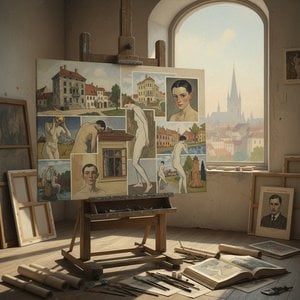
أعمال إيغون شيلي الخالدة: 25 تحفة فنية آسرة لتزيين منزلك
اكتشف 25 تحفة فنية لإيغون شيلي، رائد التعبيرية النمساوية. استكشف قصص لوحاته المؤثرة وتقنياته الفريدة وألوانه العاطفية. احصل على إعادة إنتاج عالية الجودة لديكور منزلك الفاخر على ArtsDot.com

Ephemeral Visions: Exploring the Artistic Legacy & Contemporary Practice of Watercolor Painting
Explore the captivating world of watercolor painting! Discover its rich history, essential techniques, influential artists & collecting tips. A comprehensive guide for art enthusiasts from ArtsDot.

Ephemeral Visions: Exploring the History & Emotional Resonance of Watercolor Painting
Explore the captivating history of watercolor painting, from ancient techniques to modern masters like Kandinsky & Blake. Discover essential artists, collecting tips & the emotional power of this luminous medium. Expert insights for art enthusiasts.