


 معاينة الحجم الواقعي
 إرسال
إرسال مشاركة
 عرض التفاصيل
 دليل الأعمال الفنية للطلاب

 تحميل
تحميل
 قطع مشابهة
 الأشعة السينية
 عرض شرائح متتابع
 الإحصائيات
Dancer (Die Tänzerin)
 Acrylic On Canvas
- WallArt
- Expressionism
 1913
1913- Modern
 47.0 x 30.0 cm
 اقرأ المزيد
طباعة جيلي / مطبوعات فنية
طباعة جيكلي أو كانفاس بجودة المتاحف، مع سرعة في التنفيذ وخيارات متنوعة للتشطيب. ( اطلب نسخة مرسومة يدويًا التحويل إلى الصورة الرقمية)




P118B E£10

P118H E£10

P118W E£10

P438Z E£10

P508JH E£12

P508YH E£12

P805H E£10

P805Z E£10

P919BZ E£10

P919G E£10

P919XJ E£10

P959ZH E£10

P968JZ E£12

W106C E£8

W218G E£10

W218JH E£8

W218Y E£10

W307PJ E£10

W316G E£10

W316PJ E£8

W316Y E£10

W398PJ E£8

W4111J E£10

W500HY E£15

W500JH E£15

W692G E£12

W849H E£8

W940BG E£15

W953PJ E£8




اختر من بين أحجامنا المُعدّة مسبقاً والتي تتوافق مع النسب الأصلية للعمل الفني.

أدخل العرض والارتفاع اللذين تحتاجهما، ليتناسب مع إطارك أو جدارك. يمكن قص المطبوعة فقط، ولا يمكن أبداً جعلها أكبر من الصورة الأصلية، لذا فإن أي مقاس بشكل مختلف سيؤدي إلى فقدان جزء من الصورة. سنرسل لك نموذجاً رقمياً تجريبياً لاعتماده قبل البدء في عملية الطباعة. الصورة المعروضة في هذه الصفحة لا توضح القص الفعلي — النموذج التجريبي فقط هو ما يظهر ذلك.
توصيل عالمي إلى خلال أسبوعين بدلاً من المدة القياسية البالغة 4/5 أسابيع. (21 أكتوبر)

شحن سريع ومجاني لجميع أنحاء العالم

قماش كتان فاخر

تأمين شامل على الشحن

ضمان استرداد الرسوم الجمركية

ضمان دقة مطابقة الألوان

سياسة الإرجاع خلال 100 يوم (في حالات العيوب فقط)

ضمان استرداد نقدي بنسبة 100%

عرض خصم الكميات
 خيار الزجاج متاح فقط للمقاسات التي تقل عن 110 سم

Dancer (Die Tänzerin)
طباعة جيلي / مطبوعات فنية
مقاس النسخة المطبوعة
-


إجمالي السعر
E£ 3201
Subject and Composition
This exquisite artwork captures a contemplative female figure seated in a moment of introspection, embodying vulnerability and serenity. The figure’s gentle posture, with her head resting on her knee and arms wrapped around her legs, invites viewers into an intimate emotional space. Rendered with delicate precision, the composition emphasizes the fluidity of the human form, drawing attention to the subtle gestures that convey inner thought and quiet dignity. The plain background ensures the focus remains solely on the figure, enhancing its emotional resonance and visual clarity.Style and Technique
Created in 1913, this piece exemplifies early 20th-century modernist tendencies, characterized by its minimalist yet expressive line work. The artist employs fine, continuous lines—likely ink or graphite—to define the contours and gestures of the figure, capturing her essence with elegant simplicity. Soft watercolor or pastel accents subtly highlight her hair and lips, adding warmth and a touch of life to the monochromatic drawing. This harmonious blend of drawing and light color creates a balanced aesthetic that emphasizes emotional depth over detailed realism, showcasing the artist’s mastery of line and form.Historical Context and Artistic Significance
Produced during a vibrant period of artistic experimentation in Vienna, this work reflects the modernist movement’s focus on individual expression and psychological depth. The early 20th century was a time of upheaval and innovation, with artists like Egon Schiele pushing boundaries to explore raw emotion and human vulnerability. This piece embodies those ideals, capturing not just a figure but an emotional state—solitude, reflection, and gentle melancholy—making it a poignant example of modernist portraiture. Its restrained color palette and minimalist approach align with the artistic explorations of the era, emphasizing the power of line and gesture.Symbolism and Emotional Impact
The seated pose and introspective expression symbolize themes of solitude, self-awareness, and inner contemplation. The subtle emotional tone invites viewers to reflect on their own moments of quiet reflection and vulnerability. The restrained use of color enhances the sense of intimacy, allowing the viewer to connect deeply with the figure’s internal world. This artwork’s grace and subtlety evoke a sense of dignity and resilience, making it a compelling piece that resonates emotionally and intellectually.Perfect for Collection and Interior Design
Ideal for art lovers, collectors, and interior designers seeking a sophisticated and emotionally charged piece, this artwork offers both aesthetic beauty and cultural depth. Its timeless style complements a variety of interior themes—from modern minimalism to classic elegance—adding a touch of introspective serenity to any space. Whether displayed in a private collection or a contemporary gallery, this work promises to inspire and captivate, serving as a focal point that invites ongoing reflection and admiration. A high-quality reproduction of this piece will bring the profound artistry of Egon Schiele into your environment, enriching your space with its quiet strength and artistic finesse.الأسئلة والأجوبة
إلى أي تيار فني تنتمي "Dancer (Die Tänzerin)" للفنان إغون شيله؟
إن الحركة الفنية المرتبطة بـ "Dancer (Die Tänzerin)" للفنان إغون شيله هي Expressionism. ويضع هذا التصنيف العمل ضمن مجموعة من الفنانين والأعمال الفنية ذات الصلة.
ماذا يصور "Dancer (Die Tänzerin)" للفنان إغون شيله؟
تتمثل موضوعات "Dancer (Die Tänzerin)" في line drawing, female figure, emotional expression, minimalist composition, introspective pose, subtle color accents, modernist style, contemplative mood.
ما مستوى التباين الذي يظهره "Dancer (Die Tänzerin)" للفنان إغون شيله؟
يُسجل التباين بين الضوء والظلال في "Dancer (Die Tänzerin)" بمستوى Serene. ويصف التباين مدى قوة الاختلاف بين المناطق الفاتحة والمظلمة.
أعمال فنية مشابهة


نبذة عن الفنان
حياة صيغت بالتعبير
وُلد إغون شيله عام 1890 في بلدة تولن آن دير دوناو النمساوية، وكانت حياته رحلة عاصفة اتسمت برؤية فنية استثنائية ومعاناة شخصية عميقة في آن واحد. خيمت ظلال المرض والفقد على سنواته الأولى؛ حيث فقد والده بعد صراعه مع مرض الزهري عندما كان إغون في الرابعة عشرة من عمره فقط، وهي مأساة ترددت أصداؤها بعمق في أعماله، مما غذى هوسه بالموت وهشاشة الوجود. نشأ في البداية تحت رعاية والدته، ثم تحت وصاية عمه ليوبولد تسيهاتشيك التي كانت تتسم ببعض السيطرة، فافتقرت طفولة شيله إلى الاستقرار التقليدي لكنها ولّدت روحاً مستقلة بشدة. حتى وهو صبي، أظهر شغفاً مكثفاً بالقطارات—وهو عنصر ظهر ببراعة في لوحاته اللاحقة—وموهبة ناشئة في الرسم، رغم أن هذا الشغف قوبل في البداية برفض والده الذي رآه تشتيتاً عن المساعي الأكثر عملية. كما ألقت الوفاة المبكرة لأخته إلفيرا بظلال طويلة على نفسية الفنان الشاب. هذه التجارزم التكوينية غرست فيه حساسية وخشونة عاطفية أصبحت سمات مميزة لتعبيره الفني، وصراعاً مستمراً مع موضوعات الحياة والموت والشرط الإنساني.
بوتقة فيينا: التطور الفني
بدأ تدريب شيله الفني الرسمي في مدرسة الفنون والحرف (Kunstgewerbeschule) في فيينا، لكنه سرعان ما وجد نفسه مقيداً بنهجها المحافظ. انتقل بعد ذلك إلى أكاديمية الفنون الجمعة (Akademie der bildenden Künste)، ليزداد شعوره بخيبة الأمل تجاه تقاليدها الأكاديمية الصارمة. قاده هذا الاستياء إلى التخلي عن التدريب الرسمي تماماً، واختار بدلاً من ذلك شق طريقه الخاص، في شهادة على قناعته الفنية الراسخة. كان تأثير غوستاف كليمت محورياً خلال هذه السنوات الأولى؛ فقد أعجب شيله بأسلوب كليمت الزخرفي واستكشافه للرمزية، بل وتلقى الإرشاد من هذا الفنان المرموق. ومع ذلك، سرعان ما ابتعد شيله عن جماليات كليمت، مطوراً صوتاً فردياً متميزاً يتسم بالصدق الصادم والحدة النفسية. شارك في تأسيس مجموعة فيينا الجديدة للفنون (Neues Wiener Kunstgruppe) عام 1909، منضوياً تحت لواء فنانين تقدميين آخرين تحدوا المعايير الفنية السائدة. بدأت أعماله الأولى، التي كانت غالباً بورتريهات وصوراً ذاتية مثيرة للقلق، تبرز كبيانات قوية عن الاضطراب العاطفي، مبرزةً أشكالاً مشوهة وإحساساً ملموساً بالضعف. لم تكن هذه اللوحات مجرد تمثيلات للشكل المادي، بل كانت استكشافات للمشهد الداخلي—للقلق والرغبات والمخاوف التي تطارد النفس البشرية. لقد سعى لتصوير ليس ما *رآه*، بل ما *شعر به*.
العاطفة الخام والحقيقة الجلية
يمكن التعرف على فن إغون شيله على الفور بفضل صدقه الخام وعمقه النفسي. فقد واجه بلا خوف موضوعات كانت تُعتبر غالباً من المحرمات—الجنس، الموت، القلق، والعزلة—بنظرة لا تعرف التراجع. يتميز أسلوبه الفريد بأشكال مستطيلة، ووضعيات ملتوية، وخطوط تعبيرية تنقل إحساساً بعدم الارتياح والحدة العاطفية. أصبح الشكل البشري، وخاصة العري، موضوعه الأساسي، ليس كعنصر للجمال المثالي بل كوسيلة لاستكشاف تعقيدات التجربة الإنسانية. وتشكل الصور الذاتية جزءاً كبيراً من نتاجه الفني، حيث تقدم لمحات حميمة عن عالمه الداخلي—العالم الذي اتسم غالباً بالوحدة والشك في الذات. لم يتردد في تصوير نفسه في وضعيات غير جذابة أو ضعيفة، كاشفاً عن مستوى عميق من الوعي الذاتي والتأمل الباطني. وإلى جانب الصور الذاتية، رسم شيله العديد من البورتريهات للآخرين، ملتقطاً ملامحهم بواقعية مقلقة يبدو أنها تخترق السطح. ورغم أن لوحاته الطبيعية كانت أقل مركزية في أعماله مقارنة بلوحاته التشخيصية، إلا أنها تظهر براعته في الشكل واللون، وغالباً ما تعكس نفس الحدة العاطفية الموجودة في بورتريهاته. ويعد استخدام الخط لافتاً بشكل خاص في أعمال شيله؛ فهو ليس مجرد أداة لتحديد الشكل بل قوة تعبيرية تنقل العاطفة والتوتر النفسي. كما أن الرموز المتكررة مثل نبات الفيزاليس—الذي يرمز للموت والزوال بغلافه الورقي الرقيق—تؤكد بشكل أكبر على هذا الانشغال بالموت.
إرث انقطع فجأة: الإنجازات والأهمية
على الرغم من مواجهته للرقابة والتحديات القانونية—بما في ذلك السجن لفترة قصيرة بتهمة إفساد القاصرين بفنه—نال شيله الاعتراف داخل دوائر الطليعة في فيينا. تحدت أعماله تقاليد عصره، مما أثار الإعجاب والاستياء في آن واحد. وبحلول وقت وفاته المبكر أثناء جائحة الإنفلونزا الإسبانية عام 1918 عن عمر ناهز ثمانية وعشرين عاماً، كان قد رسخ مكانته كشخصية رائدة في التعبيرية النمساوية. وتقف أعمال هامة مثل بورتريه ذاتي مع الفيزاليس، وزوج يحتضنان بعضهما، ومنظر طبيعي للحقل (كروزيبرج بالقرب من كروماو) كشواهد على عبقريته الفنية. إن تأثيره على الأجيال اللاحقة من الفنانين أمر لا يمكن إنكاره، خاصة أولئك المهتمين باستكشاف الموضوعات النفسية وتحدي المعايير الفنية التقليدية. ولا يزال نهج شيله الجريء في الشكل والموضوع يتردد صداه لدى الجمهور اليوم، مما يجعله أحد أهم الشخصيات وأكثرها تأثيراً في فن أوائل القرن العشرين. وتوجد لوحاته الآن في مجموعات المتاحف الكبرى حول العالم، بما في ذلك متحف ليوبولد في فيينا ومركز إغون شيله للفنون في تشيسكي كروملوف، مما يضمن استمرار إرثه الفني. لقد ترك وراءه نتاجاً فنياً ليس جذاباً جمالياً فحسب، بل هو إنساني بعمق—شهادة على قدرة الفن على مواجهة تعقيدات الوجود بالصدق والشجاعة والرؤية الثابتة.
- الموضوعات الرئيسية: الموت، الجنس، العزلة، الاضطراب النفسي.
- التأثيرات: غوستاف كليمت، الانفصال الفييناوي، الصدمات الشخصية.
- خصائص الأسلوب: أشكال مستطيلة، وضعيات ملتوية، خطوط تعبيرية، عاطفة خام.

إغون شيله
1890 - 1918 , أوٽرېڊېش
لمحة سريعة
- Artistic Movement Or Style: التعبيرية الفنية
- Artists Who Influenced This Artist:
- غُسْتَاف كْلِمْت
- مُعَلِّمٌ أَوْسْتْرِيَانِي
- Date Of Birth: ١٢ يونيو ١٨٩٠
- Date Of Death: ٣١ أكتوبر ١٩١٨
- Full Name: إِغُون شَيْلَة
- Nationality: أَوْسْتْرِيَانِي
- Notable Artworks: ['إِطْيَارَةٌ بِالْجِسْمَانِ وَالرُّوحِ"، "زَوْجٌ يَتَّضَمُّ"، "لَهَبَةُ الْأَرْضِ تَكْرِيمًا لِلْقُرْبَةِ']
- Place Of Birth: تۇلْن، أَوْسْتْرِيَا
مقالات ذات صلة
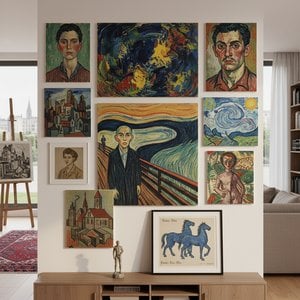
أعلى 10 روائع تعرّف على حركة التعبيرية الفنية | ArtsDot
اكتشف روائع التعبيرية الفنية! استكشف 10 لوحات أيقونية مع فان جوخ وموش، وأكثر. تعرف على تاريخ الفن، أساليب الفنانين، وابتكر ديكورًا فريدًا. احصل على إعادة إنتاج عالية الجودة من ArtsDot.com.

Egon Schiele: Expressionism, Anxiety & the Modern Condition – A Comprehensive Exploration
Explore the emotionally charged world of Egon Schiele (1890-1918). Discover his Expressionist masterpieces, psychological themes, and lasting impact on modern art. A comprehensive guide for collectors & enthusiasts.

The Dawn of Modernity: Artistic Responses to a Pivotal Year – 1913
Explore the revolutionary art of 1913 – a pivotal year for Modernism. Discover Cubist masterpieces, Russian Avant-Garde pioneers & key artists shaping a new era. Expert insights for discerning collectors.
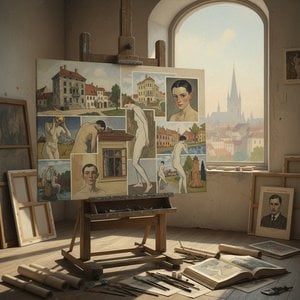
أعمال إيغون شيلي الخالدة: 25 تحفة فنية آسرة لتزيين منزلك
اكتشف 25 تحفة فنية لإيغون شيلي، رائد التعبيرية النمساوية. استكشف قصص لوحاته المؤثرة وتقنياته الفريدة وألوانه العاطفية. احصل على إعادة إنتاج عالية الجودة لديكور منزلك الفاخر على ArtsDot.com

Expressionist Painting: 10 Masterpieces That Defined a Movement | ArtsDot
Explore 10 Expressionist paintings that revolutionized art! Discover Munch, Kirchner & Kandinsky's iconic works. Find museum-quality reproductions and vibrant canvas prints to elevate your home decor on ArtsDot.com.


