


 معاينة الحجم الواقعي
 إرسال
إرسال مشاركة
 عرض التفاصيل
 دليل الأعمال الفنية للطلاب

 تحميل
تحميل
 قطع مشابهة
 الأشعة السينية
 عرض شرائح متتابع
 الإحصائيات
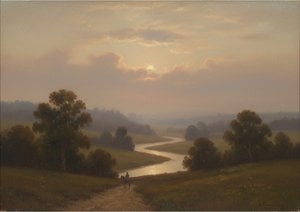
Moonlight
 Oil On Canvas
- WallArt
- Tonalist Landscape
 1887
1887 36.0 x 56.0 cm
 المتحف المتروبوليتاني للفنون
 اقرأ المزيد
طباعة جيلي / مطبوعات فنية
طباعة جيكلي أو كانفاس بجودة المتاحف، مع سرعة في التنفيذ وخيارات متنوعة للتشطيب. ( اطلب نسخة مرسومة يدويًا التحويل إلى الصورة الرقمية)




P118B E£10

P118H E£10

P118W E£10

P438Z E£10

P508JH E£12

P508YH E£12

P805H E£10

P805Z E£10

P919BZ E£10

P919G E£10

P919XJ E£10

P959ZH E£10

P968JZ E£12

W106C E£8

W218G E£10

W218JH E£8

W218Y E£10

W307PJ E£10

W316G E£10

W316PJ E£8

W316Y E£10

W398PJ E£8

W4111J E£10

W500HY E£15

W500JH E£15

W692G E£12

W849H E£8

W940BG E£15

W953PJ E£8




اختر من بين أحجامنا المُعدّة مسبقاً والتي تتوافق مع النسب الأصلية للعمل الفني.

أدخل العرض والارتفاع اللذين تحتاجهما، ليتناسب مع إطارك أو جدارك. يمكن قص المطبوعة فقط، ولا يمكن أبداً جعلها أكبر من الصورة الأصلية، لذا فإن أي مقاس بشكل مختلف سيؤدي إلى فقدان جزء من الصورة. سنرسل لك نموذجاً رقمياً تجريبياً لاعتماده قبل البدء في عملية الطباعة. الصورة المعروضة في هذه الصفحة لا توضح القص الفعلي — النموذج التجريبي فقط هو ما يظهر ذلك.
توصيل عالمي إلى خلال أسبوعين بدلاً من المدة القياسية البالغة 4/5 أسابيع. (23 أكتوبر)

شحن سريع ومجاني لجميع أنحاء العالم

قماش كتان فاخر

تأمين شامل على الشحن

ضمان استرداد الرسوم الجمركية

ضمان دقة مطابقة الألوان

سياسة الإرجاع خلال 100 يوم (في حالات العيوب فقط)

ضمان استرداد نقدي بنسبة 100%

عرض خصم الكميات
 خيار الزجاج متاح فقط للمقاسات التي تقل عن 110 سم

Moonlight
طباعة جيلي / مطبوعات فنية
مقاس النسخة المطبوعة
-


إجمالي السعر
E£ 3205
Moonlight: A Study in Tranquil Luminosity
Dwight William Tryon’s “Moonlight,” painted in 1887, isn't merely a depiction of a rural landscape; it’s an immersion into a profound sense of quietude and the evocative power of light. Born in Hartford, Connecticut, during a period when American art was grappling with its own identity, Tryon emerged from a childhood deeply rooted in the rhythms of rural life – a formative experience that would profoundly shape his artistic vision. He eschewed the prevailing trends of the time, choosing instead to embrace the principles of tonalism, a style characterized by subdued colors and atmospheric effects, prioritizing mood and emotion over precise representation. This decision led him away from the bright palettes and detailed renderings favored by many of his contemporaries, establishing “Moonlight” as a cornerstone of his distinctive oeuvre. The painting captures a serene nighttime scene – rolling hills bathed in the soft glow of the moon, punctuated by scattered trees and hinting at a distant farmhouse nestled within the landscape. It’s a scene that invites contemplation, a moment suspended between darkness and light, reality and dream.The Language of Tone: Technique and Composition
Tryon's mastery lies not in meticulous detail but in his skillful manipulation of tone – the subtle variations in value that create depth, form, and atmosphere. He achieves this through loose, expressive brushstrokes, layering washes of gray and white to build up the forms of the hills and trees. Notice how the darker tones recede into the distance, creating a convincing illusion of space and atmospheric perspective. The composition is deliberately horizontal, emphasizing the breadth of the landscape and drawing the eye across the scene. A carefully considered break in the treeline directs the viewer’s gaze towards the luminous center, where the moon hangs suspended in the sky. This strategic arrangement guides the viewer's eye through the painting, fostering a sense of peaceful exploration. The use of impasto – thick application of paint – adds textural interest to the foreground, grounding the scene and anchoring it within the viewer’s perception.Symbolism and the Nocturne
The symbolism embedded within “Moonlight” is rich and layered. Moonlight itself has long been associated with mystery, introspection, and tranquility—qualities Tryon expertly captures in this work. The muted palette reinforces these associations, creating a mood of quiet contemplation. The distant farmhouse suggests a sense of rural simplicity and connection to the land, while the scattered trees evoke a feeling of solitude and isolation. The painting’s overall effect is one of profound stillness – a moment frozen in time, inviting the viewer to step into its serene embrace. It's not simply a representation of a landscape; it’s an evocation of a state of being. The choice of a nighttime scene further amplifies this symbolism, suggesting a realm beyond the everyday, where thoughts and emotions can freely roam.Historical Context: Tonalism and American Identity
“Moonlight” emerged during a pivotal moment in American art history – the rise of tonalism in the late 19th century. Influenced by the Barbizon School painters of France, American tonalists sought to capture the essence of nature through subtle color gradations and atmospheric effects, rejecting the academic emphasis on realism and detailed representation. Tryon’s work exemplifies this movement perfectly, demonstrating a deep understanding of light and shadow and a commitment to expressing mood and emotion rather than simply depicting visual reality. His decision to focus on American landscapes—particularly those imbued with the quiet beauty of rural life—contributed to the development of a distinctly American artistic voice. The painting reflects a desire to capture the spirit of the nation, rooted in its connection to the land and its appreciation for simple pleasures.A Legacy of Tranquility: Reproductions and Interior Design
Today, “Moonlight” stands as a testament to Tryon’s artistic vision—a timeless masterpiece that continues to resonate with viewers across generations. High-quality reproductions capture the painting's subtle nuances and atmospheric depth, making it an ideal addition to any home or office space. The painting’s calming palette and evocative imagery create a sense of serenity and tranquility, transforming any room into a haven of peace. Consider incorporating “Moonlight” into your interior design scheme—perhaps above a fireplace or in a study—to infuse your surroundings with its quiet beauty and timeless appeal. Its enduring power lies not just in its aesthetic qualities but also in its ability to transport the viewer to a place of profound stillness and contemplation.الأسئلة والأجوبة
كيف يمتزج الوسيط والأسلوب في "Moonlight"؟
في "Moonlight"، تلتقي تقنية Oil On Canvas مع حركة Tonalist Landscape.
ما هي الاستخدامات المقترحة لـ "Moonlight" للفنان دوايت ويليام ترايون؟
يُنصح باستخدام نسخة مُعاد إنتاجها من "Moonlight" للفنان دوايت ويليام ترايون لغرض Mood؛ حيث يأتي هذا الاقتراح تماشياً مع موضوع العمل الفني وأجوائه وألوانه.
ما هي النبرة العاطفية التي تصاحب أسلوب Tonalist Landscape في عمل "Moonlight"؟
ضمن حركة Tonalist Landscape، تم تسجيل "Moonlight" بنبرة Tranquil.
أعمال فنية مشابهة


نبذة عن الفنان
البدايات الأولى والحياة المبكرة
انبثقت موهبة دوايت ويليام ترايون من قلب المناظر الطبيعية الهادئة في ولاية كونيتيكت عام 1849، حيث ولد في مدينة هارتفورد لوالديه أنسون ترايون وديلیا أو روبرتس. لم تكن طفولته خالية من الشجون، إذ ألقت وفاة والده المبكرة بظلالها على أيامه الأولى، مما قاده إلى نشأة تكوينية في مزرعة جده في إيست هارتفورد. وقد كان هذا الانغماس في حياة الريف نقطة تحول جوهرية، حيث غرس في وجدانه صلة عميقة بالطبيعة أصبحت فيما بعد السمة المميزة لرؤيته الفنية. ورغم افتقاره للتدريب الرسمي في البداية، إلا أن ميله الفطري نحو الفن ازدهر بشكل طبيعي؛ فمن خلال عمله في مكتبة محلية، لم يكن مجرد زبون بل كان باحثاً شغوفاً اكتشف بين رفوفها أدلة تعليمية أشعلت شرارة التعلم الذاتي لديه. ولم تقتصر استكشافاته المبكرة على الدراسة النظرية، بل قضى ساعات لا تحصى في رسم الريف المحيط به، محاولاً ترجمة الفروق الدقيقة للضوء والظل على الورق. وتوج هذا التفاني بأول عملية بيع لأعماله في عام 1870، تلتها معارض محلية كانت بمثابة إرهاصات لموهبة صاعدة نالت اعترافاً واسعاً بانضمامه إلى الأكاديمية الوطنية للتصميم في عام 1873.التأثيرات الأوروبية وصياغة الأسلوب الفني
مدفوعاً برغبة عارمة في التلقي الأكاديمي، انطلق ترايون في رحلة تحول تاريخية إلى فرنسا عام 1876، حيث درس تحت إشراف جاكسون دي لا شيفروز في مدرسة الفنون الجميلة (École des Beaux-لقب)، منغمساً في التيارات الفنية التي كانت تعج بها أوروبا آنذاك. ومع ذلك، تجاوزت رحلته التعليمية حدود القاعات الدراسية، إذ سعى للاسترشاد بعمالقة الفن مثل شارل فرانسوا دوبيني، وهنري هاربيني، وجان بابتيست أنطوان غيليم، ممتصاً تقنياتهم وفلسفاتهم الجمالية. في البداية، مال أسلوب ترايون نحو المدرسة "اللومينية" (Luminism)، التي تميزت بالتركيز على التأثيرات الجوية والضوء المتوهج، لكن مساره الفني سرعان ما اتخذ منحىً مغايراً، حيث انجذب إلى مبادئ مدرسة باربيزون؛ تلك الحركة التي أعطت الأولوية للملاحظة المباشرة للطبيعة واستخدام لوحة ألوان أكثر هدوءاً. ورغم وجوده وسط صخب الحركة الانطباعية الناشئة في فرنسا، ظل ترايون وفياً لجماليات مدرسة باربيزون، واجداً فيها صدىً أكبر لما يصبو إليه من أجواء تأملية وتصوير واقعي للعالم الطبيعي. وكان لجيمس مكنيل ويستلر تأثير بالغ الأهمية خلال هذه الفترة، حيث ترك أسلوبه "التونالي" (Tonalist) — الذي يركز على التناغم اللوني والتدرجات الرقيقة في النغمات — بصمة لا تُمحى في تطور ترايون الفني.الرعاية، التقدير، والإرث الخالد
شهد مسار مسيرة ترالون المهنية طفرة كبيرة بفضل علاقته مع تشارلز لانج فريير، المقتني البارع الذي أصبح أهم رعاته. فقد استحوذ فريير على عشرات من أعمال ترايون، بل وشارك الفنان في مشاريع التصميم الداخلي لمنزله في ديترويت. هذا الدعم السخي أتاح لترايون التفرغ الكامل لفنه، والعديد من هذه اللوحات تستقر الآن في معرض "فريير" المرموق كجزء من مؤسسة سميثسونيان. وتوالت النجاحات في عام 1908 عندما نال جائزة كارنيجي في معرض كارنيجي، مما رسخ مكانته بين كبار فناني عصره. وطوال مسيرته، كان ترايون عضواً فاعلاً في العديد من المنظمات الفنية المرموقة، بما في ذلك جمعية الفنانين الأمريكيين، والجمعية الأمريكية للألوان المائية، والمعهد الوطني للفنون والآداب. وفي عام 1887، أسس منزلاً صيفياً في ساوث دارتموث بماساشوستس، ليكون مقره الرئيسي فيما تبقى من حياته. كما كرس نفسه للتعليم، حيث درّس في كلية سميث من عام 1886 إلى 1923، وأسس خلالها معرض ترايون للفنون. رحل دوايت ويليام ترايون عن عالمنا في عام 1925، تاركاً وراءه إرثاً فنياً غنياً يتجلى في مساهمته في المدرسة التونالية الأمريكية وقدرته الاستثنائية على تجسيد المناظر الطبيعية والبحرية بلمسات لونية رقيقة وإحساس مرهف. ولا تزال أعماله تُحتفى بها وتُعرض في مجموعات بارزة مثل متحف سميثسونيان للفن الأمريكي ومعرض فريير، مما يضمن بقاء رؤيته الفنية حية عبر الأجيال.
دوايت ويليام ترايون
1849 - 1925 , الولايات المتحدة الأمريكية
لمحة سريعة
- أعمال فنية بارزة:
- مستنقع ملحي، ديسمبر
- الربيع
- أكوام قش نيوبيري تحت ضوء القمر
- الأوراق الأولى
- الاسم الكامل: دوايت ويليام ترايون
- الجنسية: أمريكي
- الحركة الفنية أو الأسلوب: التونالية، مدرسة باربيزون
- الفنانون أو الحركات المتأثرة بهذا الفنان: التونالية الأمريكية
- الفنانون الذين أثروا في هذا الفنان:
- ويسلر
- إينيس
- ويانت
- دوبيني
- هاربيني
- تاريخ الميلاد: 13 أغسطس 1849
- تاريخ الوفاة: 1 يوليو 1925
- مكان الميلاد: هارتفورد، الولايات المتحدة الأمريكية
مقالات ذات صلة

أفضل 25 لوحة لجون كونستابل: روعة الطبيعة الإنجليزية في ArtsDot
اكتشف روعة الطبيعة الإنجليزية مع أفضل 25 لوحة لجون كونستابل. قصص فنية آسرة وتقنيات زيتية فريدة في ArtsDot.com. اشترِ نسخًا عالية الجودة وديكور منزلي فاخر. استكشف المجموعة الكاملة الآن!

Grant Wood & American Regionalism: Identity, Myth & the Rural Landscape
Explore the world of Grant Wood & American Regionalism with ArtsDot. Discover the symbolism behind 'American Gothic', recurring themes, and the movement's lasting impact on art history. High-quality reproductions available.

Evocations of Place: A Historical Journey Through Landscape Art
Explore the rich history of landscape art with ArtsDot. Discover renowned artists, movements like Impressionism & Romanticism, and expert guidance for collecting timeless pieces. Find your perfect serene escape today!
Atmospheric Visions: Exploring Tonalism in American Painting
Explore the captivating world of American Tonalism! Discover its history, key artists like Whistler & Inness, techniques, and lasting influence on art. Expert insights for collectors & enthusiasts.

Cultivating Visions: A Historical Journey Through Rural Landscapes in Art
Explore the rich history of rural landscape painting with ArtsDot. Discover Impressionist masterpieces, key artists & movements. Find your perfect serene artwork and bring nature's beauty home.