


The picture follows your choices: , .
وصف القطعة المقتناة
Marvel at Donatello's iconic 'St. George' sculpture – a powerful marble depiction of the legendary knight from 1416, housed in Florence’s Bargello Museum. Witness Renaissance artistry and heroic storytelling.
 عرض المزيد
السيرة الذاتية للفنان
دوناتيلو (1386-1466): نحات فلورنسي من عصر النهضة المبكر. رائد النحت العاري المستقل مثل 'داود'، اشتهر بالواقعية التعبيرية والتأثير الكلاسيكي والتقنيات المبتكرة. استكشف روائعه وإرثه الفني.
نسخة زيتية مرسومة يدوياً
لوحة زيتية مرسومة يدوياً على الكانفاس بالمقاس والإطار الذي تفضله، تُنفذ حسب الطلب على أيدي فنانينا. ( التبديل إلى نسخة مطبوعة الانتقال إلى الصورة الرقمية)
More about this painting
 مشاركة
 مشاركة
 التفاصيل
 دليل
دليل

 تحميل الملف
 قطع مشابهة
 عرض شرائح
 Q&A
Q&A الإحصائيات
Order your painting in four simple steps
Take your time. You can change any answer; the price in your order card follows each choice.
1 Step one of four
Which size would you like?
These sizes keep the proportions of the original painting. The drawing shows your choice on a wall, above a two-metre sofa.
Or give your own measurements
اختر من بين أحجامنا المُعدّة مسبقاً والتي تتوافق مع النسب الأصلية للعمل الفني.

أدخل العرض والارتفاع اللذين تحتاجهما ليتناسب العمل مع إطارك أو جدارك. وبما أن هذه اللوحة مرسومة يدوياً، ففي حال اختيار مقاس بأبعاد مختلفة، يمكن للفنان رسم مساحة إضافية حول الصورة أو تقليصها قليلاً — الخيار لك. سنرسل لك نموذجاً رقمياً تجريبياً لاعتماده قبل البدء في الرسم. علماً بأن الصورة المعروضة في هذه الصفحة لا تعكس النتيجة النهائية الحقيقية، فالنموذج التجريبي هو الوحيد الذي يوضح ذلك بدقة.
2 Step two of four
How should it be prepared: rolled, stretched or framed?
The prices below are for the size you chose in step one.
Choose the edges of the stretched canvas
Choose your frame

White E£1

Blurside E£1

Extended E£1

P118B E£10

P118H E£10

P118W E£10

P438Z E£10

P508JH E£12

P508YH E£12

P805H E£10

P805Z E£10

P919BZ E£10

P919G E£10

P919XJ E£10

P959ZH E£10

P968JZ E£12

W106C E£8

W218G E£10

W218JH E£8

W218Y E£10

W307PJ E£10

W316G E£10

W316PJ E£8

W316Y E£10

W398PJ E£8

W4111J E£10

W500HY E£15

W500JH E£15

W692G E£12

W849H E£8

W940BG E£15

W953PJ E£8

H24-GOLD E£30

H24-SILVER E£30

H36-GOLD E£45

H36-SILVER E£45
مؤطر
Moulding: . Overall size with the frame: .
3 Step three of four
Would you like anything changed in the painting?
Most people answer no. Because each painting is made by hand, our artist can also adapt it for you.
After order, ArtsDot.com team will email client for instructions and provide a mockup preview
4 Step four of four
A few finishing options
All of them are optional. The answers already selected cost nothing extra.
Who paints it?
توصيل عالمي إلى خلال 3 إلى 4 أسابيع بدلاً من المدة المعتادة البالغة 5 أسابيع. (2 نوفمبر). جودة لا تهاون فيها.
A nameplate, as in a museum?
تفاصيل اللوحة البرونزية المحفورة
This elegant plaque features the artist's name and the title of the artwork, finely engraved for a timeless presentation.
It is made from bronze with a refined, elegant finish. The text is precisely laser-engraved for a sharp and permanent result. Measuring 9x2 cm, the plaque is compact yet easy to read. It's built to be durable and scratch-resistant, offering a professional, museum-quality look. Mounting is simple thanks to the included adhesive backing.
تفاصيل اللوحة الأكريليكية الشفافة
The plaque includes essential engraved details such as the artist's name, the title of the artwork, the date it was created, the type of media used-like oil on canvas or watercolor-a brief description of the piece, and a QR code that links to the complete artwork information.
It is crafted from clear acrylic, offering a sleek, modern appearance. The text is UV-engraved in black to ensure strong visual contrast. With a size of 10x15 cm, it ensures optimal readability. It comes equipped with two metal hooks for secure wall mounting. The plaque is designed to be weather-resistant, making it suitable for various environments, and it includes interactive features that work seamlessly with smartphone scanning.
تفاصيل اللوحة الأكريليكية السوداء
This elegant plaque includes engraved information such as the artist's name, the title of the artwork, the date it was created, the type of media used (like oil on canvas or watercolor), a short description of the artwork, and a QR code for quick access to more information.
The plaque itself is made from refined black acrylic with a premium finish. The text is laser-engraved in white for high contrast and readability. Its size is 10x15 cm, designed to be easy to read. It comes with two metal hooks for professional mounting. The design is sleek and fits any interior style. It is also weather-resistant and durable, with built-in digital integration for mobile compatibility.
A protective varnish?
When do you need it?
✓ Check and order
Your painting, as you ordered it

St George
خامة النسخة المطبوعة
مقاس النسخة المطبوعة
-

نخبة كبار الفنانين
مزيد من التفاصيل، والبراعة، ووقت إضافي للإنتاج
-

إطار النسخة المطبوعة
-
-
بالنسبة للأعمال الفنية أو النسخ المطبوعة التي يتجاوز طول أي من أضلاعها 105 سم (حوالي 41 بوصة)، سيتم شحن الإطار كمجموعة مفككة؛ حيث تضمن هذه الطريقة سلامة التوصيل وتمنع حدوث أي أضرار أثناء النقل.
يتطلب الأمر تجميعاً احترافياً - هذا المنتج ليس مخصصاً للتركيب الذاتي.
يجب تجميع المجموعة وشد القماش بواسطة فني إطارات محترف وخبير، باستخدام غراء الخشب (غير مرفق)، وكماشة شد القماش، وملاقط لتثبيت القضبان بشكل مستوٍ أثناء جفاف الغراء. إن التجميع غير الصحيح أو عدم توازن شد القماش قد يؤدي إلى تلف العمل الفني بشكل دائم، وهو أمر لا يغطيه الضمان الخاص بنا.
 بالنسبة للأعمال الفنية أو النسخ المطبوعة التي يتجاوز طول أي من أضلاعها 105 سم (حوالي 41 بوصة)، سيتم شحن الإطار كمجموعة مفككة؛ حيث تضمن هذه الطريقة سلامة التوصيل وتمنع حدوث أي أضرار أثناء النقل.
تتضمن المجموعة جميع القطع الخشبية الصلبة، والمقطعة بدقة لتناسب المقاسات المطلوبة.
يتم التجميع باستخدام البراغي المرفقة، بالإضافة إلى غراء الخشب للوصلات الزاوية، وهو غير مرفق ويجب توفيره من قبل فني التأطير الخاص بك.
تتطلب العملية استخدام أدوات احترافية غير مدرجة في المجموعة: مثل زرادية شد القماش (أداة شد) وملاقط لتثبيت القضبان بشكل مستوٍ أثناء جفاف الغراء.
تنبيه هام:
تتطلب الوصلات الزاوية استخدام غراء الخشب، كما يجب تثبيت القضبان باستخدام المشابك حتى يجف الغراء تماماً، ويتطلب شد القماش على الإطار المجمع استخدام كماشة شد القماش. لا تشتمل المجموعة على أي من هذه الأدوات؛ لذا يرجى التواصل مع فني تأطير محترف قبل طلب هذا المقاس.

بطاقة التعريف
-
-

ورنيش واقٍ
ورنيش لامع (يُبرز الألوان ويحمي من الضوء والرطوبة)
-

تخصيص عملي الفني
أمثلة على التعديلات المتاحة: استبدال الوجه بصورة العميل؛ إضافة حيوان أليف (مثل استبدال قطة بكلب)؛ إدراج رسالة مخفية في الخلفية؛ تغيير المناظر الطبيعية أو العناصر في الخلفية.
-

شحن سريع
توصيل عالمي إلى خلال 3-4 أسابيع بدلاً من المدة المعتادة البالغة 5 أسابيع. (2 نوفمبر). جودة لا تضاهى.
-
شحن سريع
توصيل عالمي إلى خلال 5 أسابيع. (9 نوفمبر).
مُضمَّن
إجمالي السعر النهائي
E£ 13756
خيار الزجاج متاح فقط للمقاسات التي تقل عن 110 سم
Included with every order
- شحن سريع ومجاني لجميع أنحاء العالم
- قماش كتان عالي الجودة
- تأمين شامل على الشحن
- ضمان استرداد الرسوم الجمركية
- ضمان مطابقة الألوان الحقيقية
- سياسة الإرجاع خلال 100 يوم (في حالات العيوب فقط)
- ضمان استرداد نقدي بنسبة 100%
- خصم عند طلب كميات


The Knight’s Valor: Donatello's St. George
Donatello’s “St. George,” sculpted in 1416 for the Museo Nazionale del Bargello in Florence, isn’t merely a depiction of a biblical hero; it’s a potent distillation of Renaissance ideals – courage, virtue, and the burgeoning humanist fascination with classical antiquity. This marble statue, standing proud within the museum's hallowed halls, immediately commands attention not just through its imposing scale but also through the remarkably lifelike quality of its subject. The sculpture captures St. George in the midst of his legendary triumph over the dragon, a scene brimming with dramatic tension and heroic resolve.
Donatello’s genius lies in his masterful manipulation of form and texture. He eschews the overly stylized representations common in earlier medieval art, opting instead for a remarkably naturalistic approach. The musculature of St. George is powerfully rendered, conveying both strength and vulnerability. Note the subtle creases in his armor, meticulously sculpted to suggest movement and the weight of battle. The folds of his cloak ripple with an almost palpable energy, mirroring the dragon’s fury. Donatello's use of *contrapposto*, a technique borrowed from classical Greek sculpture where the figure shifts its weight, creates a dynamic sense of balance and poise – a hallmark of Renaissance art.
A Synthesis of Faith and Classical Influence
The creation of “St. George” occurred during a pivotal moment in Florentine history—the early Renaissance. Florence was experiencing a renewed interest in the artistic and philosophical achievements of ancient Greece and Rome. Donatello, deeply influenced by this revival, sought to integrate classical principles into his work while simultaneously retaining a distinctly Christian subject matter. The statue’s composition – reminiscent of Roman portrait sculpture – is a testament to this dual influence. The heroic stance, the idealized physique, and the emphasis on individual character all echo the values celebrated in classical art.
Furthermore, St. George himself held significant symbolic weight for the Florentines. He was revered as a protector against evil, a symbol of Christian virtue battling pagan darkness. The dragon, often interpreted as representing sin or temptation, is vanquished not through brute force alone but through faith and righteous action – mirroring the broader Renaissance emphasis on moral strength and spiritual fortitude.
The Dragon’s Shadow and the Hero's Resolve
Donatello doesn’t shy away from depicting the brutality of the encounter. The dragon, rendered with a terrifying realism—its scales meticulously detailed, its eyes burning with malevolent intent—looms large in the background, casting a dramatic shadow over St. George. This visual contrast underscores the hero's struggle and highlights his unwavering commitment to his faith. The spear, held aloft by St. George, isn’t simply a weapon; it represents divine intervention and the triumph of good over evil.
Despite the intensity of the scene, “St. George” possesses an underlying sense of dignity and composure. The hero's gaze is direct and unwavering, conveying both determination and a quiet confidence in his mission. This combination of action and serenity elevates the sculpture beyond a mere historical narrative; it becomes a timeless meditation on courage, faith, and the enduring power of the human spirit.
A Timeless Masterpiece for Collectors and Designers
Reproductions of Donatello’s “St. George” offer an exceptional opportunity to bring this iconic Renaissance masterpiece into any setting. Whether adorning a grand salon or a more intimate space, its powerful presence and exquisite detail will undoubtedly captivate viewers. The sculpture's inherent symbolism continues to resonate today, reminding us of the timeless values of bravery, faith, and the pursuit of righteousness. Consider how the cool tones of the marble and the dynamic composition can complement a variety of interior design styles – from classic elegance to modern minimalism.
الأسئلة والأجوبة
ما هي التقنية المستخدمة في "St George" للفنان دوناتيلو؟
نُفذت لوحة "St George" باستخدام Marble.
هل يمكنني استخدام تقنية الواقع المعزز لرؤية "St George" للفنان دوناتيلو في غرفتي؟
يمكنك معاينة "St George" للفنان دوناتيلو على جدارك الخاص عبر صفحة معاينة بتقنية الواقع المعزز الخاصة بالعمل الفني، وذلك باستخدام تقنية الواقع المعزز على جهاز متوافق.
ما الذي يضفيه "St George" للفنان دوناتيلو على أجواء التصميم الداخلي؟
بأجوائه التي تتسم بـ Elegant، يُقترح وضع لوحة "St George" في Hotel Lobby.
أعمال فنية ذات صلة


دوناتيلو
1386 - 1466, إيطاليا
السيرة الذاتية للفنان
البدايات والمسيرة المهنية
دوناتو دي نيكولو دي بيتو باردي، الذي ذاع صيته باسم دوناتيلو، أبصر النور في مدينة فلورنسا الإيطالية حوالي عام 1386. انغمس في دراسة النحت الكلاسيكي، وهو ما ترك أثراً عميقاً في تشكيل أسلوبه الذي ميز عصر النهضة المبكر؛ حيث كان هذا النهج المبتكر في الفن والثقافة هو الحجر الأساس الذي قامت عليه نهضة فلورنسا العظيمة.أعمال خالدة وابتكارات فنية
تجلت عبقرية دوناتيلو في عمله الأكثر شهرة، تمثال "داود"، الذي يعد أول منحوتة برونزية كاملة لجسد عارٍ منذ العصور القديمة. هذا العمل، الذي جاء بتكليف من عائلة ميديتشي الشهيرة، عكس براعته التقنية وأسلوبه المتجدد. وتضم قائمة إبداعاته الأخرى أعمالاً لا تقل أهمية، منها:- القديس لويس في تولوز (الموجود حالياً في متحف بازيليكا سانتا كروتشي)، والذي تميز بإطار كلاسيكي صممه دوناتيلو بنفسه.
- تضحية إسحاق، التي أبدعها من أجل برج سانتا ماريا ديل فيور في فلورنسا، حيث برزت فيها تفاصيل البورتريه القوية والمؤثرة.
- تمثال المصلوب (1425) لكنيسة سانتا كروتشي، والذي جسد لحظات الألم والمعاناة في شخصية المسيح بكل واقعية.
الأسلوب الفني والإرث الخالد
يمكن تقسيم مسيرة دوناتيلو الفنية إلى مراحل واسعة، بدأت بتطوير القدرة على التعبير والضخامة الكلاسيكية. ورغم أن أعماله لم تلقَ قبولاً فورياً من المجتمع في بداياتها، إلا أنها سرعان ما أصبحت الأكثر شعبية، لتلقي بظلال تأثيرها على البلاطات الإيطالية الأخرى والفنانين الأوروبيين كافة. أبرز الحركات الفنية:الحياة الشخصية وأسلوب العمل
عُرف عن دوناتيلو خلقه الرفيع وودّه الذي جعل الجميع يحبونه، إلا أنه كان يفتقر إلى المهارة في إدارة الجانب التجاري لمسيرته المهنية؛ فقد كان يميل لقبول تكليفات تفوق قدرته على الإنجاز، مما يؤدي غالباً إلى تأخر تسليم الأعمال أو اضطراره لتفويض نحاتين آخرين لإتمامها. أعمال وفنانون بارزون:- ليوناردو دا فينشي: البشارة (تفاصيل)
- أميكو أسبرتيني: تمثال بان / الأسد الذي ينهش حصاناً
- ميكيلانجيلو بوناروتي: توندو بيت
المتاحف والمجموعات الفنية:
- متحف ديلا كوليجياتا (إمبولي، إيطاليا): جوهرة خفية من عصر النهضة، تضم أعمالاً لفرانشيسكو بوتيتشيني ورافاييل بوتيتشيني.
- حركة فن النهضة الإيطالية المبكرة
مقالات ذات صلة
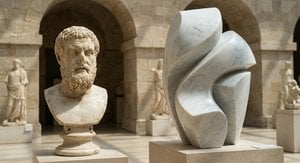
The Enduring Allure of Marble in Art History: From Classical Sculpture to Modern Abstraction
Explore the captivating history of marble sculpture from ancient Greece to modern art. Discover renowned artists like Canova & Michelangelo, carving techniques, and investment insights at ArtsDot.

Bronze Sculptures That Defined Art History | ArtsDot
Journey through art history with our Top 10 bronze sculptures! Explore masterpieces by Rodin, Michelangelo & more. Discover stories behind iconic statues and find museum-quality reproductions for your home decor at ArtsDot.com.

The Enduring Form: Exploring Themes & Techniques in Sculpture Across Historical Periods
Explore the rich history of sculpture from ancient masterpieces to contemporary innovations. Discover key techniques, influential artists & investment potential for discerning art collectors.