

 مشاركة
 مشاركة
 التفاصيل
 دليل
دليل

 تحميل الملف
 قطع مشابهة
 عرض شرائح
 الأسئلة والأجوبة
 الإحصائيات
Pulpit (on the right)

- 123.0 x 292.0 cm


 عرض المزيد
طباعة جيلي / مطبوعات فنية
طباعة جيكلي أو كانفاس بجودة المتاحف، مع سرعة في التنفيذ وخيارات متنوعة للتشطيب. ( شراء لوحة مرسومة يدويًا الانتقال إلى الصورة الرقمية)




































اختر من بين أحجامنا المُعدّة مسبقاً والتي تتوافق مع النسب الأصلية للعمل الفني.

أدخل العرض والارتفاع المطلوبين ليتناسب المقاس مع إطارك أو جدارك. يرجى الملاحظة أن المطبوعة يمكن قصها فقط ولا يمكن تكبيرها لتتجاوز أبعاد الصورة الأصلية، لذا فإن اختيار مقاس بأبعاد مختلفة سيؤدي إلى فقدان جزء من الصورة. سنرسل لك نموذجاً رقمياً تجريبياً لاعتماده قبل البدء في عملية الطباعة. الصورة المعروضة في هذه الصفحة لا توضح شكل القص الفعلي — النموذج التجريبي فقط هو ما يظهر ذلك بدقة.
توصيل عالمي إلى خلال أسبوعين بدلاً من المدة القياسية البالغة 4/5 أسابيع. (8 نوفمبر)

شحن سريع ومجاني لجميع أنحاء العالم

قماش كتان عالي الجودة

تأمين شامل على الشحن

ضمان استرداد الرسوم الجمركية

ضمان مطابقة الألوان الحقيقية

سياسة الإرجاع خلال 100 يوم (في حالات العيوب فقط)

ضمان استرداد نقدي بنسبة 100%

خصم عند طلب كميات
 خيار الزجاج متاح فقط للمقاسات التي تقل عن 110 سم

Pulpit (on the right)
طباعة جيلي / مطبوعات فنية
مقاس النسخة المطبوعة
-


إجمالي السعر النهائي
E£ 3300
A Final Masterpiece of Bronze and Spirit
In the hallowed, sun-drenched silence of the Basilica of San Lorenzo in Florence, there exists a sculptural marvel that captures the very essence of a soul nearing its earthly end. Donatello’s Resurrection Pulpit, specifically the right-hand structure completed in 1465, is far more than a liturgical platform; it is a profound meditation on the cycle of life, death, and rebirth. As one of the artist's final monumental achievements, this work serves as a poignant testament to a lifetime spent redefining the boundaries of sculpture. The pulpit does not merely sit within its sacred space; it commands it, offering a breathtaking synthesis of classical grandeur and an almost raw, human vulnerability that continues to stir the hearts of all who behold it.
The artistry on display is a masterclass in the lost-wax casting technique, a meticulous process where molten bronze is poured into intricate molds to capture every minute detail. Working alongside his talented pupils, Bertoldo and Bellano, Donatello achieved a level of surface texture that feels alive. The polished bronze surfaces catch the flickering candlelight of the basilica, creating a dynamic interplay of light and shadow that breathes movement into the static metal. This technical brilliance allows for an extraordinary depth of relief, where figures seem to emerge from the very substance of the pulpit, pulling the viewer into a tactile, three-dimensional narrative of divine intervention.
The Human Face of the Divine
While many Renaissance sculptors sought to present an idealized, untouchable perfection, Donatello’s genius lay in his commitment to psychological realism. In this pulpit, the transition from Gothic tradition to the Florentine Renaissance is palpable. The figures are not distant icons; they are imbued with a heavy, palpable emotion. One can sense the weight of sorrow, the tension of anticipation, and the quiet awe of the resurrection through subtle facial expressions and the deliberate, expressive gestures of the hands. This focus on the human condition aligns perfectly with the burgeoning humanist movement of the 15th century, which sought to find the divine within the nuances of human experience.
The symbolism embedded within the intricate carvings invites a deeper, more contemplative engagement. The pulpit acts as a bridge between the earthly and the celestial, utilizing classical proportions—inspired by the architectural innovations of Brunelleschi—to ground the spiritual subject matter in a sense of physical permanence. For the collector or the lover of fine art, owning a reproduction of such a piece is not merely about decorating a space; it is about introducing an element of historical gravity and intellectual depth into an interior. It provides a focal point that encourages reflection, making it an ideal centerpiece for those seeking to surround themselves with works that possess both aesthetic beauty and a profound, enduring narrative.
To bring a high-quality reproduction of this masterpiece into one's home is to invite the spirit of the Renaissance into the modern era. Whether placed in a curated gallery setting or as a sophisticated accent in a thoughtfully designed study, the pulpit’s complex textures and emotive power serve as a constant reminder of the enduring power of artistic vision. It remains a timeless icon of Florence, a sculptural poem written in bronze that continues to resonate with the universal themes of hope and transformation.
الأسئلة والأجوبة
هل ألوان "Pulpit (on the right)" زاهية أم خافتة؟
تتميز ألوان "Pulpit (on the right)" بدرجة تشبع تبلغ Muted وكثافة لونية تصل إلى Monochromatic.
إلى أي مرحلة من مسيرة دوناتيلو المهنية تنتمي لوحة "Pulpit (on the right)"، بالنظر إلى تاريخ إنتاجها؟
يعود تاريخ 1465 للوحة "Pulpit (on the right)"، مما يضعها ضمن مرحلة Mature Period من مسيرة تطور دوناتيلو.
هل تسمح حقوق الطبع والنشر لـ "Pulpit (on the right)" للفنان دوناتيلو بإعادة الإنتاج؟
إن الوضع القانوني لحقوق الطبع والنشر لعمل "Pulpit (on the right)" للفنان دوناتيلو واضح: فالعمل يندرج ضمن ملك عام - انتهت مدة حماية حقوق الطبع والنشر الخاصة به، ولا يغير وجوده في سان لورينزو من هذا الوضع شيئاً.


السيرة الذاتية للفنان
البدايات والمسيرة المهنية
دوناتو دي نيكولو دي بيتو باردي، الذي ذاع صيته باسم دوناتيلو، أبصر النور في مدينة فلورنسا الإيطالية حوالي عام 1386. انغمس في دراسة النحت الكلاسيكي، وهو ما ترك أثراً عميقاً في تشكيل أسلوبه الذي ميز عصر النهضة المبكر؛ حيث كان هذا النهج المبتكر في الفن والثقافة هو الحجر الأساس الذي قامت عليه نهضة فلورنسا العظيمة.أعمال خالدة وابتكارات فنية
تجلت عبقرية دوناتيلو في عمله الأكثر شهرة، تمثال "داود"، الذي يعد أول منحوتة برونزية كاملة لجسد عارٍ منذ العصور القديمة. هذا العمل، الذي جاء بتكليف من عائلة ميديتشي الشهيرة، عكس براعته التقنية وأسلوبه المتجدد. وتضم قائمة إبداعاته الأخرى أعمالاً لا تقل أهمية، منها:- القديس لويس في تولوز (الموجود حالياً في متحف بازيليكا سانتا كروتشي)، والذي تميز بإطار كلاسيكي صممه دوناتيلو بنفسه.
- تضحية إسحاق، التي أبدعها من أجل برج سانتا ماريا ديل فيور في فلورنسا، حيث برزت فيها تفاصيل البورتريه القوية والمؤثرة.
- تمثال المصلوب (1425) لكنيسة سانتا كروتشي، والذي جسد لحظات الألم والمعاناة في شخصية المسيح بكل واقعية.
الأسلوب الفني والإرث الخالد
يمكن تقسيم مسيرة دوناتيلو الفنية إلى مراحل واسعة، بدأت بتطوير القدرة على التعبير والضخامة الكلاسيكية. ورغم أن أعماله لم تلقَ قبولاً فورياً من المجتمع في بداياتها، إلا أنها سرعان ما أصبحت الأكثر شعبية، لتلقي بظلال تأثيرها على البلاطات الإيطالية الأخرى والفنانين الأوروبيين كافة. أبرز الحركات الفنية:الحياة الشخصية وأسلوب العمل
عُرف عن دوناتيلو خلقه الرفيع وودّه الذي جعل الجميع يحبونه، إلا أنه كان يفتقر إلى المهارة في إدارة الجانب التجاري لمسيرته المهنية؛ فقد كان يميل لقبول تكليفات تفوق قدرته على الإنجاز، مما يؤدي غالباً إلى تأخر تسليم الأعمال أو اضطراره لتفويض نحاتين آخرين لإتمامها. أعمال وفنانون بارزون:- ليوناردو دا فينشي: البشارة (تفاصيل)
- أميكو أسبرتيني: تمثال بان / الأسد الذي ينهش حصاناً
- ميكيلانجيلو بوناروتي: توندو بيت
المتاحف والمجموعات الفنية:
- متحف ديلا كوليجياتا (إمبولي، إيطاليا): جوهرة خفية من عصر النهضة، تضم أعمالاً لفرانشيسكو بوتيتشيني ورافاييل بوتيتشيني.
- حركة فن النهضة الإيطالية المبكرة

دوناتيلو
1386 - 1466 , إيطاليا
حقائق سريعة
- Artistic Movement Or Style: عصر النهضة المبكر
- Artists Or Movements Influenced By This Artist:
- عصر النهضة الإيطالي
- عصر النهضة المبكر
- نهضة فلورنسا
- Artists Who Influenced This Artist: ['النحت الكلاسيكي']
- Date Of Birth: حوالي 1386
- Date Of Death: 1466
- Full Name: دوناتيلو دي نيكولو
- Nationality: إيطالي
- Notable Artworks:
- داود
- القديس لويس التولوزي
- ذبح إسحاق
- المصلوب
- Place Of Birth: فلورنسا، إيطاليا
مقالات ذات صلة

Bronze Sculptures That Defined Art History | ArtsDot
Journey through art history with our Top 10 bronze sculptures! Explore masterpieces by Rodin, Michelangelo & more. Discover stories behind iconic statues and find museum-quality reproductions for your home decor at ArtsDot.com.

Bronze Age to Modern Masters: 10 Sculptures That Redefined Art | ArtsDot
Journey through art history with 10 legendary bronze sculptures – from Michelangelo's David to Rodin’s Thinker. Explore the stories, techniques & timeless beauty of these masterpieces. Find museum-quality reproductions & elevate your home decor on ArtsDot.com.

The Enduring Form: Sculpture Across History, Technique & Emotional Resonance
Explore the rich history of sculpture with ArtsDot. Discover key techniques, influential artists & investment potential for discerning collectors. Expert insights into valuing and collecting timeless masterpieces.

The Enduring Form: Exploring Themes & Techniques in Sculpture Across Historical Periods
Explore the rich history of sculpture from ancient masterpieces to contemporary innovations. Discover key techniques, influential artists & investment potential for discerning art collectors.
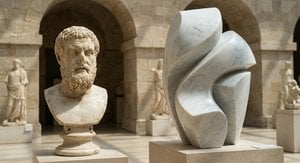
The Enduring Allure of Marble in Art History: From Classical Sculpture to Modern Abstraction
Explore the captivating history of marble sculpture from ancient Greece to modern art. Discover renowned artists like Canova & Michelangelo, carving techniques, and investment insights at ArtsDot.