

 معاينة الحجم الواقعي
 مشاركة
 مشاركة
 التفاصيل
 دليل
دليل

 تحميل الملف
 قطع مشابهة
 الأشعة السينية
 عرض شرائح
 الأسئلة والأجوبة
 الإحصائيات
Cantoria (detail)


 عرض المزيد
طباعة جيلي / مطبوعات فنية
طباعة جيكلي أو كانفاس بجودة المتاحف، مع سرعة في التنفيذ وخيارات متنوعة للتشطيب. ( شراء لوحة مرسومة يدويًا الانتقال إلى الصورة الرقمية)




P118B E£10

P118H E£10

P118W E£10

P438Z E£10

P508JH E£12

P508YH E£12

P805H E£10

P805Z E£10

P919BZ E£10

P919G E£10

P919XJ E£10

P959ZH E£10

P968JZ E£12

W106C E£8

W218G E£10

W218JH E£8

W218Y E£10

W307PJ E£10

W316G E£10

W316PJ E£8

W316Y E£10

W398PJ E£8

W4111J E£10

W500HY E£15

W500JH E£15

W692G E£12

W849H E£8

W940BG E£15

W953PJ E£8




اختر من بين أحجامنا المُعدّة مسبقاً والتي تتوافق مع النسب الأصلية للعمل الفني.

أدخل العرض والارتفاع المطلوبين ليتناسب المقاس مع إطارك أو جدارك. يرجى الملاحظة أن المطبوعة يمكن قصها فقط ولا يمكن تكبيرها لتتجاوز أبعاد الصورة الأصلية، لذا فإن اختيار مقاس بأبعاد مختلفة سيؤدي إلى فقدان جزء من الصورة. سنرسل لك نموذجاً رقمياً تجريبياً لاعتماده قبل البدء في عملية الطباعة. الصورة المعروضة في هذه الصفحة لا توضح شكل القص الفعلي — النموذج التجريبي فقط هو ما يظهر ذلك بدقة.
توصيل عالمي إلى خلال أسبوعين بدلاً من المدة القياسية البالغة 4/5 أسابيع. (4 نوفمبر)

شحن سريع ومجاني لجميع أنحاء العالم

قماش كتان عالي الجودة

تأمين شامل على الشحن

ضمان استرداد الرسوم الجمركية

ضمان مطابقة الألوان الحقيقية

سياسة الإرجاع خلال 100 يوم (في حالات العيوب فقط)

ضمان استرداد نقدي بنسبة 100%

خصم عند طلب كميات
 خيار الزجاج متاح فقط للمقاسات التي تقل عن 110 سم

Cantoria (detail)
طباعة جيلي / مطبوعات فنية
مقاس النسخة المطبوعة
-


إجمالي السعر النهائي
E£ 3302
The Echoes of Florence: Donatello’s Cantoria
Donatello's "Cantoria," a breathtaking detail from the larger marble relief adorning the south sacristy doors of the Duomo in Florence, isn’t merely a sculpture; it’s a vibrant snapshot of Renaissance exuberance and spiritual aspiration. Crafted between 1433 and 1439 during a pivotal moment in Florentine art history, this fragment captures the dynamism of a celestial choir – angels dancing with an almost ecstatic joy, their forms rendered with a masterful blend of classical restraint and intensely expressive emotion. The sheer scale of the original work—a monumental frieze spanning nearly sixty feet—is immediately apparent even in this detailed section, hinting at the grandeur and ambition of Cosimo de’ Medici, who commissioned it as a testament to his patronage of the arts.
The technique employed is nothing short of revolutionary for its time. Donatello masterfully utilized a complex layering of materials: gleaming white marble forms the foundation, punctuated by strategically placed glass paste – a shimmering, iridescent substance that catches and refracts light with astonishing effect – and lavish inlays of gold. These elements aren’t simply decorative; they contribute to an overall sense of ethereal beauty, elevating the scene beyond mere representation and into the realm of pure visual delight. The subtle gradations of color achieved through the manipulation of these materials create a remarkable depth and luminosity, drawing the viewer into the heart of this animated tableau.
A Symphony of Movement and Symbolism
What immediately strikes the eye is the sheer energy contained within the figures. Donatello abandons the static formality often associated with early Renaissance sculpture, opting instead for a dynamic choreography of movement. The angels aren’t posed; they *dance*, their limbs outstretched in graceful arcs, their faces alight with expressions ranging from joyous laughter to rapturous contemplation. This deliberate embrace of motion reflects the humanist ideals that were gaining momentum during this period – a shift towards celebrating earthly experience and human potential. The composition itself is carefully balanced, creating a sense of visual harmony while simultaneously conveying a feeling of unrestrained vitality.
Beyond the purely aesthetic, “Cantoria” is rich in symbolic meaning. The angels themselves represent the heavenly choir, singing praises to God. Their gestures – holding instruments, raising their hands in adoration – are direct references to biblical texts and musical traditions. The swirling patterns of their movement evoke a sense of divine harmony and the interconnectedness of all things. The inclusion of children amongst the angelic figures suggests innocence, purity, and the promise of eternal life—a potent message for a society grappling with questions of faith and morality.
Contextualizing a Florentine Masterpiece
To fully appreciate “Cantoria,” it’s crucial to understand its historical context. Donatello was a pivotal figure in the transition from the Gothic to the Renaissance style, rejecting the elongated figures and stylized poses of his predecessors in favor of a more naturalistic and emotionally charged approach. His work profoundly influenced subsequent generations of artists, including Michelangelo and Raphael. The Cantoria itself was intended for the Duomo’s sacristy doors, a space dedicated to prayer and reflection – a fitting setting for such a visually arresting and spiritually evocative artwork.
The commission by Cosimo de' Medici underscores the importance of patronage in shaping Florentine art during this era. The Medici family were avid collectors and supporters of the arts, playing a key role in fostering an environment where creativity could flourish. “Cantoria” stands as a testament to their commitment to beauty, innovation, and the celebration of human achievement – a legacy that continues to resonate today.
A Timeless Vision
Even in this detailed fragment, “Cantoria” retains its power to captivate and inspire. Donatello’s masterful use of light, color, and movement creates an immersive experience for the viewer, transporting them to the heart of Renaissance Florence. The sculpture's enduring appeal lies not only in its technical brilliance but also in its profound exploration of human emotion and spiritual aspiration – a timeless vision that continues to resonate with audiences centuries later. Reproductions offer a remarkable opportunity to bring this extraordinary artwork into your home or office, allowing you to experience the beauty and energy of Donatello’s masterpiece firsthand.
الأسئلة والأجوبة
ما هو اللون الطاغي على "Cantoria (detail)"؟
تطغى على "Cantoria (detail)" نغمة Ochre to Sepia.
ما هو اتجاه لوحة "Cantoria (detail)" للفنان دوناتيلو؟
تتميز لوحة "Cantoria (detail)" للفنان دوناتيلو بتكوين Landscape. ويُنصح بمراجعة الأبعاد قبل اختيار حجم الطباعة.
هل تُعدّ "Cantoria (detail)" للفنان دوناتيلو لوحةً فاتحة الألوان أم داكنة؟
تتمثل القيم المسجلة لـ "Cantoria (detail)" للفنان دوناتيلو في: سطوع بمقدار balanced، وإضاءة بمقدار Soft Shadow.


السيرة الذاتية للفنان
البدايات والمسيرة المهنية
دوناتو دي نيكولو دي بيتو باردي، الذي ذاع صيته باسم دوناتيلو، أبصر النور في مدينة فلورنسا الإيطالية حوالي عام 1386. انغمس في دراسة النحت الكلاسيكي، وهو ما ترك أثراً عميقاً في تشكيل أسلوبه الذي ميز عصر النهضة المبكر؛ حيث كان هذا النهج المبتكر في الفن والثقافة هو الحجر الأساس الذي قامت عليه نهضة فلورنسا العظيمة.أعمال خالدة وابتكارات فنية
تجلت عبقرية دوناتيلو في عمله الأكثر شهرة، تمثال "داود"، الذي يعد أول منحوتة برونزية كاملة لجسد عارٍ منذ العصور القديمة. هذا العمل، الذي جاء بتكليف من عائلة ميديتشي الشهيرة، عكس براعته التقنية وأسلوبه المتجدد. وتضم قائمة إبداعاته الأخرى أعمالاً لا تقل أهمية، منها:- القديس لويس في تولوز (الموجود حالياً في متحف بازيليكا سانتا كروتشي)، والذي تميز بإطار كلاسيكي صممه دوناتيلو بنفسه.
- تضحية إسحاق، التي أبدعها من أجل برج سانتا ماريا ديل فيور في فلورنسا، حيث برزت فيها تفاصيل البورتريه القوية والمؤثرة.
- تمثال المصلوب (1425) لكنيسة سانتا كروتشي، والذي جسد لحظات الألم والمعاناة في شخصية المسيح بكل واقعية.
الأسلوب الفني والإرث الخالد
يمكن تقسيم مسيرة دوناتيلو الفنية إلى مراحل واسعة، بدأت بتطوير القدرة على التعبير والضخامة الكلاسيكية. ورغم أن أعماله لم تلقَ قبولاً فورياً من المجتمع في بداياتها، إلا أنها سرعان ما أصبحت الأكثر شعبية، لتلقي بظلال تأثيرها على البلاطات الإيطالية الأخرى والفنانين الأوروبيين كافة. أبرز الحركات الفنية:الحياة الشخصية وأسلوب العمل
عُرف عن دوناتيلو خلقه الرفيع وودّه الذي جعل الجميع يحبونه، إلا أنه كان يفتقر إلى المهارة في إدارة الجانب التجاري لمسيرته المهنية؛ فقد كان يميل لقبول تكليفات تفوق قدرته على الإنجاز، مما يؤدي غالباً إلى تأخر تسليم الأعمال أو اضطراره لتفويض نحاتين آخرين لإتمامها. أعمال وفنانون بارزون:- ليوناردو دا فينشي: البشارة (تفاصيل)
- أميكو أسبرتيني: تمثال بان / الأسد الذي ينهش حصاناً
- ميكيلانجيلو بوناروتي: توندو بيت
المتاحف والمجموعات الفنية:
- متحف ديلا كوليجياتا (إمبولي، إيطاليا): جوهرة خفية من عصر النهضة، تضم أعمالاً لفرانشيسكو بوتيتشيني ورافاييل بوتيتشيني.
- حركة فن النهضة الإيطالية المبكرة

دوناتيلو
1386 - 1466 , إيطاليا
حقائق سريعة
- Artistic Movement Or Style: عصر النهضة المبكر
- Artists Or Movements Influenced By This Artist:
- عصر النهضة الإيطالي
- عصر النهضة المبكر
- نهضة فلورنسا
- Artists Who Influenced This Artist: ['النحت الكلاسيكي']
- Date Of Birth: حوالي 1386
- Date Of Death: 1466
- Full Name: دوناتيلو دي نيكولو
- Nationality: إيطالي
- Notable Artworks:
- داود
- القديس لويس التولوزي
- ذبح إسحاق
- المصلوب
- Place Of Birth: فلورنسا، إيطاليا
مقالات ذات صلة

Bronze Sculptures That Defined Art History | ArtsDot
Journey through art history with our Top 10 bronze sculptures! Explore masterpieces by Rodin, Michelangelo & more. Discover stories behind iconic statues and find museum-quality reproductions for your home decor at ArtsDot.com.

The Enduring Form: Sculpture Across History, Technique & Emotional Resonance
Explore the rich history of sculpture with ArtsDot. Discover key techniques, influential artists & investment potential for discerning collectors. Expert insights into valuing and collecting timeless masterpieces.

The Enduring Form: Exploring Themes & Techniques in Sculpture Across Historical Periods
Explore the rich history of sculpture from ancient masterpieces to contemporary innovations. Discover key techniques, influential artists & investment potential for discerning art collectors.

Bronze Age to Modern Masters: 10 Sculptures That Redefined Art | ArtsDot
Journey through art history with 10 legendary bronze sculptures – from Michelangelo's David to Rodin’s Thinker. Explore the stories, techniques & timeless beauty of these masterpieces. Find museum-quality reproductions & elevate your home decor on ArtsDot.com.
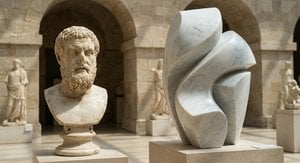
The Enduring Allure of Marble in Art History: From Classical Sculpture to Modern Abstraction
Explore the captivating history of marble sculpture from ancient Greece to modern art. Discover renowned artists like Canova & Michelangelo, carving techniques, and investment insights at ArtsDot.