
- الرئيسية

- طباعة على كانفاس
- كورنيليس فان بولينبورخ
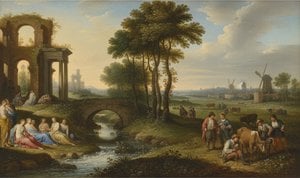
- Landscape with Diana and Callisto

 اطلب نسخة مرسومة يدوياً شراء الصورة بدقة عالية
 مشاركة
 مشاركة
 التفاصيل
 أضف إلى المفضلة

 تحميل الملف
 قطع مشابهة
 الأشعة السينية
 عرض شرائح
Landscape with Diana and Callisto
 Oil On Canvas
- WallArt
- Baroque
 54.0 x 82.0 cm
 متحف الإرميتاج
 عرض المزيد
طباعة جيلي / مطبوعات فنية
طباعة جيكلي أو كانفاس بجودة المتاحف، مع سرعة في التنفيذ وخيارات متنوعة للتشطيب.




P118B $10

P118H $10

P118W $10

P438Z $10

P508JH $12

P508YH $12

P805H $10

P805Z $10

P919BZ $10

P919G $10

P919XJ $10

P959ZH $10

P968JZ $12

W106C $8

W218G $10

W218JH $8

W218Y $10

W307PJ $10

W316G $10

W316PJ $8

W316Y $10

W398PJ $8

W4111J $10

W500HY $15

W500JH $15

W692G $12

W849H $8

W940BG $15

W953PJ $8




اختر من بين أحجامنا المُعدّة مسبقًا والتي تتطابق مع النسب الأصلية للعمل الفني.

يمكنك إدخال أبعادك الخاصة لتناسب إطاراً أو مساحة معينة. وإذا لم يتطابق الحجم الذي اخترته مع نسب الصورة الأصلية، فسنقوم إما بقص العمل الفني أو تمديد الصورة باستخدام حافة معكوسة أو بلون مصمت. سيتم إرسال نموذج تجريبي رقمي لاعتمادك قبل بدء الإنتاج.
يرجى ملاحظة أن المعاينة على الشاشة لا تعكس عملية القص أو التمديد الفعلية؛ حيث سيوضح النموذج التجريبي فقط التكوين النهائي بدقة.
وعلى الرغم من توفر أحجام مخصصة، إلا أننا نوصي باختيار أبعاد من القائمة المحددة مسبقاً للحفاظ على النسب الأصلية.
توصيل عالمي إلى خلال أسبوعين بدلاً من المدة القياسية البالغة 4/5 أسابيع. 2 يوليو

شحن سريع ومجاني لجميع أنحاء العالم

قماش كتان عالي الجودة

تأمين شحن شامل

ضمان استرداد الرسوم الجمركية

ضمان مطابقة الألوان الحقيقية

سياسة الإرجاع خلال 60 يومًا (في حالات العيوب فقط)

ضمان استرداد نقدي بنسبة 100%

خصم عند طلب عدة قطع
 خيار الزجاج متاح فقط للمقاسات التي تقل عن 110 سم

Landscape with Diana and Callisto
طباعة جيلي / مطبوعات فنية
مقاس النسخة المطبوعة
-


السعر الإجمالي النهائي
-
وصف القطعة الفنية
Landscape with Diana and Callisto – A Baroque Masterpiece
Cornelis van Poelenburch’s “Landscape with Diana and Callisto,” painted circa 1630, stands as a testament to the burgeoning artistic fervor of the Dutch Golden Age and embodies the stylistic hallmarks of its era. More than just a depiction of a serene Italian hillside—though undeniably inspired by the picturesque landscapes favored during van Poelenburch’s formative years in Rome—the painting delves into profound mythological themes, exploring notions of divine retribution and human vulnerability within a meticulously crafted visual framework.Composition and Technique: Embracing Dynamic Movement
The artwork's composition is remarkably balanced, prioritizing a central group of figures – Diana and Callisto – nestled amongst rocky outcrops that dominate the mid-ground. These figures are positioned strategically to draw the viewer’s gaze upwards towards a hazy horizon line, creating an illusion of depth that anchors the scene in its surroundings. Van Poelenburch skillfully employs linear perspective, subtly diminishing size as objects recede into the distance, reinforcing this sense of spatial realism. Furthermore, he utilizes layering and blending techniques with oil paint on canvas—a technique common for his time—to achieve smooth transitions between colors and tones. Visible brushstrokes contribute to textural richness, particularly in the depiction of foliage and rock surfaces, hinting at the artist’s dedication to capturing natural detail.Historical Context: Roman Influence and Mythological Narrative
Van Poelenburch's journey to Rome profoundly impacted his artistic sensibilities, aligning him with a cohort of painters who sought inspiration from classical traditions. Like many artists of his generation, he embraced the Italianate landscape style—characterized by idealized vistas populated by diminutive figures enacting biblical or mythological narratives—demonstrating an awareness of artistic precedents and a desire to elevate his work beyond mere topographical representation. The scene portrays Diana, goddess of the hunt, confronting Callisto, Zeus’s wife who was seduced by Jupiter and subsequently impregnated – a tale rife with symbolism concerning divine justice and mortal transgression.Symbolism: Reflections on Time and Divine Judgment
The inclusion of ruined architectural structures—likely Roman columns—adds another layer of significance to the composition. These remnants serve as visual reminders of past glories, symbolizing the inevitable decay of civilizations and prompting contemplation about mortality. The figures’ expressions convey a palpable sense of vulnerability alongside serene observation, suggesting an emotional resonance that transcends the narrative itself. Diana's gaze is directed towards Callisto, embodying divine scrutiny and hinting at the consequences of defying celestial law.Emotional Impact: Tranquility Amidst Dramatic Narrative
Ultimately, “Landscape with Diana and Callisto” succeeds in conveying a captivating blend of tranquility and drama. Despite the weighty mythological subject matter—the confrontation between goddess and mortal—the painting’s muted color palette and diffused lighting evoke a feeling of contemplative stillness. It invites viewers to immerse themselves in the beauty of the Italian landscape while simultaneously pondering the timeless themes of morality, retribution, and human experience – qualities that continue to resonate with audiences today.أعمال فنية ذات صلة


السيرة الذاتية للفنان
البدايات والنشأة الفنية
كورنيليس فان بولينبورغ، ذلك الرسام الهولندي البارز في فن المناظر الطبيعية، أبصر النور في مدينة أوتريخت بهولندا عام 1594. بدأت رحلته الإبداعية تحت إشراف المعلم أبراهام بلوميرت، الذي كان أحد أشهر فناني عصره، حيث وضعت هذه التدريبات التأسيسية اللبنات الأولى لنجاحات فان بولينبورغ المستقبلية المذهلة.المسيرة الفنية ومصادر الإلهام
لقد شكلت رحلات فان بولينبورغ إلى روما في أوائل القرن السابع عشر نقطة تحول جوهرية في مسيرته، مما جعله رائداً من الجيل الأول من رسامي المناظر الطبيعية الهولندs الذين نشطوا في إيطاليا. وقد تجلى أسلوبه الفريد في لوحاته ذات الحجم الصغير، والتي غالباً ما كانت تصور مناظر طبيعية مستوحاة من الطابع الإيطالي، حيث تتناغم فيها التفاصيل الدقيقة مع شخصيات صغيرة تجسد مشاهد توراتية أو أساطير قديمة. ومن أبرز أعماله الخالدة:- ساتير يتجسسون على الحوريات (بعد عام 1627)، وهي نموذج كلاسيكي لأعمال فان بولينبورغ، حيث تستعرض مناظر طبيعية عتيقة لشخصيات تسبح في الطبيعة. (شاهد العمل على ArtsDot)
- مجلس الآلهة (حوالي 1630)، وهي لوحة تستعرض المناظر التلية المثالية التي برع فيها فان بولينبورغ مع إلهات مستوحاة من العصر الروماني، وتُعرض الآن في متحف موريتشويس (لاهاي، هولندا). (شاهد العمل على ArtsDot)
الإرث والسنوات الأخيرة
حظيت أعمال فان بولينبورغ بتقدير رفيع من معاصريه، بما في ذلك دوق توسكانا الهولندي و"ستادهولدر" هولندا. وفي نهاية المطاف، عاد إلى مسقط رأسه أوتريخت، حيث فارق الحياة في عام 1667، بعد سنوات قليلة فقط من رحيل معلمه القديم أبراهام بلوميرت. نقاط جوهرية:- ولد في أوتريخت، هولندا عام 1594
- تدرب على يد أبراهام بلوميرت
- تأثر بعمق بفترته التي قضاها في روما
- اشتهر بلوحات المناظر الطبيعية الإيطالية الصغيرة المليئة بالشخصيات
- توفي في أوتريخت عام 1667 تصفح أعمال كورنيليس فان بولينبورغ الفنية على ArtsDot تعرف على المزيد حول كورنيليس فان بولينبورغ عبر ويكيبيديا

كورنيليس فان بولينبورخ
1594 - 1667 , هولندا
حقائق سريعة
- Artistic Movement Or Style: المناظر الطبيعية الهولندية، الطراز الروماني
- Artists Or Movements Influenced By This Artist: ['كلود لورين']
- Artists Who Influenced This Artist: ['أبراهام بلوميرت']
- Date Of Birth: 1594، أوتريخت، هولندا
- Date Of Death: 1667، أوتريخت، هولندا
- Full Name: كورنيليس فان بولينبورغ
- Nationality: هولندي
- Notable Artworks:
- الساتير يتجسسون على الحوريات
- مجلس الآلهة
- Place Of Birth: أوتريخت، هولندا
مقالات ذات صلة
Cornelis van Poelenburch: Bridging Mannerism & the Dutch Baroque Landscape
Discover Cornelis van Poelenburch, a pivotal Dutch Baroque landscape painter bridging Mannerism & Italianate styles. Explore his life, key works, and lasting influence on 17th-century art with ArtsDot.

The Dramatic Vista: Exploring Emotion, Power & Technique in Baroque Landscape Painting
Explore the dramatic power of Baroque landscape painting! Discover Rembrandt, Vermeer & Caravaggio's techniques, symbolism & lasting influence. Expert insights for art lovers & collectors at ArtsDot.

Victor Vasnetsov: Myth, Nationalism & the Revival of Russian Fairy Tale Painting
Explore the captivating world of Victor Vasnetsov, a co-founder of Russian folklorist painting. Discover his iconic works, influence on national identity, and lasting legacy in this expert guide.

Echoes of Olympus: Mythological Narratives in Western Art Through the Ages
Explore the captivating history of mythological narratives in Western art! From ancient Greece to modern masterpieces, discover iconic artworks & symbolism. Expert analysis and high-quality reproductions at ArtsDot.

The Visceral Stage: Exploring Dramatic Narratives & Emotional Intensity in Baroque Art
Explore the dramatic world of Baroque art! Discover iconic masters like Caravaggio & Rembrandt, their techniques, and the movement's lasting impact. Expert insights for collectors & enthusiasts at ArtsDot.

