


 معاينة الحجم الحقيقي
 مشاركة
 مشاركة
 التفاصيل
 الدليل

 تحميل الملف
 قطع مشابهة
 الأشعة السينية
 عرض شرائح
 الإحصائيات
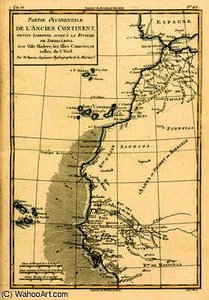
Tabula II Affricae


 عرض المزيد
نسخة زيتية مصنوعة يدوياً
لوحة زيتية مرسومة يدوياً على الكانفاس بالمقاس والإطار الذي تفضله، تُنفذ حسب الطلب على أيدي فنانينا. ( التحويل إلى المطبوعات الانتقال إلى الصورة الرقمية)




































اختر من بين أحجامنا المُعدّة مسبقًا والتي تتطابق مع النسب الأصلية للعمل الفني.

يمكنك إدخال أبعادك الخاصة لتناسب إطارًا معينًا أو مساحة محددة. وإذا لم يتطابق الحجم الذي اخترته مع نسب الصورة الأصلية، فسنقوم إما بقص العمل الفني أو توسيع اللوحة بإضافة عناصر مرسومة يدويًا. سيتم إرسال نموذج رقمي إليك للموافقة عليه قبل بدء الإنتاج.
يرجى ملاحظة أن المعاينة على الشاشة لا تعكس عملية القص أو التوسيع الفعلية؛ حيث إن النموذج الرقمي وحده هو الذي سيوضح التكوين النهائي بدقة.
وعلى الرغم من توفر أحجام مخصصة، إلا أننا نوصي باختيار أبعاد من القائمة المحددة مسبقًا للحفاظ على النسب الأصلية للعمل الفني.
بعد إتمام الطلب، سيرسل فريق ArtsDot.com بريداً إلكترونياً للعميل لطلب التعليمات وتزويده بمعاينة تجريبية (mockup).
توصيل عالمي إلى خلال 3 إلى 4 أسابيع بدلاً من المدة المعتادة البالغة 5 أسابيع. (23 سبتمبر). جودة لا تهاون فيها.

شحن سريع ومجاني لجميع أنحاء العالم

قماش كتان عالي الجودة

تأمين شحن شامل

ضمان استرداد الرسوم الجمركية

ضمان مطابقة الألوان الحقيقية

سياسة الإرجاع خلال 100 يوم (في حالات العيوب فقط)

ضمان استرداد نقدي بنسبة 100%

خصم عند طلب عدة قطع
 خيار الزجاج متاح فقط للمقاسات التي تقل عن 110 سم

Tabula II Affricae
خامة إعادة الإنتاج
مقاس النسخة المطبوعة
-


السعر الإجمالي النهائي
$ 263
أعمال فنية ذات صلة


السيرة الذاتية للفنان
A Titan of Antiquity: Claudio Ptolemy and the Shaping of Western Thought
Born around AD 100 in the ancient, lore-steeped environs of Canopus, Egypt, Claudio Ptolemy was far more than a mere mathematician; he was a monumental figure whose intellectual reach defined the scientific landscape of his era. Living during the twilight years of the Roman Empire, Ptolemy functioned as a bridge between the classical wisdom of antiquity and the burgeoning curiosity that would eventually ignite the Renaissance. His life’s work was not merely an academic pursuit but a profound attempt to decode the very language of the universe, creating a legacy that resonates through the centuries in both scientific treatises and the evocative beauty of historical cartography.
The brilliance of Ptolemy is most vividly captured in his role as the architect of celestial observation. Through his magnum opus, Almagest, he meticulously charted the movements of the planets using sophisticated geometric principles. By developing a geocentric model—a concept that placed Earth at the heart of the cosmos—he provided a framework for astronomical prediction that remained the undisputed authority for over 1,500 years. This was not a simple philosophical assertion but a complex mathematical achievement, utilizing intricate epicycles and deferents to account for the mysterious retrograde motion of planets. To gaze upon the celestial charts inspired by his work is to witness a moment in human history where mathematics and art danced in inseparable harmony, seeking to capture the divine order of the heavens.
Mapping the Known World: The Art of Geography
Beyond the reaches of the stars, Ptolemy revolutionized our understanding of the terrestrial realm through his monumental atlas, Geographia. In an age where maps often drifted into the territory of myth and legend, Ptolemy introduced a rigorous, mathematical approach to cartography. He consolidated vast amounts of knowledge from Greek, Egyptian, Roman, and Persian sources, utilizing mathematical projections to represent the contours of the Earth with unprecedented precision. His work transformed geography from a collection of narratives into a disciplined science of coordinates and projections.
The enduring impact of his cartographic vision can be seen in the exquisite reproductions of his maps that continue to captivate collectors today. These works, such as the Map of Asia or the detailed Tabula II Affricae, serve as breathtaking windows into a time when the boundaries of the known world were still being etched by scholars and dreamers. Each line and coastline in these historical pieces reflects a meticulous attention to detail, where the ruggedness of distant lands meets the delicate artistry of hand-colored parchment. For the modern observer, these maps are more than mere navigational tools; they are profound explorations of human curiosity and the eternal desire to chart the unknown.
A Lasting Legacy in Art and Science
The historical significance of Claudio Ptolemy extends far beyond the dusty pages of ancient textbooks. His influence acted as a foundational pillar for the scientific revolution, providing the very principles that later astronomers would eventually challenge and refine. Yet, his impact is equally felt in the realm of visual aesthetics. The precision of his mathematical models and the structured beauty of his maps deeply influenced Renaissance artists who sought to depict the natural world with both accuracy and grace.
Today, the works attributed to his legacy continue to inspire a sense of wonder. Whether through the sweeping curves of mysterious oceans in a World Map or the intricate settlements detailed in his African charts, Ptolemy’s spirit lives on. He remains a symbol of the human intellect's ability to impose order upon chaos, turning the vast, terrifying expanse of the cosmos and the earth into a structured, beautiful, and ultimately understandable masterpiece.

claudio ptolomeo
Egypt
حقائق سريعة
- Artistic Movement Or Style: Renaissance Art
- Artists Or Movements Influenced By This Artist: ['Euclid']
- Artists Who Influenced This Artist: ['Aristotle']
- Date Of Birth: c. AD 100
- Date Of Death: 160s/170s
- Full Name: Claudius Ptolemy
- Nationality: Greek
- Notable Artworks:
- Map of Asia
- Tabula II Affricae
- Place Of Birth: Canopus, Egypt
مقالات ذات صلة

Mohamed Amin: Capturing Postcolonial Africa's Spirit Through the Lens
Explore the life & work of Mohamed Amin, Kenya's pioneering photojournalist who captured Africa’s defining moments. Discover his impact on documentary and wildlife photography, from independence to the Ethiopian famine.
Marianne North's Masterpieces: 25 Botanical Paintings That Bloom With Adventure | ArtsDot
Journey through the vibrant world of Marianne North’s botanical paintings! Explore 25 iconic artworks from this Victorian artist, celebrating exotic flora & travel. Find museum-quality reproductions and curated decor ideas at ArtsDot.com.
تحويل صورك الرقمية إلى لوحات زيتية يدوية مع ضمان جودة متحف – احصل على نسخة فريدة بأسعار تنافسية
اكتشف فن إعادة إنتاج الصور الرقمية إلى لوحات زيتية يدوية مع ضمان جودة متحف. فنانين محترفين، أسعار تنافسية، خدمة عملاء موثوقة، ونسخ أصلية تضيف قيمة وإرثًا فنيًا لمنزلك.

Mapping Beauty: Transform Your Space with Stunning Topographical Artworks
Elevate your interiors with breathtaking topographical art. From vintage cartography to textured 3D reliefs, discover how hand-painted maps and historical landscapes can transform any room into a sophisticated sanctuary of discovery and timeless beauty.

أعمال إل جريكو الخالدة: 25 تحفة فنية تزين منزلك بجمال الأساطير
اكتشف 25 تحفة فنية لإل جريكو، رائد الفن الإسباني. استكشف قصص لوحاته الدينية والتاريخية الرائعة وأسلوبه الباروكي الفريد. احصل على نسخ عالية الجودة من أعمال إل جريكو لتزيين منزلك بأناقة وفخامة. اكتشف جميع الروائع على ArtsDot.com