


 معاينة الحجم الواقعي
 إرسال
إرسال مشاركة
 عرض التفاصيل
 دليل الأعمال الفنية للطلاب

 تحميل
تحميل
 قطع مشابهة
 الأشعة السينية
 عرض شرائح متتابع
 الإحصائيات
Weeping Willow


 اقرأ المزيد
نسخة زيتية مصنوعة يدوياً
لوحة زيتية مرسومة يدوياً على الكانفاس بالمقاس والإطار الذي تفضله، تُنفذ حسب الطلب على أيدي فنانينا. ( التبديل إلى المطبوعات التحويل إلى الصورة الرقمية)




P118B E£10

P118H E£10

P118W E£10

P438Z E£10

P508JH E£12

P508YH E£12

P805H E£10

P805Z E£10

P919BZ E£10

P919G E£10

P919XJ E£10

P959ZH E£10

P968JZ E£12

W106C E£8

W218G E£10

W218JH E£8

W218Y E£10

W307PJ E£10

W316G E£10

W316PJ E£8

W316Y E£10

W398PJ E£8

W4111J E£10

W500HY E£15

W500JH E£15

W692G E£12

W849H E£8

W940BG E£15

W953PJ E£8




اختر من بين أحجامنا المُعدّة مسبقاً والتي تتوافق مع النسب الأصلية للعمل الفني.

أدخل العرض والارتفاع اللذين تحتاجهما، ليتناسب العمل مع إطارك أو جدارك. وبما أن هذه اللوحة مرسومة يدوياً، ففي حال اختيار مقاس بشكل مختلف، يمكن للفنان رسم مساحة إضافية حول الصورة أو تقليصها قليلاً — الخيار لك. سنرسل لك نموذجاً رقمياً تجريبياً لاعتماده قبل البدء في الرسم. علماً بأن الصورة المعروضة في هذه الصفحة لا تعكس النتيجة النهائية الحقيقية — فالنموذج التجريبي هو الوحيد الذي يوضح ذلك بدقة.
بعد إتمام الطلب، سيرسل فريق ArtsDot.com بريداً إلكترونياً للعميل لطلب التعليمات وتزويده بمعاينة تجريبية (mockup).
توصيل عالمي إلى خلال 3 إلى 4 أسابيع بدلاً من المدة المعتادة البالغة 5 أسابيع. (22 أكتوبر). جودة لا تهاون فيها.

شحن سريع ومجاني لجميع أنحاء العالم

قماش كتان فاخر

تأمين شامل على الشحن

ضمان استرداد الرسوم الجمركية

ضمان دقة مطابقة الألوان

سياسة الإرجاع خلال 100 يوم (في حالات العيوب فقط)

ضمان استرداد نقدي بنسبة 100%

عرض خصم الكميات
 خيار الزجاج متاح فقط للمقاسات التي تقل عن 110 سم

Weeping Willow
وسيط إعادة الإنتاج
مقاس النسخة المطبوعة
-


إجمالي السعر
E£ 13523
A Silent Symphony of Sorrow and Resilience: Claude Monet’s Weeping Willow
Claude Monet's *Weeping Willow*, painted between 1918 and 1922, isn’t merely a botanical study; it’s a deeply felt meditation on loss, remembrance, and the enduring spirit of nature. Created during the tumultuous years following World War I, this series of paintings—primarily housed at the Musée Marmottan Monet in Paris—offers a poignant glimpse into the artist's emotional landscape as he grappled with personal grief and the collective sorrow of a nation. The subject itself – the graceful, drooping branches of a weeping willow tree – carries profound symbolic weight, instantly evoking themes of mourning, reflection, and ultimately, resilience. Monet’s masterful manipulation of light, color, and texture transforms this familiar image into something far more complex and emotionally resonant than a simple depiction of a tree; it becomes a visual poem about the passage of time and the quiet strength found in nature's constancy.Impressionism at its Most Intimate: Technique and Style
Monet’s approach to *Weeping Willow* is quintessential Impressionism, yet profoundly personal. He eschewed the rigid academic traditions of his predecessors, prioritizing direct observation and the fleeting effects of light and atmosphere above precise representation. The brushstrokes are loose, visible, and deliberately unblended – a hallmark of Monet's style—creating an almost shimmering surface that captures the dappled sunlight filtering through the willow’s foliage. He employed broken color, layering small strokes of pure pigment to build up tones and hues rather than mixing them on the palette. This technique allows for a remarkable luminosity, particularly evident in the vibrant greens and yellows that dominate many of the canvases. The composition itself is carefully considered; the tree often occupies nearly the entire frame, drawing the viewer into its melancholic embrace. Notably, Monet revisited this subject repeatedly over several years, each painting subtly evolving to reflect his changing emotional state and deepening understanding of light’s transformative power.A Reflection of a Troubled Time: Historical Context
The *Weeping Willow* series is inextricably linked to the aftermath of World War I. France was reeling from unimaginable loss, and Monet, like many others, felt the weight of this collective grief. The willow tree, with its association with mourning in various cultures—often planted near gravesites—became a potent symbol for him. However, it’s crucial to understand that Monet wasn't simply painting sorrow; he was also exploring themes of hope and renewal. The drooping branches can be interpreted as representing the sadness of loss, yet their continued presence speaks to the enduring power of nature to heal and regenerate. The paintings were created during a period of significant personal hardship for Monet himself, including declining eyesight and the loss of friends, adding layers of complexity to the work’s emotional resonance.Symbolism Beyond the Surface: Nature as Witness
Beyond its immediate depiction, *Weeping Willow* is rich in symbolic meaning. The willow tree itself represents adaptability, flexibility, and a quiet dignity in the face of adversity—qualities that resonated deeply with Monet during this period of upheaval. The water, often reflected in the paintings, adds another layer of symbolism, representing both sorrow (the reflection mirroring sadness) and potential for transformation. Furthermore, the series’ repetition – Monet returning to the same subject multiple times – underscores the cyclical nature of life, death, and rebirth. The willow becomes a silent witness to human history, enduring through generations while offering solace and contemplation.Bringing Monet's Vision Home: Hand-Painted Reproductions
ArtsDot offers exquisite hand-painted reproductions of Claude Monet’s *Weeping Willow*, meticulously crafted by our skilled artists using the finest archival materials. These aren’t simply prints; they are faithful interpretations of Monet’s original vision, capturing the luminosity, texture, and emotional depth of his masterpiece. Whether you're an art enthusiast, a collector seeking to expand your collection, or an interior designer looking for a touch of Impressionistic elegance, our reproductions provide a beautiful and authentic way to experience the enduring power of this iconic work. Explore the full range of *Weeping Willow* reproductions on ArtsDot.com and discover how you can bring Monet’s silent symphony into your home.الأسئلة والأجوبة
هل العمل "Weeping Willow" خالٍ من حقوق الطبع والنشر؟
فيما يتعلق بحقوق الطبع والنشر، فإن "Weeping Willow" تندرج ضمن ملك عام - انتهت مدة حماية حقوق الطبع والنشر الخاصة به.
هل تُعد "Weeping Willow" من الأعمال الشهيرة في حركة Impressionism؟
تُصنف "Weeping Willow" للفنان كلود مونيه ضمن فئة أيقوني وتنتمي إلى حركة Impressionism.
ما هي الوسائط المستخدمة في تنفيذ "Weeping Willow" للفنان كلود مونيه؟
استخدم كلود مونيه تقنية ألوان زيتية في عمل "Weeping Willow"، وتحدد هذه التقنية الطبيعة المادية للعمل الأصلي.
أعمال فنية مشابهة


نبذة عن الفنان
حياة غارقة في الضوء: عالم كلود مونيه
أوسكار كلود مونيه، الاسم الذي أصبح مرادفاً للمدرسة الانطباعية، لم يكن مجرد رسام للمناظر الطبيعية؛ بل كان مؤرخاً للحظات العابرة، وشاعراً للضوء واللون. وُلد في باريس في الرابع عشر من نوفمبر عام 1840، واتخذت حياته المبكرة مساراً غير متوقع عندما انتقلت عائلته إلى لو هافر بنورماندي وهو في الخامسة من عمره. ورغم أن والده كان يخطط له مستقبلاً تجارياً، إلا أن موهبة كلود الفنية الفطرية سرعان ما ظهرت للعلن، وتجلت أولاً في رسومات كاريكاتورية بالفحم بيعت محلياً – مما عكس مهارته وروح المبادرة لديه. ومع ذلك، كان لقاؤه مع يوجين بودان هو نقطة التحول الجوهرية؛ فلم يعلم بودان مونيه كيف يرسم فحسب، بل غرس في وجدانه الفكرة الثورية بالرسم en plein air—أي الرسم في الهواء الطلق مباشرة من قلب الطبيعة—وهي الممارسة التي ستحدد ملامح رحلته الفنية بأكملها.
بدأ تدريب مونيه الرسمي في باريس، لفترة وجيزة في الأكاديمية السويسرية ثم تحت إشراف شارل جليير. وفي هذه الأروقة، نسج صداقات دامت طويلاً مع فنانين مثل أوغست رينوار، وهي رابطة بنيت على خيبات أمل فنية مشتركة ورغبة جامحة في التحرر من قيود الرسم الأكاديمي التقليدي. وعلى الرغم من أن أعماله المبكرة أظهرت براعة تقنية، إلا أنها كانت تفتقر إلى تلك البصمة المميزة التي ستشكل هويته لاحقاً. ثم تلت ذلك فترة من الاضطرابات؛ حيث أجبرت الحرب الفرنسية البروسية مونيه على اللجوء إلى لندن، وهناك انغمس في دراسة أعمال أساتذة المناظر الطبيعية الإنجليز مثل جيه دبليو تي تيرنر، ممتصاً تأثيراتهم الجوية واستخدامهم المبتكر للألوان.
ميلاد ثورة جمالية
عند عودته إلى فرنسا، برز مونيه كشخصية محورية في تمرد فني متصاعد. وبسبب عدم رضاه عن المعايير المحافظة لـ "الصالون"، اتحد مع فنانين آخرين يشاركونه الرؤية لتنظيم معارض مستقلة. وقد شكل معرض عام 1874 لحظة فارقة، ليس لمونيه فحسب، بل لعالم الفن بأسره؛ ففي هذا المعرض عُرضت لوحته "انطباع، شروق الشمس" (Impression, soleil levant) – وهي تصوير ضبابي لميناء لو هافر عند الفجر – ومن عنوان هذه اللوحة اشتُق المصطلح الساخر "الانطباعية". ومع ذلك، التصق الاسم بالفنانين، وتحول إلى وسام شرف لحركة سعت لالتقاط الانطباع الذاتي للمشهد بدلاً من تمثيله بدقة واقعية.
ازدهر أسلوب مونيه المميز خلال هذه الفترة: ضربات فرشاة حرة وواضحة، وألوان نابضة بالحياة وغالباً غير ممزوجة توضع جنباً إلى جنب (وهي تقنية تُعرف بـ "اللون المكسور")، مع تركيز لا يتزعزع على التقاط الخصائص الزائلة للضوء. لقد سعى بلا كلل وراء ممارسة الرسم في الهواء الطلق، حيث كان يعمل بسرعة لتدوين تصوراته اللحظية قبل أن تغير الظروف المتغيرة ملامح المشهد. لم يكن هذا التفاني مجرد محاولة لتصوير ما يراه، بل كان تعبيراً عما يشعر به تجاه ذلك المشهد – في خروج جذري عن التقاليد الفنية السائدة.
جيفيرني: فردوس الضوء والانعكاس
في عام 1883، استقر مونيه في جيفيرني، شمال غرب باريس، حيث أسس منزلاً وحديقة أصبحتا ملاذه ومصدر إلهامه الأعظم. لقد حول تلك الملكية بدقة متناهية إلى فردوس غني، يضم زهوراً غريبة، وأشجار الصفصاف الباكية، والأهم من ذلك، بركة زنابق الماء التي يتوسطها جسر ياباني شهير. لم تكن هذه مجرد حديقة للزينة؛ بل كانت مختبراً حياً حيث استطاع مونيه دراسة تأثيرات الضوء على الماء، وأوراق الشجر، والانعكاسات في ظروف مدروسة.
وقد كرس العقود الأخيرة من حياته بالكامل لرسم بركة زنابق الماء في جيفيرني. وانطلق في سلسلة "زنابق الماء" (Nymphéas) الملحمية، مبتكراً لوحات ضخمة صورت سطح البركة كنسيج متغير باستمرار من الألوان والضوء. لم تكن هذه مجرد لوحات للزهور؛ بل كانت تجارب غامرة، صُممت لتغمر المشاهد في عالم من الجمال الهادئ والسكون التأملي. إن حجم هذه الأعمال يحبس الأنفاس، حيث دفع حدود الرسم التقليدي واستشرف ملامح التعبيرية التجريدية.
الإرث: أثر خالد في تاريخ الفن
إن تأثير كلود مونيه على تاريخ الفن لا يمكن قياسه. فهو لم يكن مجرد مؤسس للانطباعية، بل غير بشكل جذري الطريقة التي يدرك بها الفنانون العالم من حولهم ويمثلونه. إن تركيزه على التجربة الذاتية، وتبنيه للرسم في الهواء الطلق، وتقنياته المبتكرة، قد مهدت الطريق لاستكشاف الفن الحديث للتجريد والأشكال غير التمثيلية.
حقق مونيه نجاحاً تجارياً كبيراً خلال حياته – وهو أمر نادر للفنانين الطليعيين في عصره. ولا تزال أعماله تلهم الوجدان وتأسر الجماهير في جميع أنحاء العالم، مما يرسخ مكانته كواحد من أهم الشخصيات في الفن الغربي. رحل عن عالمنا في 5 ديسمبر 1926، تاركاً وراءه إرثاً يتردد صداه عبر أجيال من الفنانين وعشاق الفن على حد سواء. وتُحفظ مجموعات هامة من روائعه في مؤسسات مرموقة مثل متحف أورساي ومتحف مارموتان مونيه في باريس، مما يضمن أن تظل رؤيته تنير العالم.
التقنيات الفنية الرئيسية
- <الرسم في الهواء الطلق: ركيزة أساسية في تطوره، سمحت له بالملاحظة المباشرة للضوء والجو المحيط.
- <اللون المكسور: وضع ضربات صغيرة من اللون الصافي جنباً إلى جنب لتحقيق المزج البصري.
- <رسم السلاسل: تصوير نفس الموضوع تحت ظروف إضاءة وطقس مختلفة – لإظهار القوة التحويلية للزمن والضوء.

كلود مونيه
1840 - 1926 , فرنسا
لمحة سريعة
- أعمال فنية بارزة:
- انطباع، شروق الشمس
- زنابق الماء
- حزم القش
- كاتدرائية روان
- الاسم الكامل: كلود مونيه
- الجنسية: فرنسي
- الحركة الفنية: الانطباعية
- تاريخ الميلاد: 14 نوفمبر 1840
- حركات فنية تأثرت به: ['الفن الحديث']
- فنانون أثروا فيه:
- يوجين بودان
- ويليام ترنر
- مكان الميلاد: باريس، فرنسا
مقالات ذات صلة

أعمال كلود مونيه الخالدة: 25 تحفة فنية تزين منزلك بجمال الانطباعية
اكتشف 25 تحفة فنية لكلود مونيه، رائد الانطباعية. استكشف قصص لوحاته الخالدة وتقنياته الفريدة وألوانه الساحرة. احصل على نسخ عالية الجودة لديكور منزلك الفاخر على ArtsDot.com
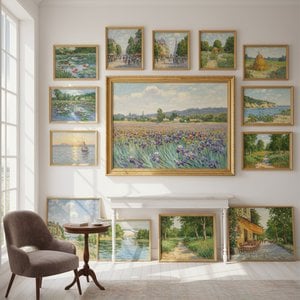
أعلى 10 لوحات طبعت "المشهد الانطباعي": رحلة فنية في عالم الفن الراقي و الديكور
اكتشفوا 10 روائع فنية رسمت "المشهد الانطباعي"! رحلة في عالم مونيه، رينوار و بيسار. استلهموا ألوان الطبيعة و تقنيات الفنانين. ديكور منزلي راقي و لوحات زيتية مميزة. تسوقوا أعمالًا فنية أصيلة على ArtsDot.com

Impressionistic Landscapes: 10 Masterpieces That Changed Art & Decor
Journey into the heart of Impressionism! Explore 10 masterpieces by Monet, Renoir & Degas that revolutionized landscape art. Discover their stories, techniques & find museum-quality reproductions to elevate your home decor on ArtsDot.com.

Impressionism's Masterpieces: 10 Paintings That Defined a Movement | ArtsDot
Journey through Impressionism's heart with 10 iconic paintings by Monet, Renoir & Degas. Explore light, color & the stories behind these masterpieces. Find museum-quality art reproductions and elevate your home decor on ArtsDot.com.

أعمال بول سيزان الخالدة: 25 تحفة فنية تزين منزلك بجمال الألوان والضوء
اكتشف 25 تحفة فنية لبول سيزان، رائد الانطباعية وما بعد الانطباعية. استكشف قصص لوحاته الزيتية الشهيرة وألوانه الجريئة وتقنياته الفريدة. احصل على إلهام لديكور منزلك الفاخر مع ArtsDot.com.


