

 معاينة الحجم الواقعي
 مشاركة
 مشاركة
 التفاصيل
 دليل
دليل

 تحميل الملف
 قطع مشابهة
 الأشعة السينية
 عرض شرائح
 الأسئلة والأجوبة
 الإحصائيات
Self Portrait


 عرض المزيد
طباعة جيلي / مطبوعات فنية
طباعة جيكلي أو كانفاس بجودة المتاحف، مع سرعة في التنفيذ وخيارات متنوعة للتشطيب. ( شراء لوحة مرسومة يدويًا الانتقال إلى الصورة الرقمية)




P118B E£10

P118H E£10

P118W E£10

P438Z E£10

P508JH E£12

P508YH E£12

P805H E£10

P805Z E£10

P919BZ E£10

P919G E£10

P919XJ E£10

P959ZH E£10

P968JZ E£12

W106C E£8

W218G E£10

W218JH E£8

W218Y E£10

W307PJ E£10

W316G E£10

W316PJ E£8

W316Y E£10

W398PJ E£8

W4111J E£10

W500HY E£15

W500JH E£15

W692G E£12

W849H E£8

W940BG E£15

W953PJ E£8




اختر من بين أحجامنا المُعدّة مسبقاً والتي تتوافق مع النسب الأصلية للعمل الفني.

أدخل العرض والارتفاع المطلوبين ليتناسب المقاس مع إطارك أو جدارك. يرجى الملاحظة أن المطبوعة يمكن قصها فقط ولا يمكن تكبيرها لتتجاوز أبعاد الصورة الأصلية، لذا فإن اختيار مقاس بأبعاد مختلفة سيؤدي إلى فقدان جزء من الصورة. سنرسل لك نموذجاً رقمياً تجريبياً لاعتماده قبل البدء في عملية الطباعة. الصورة المعروضة في هذه الصفحة لا توضح شكل القص الفعلي — النموذج التجريبي فقط هو ما يظهر ذلك بدقة.
توصيل عالمي إلى خلال أسبوعين بدلاً من المدة القياسية البالغة 4/5 أسابيع. (9 نوفمبر)

شحن سريع ومجاني لجميع أنحاء العالم

قماش كتان عالي الجودة

تأمين شامل على الشحن

ضمان استرداد الرسوم الجمركية

ضمان مطابقة الألوان الحقيقية

سياسة الإرجاع خلال 100 يوم (في حالات العيوب فقط)

ضمان استرداد نقدي بنسبة 100%

خصم عند طلب كميات
 خيار الزجاج متاح فقط للمقاسات التي تقل عن 110 سم

Self Portrait
طباعة جيلي / مطبوعات فنية
مقاس النسخة المطبوعة
-


إجمالي السعر النهائي
E£ 3306
Charles Willson Peale’s “The Artist in His Museum” – A Window into Early American Identity
Charles Willson Peale's 1822 self-portrait, "The Artist in His Museum," is far more than a simple depiction of an aging painter. It’s a meticulously constructed tableau vivant—a staged scene brimming with symbolism and offering a profound glimpse into the burgeoning identity of early America. Painted during a period of intense national formation, Peale sought to capture not just his own likeness but also the spirit of a nation striving to define itself through art, science, and a celebration of its natural heritage.
The painting immediately draws the eye with its dramatic lighting—a stark contrast between the deep crimson curtain concealing the museum’s interior and the softer illumination that highlights Peale's face. This theatrical effect wasn’t merely for aesthetic appeal; it served to elevate the artist, positioning him as a central figure within this carefully curated world. The composition is layered, inviting the viewer to explore multiple levels of meaning. In the foreground, we see Peale himself, his silver hair and thoughtful expression suggesting both wisdom and a touch of melancholy. He’s not simply posing; he's actively engaging with his surroundings, as if presenting them to an unseen audience.
A Cabinet of Curiosities: Symbolism and Natural History
Beyond Peale’s portrait lies the meticulously arranged collection within the museum—a veritable cabinet of curiosities that speaks volumes about the era's fascination with both the natural world and the pursuit of knowledge. A dead wild turkey, carefully taxidermied alongside Peale’s tools, represents a connection to American wilderness and a celebration of its bounty. Nearby, a majestic bald eagle, also preserved in meticulous detail, embodies national pride and the ideals of freedom. These specimens aren't merely decorative; they are tangible reminders of America’s unique natural resources and the burgeoning scientific spirit that sought to understand and classify them.
The inclusion of a paddlefish from the Allegheny River—a relatively obscure specimen—demonstrates Peale’s commitment to showcasing both familiar and exotic elements within his collection. Even more striking is the mastodon skeleton, a relic of a prehistoric past, symbolizing America's vastness and its place in the grand sweep of geological time. These objects weren’t simply displayed; they were presented as evidence of American progress—a testament to the nation’s ability to both preserve the past and embrace the future.
Neoclassical Portraiture and a Reflection on Time
Technically, “The Artist in His Museum” is a prime example of Neoclassical portraiture, characterized by its realistic representation and emphasis on capturing likeness. Peale employs smooth brushstrokes and subtle gradations of tone to create a sense of depth and volume, particularly in the rendering of his own face. The muted earth tones of the palette—dominated by browns, reds, and creams—lend the painting a dignified and contemplative mood. The inclusion of a partially visible paintbrush hints at Peale’s profession as a painter, further anchoring the scene within the realm of artistic creation.
However, the painting transcends mere portraiture. It's also a meditation on time and legacy. Peale, nearing eighty years old, is depicted not as a fading figure but as an active participant in his own museum—a guardian of knowledge and a symbol of American ingenuity. The scene suggests that art and science are inextricably linked, both serving to illuminate the human experience and preserve it for posterity.
A Legacy of Innovation and Artistic Vision
Charles Willson Peale’s “The Artist in His Museum” is more than just a painting; it's a microcosm of early America—a testament to the nation’s burgeoning identity, its embrace of scientific inquiry, and its celebration of artistic achievement. Peale’s vision extended beyond simply creating beautiful images; he sought to educate and inspire, establishing the Philadelphia Museum as one of the first American museums and laying the foundation for a new era of cultural exploration. Reproductions of this iconic work offer a captivating window into a pivotal moment in American history—a reminder that art can be both a reflection of our past and a vision of our future.
الأسئلة والأجوبة
من هو مؤلف "Self Portrait" وفي أي عام أُنتج؟
أبدع تشارلز ويلسون بيل لوحة "Self Portrait" في عام 1822.
ما هي التقنية المستخدمة في تنفيذ "Self Portrait" للفنان تشارلز ويلسون بيل؟
استخدم تشارلز ويلسون بيل تقنية Oil On Canvas في عمل "Self Portrait"، وهي التقنية التي تحدد الطبيعة المادية للعمل الأصلي.
كيف يتجلى التباين والانسجام في "Self Portrait"؟
يُظهر التحليل اللوني لـ "Self Portrait" للفنان تشارلز ويلسون بيل تباينًا Balanced وتناغمًا Strong Color Unity.
أعمال فنية ذات صلة


![The Procession To Calvary [detail] — بيتر بروجل الأكبر, Northern Mannerism](/media/artworks/images-thumb/cd/6e/cd6ed1a8a9ff3f207ad25305adfeb0f7.jpg)


السيرة الذاتية للفنان
حياة تشارلز ويلسون بيل: رحلة في الفن والعلوم والوطنية
- الميلاد: 15 أبريل 1741، تشيستر، مقاطعة كوين آنز، ماريلاند
- الوفاة: 22 فبراير 1827، فيلادلفيا، بنسلفانيا
البدايات الفنية والتدريب
- بدأت حياة بيل بصعوبات مالية بعد وفاة والده. تدرب كصانع سرج قبل أن يكتشف شغفه بالفن.
- تلقى تدريبه الأولي من جون هيسيليوس ودرس لفترة وجيزة مع جون سينغلتون كوبلي، مما أظهر موهبة مبكرة في فن البورتريه.
- شكلت فترة دراسته الحاسمة تحت إشراف بنجامين ويست في لندن (1767-1770) نقطة تحول في تطوره. كان لهذا التعرض للاتجاهات الفنية الأوروبية تأثير كبير على أسلوبه.
المسيرة الفنية والأعمال الرئيسية
- فن البورتريه: اشتهر بيل برسوماته الشخصية لشخصيات بارزة من الثورة الأمريكية، بما في ذلك العديد من صور جورج واشنطن (حوالي ستين صورة). تعتبر هذه البورتريهات وثائق تاريخية قيمة بالإضافة إلى إنجازاتها الفنية.
- الأسلوب: تطور أسلوبه بمرور الوقت، متأثرًا في البداية بمنهج ويست الكلاسيكي الجديد ولكن لاحقًا من خلال دمج عناصر الواقعية والرغبة في التقاط التشابه بدقة.
- الأعمال البارزة:
- جورج واشنطن (1772): مثّل بداية علاقته الطويلة مع واشنطن.
- مجموعة الدرج (حوالي 1795): مثال لافت على فن الخداع البصري، يصور ابنيه رافائيل وتيتيان كما لو كانا جزءًا من الإعداد المعماري.
المساعي العلمية ومتحف بيل الأمريكي
- كان بيل عالم طبيعة وعالِمًا شغوفًا، حيث قام بتنظيم بعثات لدراسة التاريخ الطبيعي.
- أسس متحف بيل الأمريكي في فيلادلفيا (1784)، وهو أحد أول المتاحف في الولايات المتحدة. استضاف المتحف عينات نباتية وبيولوجية وأثرية.
- لعب المتحف دورًا مهمًا في نشر العلوم والتعليم في أمريكا. كان معروفًا بشكل خاص بمعروضاته من عظام الماموث، التي تم الحصول عليها من خلال بعثة في عام 1801.
- علم نفسه التحنيط لحفظ العينات للمتحف، مما يدل على مهاراته المتنوعة.
الإرث والأهمية التاريخية
- يمثل عمل بيل حلقة وصل بين الفن والعلوم، ويعكس المثل العليا لعصر التنوير.
- توفر بورتريهاته سجلات مرئية لا تقدر بثمن للشخصيات الرئيسية في التاريخ الأمريكي.
- كان تأسيس متحف بيل الأمريكي جهدًا رائدًا ساعد في ترسيخ المتحف كمؤسسة مهمة للتعليم والاستكشاف العلمي.
- أثر على أجيال لاحقة من الفنانين والعلماء، مما ساهم بشكل كبير في تطور الثقافة الأمريكية.
- استمر إرث عائلته من خلال أبنائه، بما في ذلك جيمس بيل وروبنس بيل، اللذان أصبحا أيضًا فنانين بارزين وساهما في مجموعة المتحف.

تشارلز ويلسون بيل
1741 - 1827 , المملكة المتحدة
حقائق سريعة
- أعمال بارزة:
- جورج واشنطن
- مجموعة الدرج
- الاسم الكامل: تشارلز ويلسون بيل
- الجنسية: أمريكي
- الحركة الفنية: الرسم الكلاسيكي الجديد
- تاريخ الميلاد: 15 أبريل 1741
- تاريخ الوفاة: 22 فبراير 1827
- فنانون مؤثرون:
- جون هيسيليوس
- بنجامين ويست
- مكان الميلاد: تشيستر، المملكة المتحدة
مقالات ذات صلة

Charles Bird King: Capturing Native American Dignity Through Portraiture & Cultural Exchange
Explore the captivating portraits of Charles Bird King, renowned for his depictions of Native American leaders. Discover the historical context, artistic techniques, and collecting value of these significant 19th-century artworks.

Reflecting the Self: A History of Portraiture & Psychological Insight
Explore the fascinating history of self-portraiture from Renaissance masters like Dürer & Rembrandt to modern interpretations. Discover the psychological insights and artistic techniques behind these iconic works. Expert analysis for art enthusiasts.
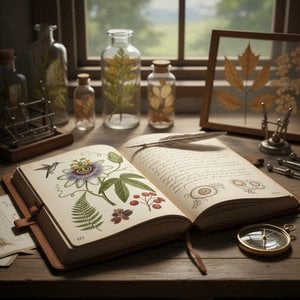
Titian Ramsay Peale II: A Legacy of Botanical Precision & Artistic Innovation
Explore the life & art of Titian Ramsay Peale II, a master of botanical precision and wildlife painting. Discover his legacy bridging art & natural history at ArtsDot.

Grant Wood & American Regionalism: Identity, Myth & the Rural Landscape
Explore the world of Grant Wood & American Regionalism with ArtsDot. Discover the symbolism behind 'American Gothic', recurring themes, and the movement's lasting impact on art history. High-quality reproductions available.

Charles Willson Peale: Portraiture, Enlightenment Ideals & Shaping American Identity
Explore the life & art of Charles Willson Peale – Revolutionary portraitist, scientist, and founder of America’s first museum. Discover his iconic paintings of Washington & the Enlightenment ideals that shaped a nation.