


 معاينة الحجم الواقعي
 إرسال
إرسال مشاركة
 عرض التفاصيل
 دليل الأعمال الفنية للطلاب

 تحميل
تحميل
 قطع مشابهة
 الأشعة السينية
 عرض شرائح متتابع
 الإحصائيات
Rolling Mill
 Acrylic On Canvas
- WallArt
- Romantic Industrialization
 1834
1834- 19th Century
 26.0 x 33.0 cm
 Nationalgalerie
 اقرأ المزيد
طباعة جيلي / مطبوعات فنية
طباعة جيكلي أو كانفاس بجودة المتاحف، مع سرعة في التنفيذ وخيارات متنوعة للتشطيب. ( اطلب نسخة مرسومة يدويًا التحويل إلى الصورة الرقمية)




P118B E£10

P118H E£10

P118W E£10

P438Z E£10

P508JH E£12

P508YH E£12

P805H E£10

P805Z E£10

P919BZ E£10

P919G E£10

P919XJ E£10

P959ZH E£10

P968JZ E£12

W106C E£8

W218G E£10

W218JH E£8

W218Y E£10

W307PJ E£10

W316G E£10

W316PJ E£8

W316Y E£10

W398PJ E£8

W4111J E£10

W500HY E£15

W500JH E£15

W692G E£12

W849H E£8

W940BG E£15

W953PJ E£8




اختر من بين أحجامنا المُعدّة مسبقاً والتي تتوافق مع النسب الأصلية للعمل الفني.

يمكنك إدخال أبعاد خاصة لتناسب إطاراً أو مساحة معينة. وفي حال عدم تطابق الحجم المختار مع نسب الصورة الأصلية، سنقوم إما بقص العمل الفني أو تمديد الصورة باستخدام حافة معكوسة أو لون مصمت. وسيتم إرسال نموذج تجريبي رقمي لاعتمادك قبل بدء عملية الإنتاج.
يرجى ملاحظة أن المعاينة على الشاشة لا تعكس عملية القص أو التمديد الفعلية؛ حيث سيوضح النموذج التجريبي فقط التكوين النهائي بدقة.
وعلى الرغم من توفر أحجام مخصصة، إلا أننا نوصي باختيار أبعاد من القائمة المحددة مسبقاً للحفاظ على النسب الأصلية.
توصيل عالمي إلى خلال أسبوعين بدلاً من المدة القياسية البالغة 4/5 أسابيع. (14 أكتوبر)

شحن سريع ومجاني لجميع أنحاء العالم

قماش كتان فاخر

تأمين شامل على الشحن

ضمان استرداد الرسوم الجمركية

ضمان دقة مطابقة الألوان

سياسة الإرجاع خلال 100 يوم (في حالات العيوب فقط)

ضمان استرداد نقدي بنسبة 100%

عرض خصم الكميات
 خيار الزجاج متاح فقط للمقاسات التي تقل عن 110 سم

Rolling Mill
طباعة جيلي / مطبوعات فنية
مقاس النسخة المطبوعة
-


إجمالي السعر
E£ 3211
The Weight of Progress: Carl Blechen’s “Rolling Mill”
Carl Blechen's "Rolling Mill" isn’t merely a depiction of a factory; it’s a profound meditation on the burgeoning industrial landscape of 19th-century Germany, rendered with a haunting beauty that belies its subject matter. Painted in 1834, this oil on canvas captures a pivotal moment – the rise of mechanized production and its complex relationship to the natural world. Blechen, a key figure in bridging Romanticism and early industrialization, eschews the idealized pastoral scenes favored by many of his contemporaries, instead confronting the gritty reality of factories like the Neustadt-Eberswalde Rolling Mill, one of the first metalworking plants in the Mark Brandenburg.
The painting immediately draws the eye to a vast, imposing structure dominated by towering smokestacks and the rhythmic clang of machinery. Blechen masterfully employs atmospheric perspective – a technique borrowed from the Italian masters he admired – to create a sense of depth and scale. The distant hills are rendered in muted blues and purples, contrasting sharply with the darker tones of the mill itself. This deliberate juxtaposition highlights the encroachment of industry upon the serene beauty of the countryside, suggesting a fundamental shift in the relationship between humanity and nature.
A Romantic Encounter with Industry
Blechen’s approach to industrial subject matter is remarkably nuanced. He doesn't present the factory as a symbol of progress or triumph; rather, he imbues it with a melancholic quality. The scene is populated by figures – a solitary angler casting his line into the Finow Canal and two fishermen hauling in their nets – who seem almost oblivious to the industrial activity unfolding behind them. These individuals represent a traditional way of life, seemingly untouched by the forces of modernization. Their presence serves as a poignant reminder of what’s being lost in the relentless march forward.
The painting's composition is carefully orchestrated to evoke a sense of unease and contemplation. The dominant verticality of the mill contrasts with the horizontal lines of the river, creating a visual tension that mirrors the conflict between tradition and innovation. Blechen’s use of light and shadow further enhances this effect, casting long, dramatic shadows across the landscape and emphasizing the imposing scale of the factory.
Technique and Symbolism
Blechen's technical skill is evident in his meticulous attention to detail – from the intricate patterns of the machinery to the subtle variations in color and texture. He employs a loose, expressive brushstroke that captures the dynamism of the scene while maintaining a sense of atmospheric depth. The painting’s palette is dominated by earthy tones—browns, grays, and ochres—which contribute to its somber mood. The smoke billowing from the chimneys isn't simply a visual element; it symbolizes the pollution and environmental degradation associated with industrialization – a subtle but powerful critique of the era.
Interestingly, Blechen’s work predates many later Romantic depictions of industry, making it a remarkably prescient commentary on the social and environmental consequences of rapid technological advancement. The painting's enduring power lies in its ability to capture not just the physical reality of the rolling mill but also the emotional and philosophical complexities of an era defined by profound transformation.
A Legacy of Observation
“Rolling Mill” stands as a testament to Carl Blechen’s unique artistic vision. It's a work that invites viewers to consider the lasting impact of industrialization on both the landscape and the human spirit. Reproductions of this powerful image offer a valuable opportunity to engage with a pivotal moment in art history, prompting reflection on our own relationship with technology and the environment. The painting’s continued relevance speaks volumes about Blechen's ability to capture the essence of his time—a time of both unprecedented progress and profound uncertainty.
الأسئلة والأجوبة
ما هو الشعور والعاطفة اللذان يعبر عنهما "Rolling Mill" للفنان كارل بليشن؟
ينقل "Rolling Mill" للفنان كارل بليشن شعوراً Reflective ضمن أجواء Calm عامة.
كيف يرتبط أسلوب "Rolling Mill" بالعصر الذي عاش فيه مبتكرها؟
تنتمي لوحة "Rolling Mill" إلى حركة Romantic Industrialization، وقد أبدعها فنان عاش في عصر القرن التاسع عشر.
هل تتوفر نسخة قابلة للتحميل بدقة عالية من "Rolling Mill"؟
للحصول على نسخة رقمية من "Rolling Mill" للفنان كارل بليشن، اطلب تحميل صورة رقمية عالية الدقة عبر هذه الصفحة.
من هو الفنان الذي أبدع "Rolling Mill"؟
تم إبداع "Rolling Mill" بواسطة كارل بليشن. وتصف المعلومات الواردة في هذه الصفحة العمل الأصلي لـ كارل بليشن.
هل يمكن إعادة إنتاج "Rolling Mill" للفنان كارل بليشن، الموجود في Nationalgalerie، بشكل قانوني؟
النسخة الأصلية من "Rolling Mill" محفوظة في Nationalgalerie، والعمل يندرج ضمن ملك عام - انتهت مدة حماية حقوق الطبع والنشر الخاصة به.
هل يتوفر خيار التنزيل لـ "Rolling Mill"؟
يتوفر خيار التنزيل لـ "Rolling Mill": حيث توفر صفحة تحميل الخاصة بالعمل الفني تحميل صورة رقمية عالية الدقة.
ما هو شكل وحجم "Rolling Mill"؟
تأتي لوحة "Rolling Mill" للفنان كارل بليشن بتنسيق Landscape وبمقاس 26 x 33 cm.
إلى أي مرحلة من مسيرة كارل بليشن المهنية تنتمي لوحة "Rolling Mill" (1834)؟
نظراً لتاريخها الذي يعود إلى 1834، فإن لوحة "Rolling Mill" تندرج ضمن Romantic Industrialization الخاص بـ كارل بليشن.
أعمال فنية مشابهة


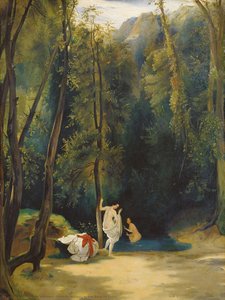


نبذة عن الفنان
ريادة الرومانسية الصناعية: حياة وفن كارل بليشن
كارل إدوارد فيرديناند بليشن، المولود في كوتّبوس بألمانيا عام 1798، يحتل مكانة فريدة وغالبًا ما يتم تجاهلها ضمن تقليد الرسم المناظر الطبيعية. تميزت حياته بالبراعة الفنية والاضطرابات الشخصية على حد سواء، وهي ثنائية شكلت بعمق عمله المثير للإعجاب والرائد. في البداية، قُدّر له أن يخوض مهنة عملية في مجال الخدمات المصرفية بسبب القيود المالية للعائلة، لكن ميوله الفنية الفطرية انتصرت في النهاية. التحق بأكاديمية برلين للفنون عام 1822، وانطلق في طريق سيجعله أحد أوائل الفنانين الذين تعاملوا مع التحديات الجمالية – والإمكانيات – التي قدمتها التصنيع المبكر.
نشأ بليشن في سنواته الأولى في ظل الأفكار الرومانسية التي اجتاحت أوروبا. ومع ذلك، على عكس العديد من معاصريه الذين ركزوا فقط على جمال الطبيعة المثالي أو العظمة التاريخية، كان نظره موجهًا نحو عالم متغير. أثبتت رحلة محورية إلى إيطاليا في الفترة 1828-1829 أنها تحولية. انغمس في ضوء وجو الريف الإيطالي، وصقل مهاراته في الرسم في الهواء الطلق، والتقاط اللحظات العابرة والتأثيرات الدرامية بحساسية ملحوظة. لم تكن هذه الرسومات مجرد دراسات تمهيدية؛ بل كانت مشبعة بطاقة نابضة بالحياة ستتميز أسلوبه الناضج. عاد إلى برلين ليس كرسام ماهر تقنيًا فحسب، بل كفنان يتمتع برؤية متميزة – رؤية سعت إلى التوفيق بين الجمال السامي للطبيعة والواقع المتزايد للحداثة.
التنقل بين التقليد والتحول
يتميز إنتاج بليشن الفني بتوتر مقنع بين الحساسية الرومانسية والواقعية الناشئة. لم يتهرب من تصوير المشهد الصناعي المزدهر، لكنه لم يحتفل به بشكل نقدي أيضًا. تجسد أعمال مثل Bau der Teufelsbrücke (بناء جسر الشيطان)، التي رسمت بين عامي 1830 و 1832، هذا النهج. لا تمجد اللوحة الإنجاز الهندسي؛ بل تقدم مشهد عمل شاق في خلفية درامية، مما يشير إلى طموح الإنسان وإمكانية تعطيل النظام الطبيعي. هذه الاستعداد لمواجهة تعقيدات عصره يميزه عن العديد من معاصريه.
غالبًا ما تتخلل مناظره جو حزين، مما يعكس ليس فقط البيئة المادية المتغيرة ولكن أيضًا صراعاته الداخلية الخاصة. على سبيل المثال، يثير Waldweg bei Spandau (طريق الغابة بالقرب من سباندو) إحساسًا بالوحدة والتأمل الذاتي، مع عرض براعة بليشن في الضوء والظل. استخدم بمهارة المنظور الجوي لخلق العمق والمزاج، وسحب المشاهد إلى المشهد ودعوته للتفكير. لم يكن يسجل ببساطة ما رآه؛ بل كان ينقل استجابة عاطفية له.
عبقري مضطرب وإرث دائم
على الرغم من إنجازاته الفنية، قُصِرت حياة بليشن بشكل مأساوي بسبب المرض العقلي. بعد تعيينه أستاذًا للرسم المناظر الطبيعية في أكاديمية برلين عام 1831 – وهو شهادة على سمعته المتزايدة – بدأ وضعه يتدهور بسرعة بعد عام 1835. اضطر إلى أخذ إجازة وفي النهاية دخول المستشفى، واستمر في إنشاء أعمال فنية حتى وسط معاناته، وإنتاج رسومات مؤثرة تقدم لمحة عن عالمه الداخلي المضطرب. توفي في برلين عام 1840 عن عمر يناهز 41 عامًا.
على الرغم من قصر حياته المهنية نسبيًا، إلا أن تأثير كارل بليشن على الأجيال اللاحقة من الفنانين لا يمكن إنكاره. مهدت تصويراته الرائدة للمناظر الطبيعية الصناعية الطريق للرسامين الواقعيين والانطباعيين اللاحقين الذين سعوا إلى التقاط الوجه المتغير للحياة الحديثة. أظهر أنه من الممكن العثور على الجمال – والمعنى – حتى وسط التحول، وهي درس لا يزال يتردد صداه مع الفنانين اليوم. لا يزال عمله تذكيرًا قويًا بالعلاقة المعقدة بين البشر والطبيعة والتقدم.
أعمال رئيسية ومجموعات
- Im Berliner Tiergarten (حديقة حيوانات برلين)، 1825: مثال مبكر لقدرته على التقاط التأثيرات الجوية والمشاهد اليومية بحساسية رومانسية.
- Waldweg bei Spandau (طريق الغابة بالقرب من سباندو): منظر طبيعي مسكون يجسد إتقانه للضوء والظل والمزاج.
- Bau der Teufelsbrücke (بناء جسر الشيطان)، 1830–32: تصوير رائد للتصنيع المبكر، يعرض طموح الإنسان وتأثيره على العالم الطبيعي.
اليوم، يمكن العثور على أعمال بليشن في مجموعات المتاحف البارزة حول العالم، بما في ذلك Kunsthalle Bielefeld في ألمانيا ومتحف Fitzwilliam في كامبريدج والمعرض الوطني في لندن. تحافظ هذه المؤسسات على إرثه للأجيال القادمة، مما يضمن استمرار رؤيته المبتكرة في إلهام وتحدي المشاهدين.
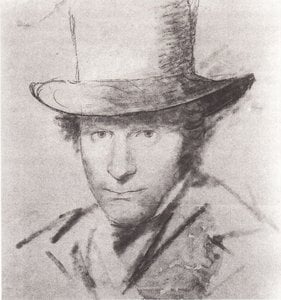
كارل بليشن
1798 - 1840 , ألمانيا
لمحة سريعة
- الأعمال البارزة:
- في حديقة حيوانات برلين
- طريق الغابة بالقرب من سباندو
- بناء جسر الشيطان
- الاسم الكامل: كارل إدوارد فيرديناند بليشن
- الجنسية: ألماني
- الحركة الفنية: الرومانسية
- الفنانون المؤثرون:
- كاسبار دافيد فريدريش
- يوهان كريستيان دال
- تاريخ الميلاد: 29 يوليو 1798
- تاريخ الوفاة: 23 يوليو 1840
- مكان الميلاد: كوتّبوس، ألمانيا
مقالات ذات صلة

Evocations of Place: A Historical Journey Through Landscape Art
Explore the rich history of landscape art with ArtsDot. Discover renowned artists, movements like Impressionism & Romanticism, and expert guidance for collecting timeless pieces. Find your perfect serene escape today!

Industrial Revolution on Canvas: 10 Artworks That Define a Modern Aesthetic
Explore 10 iconic artworks capturing the Industrial Revolution’s grit & beauty. From Monet to Manet, discover realism, impressionism & powerful scenes of urban life. Find museum-quality reproductions for your home at ArtsDot.com.

Evoking Nature's Sublime: A Comprehensive Exploration of 19th-Century Landscape Painting
Explore the captivating world of 19th-century landscape painting! Discover renowned artists like Friedrich & Monet, key movements, and find the perfect artwork to bring nature's serenity into your home. Expert insights at ArtsDot.

أفضل 25 لوحة لجون كونستابل: روعة الطبيعة الإنجليزية في ArtsDot
اكتشف روعة الطبيعة الإنجليزية مع أفضل 25 لوحة لجون كونستابل. قصص فنية آسرة وتقنيات زيتية فريدة في ArtsDot.com. اشترِ نسخًا عالية الجودة وديكور منزلي فاخر. استكشف المجموعة الكاملة الآن!

أفضل 10 لوحات طبيعية رومانسية غيرت مسار الفن وجمّلت الديكور | ArtsDot
اكتشف 10 روائع فنية رسمت مسار الفن الرومانسي! استكشف لوحات فريدريش، مالارد وأكثر. قصص الفنانين، تقنيات الرسم، وجمال المناظر الطبيعية الخلابة. احصل على أعمال فنية عالية الجودة من ArtsDot.com!