
The picture follows your choices: , .
نبذة عن الفنان
Discover Bernard Pietersz Fabritius (1624-1673), a Dutch Baroque painter known for poignant portraits & biblical scenes like 'The Young Painter.' Explore his masterful works!
 اقرأ المزيد
نسخة زيتية مصنوعة يدوياً
لوحة زيتية مرسومة يدوياً على الكانفاس بالمقاس والإطار الذي تفضله، تُنفذ حسب الطلب على أيدي فنانينا. ( التبديل إلى المطبوعات التحويل إلى الصورة الرقمية)
More about this painting
 معاينة الحجم الواقعي
 إرسال
إرسال مشاركة
 عرض التفاصيل
 دليل الأعمال الفنية للطلاب

 تحميل
تحميل
 قطع مشابهة
 الأشعة السينية
 عرض شرائح متتابع
 Q&A
Q&A الإحصائيات
Order your painting in four simple steps
Take your time. You can change any answer; the price in your order card follows each choice.
1 Step one of four
Which size would you like?
These sizes keep the proportions of the original painting. The drawing shows your choice on a wall, above a two-metre sofa.
Or give your own measurements
اختر من بين أحجامنا المُعدّة مسبقاً والتي تتوافق مع النسب الأصلية للعمل الفني.

أدخل العرض والارتفاع اللذين تحتاجهما، ليتناسب العمل مع إطارك أو جدارك. وبما أن هذه اللوحة مرسومة يدوياً، ففي حال اختيار مقاس بشكل مختلف، يمكن للفنان رسم مساحة إضافية حول الصورة أو تقليصها قليلاً — الخيار لك. سنرسل لك نموذجاً رقمياً تجريبياً لاعتماده قبل البدء في الرسم. علماً بأن الصورة المعروضة في هذه الصفحة لا تعكس النتيجة النهائية الحقيقية — فالنموذج التجريبي هو الوحيد الذي يوضح ذلك بدقة.
2 Step two of four
How should it be prepared: rolled, stretched or framed?
The prices below are for the size you chose in step one.
Choose the edges of the stretched canvas
Choose your frame

White E£1

Blurside E£1

Extended E£1

P118B E£10

P118H E£10

P118W E£10

P438Z E£10

P508JH E£12

P508YH E£12

P805H E£10

P805Z E£10

P919BZ E£10

P919G E£10

P919XJ E£10

P959ZH E£10

P968JZ E£12

W106C E£8

W218G E£10

W218JH E£8

W218Y E£10

W307PJ E£10

W316G E£10

W316PJ E£8

W316Y E£10

W398PJ E£8

W4111J E£10

W500HY E£15

W500JH E£15

W692G E£12

W849H E£8

W940BG E£15

W953PJ E£8

H24-GOLD E£30

H24-SILVER E£30

H36-GOLD E£45

H36-SILVER E£45
مؤطر
Moulding: . Overall size with the frame: .
3 Step three of four
Would you like anything changed in the painting?
Most people answer no. Because each painting is made by hand, our artist can also adapt it for you.
After order, ArtsDot.com team will email client for instructions and provide a mockup preview
4 Step four of four
A few finishing options
All of them are optional. The answers already selected cost nothing extra.
Who paints it?
توصيل عالمي إلى خلال 3 إلى 4 أسابيع بدلاً من المدة المعتادة البالغة 5 أسابيع. (2 نوفمبر). جودة لا تهاون فيها.
A nameplate, as in a museum?
تفاصيل اللوحة البرونزية المحفورة
This elegant plaque features the artist's name and the title of the artwork, finely engraved for a timeless presentation.
It is made from bronze with a refined, elegant finish. The text is precisely laser-engraved for a sharp and permanent result. Measuring 9x2 cm, the plaque is compact yet easy to read. It's built to be durable and scratch-resistant, offering a professional, museum-quality look. Mounting is simple thanks to the included adhesive backing.
تفاصيل اللوحة الأكريليكية الشفافة
The plaque includes essential engraved details such as the artist's name, the title of the artwork, the date it was created, the type of media used-like oil on canvas or watercolor-a brief description of the piece, and a QR code that links to the complete artwork information.
It is crafted from clear acrylic, offering a sleek, modern appearance. The text is UV-engraved in black to ensure strong visual contrast. With a size of 10x15 cm, it ensures optimal readability. It comes equipped with two metal hooks for secure wall mounting. The plaque is designed to be weather-resistant, making it suitable for various environments, and it includes interactive features that work seamlessly with smartphone scanning.
تفاصيل اللوحة الأكريليكية السوداء
This elegant plaque includes engraved information such as the artist's name, the title of the artwork, the date it was created, the type of media used (like oil on canvas or watercolor), a short description of the artwork, and a QR code for quick access to more information.
The plaque itself is made from refined black acrylic with a premium finish. The text is laser-engraved in white for high contrast and readability. Its size is 10x15 cm, designed to be easy to read. It comes with two metal hooks for professional mounting. The design is sleek and fits any interior style. It is also weather-resistant and durable, with built-in digital integration for mobile compatibility.
A protective varnish?
When do you need it?
✓ Check and order
Your painting, as you ordered it

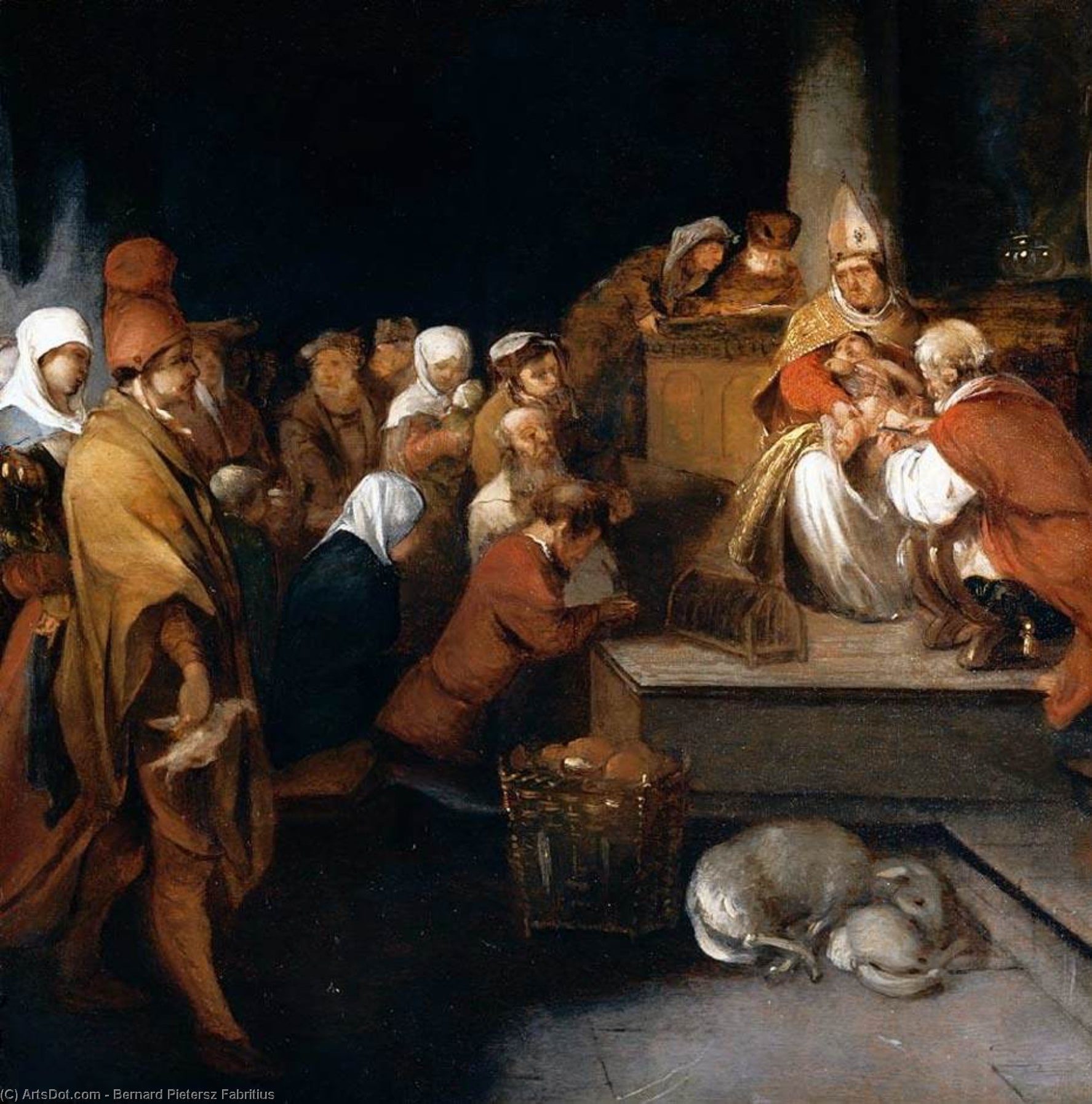
Barent - the circumcision
وسيط إعادة الإنتاج
مقاس النسخة المطبوعة
-

نخبة كبار الفنانين
دقة أكبر، ولمسات فنية أمتن، ووقت إضافي للإنتاج
-

إطار النسخة المطبوعة
-
-
بالنسبة للأعمال الفنية أو النسخ المطبوعة التي يتجاوز طول أي من أضلاعها 105 سم (حوالي 41 بوصة)، سيتم شحن الإطار كمجموعة مفككة. تضمن هذه الطريقة سلامة التوصيل وتمنع حدوث أي أضرار أثناء النقل.
يتطلب الأمر تجميعاً احترافياً - هذا المنتج ليس مخصصاً للتركيب الذاتي.
يجب تجميع المجموعة وشد القماش بواسطة فني إطارات محترف وخبير، باستخدام غراء الخشب (غير مرفق)، وكماشة شد القماش، وملاقط لتثبيت القضبان بشكل مستوٍ أثناء جفاف الغراء. إن التجميع غير الصحيح أو عدم توازن شد القماش قد يؤدي إلى تلف العمل الفني بشكل دائم، وهو أمر لا يغطيه الضمان الخاص بنا.
 بالنسبة للأعمال الفنية أو النسخ المطبوعة التي يتجاوز طول أي من أضلاعها 105 سم (حوالي 41 بوصة)، سيتم شحن الإطار كمجموعة مفككة. تضمن هذه الطريقة سلامة التوصيل وتمنع حدوث أي أضرار أثناء النقل.
تتضمن المجموعة جميع القطع الخشبية الصلبة، والمقطعة بدقة لتناسب المقاسات المطلوبة.
يتم التجميع باستخدام البراغي المرفقة، بالإضافة إلى غراء الخشب للوصلات الزاوية، وهو غير مرفق ويجب توفيره من قبل فني التأطير الخاص بك.
تتطلب العملية استخدام أدوات احترافية غير مدرجة في المجموعة: مثل زرادية شد القماش (أداة شد) وملاقط لتثبيت القضبان بشكل مستوٍ أثناء جفاف الغراء.
تنبيه هام:
تتطلب الوصلات الزاوية استخدام غراء الخشب، كما يجب تثبيت القضبان باستخدام المشابك حتى يجف الغراء تماماً، ويتطلب شد القماش على الإطار المجمع استخدام كماشة شد القماش. لا تشتمل المجموعة على أي من هذه الأدوات؛ لذا يرجى التواصل مع فني تأطير محترف قبل طلب هذا المقاس.

لوحة التعريف
-
-

ورنيش حماية
ورنيش لامع (يُبرز الألوان ويحمي من الضوء والرطوبة)
-

تخصيص عملي الفني
أمثلة على التعديلات المتاحة: استبدال الوجه بصورة العميل؛ إضافة حيوان أليف (مثل استبدال قطة بكلب)؛ إدراج رسالة مخفية في الخلفية؛ تغيير المناظر الطبيعية أو العناصر في الخلفية.
-

عاجل
توصيل عالمي إلى خلال 3-4 أسابيع بدلاً من المدة المعتادة البالغة 5 أسابيع. (2 نوفمبر). جودة لا تضاهى.
-
شحن سريع ومميز
توصيل عالمي إلى خلال 5 أسابيع. (9 نوفمبر).
مُضمَّن
إجمالي السعر
E£ 13736
خيار الزجاج متاح فقط للمقاسات التي تقل عن 110 سم
Included with every order
- شحن سريع ومجاني لجميع أنحاء العالم
- قماش كتان فاخر
- تأمين شامل على الشحن
- ضمان استرداد الرسوم الجمركية
- ضمان دقة مطابقة الألوان
- سياسة الإرجاع خلال 100 يوم (في حالات العيوب فقط)
- ضمان استرداد نقدي بنسبة 100%
- عرض خصم الكميات


أعمال فنية مشابهة


Bernard Pietersz Fabritius
1624 - 1673, Netherlands
نبذة عن الفنان
The Enigmatic Master of Light: The Life and Legacy of Bernard Pietersz Fabritius
In the golden era of the Dutch Baroque, few names evoke as much quiet intrigue as Bernard Pietersz Fabritius. Born in Muiden in 1624, Fabritius emerged from the shadows of the Netherlands' rich artistic landscape to become a painter of profound psychological depth and technical brilliance. While his life was tragically truncated by illness in 1673, the impact of his brushwork remains etched in the annals of art history. His journey began under the tutelage of Hendrick Jacobsz van Dyck, where he absorbed the intricate stylistic precepts of Flemish Mannerism. This early training provided him with a robust foundation in portraiture and genre scenes, yet Fabritius would soon transcend mere imitation to develop a voice that was uniquely his own—one characterized by an almost unsettling realism and a masterful command over the interplay of light and shadow.
The artistry of Fabritius is defined by a singular ability to capture the ephemeral. He did not merely paint subjects; he breathed life into them through a meticulous attention to detail and a dedication to anatomical accuracy that mirrored the burgeoning scientific curiosity of his age. His canvases often serve as windows into the intimate, much more human moments of 17th-century life. Whether depicting the stark, visceral reality of daily existence in works like The Slaughtered Pig or portraying the quiet dignity of rural labor in Ruth and Boaz, Fabritius possessed a rare talent for finding the extraordinary within the ordinary. His use of chiaroscuro—the dramatic contrast between light and dark—was not merely a technical feat but an emotional tool used to guide the viewer's eye and evoke a sense of spiritual or psychological tension.
A Convergence of Science, Spirit, and Style
Fabritius’s creative evolution was deeply intertwined with the intellectual ferment of his time. Living and working during the flourishing of Leiden University, he found himself at the heart of a community where art and science began to dance in close proximity. His connections to luminaries such as Johannes Vermeer and Willem van der Helm suggest an artist who was deeply engaged with the innovations of his peers. This environment of intellectual curiosity likely encouraged his exploration of new perspectives and his pursuit of a more luminous, naturalistic aesthetic. This intersection of disciplines is perhaps most evident in his biblical compositions, where he utilized dramatic lighting to convey profound spiritual fervor, turning theological narratives into palpable, human experiences.
The breadth of his repertoire allowed him to navigate between the sacred and the secular with seamless grace. His achievements can be seen across a diverse spectrum of subject matter:
- Biblical Narratives: In masterpieces such as Abraham Dismissing Hagar and Ishmael, he utilized dramatic compositions to capture the weight of divine and human emotion.
- Genre Painting: He excelled in capturing the textures of everyday life, bringing a sense of tactile reality to scenes of domesticity and labor.
- Portraiture: His ability to imbue faces with psychological insight made him a sought-after chronicler of the human condition, most notably seen in the poignant Young Painter.
Ultimately, the historical significance of Bernard Pietersz Fabritius lies in his role as a bridge between the structured elegance of Mannerism and the profound realism of the Dutch Golden Age. He was an artist who understood that light does not just illuminate a scene; it defines its soul. Though his career ended far too soon, the enduring power of his works continues to captivate modern audiences, offering a hauntingly beautiful glimpse into a world where every shadow tells a story and every highlight holds a truth.