


 إرسال
إرسال مشاركة
 عرض التفاصيل
 دليل الأعمال الفنية للطلاب

 تحميل
تحميل
 قطع مشابهة
 عرض شرائح متتابع
 الإحصائيات
Rhythmic Form


 اقرأ المزيد
إن العمل الفني المعروض في هذه الصفحة محمي بموجب قوانين حقوق الطبع والنشر، مما يعني أنه لا يحق لنا قانوناً إنشاء أو بيع نسخ مطابقة له. وتُطبق هذه الحماية بموجب الاتفاقيات الدولية مثل الـ اتفاقية برن ووفقاً للقوانين الوطنية، بما في ذلك تلك المنصوص عليها في قانون حقوق الطبع والنشر في الولايات المتحدة - الباب 17.
تتوافق هذه الطريقة تماماً مع لوائح حقوق النشر لأنها لا تتضمن نسخ أو تكرار العمل الفني المحمي، بل هي إعادة تفسير إبداعية؛ أي أنها لوحة جديدة مستوحاة من الأصل ولكنها ليست مطابقة له.
طباعة جيلي / مطبوعات فنية
طباعة جيكلي أو كانفاس بجودة المتاحف، مع سرعة في التنفيذ وخيارات متنوعة للتشطيب. ( اطلب نسخة مرسومة يدويًا التحويل إلى الصورة الرقمية)




































اختر من بين أحجامنا المُعدّة مسبقاً والتي تتوافق مع النسب الأصلية للعمل الفني.

أدخل العرض والارتفاع اللذين تحتاجهما، ليتناسب مع إطارك أو جدارك. يمكن قص المطبوعة فقط، ولا يمكن أبداً جعلها أكبر من الصورة الأصلية، لذا فإن أي مقاس بشكل مختلف سيؤدي إلى فقدان جزء من الصورة. سنرسل لك نموذجاً رقمياً تجريبياً لاعتماده قبل البدء في عملية الطباعة. الصورة المعروضة في هذه الصفحة لا توضح القص الفعلي — النموذج التجريبي فقط هو ما يظهر ذلك.
توصيل عالمي إلى خلال أسبوعين بدلاً من المدة القياسية البالغة 4/5 أسابيع. (24 أكتوبر)

شحن سريع ومجاني لجميع أنحاء العالم

قماش كتان فاخر

تأمين شامل على الشحن

ضمان استرداد الرسوم الجمركية

ضمان دقة مطابقة الألوان

سياسة الإرجاع خلال 100 يوم (في حالات العيوب فقط)

ضمان استرداد نقدي بنسبة 100%

عرض خصم الكميات
 خيار الزجاج متاح فقط للمقاسات التي تقل عن 110 سم

Rhythmic Form
طباعة جيلي / مطبوعات فنية
مقاس النسخة المطبوعة
-


إجمالي السعر
E£ 3204
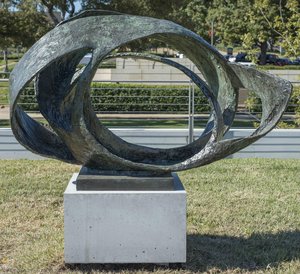
Rhythmic Form: A Dialogue Between Space and Spirit
Barbara Hepworth’s “Rhythmic Form,” created in 1949, stands as a testament to the profound influence of Surrealist ideas on British sculpture during World War II. More than just an aesthetically pleasing object, it embodies Hepworth's unwavering belief that sculpture could translate thought into tangible form—a conviction deeply rooted in her engagement with artists like Arp and Brancusi who championed direct carving and explored the relationship between art and nature. The piece itself is a striking example of Hepworth’s signature style: monumental forms sculpted from wood, meticulously shaped to evoke movement and resonance. Its central hole isn't merely an incision; it’s a deliberate gesture that seeks to unify opposing forces—a visual metaphor for Hepworth’s exploration of duality and balance within the creative process.- Material & Technique: Crafted from Rosewood, “Rhythmic Form” utilizes a technique honed during Hepworth's formative years in Paris – a method characterized by careful consideration of material properties and an intuitive understanding of how form interacts with space. The sculptor’s hand meticulously removes wood shavings to reveal the underlying structure, resulting in a surface that is both smooth and subtly textured.
- Historical Context: Hepworth's work emerged from a period marked by significant artistic experimentation and intellectual ferment. The Unit One group—which included Nicholson, Gabo, and Nash—challenged conventional sculptural approaches, prioritizing abstraction and responding to the anxieties of wartime Britain with an embrace of geometric forms and organic shapes.
- Symbolism & Inspiration: Hepworth drew inspiration from Neolithic Menhirs – monolithic stones erected as memorials to ancient rituals – recognizing their ability to convey timelessness and spiritual significance. She likened her sculptures to these stones, emphasizing the desire for them to “furnish a means of egress for the soul,” reflecting her belief in sculpture’s capacity to transcend mere visual representation.
- Hepworth's Philosophy: Hepworth famously described sculpture as "the plastic projection of thought," highlighting its role in capturing intangible ideas and emotions. She insisted that the work should “put no pressure on anything,” signifying a rejection of didacticism and an affirmation of art’s autonomy—a stance that aligns with her broader philosophical commitment to embracing spontaneity and responding authentically to the material at hand.
- Legacy & Influence: Hepworth's pioneering approach to sculpture continues to inspire artists today, particularly those interested in exploring spatial relationships and investigating the interplay between form and gesture. Her enduring impact is evident in the work of subsequent sculptors who adopted similar techniques and pursued similar conceptual concerns—a legacy cemented by her inclusion in Tate’s collection and celebrated as a cornerstone of British Modernism.
الأسئلة والأجوبة
ما مقدار الضوء الذي تبدو ألوان "Rhythmic Form" عاكسة له؟
تُظهر ألوان "Rhythmic Form" سطوعاً بمستوى Luminous.
في أي عام تم إبداع "Rhythmic Form" للفنان باربرا هيبورث؟
يعود تاريخ إبداع "Rhythmic Form" للفنان باربرا هيبورث إلى عام 1949.
ما هو الحجم المناسب لطباعة "Rhythmic Form" لغرفتي؟
في Living Room، يُقترح طباعة "Rhythmic Form" بحجم Large.
أعمال فنية مشابهة



نبذة عن الفنان
البدايات والنشأة التعليمية
السيدة باربرا هيبورث، الفنانة والنحاتة الإنجليزية المرموقة، ولدت في العاشر من يناير عام 1903 في مدينة ويكفيلد بمقاطعة يوركشاير. بدأت رحلتها الفنية بالالتحاق بمدرسة ليدز للفنون منذ عام 1andom20، ثم توجت مسارها التعليمي بالحصول على منحة مقاطعة للدراسة في الكلية الملكية للفنون (RCA) في لندن، حيث استمرت دراستها من عام 1921 حتى نالت دبلومها في عام 1924.المسيرة الفنية
- تجسد أعمال السيدة باربرا هيبورث جوهر الحداثة، ولا سيما في مجال النحت الحديث، حيث كانت واحدة من القلائل من الفنانات اللواتي حققن شهرة عالمية واسعة.
- في عام 1933، ساهمت في تأسيس حركة "يونيت وان" (Unit One) الفنية بالتعاون مع بن نيكلسون، وبول ناش وغيرهم، سعيًا لدمج السريالية والتجريد في الفن البريطاني.
- اتسمت أعمال هيبورث المبكرة بالنزعة التجريدية وتفاعلها مع الحركة الفنية "تجريد-كرياسيون" (Abstraction-Création) التي اتخذت من باريس مقرًا لها.
أعمال ومعارض بارزة
- يعد منحوت البرونزي "الشكل البيضاوي (تريزيون)" جزءًا من مجموعة متحف كيمبل للفنون في فورت وورث بالولايات المتحدة. (عرض على ArtsDot)
- أما منحوتة "شكلان"، فهي تُعرض في متحف هيبورث ويكفيلد في ويكفيلد بالمملكة المتحدة. (عرض على ArtsDot)
- كما تضم مجموعة متحف هيبورث ويكفيلد منحوتة "توتيم" الرخامية. (عرض على ArtsDot)
الإرث والمجموعات المتحفية
إن أعمال باربرا هيبورث تحظى بتقدير عالمي واسع، حيث تشكل منحوتاتها ولوحاتها جزءًا من مجموعات متحفية متنوعة حول العالم. ويضم متحف هيبورث ويكفيلد، الذي سُمي تيمناً بالفنانة، العديد من الروائع لفنانين مشهورين، بما في ذلك أعمال هيبورث الخاصة. (اكتشف المزيد عن متحف هيبورث ويكفيلد عبر ArtsDot)الخاتمة
لقد تركت الأعمال الرائدة لـ السيدة باربرا هيبورث في مجال النحت البريطاني الحديث بصمة لا تُمحى في عالم الفن. ويستمر إرثها في إلهام الفنانين وعشاق الفنون على حد سواء، حيث تظل أعمالها شاهدًا حيًا على روحها المبتكرة وعبقريتها الفنية الفذة. المزيد عن باربرا هيبورث على ويكيبيديا
باربرا هيبورث
1903 - 1975 , المملكة المتحدة
لمحة سريعة
- Artistic Movement Or Style: الحداثة، التجريد
- Artists Or Movements Influenced By This Artist:
- Abstraction-Création
- Unit One
- Artists Who Influenced This Artist:
- هنري مور
- بن نيكولسون
- Date Of Birth: 1903-01-10
- Date Of Death: 1975-05-20
- Full Name: باربرا هيبورث
- Nationality: بريطانية
- Notable Artworks:
- Oval Form (Trezion)
- Two Forms
- Totem
- Place Of Birth: ويكفيلد، المملكة المتحدة
مقالات ذات صلة

Kandinsky's Masterpieces: 25 Paintings That Define Abstract Art | ArtsDot
Journey through Wassily Kandinsky's 25 most iconic abstract paintings. Explore his revolutionary use of color, form & spiritual expressionism. Find museum-quality Kandinsky reproductions and elevate your home decor with ArtsDot.com. Discover all masterpieces on ArtsDot.com!

The Enduring Form: Exploring Themes & Techniques in Sculpture Across Historical Periods
Explore the rich history of sculpture from ancient masterpieces to contemporary innovations. Discover key techniques, influential artists & investment potential for discerning art collectors.

أكثر 10 روائع فنية حدّدت حركة التجريد الهندسي | ArtsDot.com
اكتشف 10 روائع فنية غيرت مسار التجريد الهندسي! تعرف على بيكاسو، موندريان وماليفيتش وغيرهم. لوحات أصلية وإعادة إنتاج فاخرة لديكور عصري. استلهم منزلك مع ArtsDot.com

Bronze Sculptures That Defined Art History | ArtsDot
Journey through art history with our Top 10 bronze sculptures! Explore masterpieces by Rodin, Michelangelo & more. Discover stories behind iconic statues and find museum-quality reproductions for your home decor at ArtsDot.com.

Barbara Hepworth: A Sculptural Dialogue with Form, Space & the Human Condition
Explore the profound world of Barbara Hepworth's sculpture. Discover her artistic evolution, iconic forms, and lasting influence on modern art. A guide for collectors & enthusiasts.
