

 معاينة الحجم الحقيقي
 مشاركة
 مشاركة
 التفاصيل

 تحميل الملف
 قطع مشابهة
 الأشعة السينية
 عرض شرائح
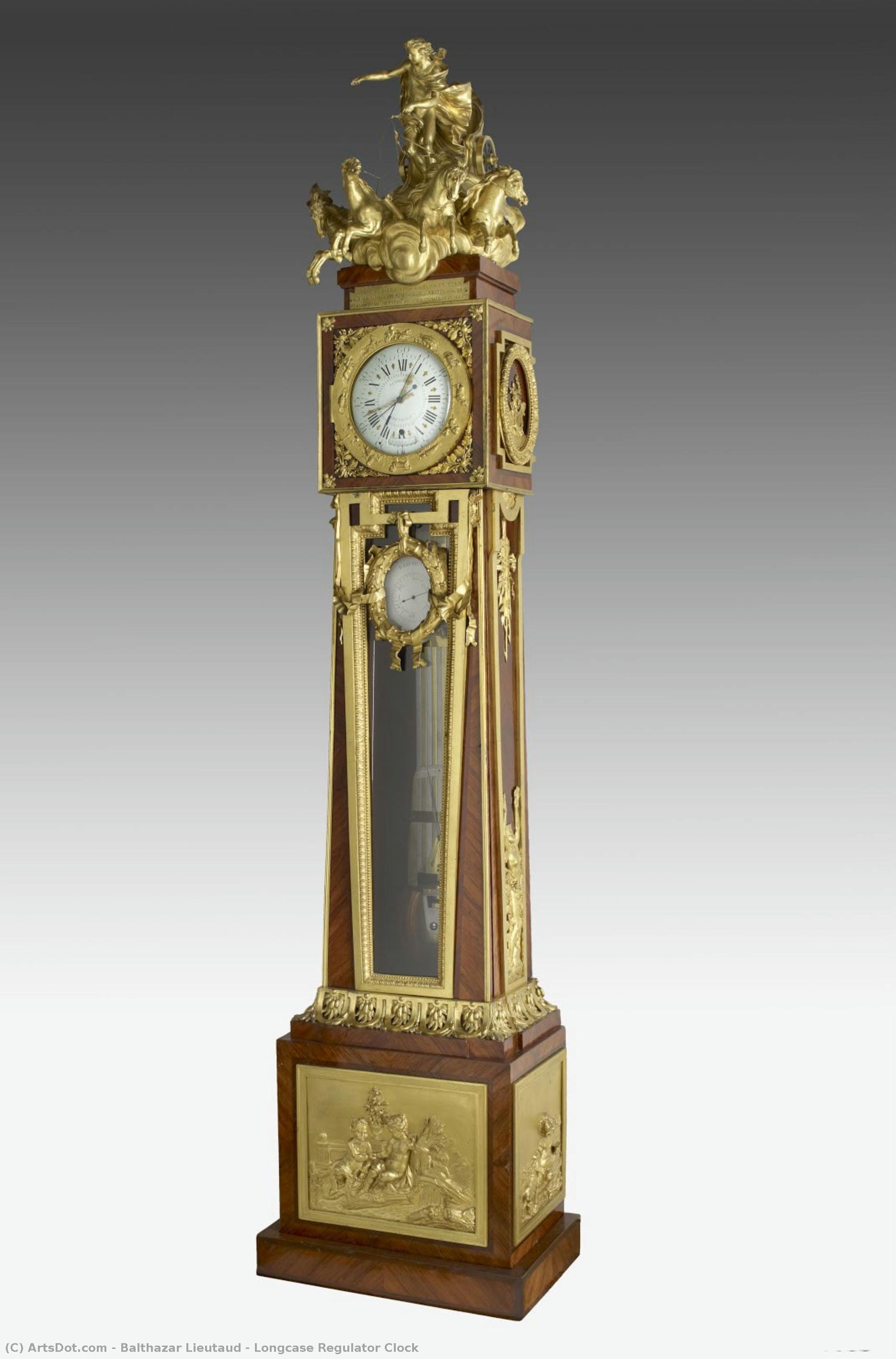
Longcase Regulator Clock


 عرض المزيد
نسخة زيتية مصنوعة يدوياً
لوحة زيتية مرسومة يدوياً على الكانفاس بالمقاس والإطار الذي تفضله، تُنفذ حسب الطلب على أيدي فنانينا. ( التحويل للنسخة المطبوعة التبديل إلى الصورة)




































اختر من بين أحجامنا المُعدّة مسبقًا والتي تتطابق مع النسب الأصلية للعمل الفني.

يمكنك إدخال أبعادك الخاصة لتناسب إطارًا معينًا أو مساحة محددة. وإذا لم يتطابق الحجم الذي اخترته مع نسب الصورة الأصلية، فسنقوم إما بقص العمل الفني أو توسيع اللوحة بإضافة عناصر مرسومة يدويًا. سيتم إرسال نموذج رقمي إليك للموافقة عليه قبل بدء الإنتاج.
يرجى ملاحظة أن المعاينة على الشاشة لا تعكس عملية القص أو التوسيع الفعلية؛ حيث إن النموذج الرقمي وحده هو الذي سيوضح التكوين النهائي بدقة.
وعلى الرغم من توفر أحجام مخصصة، إلا أننا نوصي باختيار أبعاد من القائمة المحددة مسبقًا للحفاظ على النسب الأصلية للعمل الفني.
بعد إتمام الطلب، سيرسل فريق ArtsDot.com بريداً إلكترونياً للعميل لطلب التعليمات وتزويده بمعاينة تجريبية (mockup).
توصيل عالمي إلى خلال 3 إلى 4 أسابيع بدلاً من المدة المعتادة البالغة 5 أسابيع. (9 أغسطس). جودة لا تهاون فيها.

شحن سريع ومجاني لجميع أنحاء العالم

قماش كتان عالي الجودة

تأمين شحن شامل

ضمان استرداد الرسوم الجمركية

ضمان مطابقة الألوان الحقيقية

سياسة الإرجاع خلال 60 يومًا (في حالات العيوب فقط)

ضمان استرداد نقدي بنسبة 100%

خصم عند طلب عدة قطع
 خيار الزجاج متاح فقط للمقاسات التي تقل عن 110 سم

Longcase Regulator Clock
خامة إعادة الإنتاج
مقاس النسخة المطبوعة
-


السعر الإجمالي النهائي
$ 263
وصف العمل الفني
السيرة الذاتية للفنان
Balthazar Lieutaud: The Silent Artisan of Parisian Elegance
Balthazar Lieutaud (1720 – c. 1780) remains a figure shrouded in scholarly fascination, largely due to the scarcity of biographical information available during his lifetime. Despite meticulous records documenting his workshop’s activity and commissions—primarily exquisite clock cases crafted for prominent Parisian horologists—precise details about his personal life remain elusive. He emerged from a family tradition steeped in cabinetmaking excellence, tracing its roots back several generations, establishing himself as one of the foremost artisans shaping the aesthetic sensibilities of Louis XV and the nascent neoclassical era. His workshop resided initially on rue de la Pelleterie before relocating to rue Denfer, cementing his position within the vibrant artistic milieu of Paris.- Early Life & Training: Little is known about Lieutaud’s formative years beyond confirmation that he apprenticed under his father, Jean-Baptiste Lieutaud, a respected craftsman specializing in marquetry and inlay work. This familial legacy instilled within him the foundational skills necessary for mastering the intricate art of decorative arts—a discipline characterized by meticulous attention to detail and an unwavering commitment to artistic perfection.
- The Workshop & Patronage: By 1749, Lieutaud secured his master-cabinetmaker’s diploma, marking a pivotal moment in establishing his independent practice. He swiftly gained renown for collaborating with celebrated clockmakers such as Antoine Cristobal and Laurent Deyrolle—individuals who recognized Lieutaud's unparalleled talent for transforming raw materials into objects of breathtaking beauty and sophistication. These partnerships yielded remarkable commissions, notably the creation of opulent cases housing instruments crafted by these masters, furthering Lieutaud’s reputation as a visionary artist.
Lieutaud’s Artistic Vision: Marquetry & Decorative Arts
Lieutaud's artistic philosophy centered on elevating craftsmanship to an art form itself—a pursuit that profoundly influenced the decorative arts of his time. He embraced the principles of Rococo, skillfully blending ornate embellishments with refined elegance and incorporating motifs drawn from mythological narratives and pastoral landscapes. His marquetry technique—the inlaying of thin veneers of wood into a substrate—was executed with unparalleled precision, resulting in surfaces adorned with intricate floral patterns, geometric designs, and stylized representations of animals—a hallmark of the era’s artistic expression. The meticulous layering of materials—often gilded bronze alongside delicately carved wood—created visual illusions that captivated viewers and underscored Lieutaud's mastery of illusionistic artistry.- Collaboration with Cristobal & Deyrolle: His collaborations with Antoine Cristobal and Laurent Deyrolle exemplify the spirit of artistic exchange prevalent during Louis XV’s reign. These partnerships fostered innovation, propelling Lieutaud to explore new techniques and stylistic approaches—resulting in clock cases that transcended mere functional utility, becoming embodiments of aesthetic grandeur.
- Technique & Materials: Lieutaud's workshop utilized a vast array of materials—including ebony, rosewood, ivory, gilt bronze, and precious stones—to achieve stunning visual effects. His meticulous attention to detail ensured that every element contributed harmoniously to the overall composition, reflecting the prevailing aesthetic ideals of Rococo.
Legacy & Recognition: Museums Worldwide
Lieutaud’s enduring legacy resides not only in his exquisite creations but also in their preservation within prominent museum collections across Europe and North America. His clock cases—particularly those housed in institutions such as the Royal Collection of the United Kingdom, Musée Nissim de Camondo, Waddesdon Manor, Harewood House, and the Residenzmuseum Munich—serve as tangible reminders of the artistic fervor characterizing Louis XV’s court and illuminate the transformative impact of Rococo on decorative arts. Furthermore, Lieutaud's instruments are found in museums like Boston Museum of Fine Arts and Detroit Institute of Arts Museum. These objects continue to inspire scholars and connoisseurs alike, cementing Lieutaud’s place as a pivotal figure in French artistic history—a testament to the enduring power of understated elegance and masterful craftsmanship.Concluding Thoughts: An Artist Beyond His Time
Despite the paucity of biographical data, Balthazar Lieutaud's contribution to Parisian decorative arts remains undeniable. He embodies the spirit of a craftsman who elevated his craft into an art form—a pursuit that profoundly shaped the aesthetic sensibilities of his era and secured his place among the most celebrated artisans of Louis XV’s reign. His meticulous technique, combined with his collaborative spirit and unwavering devotion to artistic excellence, ensured that Lieutaud's legacy would endure through the centuries—inspiring admiration for generations of artists and scholars alike.
balthazar lieutaud
France
حقائق سريعة
- Artistic Movement Or Style: Rococo
- Artists Or Movements Influenced By This Artist: ['Nicolas Poussin']
- Artists Who Influenced This Artist:
- Antoine Cronier
- Laurent Dey
- Full Name: Balthazar Lieutaud
- Nationality: French
- Notable Artworks: ['Longcase Regulator Clock']
- Place Of Birth: Paris, France

