

 معاينة الحجم الواقعي
 إرسال
إرسال مشاركة
 عرض التفاصيل
 دليل الأعمال الفنية للطلاب

 تحميل
تحميل
 قطع مشابهة
 الأشعة السينية
 عرض شرائح متتابع
 Q&A
Q&A الإحصائيات
The High Command Right Panel


 اقرأ المزيد
طباعة جيلي / مطبوعات فنية
طباعة جيكلي أو كانفاس بجودة المتاحف، مع سرعة في التنفيذ وخيارات متنوعة للتشطيب. ( اطلب نسخة مرسومة يدويًا التحويل إلى الصورة الرقمية)




































اختر من بين أحجامنا المُعدّة مسبقاً والتي تتوافق مع النسب الأصلية للعمل الفني.

أدخل العرض والارتفاع اللذين تحتاجهما، ليتناسب مع إطارك أو جدارك. يمكن قص المطبوعة فقط، ولا يمكن أبداً جعلها أكبر من الصورة الأصلية، لذا فإن أي مقاس بشكل مختلف سيؤدي إلى فقدان جزء من الصورة. سنرسل لك نموذجاً رقمياً تجريبياً لاعتماده قبل البدء في عملية الطباعة. الصورة المعروضة في هذه الصفحة لا توضح القص الفعلي — النموذج التجريبي فقط هو ما يظهر ذلك.
توصيل عالمي إلى خلال أسبوعين بدلاً من المدة القياسية البالغة 4/5 أسابيع. (2 نوفمبر)

شحن سريع ومجاني لجميع أنحاء العالم

قماش كتان فاخر

تأمين شامل على الشحن

ضمان استرداد الرسوم الجمركية

ضمان دقة مطابقة الألوان

سياسة الإرجاع خلال 100 يوم (في حالات العيوب فقط)

ضمان استرداد نقدي بنسبة 100%

عرض خصم الكميات
 خيار الزجاج متاح فقط للمقاسات التي تقل عن 110 سم

The High Command Right Panel
طباعة جيلي / مطبوعات فنية
مقاس النسخة المطبوعة
-


إجمالي السعر
E£ 3238
أعمال فنية مشابهة


نبذة عن الفنان
Augustus Vincent Tack: Pioneer of Spiritual Landscape
Augustus Vincent Tack (1870 – 1949) stands as a singular figure in American art history, recognized primarily for his distinctive blend of realism and abstraction—a stylistic approach that foreshadowed the burgeoning movement of Abstract Expressionism. Born in Pittsburgh, Pennsylvania, Tack’s artistic journey began with formal training at St. Francis Xavier College before he honed his skills at the Art Students League of New York, absorbing influences from luminaries like John La Farge whose studio he frequented. This formative period established a foundation for his subsequent explorations into landscape painting and, crucially, into deeply symbolic representations of nature—a preoccupation that would define much of his oeuvre.- Early Career & Influences: Tack’s debut exhibition at Kraushaar Galleries in 1896 marked the commencement of a prolific artistic career characterized by consistent engagement with prominent institutions such as Worcester Art Museum, Carnegie International Exhibitions, and Pennsylvania Academy of Fine Arts. His collaborations with Duncan Phillips—particularly their involvement in the Allied War Salon of 1918—demonstrated not only his social connections but also his commitment to addressing pressing societal concerns through artistic expression.
- Deerfield Colony & Marriage: Seeking inspiration and camaraderie, Tack relocated to Deerfield, Massachusetts, where he established an artist’s colony and married Agnes Gordon Fuller, daughter of renowned painter George Fuller. This union fostered a supportive environment conducive to creative pursuits and solidified his position within the artistic community.
- Teaching & Yale University: Tack’s pedagogical role extended beyond Deerfield; he lectured at the Art Students League of New York between 1906 and 1910 and subsequently taught at Yale University from 1910 to 1913, imparting his artistic vision to a new generation of artists.
A Distinctive Style: Realism Infused with Mysticism
Tack’s artistic style distinguished itself through a careful balance between traditional realism and evocative abstraction. While his portraits adhered to academic conventions—capturing likenesses with meticulous detail and dramatic lighting—his landscapes transcended mere depiction, delving into realms of spiritual contemplation. Paintings like “Time and Timelessness” exemplify this approach, juxtaposing geometric forms with figurative elements to convey a sense of enduring beauty and profound symbolism. Critics noted that Tack’s work "was a contemporary reworking of nineteenth-century heroic idealism," highlighting its ambition to elevate the viewer beyond the mundane.- Notable Works: Among his most celebrated pieces are “The High Command Right Panel” (1949), portraying naval officers with masterful realism and compositional complexity; portraits of Harry S. Truman and Elihu Root—executed in 1948 and 1922 respectively—demonstrating Tack’s ability to convey character and emotion through nuanced brushwork; and “Time and Timelessness,” a landscape masterpiece reflecting his fascination with spiritual themes.
Legacy & Recognition
Despite commercial setbacks, Tack's artistic legacy persists as a precursor to Abstract Expressionism—a movement that would reshape the landscape of American art in the decades following his death. His paintings remain housed in major collections and continue to inspire artists and scholars alike. Augustus Vincent Tack’s contribution to American art lies not merely in his stylistic innovations but also in his unwavering pursuit of artistic truth—a testament to the enduring power of imagination and vision.
Augustus Vincent Tack
1870 - 1949 , United States of America
لمحة سريعة
- Full Name: Augustus Vincent Tack
- Nationality: American
- Date Of Birth: 1870
- Date Of Death: 1949
- Place Of Birth: Pittsburgh, United States of America
- Notable Artworks:
- Time and Timelessness
- The High Command Right Panel
- Elihu Root
- Harry S. Truman
- Artistic Movement Or Style: Abstract Expressionism
- Artists Who Influenced This Artist: ['John La Farge']
- Artists Or Movements Influenced By This Artist: ['Nineteenth-century heroic idealism']
مقالات ذات صلة

The Enduring Power of Painting: A Historical & Contemporary Exploration of Form and Emotion
Explore the rich history & enduring techniques of oil painting with ArtsDot. Discover masterpieces, learn about art collecting, and find authentic handmade reproductions crafted by skilled artists.
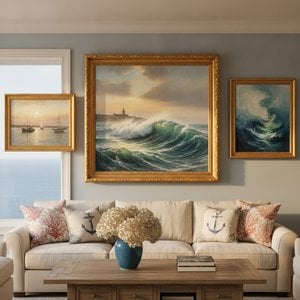
Bring the Ocean Home: Captivating Maritime Paintings to Transform Your Space with Timeless Elegance
Transform your home with breathtaking maritime oil paintings. From serene seascapes to dramatic nautical scenes, discover hand-painted reproductions that bring the ocean's soul to your space. Expertly crafted for collectors seeking timeless elegance and coastal tranquility.

تحسين جماليات مساحات العمل الحديثة: خمسة أنماط فنية رائدة للمكاتب المعاصرة
اكتشف أحدث اتجاهات تصميم المكاتب الفنية لخلق بيئة عمل ملهمة ومنتجة. نصائح الخبراء لاختيار الأثاث والألوان والديكور لتعزيز رفاهية الموظفين وزيادة الإبداع.

The Enduring Legacy of Oil on Canvas: Technique, History & Aesthetic Impact
Explore the rich history & techniques of oil painting – from Renaissance masters to Impressionism. Discover pigments, layering methods, and why this timeless medium endures. Expert insights for artists & art enthusiasts.

Oil on Canvas: A Historical & Technical Exploration of a Timeless Artistic Medium
Explore the rich history & enduring techniques of oil painting on canvas. Discover the science behind its longevity, conservation practices, and contemporary relevance. Expert insights for art enthusiasts.