


 معاينة الحجم الواقعي
 إرسال
إرسال مشاركة
 عرض التفاصيل
 دليل الأعمال الفنية للطلاب

 تحميل
تحميل
 قطع مشابهة
 الأشعة السينية
 عرض شرائح متتابع
 Q&A
Q&A الإحصائيات
Red Gaze
 Acrylic On Canvas
- WallArt
- Expressionist Modernism
 1910
1910- 19th Century
 22.0 x 28.0 cm
 Arnold Schönberg Center
 اقرأ المزيد
طباعة جيلي / مطبوعات فنية
طباعة جيكلي أو كانفاس بجودة المتاحف، مع سرعة في التنفيذ وخيارات متنوعة للتشطيب. ( اطلب نسخة مرسومة يدويًا التحويل إلى الصورة الرقمية)




P118B E£10

P118H E£10

P118W E£10

P438Z E£10

P508JH E£12

P508YH E£12

P805H E£10

P805Z E£10

P919BZ E£10

P919G E£10

P919XJ E£10

P959ZH E£10

P968JZ E£12

W106C E£8

W218G E£10

W218JH E£8

W218Y E£10

W307PJ E£10

W316G E£10

W316PJ E£8

W316Y E£10

W398PJ E£8

W4111J E£10

W500HY E£15

W500JH E£15

W692G E£12

W849H E£8

W940BG E£15

W953PJ E£8




اختر من بين أحجامنا المُعدّة مسبقاً والتي تتوافق مع النسب الأصلية للعمل الفني.

أدخل العرض والارتفاع اللذين تحتاجهما، ليتناسب مع إطارك أو جدارك. يمكن قص المطبوعة فقط، ولا يمكن أبداً جعلها أكبر من الصورة الأصلية، لذا فإن أي مقاس بشكل مختلف سيؤدي إلى فقدان جزء من الصورة. سنرسل لك نموذجاً رقمياً تجريبياً لاعتماده قبل البدء في عملية الطباعة. الصورة المعروضة في هذه الصفحة لا توضح القص الفعلي — النموذج التجريبي فقط هو ما يظهر ذلك.
توصيل عالمي إلى خلال أسبوعين بدلاً من المدة القياسية البالغة 4/5 أسابيع. (29 أكتوبر)

شحن سريع ومجاني لجميع أنحاء العالم

قماش كتان فاخر

تأمين شامل على الشحن

ضمان استرداد الرسوم الجمركية

ضمان دقة مطابقة الألوان

سياسة الإرجاع خلال 100 يوم (في حالات العيوب فقط)

ضمان استرداد نقدي بنسبة 100%

عرض خصم الكميات
 خيار الزجاج متاح فقط للمقاسات التي تقل عن 110 سم

Red Gaze
طباعة جيلي / مطبوعات فنية
مقاس النسخة المطبوعة
-


إجمالي السعر
E£ 3222
A Descent into Torment: Unveiling Schönberg’s “Red Gaze”
Arnold Schönberg's "Red Gaze," painted in 1910, isn't merely a portrait; it’s a visceral plunge into the heart of human anguish. Executed during a period of radical artistic experimentation, this work embodies the composer’s intensely personal and often unsettling vision – a vision he sought to translate directly onto canvas with startling immediacy. The painting, currently residing within the hallowed halls of the Arnold Schönberg Center in Vienna, Austria, immediately commands attention with its arresting focus on a face dominated by a searing red gaze. This isn't a gentle observation; it’s an intrusion, a direct confrontation with a state of profound distress.
- Subject & Composition: The central figure is rendered in a strikingly simplified manner, prioritizing emotional impact over realistic representation. The close-up perspective intensifies the feeling of claustrophobia and vulnerability, drawing the viewer into the subject’s tormented experience.
- Color Palette: Predominantly red and yellow hues dominate the canvas, creating an atmosphere of feverish intensity. The strategic use of these colors – traditionally associated with passion, danger, and even madness – amplifies the painting's unsettling effect.
The Roots of Atonality: Contextualizing Schönberg’s Vision
To fully appreciate “Red Gaze,” one must understand the artistic climate in which it was created. Schönberg, a pivotal figure in the development of atonality – music devoid of traditional tonal centers – was pushing boundaries with his compositions like "Pierrot Lunaire." This experimentation extended to his visual art, where he rejected conventional representational techniques in favor of conveying raw emotion and psychological states. Elsa Bienenfeld’s observation that Schönberg aimed for “a fulgurant clarity” – a sudden flash of insight – perfectly encapsulates this approach. He wasn't striving for beauty or harmony; he was attempting to capture the unsettling, almost unbearable truth of human experience.
- Musical Influence: Schönberg’s musical innovations directly informed his painting style. The fragmented harmonies and dissonances found in works like the Fourth Quartet are mirrored in the fractured composition and jarring color choices of “Red Gaze.”
- The Second Viennese School: This painting represents a key element of the Second Viennese School, alongside artists such as Gustav Klimt and Egon Schiele, who sought to express psychological realities through unconventional forms.
Symbolism & Emotional Resonance
"Red Gaze" is profoundly unsettling, evoking a sense of dread and vulnerability. The phrase “a vein bursts in the brain” – Schönberg’s own description of one of his quartet movements – speaks volumes about the painting's intended effect. It suggests an overwhelming surge of emotion, a moment of catastrophic breakdown. The painting doesn’t offer answers; it presents a raw, unfiltered glimpse into a tormented soul. The use of quick, hastily veiled lights adds to this sense of urgency and instability, as if the subject is struggling to maintain control against forces beyond their comprehension.
- Interpretation: Some scholars interpret the red gaze as representing suppressed rage or unacknowledged guilt, while others see it as a symbol of existential anxiety. The ambiguity is deliberate, inviting viewers to project their own fears and anxieties onto the canvas.
- Technique: Schönberg’s technique involved rapid brushstrokes and a layering of colors, creating a textured surface that further enhances the painting's sense of urgency and movement.
A Timeless Expression of Human Suffering
"Red Gaze" remains a powerfully evocative work, demonstrating Schönberg’s extraordinary ability to translate his musical innovations into a visual language of intense emotion. Its unsettling beauty and profound psychological depth continue to captivate viewers over a century later. This meticulously crafted reproduction offers an unparalleled opportunity to experience this seminal artwork firsthand, bringing its haunting intensity into your space.
الأسئلة والأجوبة
هل يمكنني رؤية عرض بالأشعة السينية لـ "Red Gaze" للفنان أرنولد شونبيرج؟
تتوفر رؤية الأشعة السينية لـ "Red Gaze" للفنان أرنولد شونبيرج عبر صفحة الأشعة السينية الخاصة بالعمل الفني: وهي بمثابة فحص تفاعلي للصورة من خلال إحدى عشرة طبقة بصرية.
ماذا يصور "Red Gaze" للفنان أرنولد شونبيرج، وبأي طابع؟
تُصور "Red Gaze" للفنان أرنولد شونبيرج موضوعات arnold schoenberg, red gaze, tormented soul, fulgurant clarity, musical tension, vienna painting, expressionist art، في أجواء Dramatic. ويصف الموضوع والأجواء معاً هذا العمل الفني.
ما مدى إشراق "Red Gaze" بشكل عام؟
بشكل عام، تم تسجيل درجة السطوع لـ "Red Gaze" بـ balanced. ويصف السطوع المدرك مدى ظهور العمل الفني كضوء أو عتمة.
أعمال فنية مشابهة


نبذة عن الفنان
البدايات المبكرة والنشأة الموسيقية
أرنولد شونبرج، ذلك المؤلف الموسيقي النمساوي الأمريكي، ولد في الثالث عشر من سبتمبر عام 1874 في مدينة فيينا بالنمسا. اتسمت حياته الأولى ببدايات متواضعة، حيث كان والده صاحب متجر للأحذية، ومع ذلك، فإن شغفه الفطري بالموسيقى دفعه إلى الاعتماد بشكل كبير على التثقيف الذاتي في هذا المجال الموسيقي العريق.التطور الموسيقي والأعمال البارزة
أظهرت أعمال شونبرج الأولى، مثل Verklärte Nacht (1899)، مزيجاً فريداً بين أساليب براهمس وفاجنر. ومع تقدم مسيرته الإبداعية، أصبح الشخصية المركزية في المدرسة الفييناوية الثانية، جنباً إلى جنب مع أنطون ويبرن وألبان بيرج. وقد جسدت مؤلفاته، بما في ذلك الرباعي الوتري رقم 2 (1907–1908)، وErwartung (1909)، وPierrot Lunaire (1912)، نهجه المبتكر في الموسيقى اللامقامية.التدريس والهجرة والحياة المتأخرة
استقال شونبرج من الأكاديمية البروسية للفنون في عام 1933 نتيجة صعود النازيين إلى السلطة، الذين وصفوا موسيقاه بأنها "متحللة". انتقل بعدها للتدريس في الولايات المتحدة، بما في ذلك جامعة كاليفورنيا، لوس أنجلوس (1936–1944)، حيث سُميت بعض المرافق هناك تكريماً له. [https://ArtsDot.com/@/arnold-sهونبرج](اكتشف المزيد عن حياة شونبرج وأعماله على ArtsDot).- استكشف شونبرج الموسيقى التصويرية للأفلام وكتب موسيقى أكثر مقامية، حيث أتم السمفونية الحجرية رقم 2 في عام 1939.
- سخر من الطغاة الفاشيين في قصيدة نابليون (1942)، المستوحاة من بايرون.
- منحتته فيينا ما بعد الحرب المواطنة الفخرية، لكن المرض ألمّ به، كما يتضح في الثلاثي الوتري (1946).
الإرث والتأثير
بينما كان العالم يكتشف فظائع الهولوكوث، خلد شونبرج ذكرى ضحاياه في ناجٍ من وارسو (1947). كما انتخبته أكاديمية ومعهد إسرائيل للموسيقى رئيساً فخرياً في عام 1951. [https://ArtsDot.com/@@/a@d3bqc7-the-museum-destroyed-by-fire-(united-states)](تعرف على المزيد حول تأثير أعماله عبر ArtsDot). نقاط رئيسية:- كانت موسيقى شونبرج المبتكرة من بين أكثر الموسيقى تأثيراً وإثارة للجدل في الموسيقى الكلاسيكية في القرن العشرين.
- قامت ثلاثة أجيال على الأقل من المؤلفين بتوسيع مبادئه الشكلية.
- أثرت رؤاه الجمالية وتاريخ الموسيقى على علماء الموسيقى ثيودور أدورنو وكارل دالهاوس.

أرنولد شونبيرج
1874 - 1951 , النمسا
لمحة سريعة
- Artistic Movement Or Style: تقنية الاثني عشر نغمة؛ التعبيرية
- Artists Or Movements Influenced By This Artist:
- أنطون ويبرن
- ألبان بيرج
- Artists Who Influenced This Artist:
- يوهانس برامز
- ريتشارد فاغنر
- Date Of Birth: 13 سبتمبر 1874
- Date Of Death: 1951
- Full Name: أرنولد شونبيرج
- Nationality: نمساوي أمريكي
- Notable Artworks:
- مقطوعة Suite, op. 29
- آلة الكتابة الموسيقية
- Staffliner
- Place Of Birth: فيينا، النمسا
مقالات ذات صلة

أعلى 10 روائع تحدد الرمزية التعبيرية: رحلة في الفن الراقي و لوحات مميزة
اكتشف روائع الرمزية التعبيرية! استكشف 10 لوحات أيقونية مع جاكسون بولوك ومارك روثكو. قصص فنانين، تقنيات فريدة، وأعمال خالدة. احصل على لوحات مميزة لديكور منزلك الفاخر. تسوق الآن على ArtsDot.com!

Kandinsky's Masterpieces: 25 Paintings That Define Abstract Art | ArtsDot
Journey through Wassily Kandinsky's 25 most iconic abstract paintings. Explore his revolutionary use of color, form & spiritual expressionism. Find museum-quality Kandinsky reproductions and elevate your home decor with ArtsDot.com. Discover all masterpieces on ArtsDot.com!

أكثر 10 روائع فنية حدّدت حركة التجريد الهندسي | ArtsDot.com
اكتشف 10 روائع فنية غيرت مسار التجريد الهندسي! تعرف على بيكاسو، موندريان وماليفيتش وغيرهم. لوحات أصلية وإعادة إنتاج فاخرة لديكور عصري. استلهم منزلك مع ArtsDot.com

Beyond Form & Color: Geometric Abstraction's Evolution in 20th/21st Century Art
Explore the evolution of geometric abstraction from Cubism to contemporary art. Discover key artists like Malevich & Mondrian, investment insights, and expert collecting advice at ArtsDot.
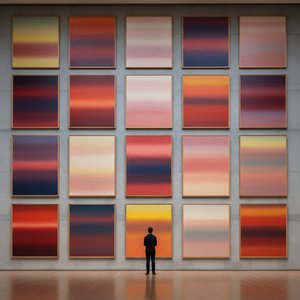
أعمال مارك روثكو الخالدة: 25 تحفة فنية تعبّر عن الروح والجمال
اكتشف 25 تحفة فنية لمارك روثكو، رائد التعبيرية المجردة. استكشف قصص لوحاته الزيتية الملونة وتأثيرها العميق على عالم الفن والديكور. احصل على نسخ عالية الجودة من أعمال روثكو الأصلية و أضف لمسة فنية راقية لمنزلك مع ArtsDot.com.


