

 معاينة الحجم الحقيقي
 مشاركة
 مشاركة
 التفاصيل

 تحميل الملف
 قطع مشابهة
 الأشعة السينية
 عرض شرائح
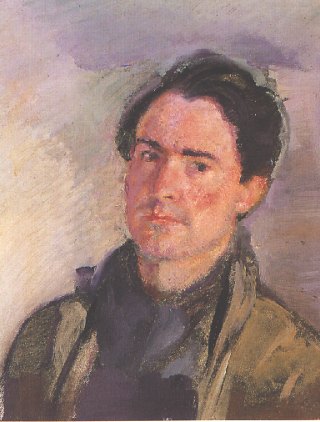
Self Portrait

 عرض المزيد
نسخة زيتية مصنوعة يدوياً
لوحة زيتية مرسومة يدوياً على الكانفاس بالمقاس والإطار الذي تفضله، تُنفذ حسب الطلب على أيدي فنانينا. ( التحويل للنسخة المطبوعة التبديل إلى الصورة)




































اختر من بين أحجامنا المُعدّة مسبقًا والتي تتطابق مع النسب الأصلية للعمل الفني.

يمكنك إدخال أبعادك الخاصة لتناسب إطارًا معينًا أو مساحة محددة. وإذا لم يتطابق الحجم الذي اخترته مع نسب الصورة الأصلية، فسنقوم إما بقص العمل الفني أو توسيع اللوحة بإضافة عناصر مرسومة يدويًا. سيتم إرسال نموذج رقمي إليك للموافقة عليه قبل بدء الإنتاج.
يرجى ملاحظة أن المعاينة على الشاشة لا تعكس عملية القص أو التوسيع الفعلية؛ حيث إن النموذج الرقمي وحده هو الذي سيوضح التكوين النهائي بدقة.
وعلى الرغم من توفر أحجام مخصصة، إلا أننا نوصي باختيار أبعاد من القائمة المحددة مسبقًا للحفاظ على النسب الأصلية للعمل الفني.
بعد إتمام الطلب، سيرسل فريق ArtsDot.com بريداً إلكترونياً للعميل لطلب التعليمات وتزويده بمعاينة تجريبية (mockup).
توصيل عالمي إلى خلال 3 إلى 4 أسابيع بدلاً من المدة المعتادة البالغة 5 أسابيع. (11 أغسطس). جودة لا تهاون فيها.

شحن سريع ومجاني لجميع أنحاء العالم

قماش كتان عالي الجودة

تأمين شحن شامل

ضمان استرداد الرسوم الجمركية

ضمان مطابقة الألوان الحقيقية

سياسة الإرجاع خلال 60 يومًا (في حالات العيوب فقط)

ضمان استرداد نقدي بنسبة 100%

خصم عند طلب عدة قطع
 خيار الزجاج متاح فقط للمقاسات التي تقل عن 110 سم

Self Portrait
خامة إعادة الإنتاج
مقاس النسخة المطبوعة
-


السعر الإجمالي النهائي
$ 263
أعمال فنية ذات صلة


![Portrait Of Mrs. Renée Kisling [portrait De Madame Renée Kisling] — موازي كيسلينغ, École De Paris](/media/artworks/images/thumbnails/41/78/4178eb5f6eaf46bc95859ec8f39e1e80.jpg)


السيرة الذاتية للفنان
The Luminous Vision of Armando Spadini
Armando Spadini emerged from the vibrant artistic milieu of Florence at the turn of the century, a young man deeply attuned to both tradition and innovation. Born in July 1883, he descended from a craftsman's lineage—his father a skilled artisan and his mother a seamstress—shaping an early life amidst practical realities that would later inform his artistic sensibilities. His formative years were spent studying at Santa Croce, absorbing the aesthetic principles of Florentine Neoclassicism before enrolling in the prestigious Free School of Nude at the Academy of Fine Arts. It was within these hallowed halls that he forged enduring connections with pivotal figures such as Ardengo Soffici and Adolfo De Carolis, mentors and peers who would help shape his burgeoning artistic trajectory.
This encounter proved transformative, propelling him into the orbit of Leonardo, the Symbolist magazine that championed avant-garde experimentation and fostered a dialogue between established masters and emerging voices. Spadini’s participation in the 59th Esposizione Annuale Della Società Delle Belle Arti Di Firenze in 1906 marked his debut on the Florentine art scene—a moment of considerable significance as he presented works that signaled a nascent inclination toward Impressionistic techniques, mirroring the stylistic trends gaining momentum across Europe. He swiftly established himself within a cohort of artists who sought to redefine expression, embracing the challenge posed by the Symbolist movement while simultaneously grounding his vision in the rich heritage of Italian painting history.
A Journey Through Light and Intimacy
In 1910, Spadini moved to Rome, a transition that would solidify his commitment to exploring new creative horizons. The city's atmosphere—characterized by intellectual ferment and a palpable yearning for aesthetic renewal—provided fertile ground for his endeavors. His move was not merely geographical but deeply personal; he traveled with his wife, Pasqualina Cervone, whom he had met at the school of Giovanni Fattori. Pasqualina was more than a companion; she was a talented pupil herself and became Spadini's most enduring muse, appearing frequently in works that captured the quiet, tender moments of domestic life.
Spadini’s painting style is often described as being driven by instinct rather than rigid academic will. He possessed a unique ability to assimilate the joy of color, drawing inspiration from the transparent clarity of the Venetians and the luminous qualities of the French Impressionists. His work avoids the tormenting, heavy research found in many of his contemporaries, opting instead for an open, laughing, and summarizing approach. This "solar luminosity" became a hallmark of his oeuvre, allowing him to translate the familiar aspects of domestic intimacy into compositions that feel both abundant and light-filled.
Legacy of the Scuola Romana
As a representative of the so-called Scuola Romana, Spadini occupied a vital space in the transition between the 19th and 20th centuries. His talent was recognized early through prestigious accolades, such as winning the competition for the Pensionato artistico nazionale in 1909. Throughout his career, he maintained a profound connection to family intimacy, often imbuing his portraits and landscapes with a sense of warmth and "happy temperament" that resonated with viewers.
Though his life was tragically short, ending in Rome in 1925, the impact of his vision remains palpable. His contributions can be summarized through several key artistic pillars:
- Mastery of Light: A signature use of solar luminosity and transparent color that bridged the gap between Italian tradition and modern Impressionism.
- Emotional Depth: An ability to capture the "lyrical embrace" of familiar people and places, turning domestic scenes into profound emotional experiences.
- Stylistic Synthesis: The seamless blending of Symbolist themes with a spontaneous, instinctive brushwork that felt ahead of its time.
Today, Spadini is remembered not just as a painter of landscapes and portraits, but as an artist who captured the very essence of light and life, leaving behind a legacy of beauty that continues to illuminate the history of Italian modernism.

Armando Spadini
1883 - 1925 , Italy
حقائق سريعة
- Artistic Movement Or Style: Impressionism
- Artists Or Movements Influenced By This Artist: ['Impressionists']
- Artists Who Influenced This Artist: ['Giovanni Fattori']
- Date Of Birth: July 29, 1883
- Full Name: Armando Spadini
- Nationality: Italian
- Notable Artworks:
- Woman
- In the park of Villa Borghese
- Portrait of the Artist's Wife
- Place Of Birth: Florence, Italy

