


 معاينة الحجم الحقيقي
 مشاركة
 مشاركة
 التفاصيل
 الدليل

 تحميل الملف
 قطع مشابهة
 الأشعة السينية
 عرض شرائح
 الإحصائيات
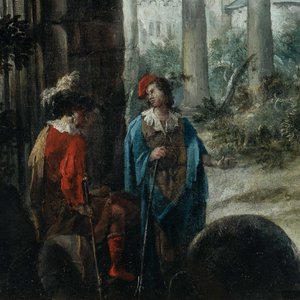
Mediterranean harbour scene with figures on a path in the foreground, a fort beyond
 عرض المزيد
طباعة جيلي / مطبوعات فنية
طباعة جيكلي أو كانفاس بجودة المتاحف، مع سرعة في التنفيذ وخيارات متنوعة للتشطيب. ( اشترِ لوحة مرسومة يدويًا الانتقال إلى الصورة الرقمية)




































اختر من بين أحجامنا المُعدّة مسبقًا والتي تتطابق مع النسب الأصلية للعمل الفني.

يمكنك إدخال أبعادك الخاصة لتناسب إطاراً أو مساحة معينة. وإذا لم يتطابق الحجم الذي اخترته مع نسب الصورة الأصلية، فسنقوم إما بقص العمل الفني أو تمديد الصورة باستخدام حافة معكوسة أو بلون مصمت. سيتم إرسال نموذج تجريبي رقمي لاعتمادك قبل بدء الإنتاج.
يرجى ملاحظة أن المعاينة على الشاشة لا تعكس عملية القص أو التمديد الفعلية؛ حيث سيوضح النموذج التجريبي فقط التكوين النهائي بدقة.
وعلى الرغم من توفر أحجام مخصصة، إلا أننا نوصي باختيار أبعاد من القائمة المحددة مسبقاً للحفاظ على النسب الأصلية.
توصيل عالمي إلى خلال أسبوعين بدلاً من المدة القياسية البالغة 4/5 أسابيع. 21 سبتمبر

شحن سريع ومجاني لجميع أنحاء العالم

قماش كتان عالي الجودة

تأمين شحن شامل

ضمان استرداد الرسوم الجمركية

ضمان مطابقة الألوان الحقيقية

سياسة الإرجاع خلال 100 يوم (في حالات العيوب فقط)

ضمان استرداد نقدي بنسبة 100%

خصم عند طلب عدة قطع
 خيار الزجاج متاح فقط للمقاسات التي تقل عن 110 سم

Mediterranean harbour scene with figures on a path in the foreground, a fort beyond
طباعة جيلي / مطبوعات فنية
مقاس النسخة المطبوعة
-


السعر الإجمالي النهائي
$ 62
أعمال فنية ذات صلة


السيرة الذاتية للفنان
Antonio Stom: Weaver of Venetian Dreams
Born in Venice in 1688, Antonio Stom, often referred to as “Tonino,” emerged during a pivotal period in the city’s artistic landscape – a time when the grandeur of the Renaissance still resonated alongside the burgeoning Baroque style. While his life remains somewhat shrouded in mystery, particularly lacking extensive biographical details beyond his birth and death dates, Stom’s impact on Venetian painting is undeniable, primarily through his captivating series of capriccios and meticulously rendered harbor scenes. His work offers a glimpse into an idealized world, blending classical motifs with the vibrant realities of 18th-century Venice, creating images that are both enchanting and subtly melancholic.
Stom’s artistic lineage is intriguing, though not entirely clear. Connections have been drawn to his cousin Matthias Stom, a Dutch painter who spent much of his career in Italy and was influenced by the Utrecht Caravaggists – a group of Northern European artists deeply affected by the dramatic realism and tenebrism of Caravaggio. This influence is evident in Stom’s use of light and shadow, creating a heightened sense of drama within his compositions. Furthermore, he shared affinities with Jusepe de Ribera and Peter Paul Rubens, absorbing elements of their dynamic brushwork and masterful rendering of texture and form. However, unlike the often-humorous or allegorical scenes favored by some of these contemporaries, Stom’s focus remained firmly on landscapes and maritime subjects, imbuing them with a quiet dignity and contemplative atmosphere.
The Capriccio Genre and Venetian Idyl
Stom is most celebrated for his mastery of the capriccio genre – a distinctly Venetian style that emerged in the 17th century. Unlike traditional landscapes which aimed to depict specific locations, capriccios were deliberately invented scenes, often combining elements from different times and places. They evoked a sense of timelessness and illusion, inviting the viewer into a world of romanticized beauty and subtle melancholy. Stom’s capriccios are particularly notable for their intricate details and atmospheric effects; he skillfully employed perspective to create a feeling of depth and distance, layering architectural ruins, classical sculptures, and figures within a carefully constructed space.
His harbor scenes are equally compelling. These paintings capture the bustling activity of Venice's maritime trade, depicting ships at anchor, gondolas gliding through the canals, and merchants engaged in lively conversation. However, these aren’t straightforward depictions of commerce; Stom imbues them with a dreamlike quality, often featuring solitary figures contemplating the vastness of the sea or gazing upon distant horizons. The inclusion of classical ruins – arches, columns, and statues – further elevates these scenes, suggesting a connection between the ancient world and the vibrant present of Venice.
Notable Works and Artistic Techniques
Several of Stom’s paintings provide compelling evidence of his artistic skill and distinctive style. “Paesaggio con viandanti seduti presso un fiume” (Landscape with Travelers Seated by a River) showcases his ability to capture the essence of rural life, utilizing dramatic lighting and rich textures to create a sense of depth and atmosphere. “A capriccio harbour view with figures conversing and ships at anchor” exemplifies his mastery of perspective and composition, while “Capriccio of a Port Scene with a Classical Arch” demonstrates his skillful integration of classical motifs into Venetian settings. These works, along with others like the oil painting "Ball in honour of Anna Maria Luisa de' Medici" (1717), reveal a painter deeply attuned to the nuances of light, color, and form.
Stom’s technique is characterized by a smooth, polished surface achieved through meticulous layering of paint. He employed a delicate brushstroke, creating subtle gradations of tone and texture that contribute to the overall sense of realism and atmospheric depth. His use of color is particularly noteworthy – he favored muted tones of blue, gray, and ochre, which he skillfully combined with touches of brighter hues to create visual interest and highlight key elements within his compositions.
Legacy and Historical Significance
Despite the relative obscurity surrounding his life, Antonio Stom’s contribution to Venetian painting is significant. He represents a crucial link between the Baroque traditions of Venice and the emerging trends of the 18th century. His capriccios and harbor scenes offer a unique perspective on the city's beauty and its complex relationship with the past. His work reflects not only the artistic influences he absorbed but also his own distinctive vision – a vision that celebrates the enduring allure of Venetian landscapes and the timeless quality of human experience.
Further research, particularly examining archival materials from the Palazzo Mocenigo (as evidenced by the available PDF), may shed further light on this intriguing artist and his place within the rich tapestry of Venetian art history.
antonio stom
1688 - 1734 , Italy
حقائق سريعة
- Artistic Movement Or Style: Capriccio & Landscape
- Artists Or Movements Influenced By This Artist: ['Dutch Caravaggists']
- Artists Who Influenced This Artist: ['Matthias Stom']
- Date Of Birth: 1688 Venice, Italy
- Date Of Death: 1734
- Full Name: Antonio Stom
- Nationality: Venetian
- Notable Artworks:
- Paesaggio con viandanti
- A capriccio harbour view
- Capriccio of a Port Scene
- Place Of Birth: Venice, Italy