


 معاينة الحجم الحقيقي
 مشاركة
 مشاركة
 التفاصيل

 تحميل الملف
 قطع مشابهة
 الأشعة السينية
 عرض شرائح
St. john's vale

 عرض المزيد
طباعة جيلي / مطبوعات فنية
طباعة جيكلي أو كانفاس بجودة المتاحف، مع سرعة في التنفيذ وخيارات متنوعة للتشطيب. ( التحويل إلى لوحة مرسومة يدوياً التبديل إلى الصورة)




































اختر من بين أحجامنا المُعدّة مسبقًا والتي تتطابق مع النسب الأصلية للعمل الفني.

يمكنك إدخال أبعادك الخاصة لتناسب إطاراً أو مساحة معينة. وإذا لم يتطابق الحجم الذي اخترته مع نسب الصورة الأصلية، فسنقوم إما بقص العمل الفني أو تمديد الصورة باستخدام حافة معكوسة أو بلون مصمت. سيتم إرسال نموذج تجريبي رقمي لاعتمادك قبل بدء الإنتاج.
يرجى ملاحظة أن المعاينة على الشاشة لا تعكس عملية القص أو التمديد الفعلية؛ حيث سيوضح النموذج التجريبي فقط التكوين النهائي بدقة.
وعلى الرغم من توفر أحجام مخصصة، إلا أننا نوصي باختيار أبعاد من القائمة المحددة مسبقاً للحفاظ على النسب الأصلية.
توصيل عالمي إلى خلال أسبوعين بدلاً من المدة القياسية البالغة 4/5 أسابيع. 10 أغسطس

شحن سريع ومجاني لجميع أنحاء العالم

قماش كتان عالي الجودة

تأمين شحن شامل

ضمان استرداد الرسوم الجمركية

ضمان مطابقة الألوان الحقيقية

سياسة الإرجاع خلال 60 يومًا (في حالات العيوب فقط)

ضمان استرداد نقدي بنسبة 100%

خصم عند طلب عدة قطع
 خيار الزجاج متاح فقط للمقاسات التي تقل عن 110 سم

St. john's vale
طباعة جيلي / مطبوعات فنية
مقاس النسخة المطبوعة
-


السعر الإجمالي النهائي
$ 62
أعمال فنية ذات صلة


السيرة الذاتية للفنان
The Visionary Brush of Anthony Vandyke Copley Fielding
In the golden age of British watercolor, few names resonate with as much elegance and technical prowess as Anthony Vandyke Copley Fielding. Born in 1787 in the industrious landscape of Sowerby, near Halifax, Fielding emerged from the rugged textures of Yorkshire to become a defining voice of the Victorian era. His life was a masterful composition of scientific precision and romantic sensibility, a duality that allowed him to capture not just the surface of the natural world, but its very soul. As a pupil of the esteemed John Varley, Fielding inherited a profound respect for the nuances of light and atmosphere, a foundation upon which he built a career that would eventually lead him to the presidency of the Royal Society of Watercolours.
Fielding’s artistic development was deeply intertwined with his intellectual pursuits. His time as a Fellow of Trinity College, Cambridge, provided him with a unique vantage point; here, the rigors of scientific inquiry met the fluidity of artistic expression. This intersection is perhaps most visible in his meticulous approach to anatomy and nature. Having engaged in the study of dissections, he brought an unparalleled understanding of structure to his work, whether rendering the powerful musculature of a subject in portraiture or the intricate skeletal details of flora and fauna. This scientific eye did not stifle his creativity but rather anchored it, allowing him to depict the elements—the crashing waves of a coastal storm or the gentle light of a sunset—with a realism that felt both grounded and transcendent.
A Mastery of Landscape and Marine Subjects
The breadth of Fielding’s oeuvre is nothing short of extraordinary, spanning from the tranquil valleys of the English Lake District to the dramatic, wind-swept coasts of Wales. He was a painter who understood the language of the weather. His landscapes often eschewed mere rustic charm in favor of an idealized, classical beauty inspired by the great Richard Wilson. In his hands, the British countryside became a stage for the sublime. One might find himself lost in the turbulent energy of A Scene on the Coast, Merionethshire - Storm Passing Off, where the tension between sea and sky is palpable, or find peace in the soft, luminous washes of his more pastoral views.
His fascination with marine subjects further solidified his reputation as a premier watercolorist. Fielding possessed a rare ability to capture the weight and movement of water, utilizing a sophisticated palette of inks, graphite, and watercolors to create depth and motion. His works often evoke a sense of profound openness, inviting the viewer to breathe in the salt spray or feel the sudden chill of an approaching gale. This mastery was not limited to the canvas; his influence extended into the realm of printmaking and teaching, where he shared his sophisticated techniques with a new generation of artists, ensuring that his legacy of atmospheric precision would endure.
Legacy and Historical Significance
The accolades bestowed upon Fielding during his lifetime serve as a testament to his standing among the giants of 19th-century art. His triumph at the Paris Salon of 1824, where he stood alongside luminaries such as John Constable and Richard Parkes Bonington, marked his arrival on the international stage. Furthermore, the high regard in which he was held by the influential critic John Ruskin underscores the lasting impact of his aesthetic vision. Fielding was more than a mere chronicler of scenery; he was an architect of atmosphere.
Today, the works of Anthony Vandyke Copley Fielding reside in some of the world's most prestigious institutions, including the Victoria & Albert Museum and the Yale Center for British Art. His contribution to the canon of British art remains significant because he bridged the gap between the meticulous observation of the Enlightenment and the emotive power of Romanticism. To look upon a Fielding painting is to witness a moment caught in the delicate balance between the tangible world and the infinite imagination, a legacy that continues to inspire collectors and art historians alike.

Anthony Vandyke Copley Fielding
1787 - 1855 , United Kingdom
حقائق سريعة
- Artistic Movement Or Style: Romanticism
- Artists Or Movements Influenced By This Artist: ['Victorian Portraiture']
- Artists Who Influenced This Artist: ['John Constable']
- Date Of Birth: 1787
- Full Name: Anthony Vandyke Copley Fielding
- Nationality: British
- Notable Artworks:
- Beached Fishing Vessels At Low Tide
- William Cubitt, Lord Mayor Of London
- Place Of Birth: Sowerby, United Kingdom
مقالات ذات صلة

Capturing Fleeting Light: A Comprehensive Exploration of Impressionistic Landscape Painting
Explore the captivating world of Impressionistic landscape painting! Discover techniques, key artists like Monet & Renoir, and its lasting influence on art history. A comprehensive guide for enthusiasts.

Henri Moret: Capturing the Essence of Brittany's Light – A Study in Post-Impressionist Landscape Painting
Explore the captivating landscapes of Henri Moret, a master of Post-Impressionism. Discover his unique style, key works, and legacy in our expert guide. Learn about collecting Moret's art & its investment potential.
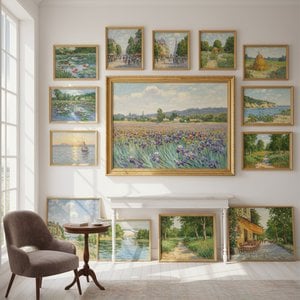
أعلى 10 لوحات طبعت "المشهد الانطباعي": رحلة فنية في عالم الفن الراقي و الديكور
اكتشفوا 10 روائع فنية رسمت "المشهد الانطباعي"! رحلة في عالم مونيه، رينوار و بيسار. استلهموا ألوان الطبيعة و تقنيات الفنانين. ديكور منزلي راقي و لوحات زيتية مميزة. تسوقوا أعمالًا فنية أصيلة على ArtsDot.com

Richard Parkes Bonington: A Brief but Brilliant Career – Romantic Landscapes & the Dawn of Plein Air Painting
Explore the short but impactful career of Richard Parkes Bonington, a pivotal figure bridging British Romanticism & French plein air painting. Discover his luminous landscapes and lasting influence on Delacroix & beyond.

Capturing Fleeting Light: The Enduring Legacy of Impressionist Landscape Painting
Explore the captivating world of Impressionism! Discover its history, key artists, techniques & enduring legacy. Find museum-quality reproductions and expert art consultation at ArtsDot.

