

 معاينة الحجم الواقعي
 مشاركة
 مشاركة
 التفاصيل
 دليل
دليل

 تحميل الملف
 قطع مشابهة
 الأشعة السينية
 عرض شرائح
 الأسئلة والأجوبة
 الإحصائيات
The Forge\n\nReference Image


 عرض المزيد
إن العمل الفني المعروض في هذه الصفحة محمي بموجب قوانين حقوق الطبع والنشر، مما يعني أنه لا يحق لنا قانوناً إنشاء أو بيع نسخ مطابقة له. وتُطبق هذه الحماية بموجب الاتفاقيات الدولية مثل الـ اتفاقية برن ووفقاً للقوانين الوطنية، بما في ذلك تلك المنصوص عليها في قانون حقوق الطبع والنشر في الولايات المتحدة - الباب 17.
تتوافق هذه الطريقة تماماً مع لوائح حقوق النشر لأنها لا تتضمن نسخ أو تكرار العمل الفني المحمي، بل هي إعادة تفسير إبداعية؛ أي أنها لوحة جديدة مستوحاة من الأصل ولكنها ليست مطابقة له.
طباعة جيلي / مطبوعات فنية
طباعة جيكلي أو كانفاس بجودة المتاحف، مع سرعة في التنفيذ وخيارات متنوعة للتشطيب. ( شراء لوحة مرسومة يدويًا الانتقال إلى الصورة الرقمية)




































اختر من بين أحجامنا المُعدّة مسبقاً والتي تتوافق مع النسب الأصلية للعمل الفني.

أدخل العرض والارتفاع المطلوبين ليتناسب المقاس مع إطارك أو جدارك. يرجى الملاحظة أن المطبوعة يمكن قصها فقط ولا يمكن تكبيرها لتتجاوز أبعاد الصورة الأصلية، لذا فإن اختيار مقاس بأبعاد مختلفة سيؤدي إلى فقدان جزء من الصورة. سنرسل لك نموذجاً رقمياً تجريبياً لاعتماده قبل البدء في عملية الطباعة. الصورة المعروضة في هذه الصفحة لا توضح شكل القص الفعلي — النموذج التجريبي فقط هو ما يظهر ذلك بدقة.
توصيل عالمي إلى خلال أسبوعين بدلاً من المدة القياسية البالغة 4/5 أسابيع. (7 نوفمبر)

شحن سريع ومجاني لجميع أنحاء العالم

قماش كتان عالي الجودة

تأمين شامل على الشحن

ضمان استرداد الرسوم الجمركية

ضمان مطابقة الألوان الحقيقية

سياسة الإرجاع خلال 100 يوم (في حالات العيوب فقط)

ضمان استرداد نقدي بنسبة 100%

خصم عند طلب كميات
 خيار الزجاج متاح فقط للمقاسات التي تقل عن 110 سم

The Forge\n\nReference Image
طباعة جيلي / مطبوعات فنية
مقاس النسخة المطبوعة
-


إجمالي السعر النهائي
E£ 3300
الأسئلة والأجوبة
هل ألوان "The Forge\n\nReference Image" للفنان Andrzej Różycki زاهية أم خافتة؟
تتميز ألوان "The Forge\n\nReference Image" للفنان Andrzej Różycki بتشبع بمستوى Muted مع حدة تبلغ Monochromatic.
هل يمكنني فحص "The Forge\n\nReference Image" بمزيد من التفصيل؟
تُعد صفحة الأشعة السينية لعمل "The Forge\n\nReference Image" للفنان Andrzej Różycki عارضاً تفاعلياً يتيح لك التنقل عبر إحدى عشر طبقة بصرية لصورة العمل الفني، بما في ذلك عرض بأسلوب الأشعة السينية (X-ray).
كيف يتشكل التكوين اللوني لـ "The Forge\n\nReference Image" للفنان Andrzej Różycki؟
في "The Forge\n\nReference Image"، يتناغم Gentle التباين مع Strong Color Unity الانسجام.
أعمال فنية ذات صلة


![Urban Light [in Situ] — Christopher Lee Burden, Contemporary Art](/media/artworks/images-thumb/bb/41/bb41e0e98ca1ce05061042408c88a300.jpg)


السيرة الذاتية للفنان
A Visionary of Folklore and Film: The Life and Art of Andrzej Różycki
Andrzej Różycki, a Polish artist who passed away in 2021, was far more than simply a photographer or filmmaker. He was a polymath—a thinker, theorist, multimedia artist whose work delved into the very essence of image-making and its relationship to culture, ritual, and memory. Born in Baranowicze, Poland, in 1942, his early life was marked by displacement following World War II, an experience that would profoundly shape his artistic sensibility. This sense of loss and a fascination with fragmented histories became recurring themes throughout his prolific career. He received his formal training at the Faculty of Fine Arts at Nicolaus Copernicus University in Toruń, laying the groundwork for a practice that seamlessly blended academic rigor with experimental approaches.From Zero-61 to the Film Form Workshop: Early Artistic Development
Różycki’s artistic journey truly began to take form in Łódź, where he settled in 1969 and became deeply involved in the city's vibrant avant-garde scene. He was a key member of the Zero-61 group, an influential collective dedicated to exploring new forms of photographic expression. This period saw him move away from traditional documentary styles toward more conceptual approaches, seeking “positive values” within the medium itself—a search for meaning beyond mere representation. His involvement with the Film Form Workshop at the Polish National Film, Television and Theater School further broadened his horizons, leading to the creation of around sixty films that spanned ethnology, art history, and folk traditions. These weren’t conventional documentaries; they were often poetic explorations, imbued with a philosophical depth that questioned the nature of reality itself.Ethnological Films & The Power of Ritual
Różycki's most significant contribution lies in his unique ethnological films. He didn’t approach folklore as a static relic of the past but as a living, breathing force—a complex system of beliefs and practices that continued to resonate within contemporary Polish society. His work meticulously documented folk rituals, not simply recording them but attempting to understand their underlying symbolism and social function. He collaborated extensively with the Educational Film Studio in Łódź during the 1970s and 80s, producing films that were both artistically innovative and academically insightful. These works often explored the tension between tradition and modernity, highlighting the ways in which ancient customs adapted to changing times. He wasn’t merely an observer; he was a participant, deeply engaged with the communities he filmed, seeking to capture the *spirit* of these traditions rather than simply their outward forms.Fotozofia & The Legacy of Discarded Images
In later years, Różycki’s work took an increasingly introspective turn, focusing on his personal collections of forgotten or obsolete objects and images. This practice, which he termed “Fotozofia” (Photosophy), was a fascinating blend of hoarding, archaeology, and philosophical inquiry. He saw beauty in the discarded—in the remnants of everyday life that others had deemed worthless. These collected fragments became the raw material for his art, prompting reflections on memory, loss, and the ephemeral nature of existence. His 2021 retrospective exhibition, *Import(ance)s. Between Hoarding and Photosophy*, at Fotofestiwal in Łódź, offered a comprehensive overview of this unique artistic trajectory, showcasing five decades of work that challenged conventional notions of art and value. His influence extends beyond the realm of visual arts, impacting fields such as anthropology and cultural studies. Różycki’s legacy is one of relentless curiosity, intellectual rigor, and a profound respect for the power of images to shape our understanding of the world.Historical Significance & Enduring Impact
Andrzej Różycki stands as a pivotal figure in Polish postwar avant-garde art. His work challenged the boundaries between disciplines—photography, film, ethnography, philosophy—creating a truly interdisciplinary practice that continues to inspire artists and scholars today. He was not simply documenting reality; he was actively constructing it, questioning its very foundations. His films offer invaluable insights into Polish folklore and social commentary, while his Fotozofia provides a unique perspective on the relationship between memory, materiality, and identity.- A member of Zero-61 group.
- Co-founder of the Łódź Film Form Workshop.
- Created around sixty films related to ethnology, art, and folk rituals.

Andrzej Różycki
1942 - 2021 , Poland
حقائق سريعة
- Full Name: Andrzej Różycki
- Nationality: Polish
- Date Of Birth: 1942
- Date Of Death: 2021
- Place Of Birth: Baranowicze, Poland
- Notable Artworks: ['The Forge']
- Artistic Movement Or Style: Ethnological films & art
مقالات ذات صلة

Dark Masterpieces: 10 Iconic Paintings Dominated by Black Tones |
Explore 10 iconic paintings dominated by black tones, from Rembrandt’s chiaroscuro to Goya's dark expressions. Discover the stories behind these masterpieces & find museum-quality art reproductions for your home at .
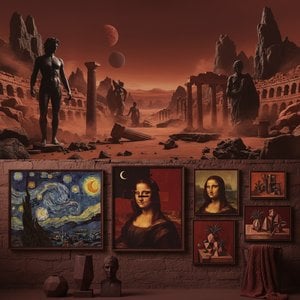
Mars Black Masterpieces: 10 Iconic Paintings & Timeless Art Decor Ideas
Delve into the power of 'Mars Black' with 10 iconic paintings by masters like Rembrandt & Caravaggio. Explore dramatic chiaroscuro, gothic art, and timeless beauty. Find museum-quality reproductions & elevate your home decor on .

Timeless & Chic: Elevating Your New Home with the Sophistication of Black and White Photography
Transform your new home with the timeless allure of black and white photography. ArtsDot.com specializes in elegant monochrome decor and custom hand-painted wedding portraits that turn cherished milestones into lasting, soulful masterpieces. Elevate your space with ease.

Monochrome Visions: Exploring the Aesthetic & Historical Significance of Black & White Photography
Explore the rich history & artistic power of black and white photography. From early techniques to iconic masters like Ansel Adams, discover why monochrome continues to captivate art lovers today. Expert insights for collectors.

White on Canvas: 10 Masterpieces & Timeless Elegance for Your Home Decor
Explore 10 iconic white paintings by Monet, Whistler & Rothko! Discover the stories behind these serene masterpieces and their impact on art history. Find museum-quality reproductions for your home decor at .