


 معاينة الحجم الواقعي
 إرسال
إرسال مشاركة
 عرض التفاصيل
 دليل الأعمال الفنية للطلاب

 تحميل
تحميل
 قطع مشابهة
 الأشعة السينية
 عرض شرائح متتابع
 الإحصائيات
River kordonka
 اقرأ المزيد
احصل على صورة رقمية عالية الدقة ومعزّزة، بجودة تفوق بكثير المعاينة عبر الإنترنت.
يتم إعداد كل ملف بعناية فائقة على أيدي متخصصينا باستخدام أدوات متقدمة ولمسات يدوية خبيرة، لضمان تمتع كل صورة بوضوح استثنائي، ودقة لونية متناهية، وتفاصيل دقيقة.
يتم تسليم الملف النهائي عبر البريد الإلكتروني في غضون 72 ساعة، وهو مُحسَّن للاستخدام الفوري في المجالات المهنية والتحريرية ومجالات الطباعة؛ وهي ذات الجودة التي تعتمد عليها كبرى استوديوهات التصميم ودور النشر والمعارض الفنية المرموقة.
صورة رقمية
حمّل ملفاً عالي الدقة للعرض الشخصي، والطباعة، والمشاريع الإبداعية. ( التبديل إلى المطبوعات اطلب نسخة مرسومة يدويًا)
مزايا مُضمّنة مع كل طلب صورة رقمية
خدمة تسليم رقمي احترافية ومضمونة
عندما تختار ArtsDot.com، فأنت لا تحصل على مجرد صورة فحسب، بل ستحصل على عمل فني رقمي مُحسّن باحترافية، صُمم بدقة متناهية ومصحوب بضمان الرضا. إليك كل ما يتضمنه طلبك تلقائياً:

تسليم سريع عبر البريد الإلكتروني
ستصلك ملفات صورك الرقمية عالية الدقة عبر البريد الإلكتروني في غضون 72 ساعة من إتمام الطلب - لتكون جاهزة للاستخدام الفوري.

ملف رقمي مُعزز بالذكاء الاصطناعي
يتم تحسين عملك الفني باحترافية باستخدام أدوات الذكاء الاصطناعي المتقدمة والتحرير اليدوي، لضمان أقصى درجات التفاصيل والوضوح ودقة الألوان.

إعادة إرسال مجانية مدى الحياة
هل حذفت ملفك أو فقدته عن طريق الخطأ؟ لا تقلق - سنعيد إرساله إليك في أي وقت، مجاناً.

بدون رسوم استيراد - على الإطلاق
استمتع بأعمالك الفنية فوراً دون أي رسوم جمركية أو ضرائب أو مصاريف شحن - فالتحميلات الرقمية دائماً ما تكون معفاة من الضرائب.

ضمان دقة الألوان
نضمن لك دقة انعكاس الألوان الأصلية في صورتك الرقمية بأقصى قدر ممكن، وذلك باستخدام أدوات احترافية وتقنيات متطورة لإدارة الألوان.

ضمان الرضا لمدة 100 يوم
إذا لم تكن راضياً عن صورتك الرقمية، فسنقوم بتعديلها أو استرداد 100% من قيمتها خلال 100 يوم - دون طرح أي أسئلة.

ضمان استعادة الأموال بنسبة 100%
لم تكن راضياً؟ استرد كامل المبلغ خلال 100 يوم من استلام ملفك الرقمي - دون طرح أي أسئلة.

خصومات الطلبات الكبيرة
اشتري 3 صور، ووفر 10% - اشتري 5، ووفر 15% - اشتري +10، ووفر 20%. مثالية للمشاريع الإبداعية، والمعارض، والوكالات.
أعمال فنية مشابهة


سيرة الفنان
Andrei Petrovich Ryabushkin: A Painter of Forgotten Russia
Andrei Petrovich Ryabushkin (1861-1904) remains a compelling, if somewhat enigmatic, figure in the history of Russian art. Born in the small village of Stanichnaya sloboda in Tambov province, his early life was steeped in the traditions of icon painting – his father and brother were skilled artisans who instilled in him a deep respect for craftsmanship and the visual language of religious imagery. This formative experience would profoundly shape his artistic vision, leading him to meticulously recreate scenes from 17th-century Russian life, offering a rare glimpse into a world largely forgotten by mainstream art history. Ryabushkin’s journey wasn't one of grand salons or revolutionary fervor; instead, it was a quiet pilgrimage through the heartland of Russia, seeking truth and authenticity in the faces and routines of its ordinary people.Early Influences and Artistic Training
Ryabushkin’s artistic development began unexpectedly. A chance encounter with Alexander Preobrazhensky, a student of Vasily Perov at the Moscow School of Painting, Sculpture and Architecture, proved pivotal. Impressed by the young boy's raw talent – evidenced in his sketches – Preobrazhensky took him under his wing, securing his place at the prestigious institution. Ryabushkin’s time at Moscow was marked by a rigorous apprenticeship under Perov and Illarion Pryanishnikov, both key figures of the *Peredvizhniki* (Wanderers) movement, known for their commitment to depicting Russian life with unflinching realism. However, the rigid academic demands of the school ultimately proved stifling. He quickly developed a distinct style, one characterized by painstaking detail and an almost obsessive attention to historical accuracy. This departure from the prevailing artistic trends would later define his unique contribution.A Journey into Russia’s Past
Following his time in Moscow, Ryabushkin moved to Saint Petersburg, seeking further refinement at the Imperial Academy of Arts. Yet, he found the academy's emphasis on idealized historical narratives and formal techniques deeply unsatisfying. Instead of pursuing a diploma work – a traditional path to recognition – he embarked on an extraordinary journey across ancient Russian towns: Novgorod, Kiev, Moscow, Uglich, and Yaroslavl. This deliberate choice was not merely a nostalgic exercise; it was a profound act of research. Ryabushkin sought to understand the past by immersing himself in its tangible remnants—the weathered facades of medieval churches, the worn fabrics of peasant clothing, the tools of their trades, and most importantly, the faces of the people themselves. He meticulously documented these details, transforming them into his primary subjects. His travels were not just a visual survey; they were an attempt to reconstruct a vanished world, one painstakingly rendered in oil paint.Key Works and Artistic Style
Ryabushkin’s most celebrated works are deeply rooted in the 17th century. “Peasant Wedding” (1880), purchased by Pavel Tretyakov, marked his initial success and established his reputation for meticulous realism. However, it was his later paintings that truly showcased his artistic maturity. "In a Village. Going to Liturgy" (1903) exemplifies his style—a quiet tableau of rural life, imbued with a sense of solemnity and timelessness. The muted palette, the subtle lighting, and the carefully observed details create an atmosphere of profound stillness. Similarly, “In the Village” (1902) captures a moment of communal activity – a young man breaking into a girls’ dance—with remarkable sensitivity and psychological insight. His work on the mosaics for Saint Sophia Cathedral in Novgorod and the frescoes for the Church of the Savior on Blood in Saint Petersburg further demonstrated his mastery of decorative arts, blending historical accuracy with artistic skill.Legacy and Historical Significance
Despite his undeniable talent and dedication to authenticity, Ryabushkin’s work was largely misunderstood during his lifetime. His paintings, depicting the everyday lives of ordinary Russians, lacked the dramatic flair or social commentary favored by many contemporary critics and patrons. He didn't fit neatly into the established artistic categories of his time. His commitment to historical accuracy, coupled with a lack of emotional engagement, resulted in rejection from the *Peredvizhniki* movement and limited recognition within the art establishment. However, Ryabushkin’s legacy has grown steadily over the years. Today, he is recognized as a significant figure in Russian realist painting, offering a valuable window into a forgotten era. His meticulous depictions of 17th-century Russia—its customs, its crafts, and its people—provide a unique and enduring testament to a vanishing world. His work serves as a poignant reminder that true art often lies not in grand gestures or dramatic narratives, but in the quiet observation of everyday life. He died young, at the age of 42, leaving behind a body of work that continues to fascinate and inspire.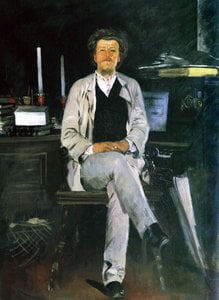
andrei petrovich ryabushkin
1861 - 1904 , Russia
حقائق سريعة
- Artistic Movement Or Style: Historical genre
- Artists Who Influenced This Artist:
- Vasily Perov
- Illarion Pryanishnikov
- Pavel Chistyakov
- Date Of Birth: 1861-10-29 (Tambov, Russia)
- Date Of Death: 1904-05-10
- Full Name: Andrei Petrovich Ryabushkin
- Nationality: Russian
- Notable Artworks:
- Peasant Wedding
- In a Village. Going to Liturgy
- In the Village
- Place Of Birth: Tambov, Russia