

 معاينة الحجم الحقيقي
 مشاركة
 مشاركة
 التفاصيل
 الدليل

 تحميل الملف
 قطع مشابهة
 الأشعة السينية
 عرض شرائح
 الإحصائيات
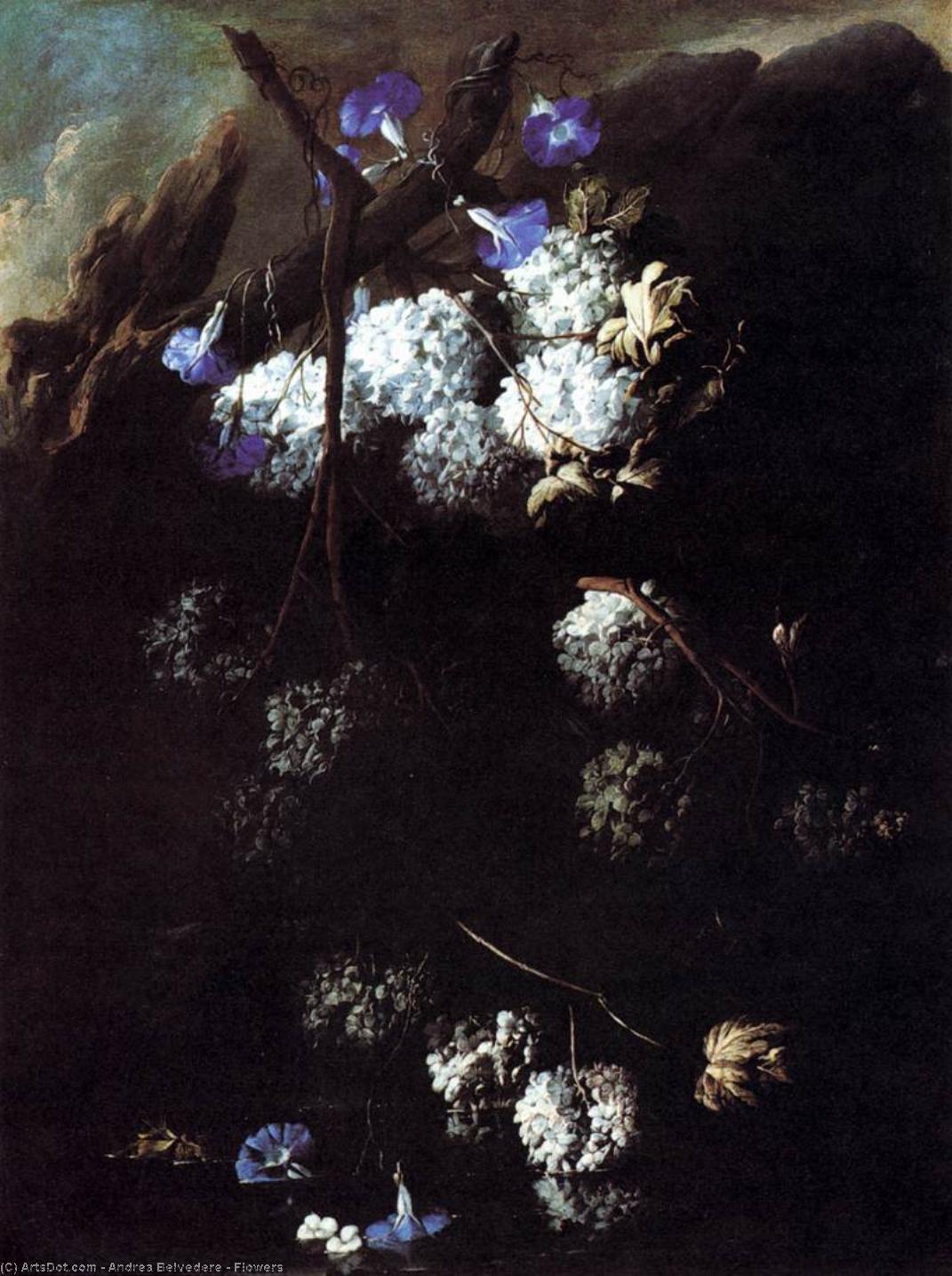
Flowers


 عرض المزيد
نسخة زيتية مصنوعة يدوياً
لوحة زيتية مرسومة يدوياً على الكانفاس بالمقاس والإطار الذي تفضله، تُنفذ حسب الطلب على أيدي فنانينا. ( التحويل إلى المطبوعات الانتقال إلى الصورة الرقمية)




































اختر من بين أحجامنا المُعدّة مسبقًا والتي تتطابق مع النسب الأصلية للعمل الفني.

يمكنك إدخال أبعادك الخاصة لتناسب إطارًا معينًا أو مساحة محددة. وإذا لم يتطابق الحجم الذي اخترته مع نسب الصورة الأصلية، فسنقوم إما بقص العمل الفني أو توسيع اللوحة بإضافة عناصر مرسومة يدويًا. سيتم إرسال نموذج رقمي إليك للموافقة عليه قبل بدء الإنتاج.
يرجى ملاحظة أن المعاينة على الشاشة لا تعكس عملية القص أو التوسيع الفعلية؛ حيث إن النموذج الرقمي وحده هو الذي سيوضح التكوين النهائي بدقة.
وعلى الرغم من توفر أحجام مخصصة، إلا أننا نوصي باختيار أبعاد من القائمة المحددة مسبقًا للحفاظ على النسب الأصلية للعمل الفني.
بعد إتمام الطلب، سيرسل فريق ArtsDot.com بريداً إلكترونياً للعميل لطلب التعليمات وتزويده بمعاينة تجريبية (mockup).
توصيل عالمي إلى خلال 3 إلى 4 أسابيع بدلاً من المدة المعتادة البالغة 5 أسابيع. (22 سبتمبر). جودة لا تهاون فيها.

شحن سريع ومجاني لجميع أنحاء العالم

قماش كتان عالي الجودة

تأمين شحن شامل

ضمان استرداد الرسوم الجمركية

ضمان مطابقة الألوان الحقيقية

سياسة الإرجاع خلال 100 يوم (في حالات العيوب فقط)

ضمان استرداد نقدي بنسبة 100%

خصم عند طلب عدة قطع
 خيار الزجاج متاح فقط للمقاسات التي تقل عن 110 سم

Flowers
خامة إعادة الإنتاج
مقاس النسخة المطبوعة
-


السعر الإجمالي النهائي
$ 263
أعمال فنية ذات صلة


السيرة الذاتية للفنان
The Luminous Legacy of Andrea Belvedere
Belvedere emerged from the vibrant and often turbulent artistic landscape of late 17th-century Italy as a painter of singular focus and profound delicacy. While historical accounts once fluctuated regarding his exact beginnings, scholarly consensus now places his emergence in Pavia around 1652, leading him eventually into the heart of the Neapolitan Baroque. His early years were steeped in the dramatic traditions of his contemporaries; the influence of masters such as Giuseppe Recco and Giovan Battista Ruoppolo was unmistakable, imparting to his brush a foundational sense of vitality and an appreciation for the interplay of light and shadow.As his talent matured, Belvedere began to distance himself from the overt theatricality that characterized much of the Neapolitan school. Rather than pursuing the heavy, Caravaggio-esque drama found in the works of Paolo Porpora, he sought a more restrained and meticulous aesthetic. This evolution was deeply informed by the Flemish masters, particularly Abraham Brueghel, whose influence encouraged Belvedere to embrace a style defined by botanical precision and an almost scientific observation of nature.
A Refined Vision Beyond the Theatrical
His canvases became windows into a quiet, exquisite world where every petal and dewdrop held significance. He moved away from mere decoration, striving instead for a truth found in the subtle textures of floral arrangements and animal specimens. This dedication to the essence of his subjects allowed him to revitalize the still life genre at a time when its popularity in Naples was beginning to wane. His ability to capture the ephemeral beauty of nature with such clarity made him a pioneer of a more contemplative Baroque style.Belvedere’s mastery was not merely a matter of technique but of spirit, as he successfully balanced the grandeur of the era with an intimate, observational grace. This unique approach attracted a generation of younger artists who sought to emulate his ability to breathe life into the inanimate, ensuring that his stylistic innovations would ripple through the Neapolitan school for years to come.
The Spanish Court and the Final Act
Belvedere’s reputation eventually carried him far beyond the borders of Italy. In the late 17th century, his growing notoriety earned him an invitation to the Spanish court by King Charles II. This period marked one of the most prestigious chapters of his career, as he contributed to the grandeur of Spain and worked alongside the legendary Luca Giordano in the decoration of the magnificent Escorial Palace. His time in Spain solidified his status as a master craftsman of international standing.His influence extended through several notable followers who carried forward his distinctive approach:
- Gasparo Lopez
- Baldassare de Caro
- Tommaso Realfonso
- Nicola Casissa
Yet, the artist's journey did not end with the brush. Upon his return to Naples, Belvedere underwent a final, unexpected transformation, abandoning the easel to devote himself entirely to the world of theatrical activity. Though he left behind a legacy of breathtakingly beautiful still lifes that continue to captivate the eye, his life remained as dynamic and multifaceted as the very subjects he once immortalized on canvas.

Andrea Belvedere
1944 - , Italy
حقائق سريعة
- Artistic Movement Or Style: Baroque
- Artists Or Movements Influenced By This Artist:
- Gasparo Lopez
- Baldassarre de Caro
- Artists Who Influenced This Artist:
- Giuseppe Recco
- Abraham Brueghel
- Date Of Birth: Pavia, Italy (1652)
- Date Of Death: Naples (1732)
- Full Name: Andrea Belvedere
- Nationality: Italian
- Notable Artworks:
- Flowers and Ducks
- Flowers
- Place Of Birth: Italy