


 معاينة الحجم الواقعي
 إرسال
إرسال مشاركة
 عرض التفاصيل
 دليل الأعمال الفنية للطلاب

 تحميل
تحميل
 قطع مشابهة
 الأشعة السينية
 عرض شرائح متتابع
 الإحصائيات
(80)


 اقرأ المزيد
نسخة زيتية مصنوعة يدوياً
لوحة زيتية مرسومة يدوياً على الكانفاس بالمقاس والإطار الذي تفضله، تُنفذ حسب الطلب على أيدي فنانينا. ( التبديل إلى المطبوعات التحويل إلى الصورة الرقمية)




P118B E£10

P118H E£10

P118W E£10

P438Z E£10

P508JH E£12

P508YH E£12

P805H E£10

P805Z E£10

P919BZ E£10

P919G E£10

P919XJ E£10

P959ZH E£10

P968JZ E£12

W106C E£8

W218G E£10

W218JH E£8

W218Y E£10

W307PJ E£10

W316G E£10

W316PJ E£8

W316Y E£10

W398PJ E£8

W4111J E£10

W500HY E£15

W500JH E£15

W692G E£12

W849H E£8

W940BG E£15

W953PJ E£8




اختر من بين أحجامنا المُعدّة مسبقاً والتي تتوافق مع النسب الأصلية للعمل الفني.

أدخل العرض والارتفاع اللذين تحتاجهما، ليتناسب العمل مع إطارك أو جدارك. وبما أن هذه اللوحة مرسومة يدوياً، ففي حال اختيار مقاس بشكل مختلف، يمكن للفنان رسم مساحة إضافية حول الصورة أو تقليصها قليلاً — الخيار لك. سنرسل لك نموذجاً رقمياً تجريبياً لاعتماده قبل البدء في الرسم. علماً بأن الصورة المعروضة في هذه الصفحة لا تعكس النتيجة النهائية الحقيقية — فالنموذج التجريبي هو الوحيد الذي يوضح ذلك بدقة.
بعد إتمام الطلب، سيرسل فريق ArtsDot.com بريداً إلكترونياً للعميل لطلب التعليمات وتزويده بمعاينة تجريبية (mockup).
توصيل عالمي إلى خلال 3 إلى 4 أسابيع بدلاً من المدة المعتادة البالغة 5 أسابيع. (21 أكتوبر). جودة لا تهاون فيها.

شحن سريع ومجاني لجميع أنحاء العالم

قماش كتان فاخر

تأمين شامل على الشحن

ضمان استرداد الرسوم الجمركية

ضمان دقة مطابقة الألوان

سياسة الإرجاع خلال 100 يوم (في حالات العيوب فقط)

ضمان استرداد نقدي بنسبة 100%

عرض خصم الكميات
 خيار الزجاج متاح فقط للمقاسات التي تقل عن 110 سم

(80)
وسيط إعادة الإنتاج
مقاس النسخة المطبوعة
-


إجمالي السعر
E£ 13580
A Vision of Femininity and Mythic Harmony
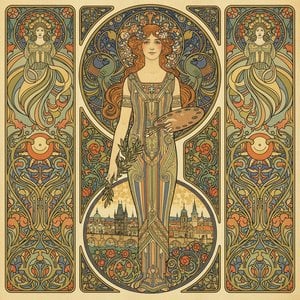
In the golden twilight of the nineteenth century, few names evoke the sinuous elegance of the Belle Époque quite like Alphonse Mucha. His masterpiece, “The Slavonic Uprising,” stands as a breathtaking testament to the Art Nouveau movement, a period defined by its rejection of rigid academic structures in favor of organic, flowing lines and opulent ornamentation. Within this composition, we encounter a profound engagement with mythology and symbolism, where the boundaries between the human spirit and the natural world begin to dissolve. Mucha does not merely present a portrait; he invites the viewer into a dreamscape where idealized femininity meets the deep, resonant echoes of Slavic folklore.
The central figure of the work serves as an anchor for this mythic narrative—a woman whose presence is both ethereal and commanding. Draped in silks that seem to catch an unseen breeze, she embodies a sense of graceful movement that is characteristic of Mucha’s celebrated style. As her hair cascades down her shoulders like a waterfall of shimmering gold, it reflects the artist's meticulous fascination with botanical textures and natural forms. This fluidity is further enhanced by the presence of birds that dance through the composition, adding layers of depth and a rhythmic pulse to the scene, as if the very air around her is alive with song and motion.
The Alchemy of Line and Color
To behold this work is to witness a masterclass in technical precision. Mucha’s approach was far from accidental; it was a disciplined study of anatomy and botanical illustration blended with an almost magical use of color. Utilizing the delicate layering of thin washes—often employing tempera on canvas—he achieved a luminous surface that appears to glow from within. This technique creates a shimmering, pearlescent quality that makes the subject appear as though she is bathed in a soft, celestial light.
Every detail, from the intricate patterns on her garments to the delicate feathers of her avian companions, is rendered with an astonishing level of care. For the discerning collector or interior designer, this level of detail offers a profound visual richness. The way the colors interact—soft pastels meeting deeper, more resonant tones—creates a balanced palette that can anchor a room with both sophistication and warmth. It is a symphony of line and color that captures the eye and holds it, rewarding repeated observation with new discoveries in every curve and shadow.
Symbolism and the Soul of Art Nouveau
Beyond its aesthetic splendor, “The Slavonic Uprising” is deeply rooted in a complex web of allegory. Mucha’s work often sought to elevate the human experience through visual storytelling, weaving together Christian iconography and Slavic legends to create something transcendent. The interplay between the woman and the birds suggests a harmony between civilization and nature, a central theme of the Art Nouveau ethos. This piece is not just an object of beauty; it is a narrative vessel that carries the weight of cultural identity and spiritual aspiration.
For those seeking to bring a sense of historical depth and emotional resonance into a curated space, this reproduction offers more than mere decoration. It provides a window into a lost era of romanticism and intellectual curiosity. Whether placed in a grand salon or a quiet study, the painting radiates an aura of timeless elegance, making it an incomparable choice for anyone looking to inspire awe and contemplation through the enduring power of fine art.
الأسئلة والأجوبة
كم عدد الأشخاص الذين يشاهدون "(80)"؟
توجد صفحة الإحصائيات خاصة بـ "(80)"، حيث تعرض مخططاً للزيارات الشهرية لهذا العمل الفني ولأعمال الفنان الأخرى، مع تفصيل حسب الدولة واللغة.
هل يمكنني رؤية "(80)" للفنان ألفونس موشا تحت إضاءات مختلفة؟
تُعد صفحة الأشعة السينية لعمل "(80)" للفنان ألفونس موشا عرضاً تفاعلياً يتيح لك التمرير عبر إحدى عشر طبقة بصرية لصورة العمل الفني، بما في ذلك عرض بأسلوب الأشعة السينية (X-ray).
ما هي الأجواء التي يضفيها "(80)"؟
تتمثل الحالة المزاجية العامة لـ "(80)" للفنان ألفونس موشا في Romantic. وتصف هذه الحالة الأجواء العامة للعمل الفني.


نبذة عن الفنان
الحياة المبكرة والتعليم
- وُلد: في 15 يوليو 1860، في إيفانيتشيتسه، مورافيا (الآن جزء من جمهورية التشيك).
- أظهر موهبة فنية منذ صغره.
- درس في أكاديمية الفنون الجميلة في براغ لكنه شعر بخيبة أمل من الأساليب التقليدية.
- انتقل إلى باريس عام 1887 لمتابعة أسلوبه الخاص.
الأسلوب الفني والأعمال البارزة
- معروف بأسلوبه المتميز في فن الآرت نوفو الذي يتميز بالخطوط المتدفقة والأشكال العضوية والشعور بالحركة.
- تأثر بفنانين مثل بيير أوغوست رينوار وغوستاف موروه.
- الأعمال البارزة:
- النهضة السلافية - يظهر مزيجًا من الدوافع التشيكية التقليدية مع عناصر فن الآرت نوفو الحديثة.
- صالون مئة
- لوحات مستوحاة من أعمال مثل بنات تسبيو لغوستاف موروه، و لا ريبامبل دي غوبيلينز لبيرو دورازيو.
- رسومات مستوحاة من مزارعو الشباب الذين يكسرون الكتان لسير هوبيرت فون هيركومر.
- غالبًا ما عرض نساء مثالية في أردية متدفقة محاطة بالزهور الغنية.
أبرز المحطات المهنية والعمولات الرئيسية
- التعاون مع سارة برنهاردت: أنشأ ملصقات وتصميمات للممثلة سارة برنهاردت، بدءًا بملصق جيزموندا (1894)، الذي أطلق مسيرته المهنية.
- المعرض العالمي في باريس (1900): اكتسب أسلوبه في فن الآرت نوفو اعترافًا دوليًا في هذا المعرض. قام بتزيين جناح البوسنة والهرسك وتعاون في الجناح النمساوي.
- رعاية تشارلز ريتشارد كرين: تلقى دعمًا من تشارلز ريتشارد كرين، مما مكنه من إنشاء سلسلة الملاحم السلافية الضخمة (1912-30).
- تشيكوسلوفاكيا المستقلة: صمم طوابع بريدية وأوراق نقدية ومستندات حكومية لتشيكوسلوفاكيا المستقلة حديثًا.
التأثيرات والإرث
- تأثر بالتقاليد الفنية التشيكية والحركات الفنية الأوروبية الحديثة.
- مهد أسلوبه الفريد الطريق للأجيال القادمة من الفنانين في فن الآرت نوفو والاتجاه الانفصالي.
- ألهم فنانين آخرين مثل إيفا بروكوبكوفا.
- يمتد إرثه إلى ما هو أبعد من أعماله الفنية ليشمل التأثير على التصميم والجماليات.
الحياة اللاحقة والموت
- تزوج ماروشكا (ماري/ماريا) تشيتيلوفا عام 1906.
- زار الولايات المتحدة من 1906-1910، حيث ولدت ابنته جاروسلافا.
- توفي في 14 يوليو 1939، في براغ، تشيكوسلوفاكيا.

ألفونس موشا
1860 - 1939 , جمهورية التشيك
لمحة سريعة
- أعمال بارزة:
- النهضة السلافية
- صالون مئة
- ابنات تسبيو
- الاسم الكامل: ألفونس ماريا موخا
- الجنسية: تشيكي
- الحركة الفنية: فن الآرت نوفو
- تاريخ الميلاد: 15 يوليو 1860
- تاريخ الوفاة: 1939
- فنانون مؤثرون:
- بيير أوغست رينوار
- جوستاف موروه
- فنانون متأثرون: ['إيفا بروكوبكوفا']
- مكان الميلاد: برنو، جمهورية التشيك
مقالات ذات صلة

أفضل 10 روائع تحدد حركة فن الآرت نوفو: رحلة في عالم الجمال الفني الراقي
اكتشف روائع فن الآرت نوفو! استكشف 10 أعمال فنية خالدة مع Mucha و Klimt وغيرهم. قصص الفنانين، الأساليب المبتكرة، وألوان ساحرة. احصل على تحف فنية عالية الجودة من ArtsDot.com واستلهم ديكور منزلك!
Alphonse Mucha: A Comprehensive Exploration of Art Nouveau's Master of Decorative Symbolism
Explore the life & art of Alphonse Mucha, master of Art Nouveau! Discover his iconic posters, stunning illustrations, and the monumental Slav Epic. A comprehensive guide for collectors & enthusiasts.

The Flowing Line & Flourishing Form: Exploring Art Nouveau's Aesthetic Legacy
Explore the captivating world of Art Nouveau! Discover its origins, key artists like Horta & Mucha, regional styles, innovative techniques, and lasting influence on architecture & design. A comprehensive guide for art enthusiasts.

The Gilded Age Reimagined: Exploring the Aesthetic Principles & Enduring Legacy of Art Deco
Explore the captivating world of Art Deco! Discover its origins, defining features, cultural impact & enduring legacy. Expert insights for collectors and design enthusiasts. Shop handmade reproductions at ArtsDot.

Feathered Visions: A Historical & Artistic Exploration of Birds in Painting
Explore the rich history of birds in painting! Discover symbolism, artistic movements & master artists like Audubon. High-quality reproductions available at ArtsDot.