

 معاينة الحجم الواقعي
 مشاركة
 مشاركة
 التفاصيل
 دليل
دليل

 تحميل الملف
 قطع مشابهة
 الأشعة السينية
 عرض شرائح
 Q&A
Q&A الإحصائيات
Light Blue Nursery

- 124.0 x 121.0 cm


 عرض المزيد
إن العمل الفني المعروض في هذه الصفحة محمي بموجب قوانين حقوق الطبع والنشر، مما يعني أنه لا يحق لنا قانوناً إنشاء أو بيع نسخ مطابقة له. وتُطبق هذه الحماية بموجب الاتفاقيات الدولية مثل الـ اتفاقية برن ووفقاً للقوانين الوطنية، بما في ذلك تلك المنصوص عليها في قانون حقوق الطبع والنشر في الولايات المتحدة - الباب 17.
تتوافق هذه الطريقة تماماً مع لوائح حقوق النشر لأنها لا تتضمن نسخ أو تكرار العمل الفني المحمي، بل هي إعادة تفسير إبداعية؛ أي أنها لوحة جديدة مستوحاة من الأصل ولكنها ليست مطابقة له.
طباعة جيلي / مطبوعات فنية
طباعة جيكلي أو كانفاس بجودة المتاحف، مع سرعة في التنفيذ وخيارات متنوعة للتشطيب. ( شراء لوحة مرسومة يدويًا الانتقال إلى الصورة الرقمية)




P118B E£10

P118H E£10

P118W E£10

P438Z E£10

P508JH E£12

P508YH E£12

P805H E£10

P805Z E£10

P919BZ E£10

P919G E£10

P919XJ E£10

P959ZH E£10

P968JZ E£12

W106C E£8

W218G E£10

W218JH E£8

W218Y E£10

W307PJ E£10

W316G E£10

W316PJ E£8

W316Y E£10

W398PJ E£8

W4111J E£10

W500HY E£15

W500JH E£15

W692G E£12

W849H E£8

W940BG E£15

W953PJ E£8




اختر من بين أحجامنا المُعدّة مسبقاً والتي تتوافق مع النسب الأصلية للعمل الفني.

أدخل العرض والارتفاع المطلوبين ليتناسب المقاس مع إطارك أو جدارك. يرجى الملاحظة أن المطبوعة يمكن قصها فقط ولا يمكن تكبيرها لتتجاوز أبعاد الصورة الأصلية، لذا فإن اختيار مقاس بأبعاد مختلفة سيؤدي إلى فقدان جزء من الصورة. سنرسل لك نموذجاً رقمياً تجريبياً لاعتماده قبل البدء في عملية الطباعة. الصورة المعروضة في هذه الصفحة لا توضح شكل القص الفعلي — النموذج التجريبي فقط هو ما يظهر ذلك بدقة.
توصيل عالمي إلى خلال أسبوعين بدلاً من المدة القياسية البالغة 4/5 أسابيع. (2 نوفمبر)

شحن سريع ومجاني لجميع أنحاء العالم

قماش كتان عالي الجودة

تأمين شامل على الشحن

ضمان استرداد الرسوم الجمركية

ضمان مطابقة الألوان الحقيقية

سياسة الإرجاع خلال 100 يوم (في حالات العيوب فقط)

ضمان استرداد نقدي بنسبة 100%

خصم عند طلب كميات
 خيار الزجاج متاح فقط للمقاسات التي تقل عن 110 سم

Light Blue Nursery
طباعة جيلي / مطبوعات فنية
مقاس النسخة المطبوعة
-


إجمالي السعر النهائي
E£ 3243
A Symphony in Squares: Exploring Alma Thomas's "Light Blue Nursery"
To stand before Alma Thomas’s "Light Blue Nursery" is to step into a vibrant dreamscape, a place where pure color sings and structure finds joyous release. This painting, executed in 1968, is not merely an arrangement of hues; it is a celebration of childhood wonder filtered through the masterful hand of an artist whose life was itself a testament to enduring spirit. The composition immediately arrests the eye with its dazzling array of blues, reds, yellows, greens, purples, oranges, pinks, and whites. These colors do not simply coexist; they engage in a lively, rhythmic conversation across the canvas.
Technique and Visual Texture
What makes this piece so captivating is the meticulous yet seemingly effortless application of paint. Thomas employs a technique characterized by small, interlocking squares that form intricate stripes throughout the entire surface. This grid-like structure provides an underlying sense of order—a foundational rhythm—while the sheer riot of color prevents any feeling of rigidity. Upon closer inspection, one can appreciate the careful layering and variation within each square. It suggests a painstaking dedication to pattern, transforming what could be a simple geometric exercise into something profoundly lyrical. The close-up view reveals the texture inherent in her brushwork, inviting the viewer to trace the paths of color with their own gaze.
Symbolism of Color and Space
The title itself, "Light Blue Nursery," anchors the piece in themes of innocence, nurturing, and nascent life. The nursery setting inherently suggests potential—the promise of growth and discovery. Symbolically, the vibrant clash and harmony of colors speak to the complexity of early experience; joy mixed with curiosity, learning intertwined with play. Alma Thomas’s use of such a broad spectrum suggests that childhood itself is not monochromatic but rather a dazzling, multifaceted explosion of sensation. The blue tones, perhaps evoking tranquility or the vastness of sky, act as a grounding element against the exuberant bursts of warmer colors.
Historical Resonance and Emotional Impact
Painted in 1968, this work emerges from a period of immense cultural dynamism, yet it retains an eternal quality. Alma Thomas’s career spanned decades marked by significant social change, and her art reflects a persistent vitality. For the modern collector or designer, "Light Blue Nursery" offers more than just decoration; it is an emotional anchor. It possesses an undeniable uplifting energy that can revitalize any space—be it a sunlit sitting room, a creative studio, or a thoughtfully designed nursery itself. Owning this piece means inviting a spirit of unbridled creativity and optimistic beauty into your daily life.
Bringing the Art Home
Whether you are seeking a focal point for an eclectic gallery wall or desire a single piece that radiates pure joy, the scale of 124 x 121 cm allows this vibrant energy to command attention beautifully. We offer high-quality reproductions designed to capture the depth and luminosity of Thomas’s original vision. Imagine the subtle interplay of light across these painted squares in your own home—a constant, gentle reminder of life's inherent, beautiful complexity.
الأسئلة والأجوبة
ما مدى تشبع وكثافة الألوان في "Light Blue Nursery" للفنان Alma Thomas؟
تتميز ألوان "Light Blue Nursery" للفنان Alma Thomas بتشبع بمستوى Clear Color Presence مع حدة تبلغ Balanced.
هل يتوفر "Light Blue Nursery" كنسخة مطبوعة فنية فاخرة؟
يمكنكم الحصول على نسخة مطبوعة من "Light Blue Nursery" عبر مطبوعة فنية فاخرة على قماش قطني أو ورق كانفاس أرشيفي. كما يمكنكم تقديم طلباتكم بالحجم الذي تفضلونه من خلال صفحة مطبوعة فنية فاخرة.
هل تتميز لوحة "Light Blue Nursery" بتباين قوي بين الضوء والظلال؟
يبلغ مستوى التباين بين الضوء والظلال في "Light Blue Nursery" درجة Statement؛ ويُعبر التباين عن مدى قوة الاختلاف بين المناطق الفاتحة والمظلمة.
أعمال فنية ذات صلة


السيرة الذاتية للفنان
Alma Thomas: A Life in Color
Early Life and Education
- Born: 1891 in Columbus, Georgia, Alma Woodsey Thomas was the eldest of four children. Her parents were John Harris Thomas, a businessman, and Amelia Cantey Thomas, a dress designer.
- The family relocated to the Logan Circle neighborhood of Washington, D.C., in 1907 due to racial violence and seeking better educational opportunities.
- Early Artistic Inclinations: From a young age, Thomas displayed artistic talent, creating puppets and sculptures at home.
- She attended Armstrong Technical High School, taking her first formal art classes.
- Thomas pursued education at Miner Normal School (later University of the District of Columbia) from 1911 to 1913, focusing on kindergarten education.
Career as an Educator
- Thomas began her career as a substitute teacher in Maryland before securing a permanent position in 1914.
- From 1916 to 1923, she taught kindergarten at the Thomas Garrett Settlement House in Wilmington, Delaware.
- In 1921, she enrolled at Howard University as a home economics student but soon switched her focus to fine art under James V. Herring.
- Groundbreaking Graduate: She earned her B.S. in Fine Arts from Howard University in 1924, becoming the first graduate of the university’s fine arts program.
- Thomas dedicated over three decades to teaching at Shaw Junior High School (1924-1960), fostering a community arts program that included marionette performances and student-designed holiday cards for veterans.
- She earned her M.A. in Art Education from Columbia University in 1934, and continued studies at American University under Jacob Kainen (1950-1960).
Artistic Development & Influences
- Early Style: Thomas’s early work was representational, but her style evolved towards abstraction through studies with Herring and Lois Mailou Jones.
- Key Influences: She drew inspiration from West African paintings, Byzantine mosaics, and the color field movement.
- Her exposure to the work of the New York School and Abstract Expressionism at American University significantly impacted her artistic direction.
- She was inspired by Matisse’s cutouts, notably reinterpreting “The Snail” in her painting “Watusi (Hard Edge).”
Mature Work & Artistic Style
- Color Field Paintings: Thomas became known for her vibrant, abstract color field paintings characterized by pattern, rhythm, and bold use of color.
- Her work often reflected themes inspired by nature, space, and music.
- Notable Works: Include “Watusi (Hard Edge),” “Celestial Fantasy,” “Wind and Crepe Myrtle Concerto,” and “Sky Light.”
- She frequently sought inspiration from the effects of light and atmosphere on rural environments, often driving into the countryside with friend Delilah Pierce.
Recognition & Legacy
- Late Recognition: Thomas gained significant recognition after her retirement from teaching in 1960.
- Her first retrospective exhibit was held at the Gallery of Art at Howard University in 1966, curated by James A. Porter.
- Groundbreaking Exhibition: In 1972, she became the first African American woman to have a solo exhibition at the Whitney Museum of American Art and the Corcoran Gallery of Art in the same year.
- Thomas passed away in 1978, leaving behind a legacy as a pioneering artist who defied labels and embraced her creative vision.
- Historical Significance: Alma Thomas’s work challenged racial barriers within the art world and contributed significantly to the development of abstract expressionism and color field painting.

Alma Thomas
1891 - 1978
حقائق سريعة
- Name: Alma Thomas
- Movement:
- Washington Color School
- Abstract Expressionism
- Color Field Painting
- Birth Date: 1891
- Death Date: 1978
- Birth Place: Columbus, Georgia
- Nationality: American
- Date Of Birth: 1891
- Date Of Death: 1978
- Influenced By:
- James V. Herring
- Lois Mailou Jones
- Jacob Kainen
- Matisse
- Notable Works:
- Watusi (Hard Edge)
- Celestial Fantasy
- Wind and Crepe Myrtle Concerto
- Sky Light
مقالات ذات صلة

Beyond Form & Color: Geometric Abstraction's Evolution in 20th/21st Century Art
Explore the evolution of geometric abstraction from Cubism to contemporary art. Discover key artists like Malevich & Mondrian, investment insights, and expert collecting advice at ArtsDot.

Mastering Abstraction: The 25 Most Iconic Works by Wassily Kandinsky
Explore 25 iconic Kandinsky masterpieces and the birth of abstraction. Discover the full collection online at ArtsDot.com.
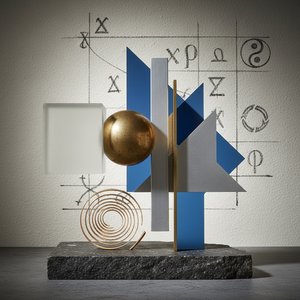
Beyond Form: Exploring the Philosophical Foundations of Geometric Abstraction
Explore the philosophical roots & artistic evolution of geometric abstraction with ArtsDot. Discover Mondrian, Malevich, De Stijl & more. Expert insights for collectors and art enthusiasts.

Beyond Form & Color: Geometric Abstraction's Enduring Legacy in Art History
Explore the captivating world of geometric abstraction! Discover its origins, key artists like Malevich & Mondrian, and why this movement remains highly valued by art collectors today. Expert insights at ArtsDot.

أكثر 10 روائع فنية حدّدت حركة التجريد الهندسي | ArtsDot.com
اكتشف 10 روائع فنية غيرت مسار التجريد الهندسي! تعرف على بيكاسو، موندريان وماليفيتش وغيرهم. لوحات أصلية وإعادة إنتاج فاخرة لديكور عصري. استلهم منزلك مع ArtsDot.com