


 إرسال
إرسال مشاركة
 عرض التفاصيل
 دليل الأعمال الفنية للطلاب

 تحميل
تحميل
 قطع مشابهة
 عرض شرائح متتابع
 الإحصائيات
Model for
 Sculpture Bronze
- Late 19th Century Sculpture
 19th Century
 27.0 x 67.0 cm
 تيت بريطانيا
 اقرأ المزيد
طباعة جيلي / مطبوعات فنية
طباعة جيكلي أو كانفاس بجودة المتاحف، مع سرعة في التنفيذ وخيارات متنوعة للتشطيب. ( اطلب نسخة مرسومة يدويًا التحويل إلى الصورة الرقمية)




































اختر من بين أحجامنا المُعدّة مسبقاً والتي تتوافق مع النسب الأصلية للعمل الفني.

أدخل العرض والارتفاع اللذين تحتاجهما، ليتناسب مع إطارك أو جدارك. يمكن قص المطبوعة فقط، ولا يمكن أبداً جعلها أكبر من الصورة الأصلية، لذا فإن أي مقاس بشكل مختلف سيؤدي إلى فقدان جزء من الصورة. سنرسل لك نموذجاً رقمياً تجريبياً لاعتماده قبل البدء في عملية الطباعة. الصورة المعروضة في هذه الصفحة لا توضح القص الفعلي — النموذج التجريبي فقط هو ما يظهر ذلك.
توصيل عالمي إلى خلال أسبوعين بدلاً من المدة القياسية البالغة 4/5 أسابيع. (18 أكتوبر)

شحن سريع ومجاني لجميع أنحاء العالم

قماش كتان فاخر

تأمين شامل على الشحن

ضمان استرداد الرسوم الجمركية

ضمان دقة مطابقة الألوان

سياسة الإرجاع خلال 100 يوم (في حالات العيوب فقط)

ضمان استرداد نقدي بنسبة 100%

عرض خصم الكميات
 خيار الزجاج متاح فقط للمقاسات التي تقل عن 110 سم

Model for
طباعة جيلي / مطبوعات فنية
مقاس النسخة المطبوعة
-


إجمالي السعر
E£ 3232
The Embodiment of Fleeting Grace
To gaze upon this model for 'Eros' is to encounter movement frozen in time—a breathtaking capture of youthful energy poised at the precipice of action. The sculpture depicts a figure caught mid-leap, an athletic grace rendered with palpable vitality. It speaks not merely of physical form, but of an intangible force: the sudden, irresistible impulse that guides our affections and actions. The composition itself is a masterclass in dynamic asymmetry; the body angles sharply, suggesting momentum so great it seems to defy the very bronze from which it emerges. This piece invites the viewer into its narrative, compelling them to feel the rush of air beneath the figure's suspended limbs.
A Study in Victorian Grandeur and Modern Movement
Hailing from the late 19th-century artistic milieu, this work is deeply rooted in the ambition of Victorian public art, yet it possesses a forward-looking spirit. Alfred Gilbert, the sculptor behind this vision, navigated the transition between classical idealism and the burgeoning realism that characterized the era. While monumental works like the original Piccadilly Circus statue were intended for grand civic spaces, this model retains that epic scale of emotion. The style blends the polished narrative quality expected of Victorian patrons with an almost Impressionistic focus on capturing a fleeting moment—a departure from static portraiture toward the poetry of action.
Technique and Material Resonance
The technical execution is nothing short of masterful. The medium, bronze, lends itself perfectly to conveying both weight and ethereal lightness simultaneously. Observe how the patina has been rendered to emphasize every sinew, every ripple of fabric suggested by the pose. The surface texture is meticulously detailed, allowing light to play across its contours, creating deep shadows that articulate the musculature and the sheer effortlessness of the leap. This high level of craftsmanship speaks to a dedication to the exacting standards of fine art casting, making it a profound study in material potential.
Symbolism: The Arrow of Unknowing Love
The subject matter itself is rich with classical symbolism. As a model for Eros—the god of love—it carries the weight of universal human experience. It evokes that blindfolded impulse, the sudden outpouring of kindness or passion that strikes without warning. The energy radiating from the figure suggests both divine inspiration and raw, untamed vitality. For the collector or designer, this piece offers more than mere decoration; it serves as a potent talisman for aspiration, reminding us of life's inherent dynamism and the beautiful unpredictability of connection.
Bringing Ephemeral Art Home
Reproducing such an iconic, large-scale sculpture requires sensitivity to its original spirit. Owning a reproduction allows one to integrate this powerful narrative into a domestic or curated space. The dark, rich tones of the bronze against a backdrop—whether it be the vibrant blue suggested in the photo description or the muted elegance of a modern interior—create an immediate focal point. It is a piece that demands attention, whispering tales of grand public squares while grounding itself with timeless artistic excellence.
الأسئلة والأجوبة
كيف تُوصف لوحة ألوان "Model for" للفنان Alfred Gilbert؟
تُوصف لوحة ألوان "Model for" للفنان Alfred Gilbert بأنها Dark، وهي وصف موجز لألوان العمل الفني.
ما هو الحجم والاتجاه الموصى بهما لطباعة "Model for" للفنان Alfred Gilbert؟
مقاس Medium، واتجاه Portrait: هذا هو إعداد الطباعة المقترح لـ "Model for" للفنان Alfred Gilbert.
ما هو الشعور الذي تثيره ألوان "Model for" للفنان Alfred Gilbert؟
تجمع لوحة "Model for" للفنان Alfred Gilbert بين مجموعة ألوان Dark ونبرة Energetic.
أعمال فنية مشابهة


نبذة عن الفنان
Sir Alfred Gilbert: A Victorian Sculptor of Myth and Modernity
Alfred Gilbert (1854-1934) stands as a pivotal figure in the transition between traditional sculpture and the burgeoning New Sculpture movement of the late 19th and early 20th centuries. Born into a musical family in London, his artistic journey began not with formal training but through a deep fascination with craftsmanship and a yearning to capture the idealized forms he encountered in classical art. Gilbert’s career was marked by both immense success – culminating in iconic works like Eros – and periods of personal and professional struggle, ultimately shaping him into one of Britain's most distinctive sculptors.
Gilbert’s early artistic development was profoundly influenced by his surroundings. He initially attended William Kemshead’s Academy near Portsmouth before transferring to Aldenham School in Hertfordshire, where he honed his skills under his father, a music teacher. This grounding in practical arts, combined with a keen eye for detail and an appreciation for classical aesthetics, laid the foundation for his future work. Crucially, Gilbert's artistic education wasn’t confined to formal institutions; he apprenticed himself to established sculptors like Joseph Boehm, Matthew Noble, and Édouard Lantéri, absorbing their techniques and philosophies while simultaneously forging his own unique style. His time in Paris at the École des Beaux-Arts further broadened his horizons, exposing him to a vibrant artistic community and refining his understanding of sculptural form.
The Rise of New Sculpture
Gilbert’s most significant contribution lies in his pioneering role within the “New Sculpture” movement. Rejecting the rigid academic traditions that still dominated the art world, Gilbert sought to create sculptures that were more dynamic, expressive, and accessible. He drew inspiration from classical mythology and allegory, but approached these subjects with a distinctly modern sensibility. Unlike the static, idealized figures of earlier sculptors, Gilbert’s works possessed a sense of movement, emotion, and psychological depth. His use of bronze was revolutionary; he experimented with new casting techniques to achieve greater detail and realism, pushing the boundaries of what was possible in sculpture.
Gilbert's breakthrough came with *The Kiss of Victory* (1888), a monumental equestrian statue commissioned for the International Exhibition at Melbourne. This ambitious project showcased his technical skill and artistic vision, establishing him as a leading sculptor. However, it was his creation of *Eros*, the god of love, for Piccadilly Circus’s Shaftesbury Memorial Fountain in 1893, that cemented his place in popular culture and solidified his reputation. The iconic statue, with its playful yet sensual pose, quickly became a beloved symbol of London and remains one of the city's most recognizable landmarks.
Major Works and Artistic Techniques
Gilbert’s oeuvre encompasses a remarkable range of subjects and styles. Beyond *Eros*, he produced numerous portraits, often capturing the elegance and sophistication of the Victorian elite. His work for the Golden Jubilee memorial in Winchester demonstrated his mastery of monumental scale and intricate detail. He also explored decorative arts, creating elaborate bronze screens and furniture panels adorned with mythological figures and allegorical scenes. Gilbert’s innovative use of materials extended beyond bronze; he was among the first British sculptors to experiment with aluminium casting, achieving a remarkable level of surface finish and textural complexity.
A particularly fascinating aspect of Gilbert's work is his meticulous modeling process. He frequently created detailed wax models before committing to bronze, allowing him to refine his designs and ensure accuracy. His understanding of anatomy was exceptional, evident in the graceful curves and dynamic poses of his figures. Furthermore, Gilbert’s ability to capture subtle nuances of expression – a hint of melancholy in a portrait, a surge of passion in *Eros* – demonstrated a profound sensitivity to human psychology.
Later Years and Legacy
Despite his artistic achievements, Gilbert's later life was marked by personal and professional difficulties. A series of ambitious commissions, coupled with financial mismanagement, led to bankruptcy and disgrace in the 1900s. He retreated to Bruges, Belgium, where he attempted to establish an art school but ultimately failed to regain his former prominence. However, a resurgence of interest in his work occurred in the 1920s, thanks to the efforts of journalist Isabel McAllister, who championed his artistic legacy. Gilbert was reinstated as a Royal Academician and knighted in 1932, recognizing his enduring contribution to British sculpture.
Alfred Gilbert’s influence on subsequent generations of sculptors is undeniable. His embrace of dynamic composition, expressive figures, and innovative techniques paved the way for the New Sculpture movement and inspired artists like Henry Moore and Barbara Hepworth. Today, *Eros* continues to captivate visitors from around the world, a testament to Gilbert's enduring artistic vision and his remarkable ability to blend classical ideals with modern sensibilities. His sculptures remain powerful symbols of love, beauty, and the human spirit.

Alfred Gilbert
1854 - 1934
لمحة سريعة
- Full Name: Alfred Gilbert
- Nationality: British
- Date Of Birth: 1854
- Date Of Death: 1934
- Place Of Birth: London, England
- Notable Artworks:
- Eros
- Comedy & Tragedy
- Artistic Movement Or Style: New Sculpture
- Artists Who Influenced This Artist:
- Joseph Boehm
- Matthew Noble
- Artists Or Movements Influenced By This Artist: ['New Sculpture movement']
مقالات ذات صلة

Bronze Age to Modern Masters: 10 Sculptures That Redefined Art | ArtsDot
Journey through art history with 10 legendary bronze sculptures – from Michelangelo's David to Rodin’s Thinker. Explore the stories, techniques & timeless beauty of these masterpieces. Find museum-quality reproductions & elevate your home decor on ArtsDot.com.

The Enduring Form: Sculpture Across History, Technique & Emotional Resonance
Explore the rich history of sculpture with ArtsDot. Discover key techniques, influential artists & investment potential for discerning collectors. Expert insights into valuing and collecting timeless masterpieces.

The Enduring Form: Exploring Themes & Techniques in Sculpture Across Historical Periods
Explore the rich history of sculpture from ancient masterpieces to contemporary innovations. Discover key techniques, influential artists & investment potential for discerning art collectors.
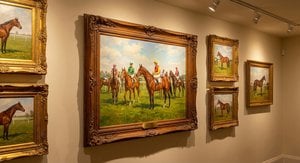
Sir Alfred Munnings' Masterpieces: 25 Paintings That Define Equine Art | ArtsDot
Explore 25 iconic Sir Alfred Munnings paintings! Discover the beauty of British Impressionism, equine art & rural England. Find museum-quality reproductions and elevate your home decor with ArtsDot. Explore the full collection online.

Bronze Sculptures That Defined Art History | ArtsDot
Journey through art history with our Top 10 bronze sculptures! Explore masterpieces by Rodin, Michelangelo & more. Discover stories behind iconic statues and find museum-quality reproductions for your home decor at ArtsDot.com.