


 معاينة الحجم الحقيقي
 مشاركة
 مشاركة
 التفاصيل
 الدليل

 تحميل الملف
 قطع مشابهة
 الأشعة السينية
 عرض شرائح
 الإحصائيات
Variation: Easter - Improvisation II


 عرض المزيد
نسخة زيتية مصنوعة يدوياً
لوحة زيتية مرسومة يدوياً على الكانفاس بالمقاس والإطار الذي تفضله، تُنفذ حسب الطلب على أيدي فنانينا. ( التحويل إلى المطبوعات الانتقال إلى الصورة الرقمية)




P118B $10

P118H $10

P118W $10

P438Z $10

P508JH $12

P508YH $12

P805H $10

P805Z $10

P919BZ $10

P919G $10

P919XJ $10

P959ZH $10

P968JZ $12

W106C $8

W218G $10

W218JH $8

W218Y $10

W307PJ $10

W316G $10

W316PJ $8

W316Y $10

W398PJ $8

W4111J $10

W500HY $15

W500JH $15

W692G $12

W849H $8

W940BG $15

W953PJ $8




اختر من بين أحجامنا المُعدّة مسبقًا والتي تتطابق مع النسب الأصلية للعمل الفني.

يمكنك إدخال أبعادك الخاصة لتناسب إطارًا معينًا أو مساحة محددة. وإذا لم يتطابق الحجم الذي اخترته مع نسب الصورة الأصلية، فسنقوم إما بقص العمل الفني أو توسيع اللوحة بإضافة عناصر مرسومة يدويًا. سيتم إرسال نموذج رقمي إليك للموافقة عليه قبل بدء الإنتاج.
يرجى ملاحظة أن المعاينة على الشاشة لا تعكس عملية القص أو التوسيع الفعلية؛ حيث إن النموذج الرقمي وحده هو الذي سيوضح التكوين النهائي بدقة.
وعلى الرغم من توفر أحجام مخصصة، إلا أننا نوصي باختيار أبعاد من القائمة المحددة مسبقًا للحفاظ على النسب الأصلية للعمل الفني.
بعد إتمام الطلب، سيرسل فريق ArtsDot.com بريداً إلكترونياً للعميل لطلب التعليمات وتزويده بمعاينة تجريبية (mockup).
توصيل عالمي إلى خلال 3 إلى 4 أسابيع بدلاً من المدة المعتادة البالغة 5 أسابيع. (23 سبتمبر). جودة لا تهاون فيها.

شحن سريع ومجاني لجميع أنحاء العالم

قماش كتان عالي الجودة

تأمين شحن شامل

ضمان استرداد الرسوم الجمركية

ضمان مطابقة الألوان الحقيقية

سياسة الإرجاع خلال 100 يوم (في حالات العيوب فقط)

ضمان استرداد نقدي بنسبة 100%

خصم عند طلب عدة قطع
 خيار الزجاج متاح فقط للمقاسات التي تقل عن 110 سم

Variation: Easter - Improvisation II
خامة إعادة الإنتاج
مقاس النسخة المطبوعة
-


السعر الإجمالي النهائي
$ 263
A Symphony of Color and Emotion: Exploring Alexej von Jawlensky’s Variation: Easter - Improvisation II
The painting “Variation: Easter – Improvisation II” by Alexej von Jawlensky stands as a testament to the fervor and expressive power of Expressionism, capturing not merely an image but a palpable feeling—a celebration infused with profound contemplation. Created in 1919, during the turbulent period following World War I, this artwork embodies the anxieties and aspirations of its time while simultaneously transcending historical boundaries through its enduring visual language.The Style and Technique: Bold Gestures and Textured Surfaces
Jawlensky’s distinctive style is immediately recognizable by his uncompromising commitment to abstraction. Unlike Impressionists who sought to faithfully reproduce fleeting moments of light, Jawlensky prioritized conveying inner emotion rather than external observation. He achieved this through a technique characterized by bold, decisive brushstrokes—a deliberate rejection of academic precision in favor of spontaneous gesture. The canvas surface itself is deliberately textured, built up with thick impasto – layers of pigment applied directly onto the linen stretched tautly over a wooden frame. This physicality lends an immediacy and dynamism to the composition, mirroring the artist’s own emotional intensity. The resulting visual experience isn't one of serene beauty but rather of confronting raw feeling.Historical Context: Expressionism Amidst Uncertainty
Expressionist artists like Jawlensky emerged from the disillusionment following the Great War, reacting against the prevailing optimism and rationalism of the preceding decades. They sought to express subjective experience—fear, grief, ecstasy—without resorting to representational illusion. The influence of Nietzsche’s philosophy – particularly his concept of “will to power” – fueled this artistic rebellion, encouraging artists to confront uncomfortable truths about human existence and to reject societal conventions. "Variation: Easter – Improvisation II" reflects this spirit of defiance against established norms, presenting a visual counterpoint to the dominant narratives of the era.Symbolism Within Color: Red Dominance and Circular Harmony
The painting’s striking color palette is dominated by shades of red—a hue traditionally associated with passion, sacrifice, and primal energy. This central crimson circle isn't merely decorative; it serves as a focal point for conveying emotional significance. Surrounding the red core are concentric circles in varying hues of pink, creating an intricate pattern that speaks to themes of unity and cyclical renewal – mirroring the symbolism of Easter itself. The repetition of circular forms reinforces this idea, suggesting a continuous flow of emotion and hinting at spiritual contemplation.Emotional Impact: Confronting Inner Turmoil
“Variation: Easter – Improvisation II” isn’t intended to elicit passive admiration but rather to provoke active engagement with its emotional core. The artist's deliberate disregard for conventional beauty compels the viewer to confront their own feelings—to grapple with anxieties about mortality and to embrace the transformative potential of artistic expression. It is a painting that lingers in the mind long after viewing, prompting reflection on the complexities of human experience and reminding us that art can serve as a powerful conduit for conveying profound psychological truths. The textured surface invites tactile contemplation, mirroring the artist’s desire to communicate emotion beyond mere visual perception.Concluding Thoughts: An Enduring Legacy
Alexej von Jawlensky's “Variation: Easter – Improvisation II” remains an exceptional example of Expressionist art—a bold declaration of artistic freedom and a testament to the enduring power of color and gesture to convey emotional depth. Its continued relevance speaks to the timeless fascination with exploring the inner landscape of human consciousness, cementing Jawlensky’s place as one of the most influential figures in twentieth-century visual culture.أعمال فنية ذات صلة


السيرة الذاتية للفنان
أليكسي فون ياولنسكي: رحلة فنان عبر الألوان والعواطف
في قلب المشهد الفني الأوروبي المضطرب في أوائل القرن العشرين، يبرز اسم أليكسي جورجيفيتش فون ياولنسكي كقوة مؤثرة في حركة التعبيرية. وُلد في مدينة تورخوك الروسية عام 1864، شهدت حياة هذا الفنان مسارات متعددة قبل أن يستقر بها المقام على لوحات مليئة بالعاطفة والألوان الصارخة. من بداياته العسكرية إلى شغفه بالفن الذي اشتعل خلال معرض موسكو العالمي عام 1880، اتخذ ياولنسكي طريقًا فريدًا نحو التعبير عن الذات من خلال الألوان والأشكال.
كانت فترة دراسته في أكاديمية سانت بطرسبرغ للفنون نقطة تحول حاسمة، حيث التقى بفنانين مؤثرين مثل إيليا ريبين، وتعرّف على ماريان فون ويرفكين التي أصبحت مرشدته ومصدر دعم لا ينضب. كانت ويرفكين فنانة موهوبة وذات موارد مالية كبيرة، وقد كرست حياتها لدعم مسيرة ياولنسكي الفنية، مما سمح له بالتركيز بشكل كامل على تطوير موهبته. انتقالهم إلى ميونخ عام 1894 شكل منعطفًا هامًا في حياته المهنية، حيث انغمس في بيئة فنية نابضة بالحياة، وتعلّم من أنطون أزبه، وشارك في تأسيس "رابطة الفنانين الجديدة في ميونيخ" (Neue Künstlervereinigung München)، وهي مجموعة رائدة في الحركة التعبيرية.
تطور الأسلوب: من التأثيرات إلى التعبير الروحي
شهد أسلوب ياولنسكي تطورًا ملحوظًا على مر السنين. في البداية، تأثر بالواقعية الروسية، لكنه سرعان ما بدأ في استكشاف تأثيرات فنانين آخرين مثل فرديناند هودلر ويان فيركادي وبول سيروسير، الذين قدموا له مبادئ الرمزية والتركيب. كانت زيارته لفاندي هودلر عام 1905 نقطة تحول حاسمة، حيث بدأ في تبسيط أشكاله واستخدام الألوان بشكل أكثر جرأة وتعبيرًا. لم يقتصر تأثير فنانين مثل فان جوخ وغوغان على استخدامه للألوان فحسب، بل امتد ليشمل طريقة تصويره للعالم من خلال عدسة العاطفة والتجربة الشخصية.
أدت رحلته إلى بريتاني وفرنسا في عام 1906 إلى تعميق فهمه للضوء واللون، مما أدى إلى ظهور لوحات أكثر حيوية وتعبيرًا. ومع ذلك، فإن اللحظة الفارقة في مسيرته الفنية كانت مع سلسلة "الرؤوس الصوفية" (Mystical Heads) التي بدأها عام 1909. هذه الأعمال ليست مجرد صور شخصية؛ بل هي استكشافات روحية عميقة، حيث يتم تقليل الوجوه إلى أشكال أساسية وألوان نابضة بالحياة لنقل جوهر الشخص الداخلي. شوكو مع قبعة حمراء وبورتريه لألكسندر ساخاروف هما مثالان بارزان على هذا الأسلوب الذي يهدف إلى التقاط الروحانية والعمق النفسي.
التحديات والاعتراف: سنوات النزوح والإرث الدائم
أجبرته الحرب العالمية الأولى على مغادرة ألمانيا عام 1914، مما اضطره إلى اللجوء إلى سويسرا. هناك، التقى بإيمي شيير التي أصبحت مناصرة شرسة لأعماله، وقامت بالترويج لها بجد في الولايات المتحدة. على الرغم من المعاناة الصحية الشديدة بسبب التهاب المفاصل الذي أعاق قدرته على الرسم بشكل متزايد، استمر ياولنسكي في الإبداع حتى وفاته في ويسبادن عام 1941. كانت أعماله المتأخرة شهادة على تفانيه الثابت في التعبير الفني.
اليوم، يحتل أليكسي فون ياولنسكي مكانة بارزة في تاريخ الفن الحديث. تُعرض لوحاته في أهم المتاحف حول العالم، وتُعتبر مثالاً رائعًا على قوة الفن في استكشاف أعماق النفس البشرية والتعبير عن الروحانية. لقد ترك إرثًا فنيًا غنيًا ومؤثرًا، يواصل إلهام الفنانين والمشاهدين على حد سواء.
التأثيرات والعلاقات الفنية
- إيليا ريبين: مرشد مبكر قدم تدريبًا أساسيًا في تقنيات الواقعية.
- ماريان فون ويرفكين: مرشدة ومصدر دعم فني ومالي حيوي.
- فرديناند هودلر: أثر على استخدام ياولنسكي للأشكال المبسطة والصور الرمزية.
- يان فيركادي وبول سيروسير: قدموا له مبادئ الرمزية والتركيب، مما شكل نهجه تجاه اللون والتكوين.
- فاسيلي كاندينسكي وفرانز مارك: زملاء في "راكب الفرس الأزرق" (Der Blaue Reiter)، عززوا التزامهم بالابتكار الفني.
لم تكن هذه العلاقات مجرد تأثيرات سلبية؛ بل كانت تبادلات ديناميكية غذت تطور ياولنسكي الإبداعي وساهمت في النسيج الغني للفن التعبيري المبكر.

أليكسي يافلنسكي
1864 - 1941 , روسيا
حقائق سريعة
- Artistic Movement Or Style: التعبيرية الفنية
- Artists Or Movements Influenced By This Artist:
- الباور بلو Reiter
- الدراويش الفنية
- Artists Who Influenced This Artist:
- إليا ريبين
- ماريان يوركفين
- فريد هدولر
- Date Of Birth: 13 مارس 1864
- Date Of Death: 15 مارس 1941
- Full Name: Alexej von Jawlensky
- Nationality: روسي
- Notable Artworks:
- شوككو مع قبعة حمراء
- شارقة البيروتي
- توبار فيروز
- Place Of Birth: تورشك، روسيا
مقالات ذات صلة

Unlocking Emotion: A Beginner's Guide to the Raw Power of Symbolic Expressionism Art
Discover the raw emotion of Symbolic Expressionism. Our expert guide explores how masters like Munch use color and form to convey inner feelings, offering inspiration for collectors looking to bring powerful, soulful art into their modern homes.

Blush & Brilliance: 10 Iconic Paintings Dominated by Light Pink Tones |
Explore 10 iconic paintings bathed in captivating light pink tones! From Monet's Impressionism to Renoir’s romance, discover the stories behind these blush-hued masterpieces. Find museum-quality art reproductions & decor inspiration at .

The Raw Emotion of Expressionism: A Deep Dive into its History, Characteristics & Enduring Influence
Explore the raw emotion of Expressionism with ArtsDot. Discover its history, key artists like Kirchner & Munch, and lasting influence on modern art. Expert insights for collectors & enthusiasts.
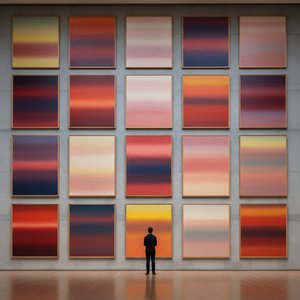
أعمال مارك روثكو الخالدة: 25 تحفة فنية تعبّر عن الروح والجمال
اكتشف 25 تحفة فنية لمارك روثكو، رائد التعبيرية المجردة. استكشف قصص لوحاته الزيتية الملونة وتأثيرها العميق على عالم الفن والديكور. احصل على نسخ عالية الجودة من أعمال روثكو الأصلية و أضف لمسة فنية راقية لمنزلك مع ArtsDot.com.

Crimson Threads of Narrative: Exploring Symbolism & Representation in Artworks Featuring the Red Dress
Explore the rich symbolism of the red dress in art history! From ancient power displays to iconic portraits like Cézanne’s 'Madame Cezanne', discover the cultural and artistic significance behind this captivating color. Expert analysis & insights.


