


 معاينة الحجم الحقيقي
 مشاركة
 مشاركة
 التفاصيل

 تحميل الملف
 قطع مشابهة
 الأشعة السينية
 عرض شرائح
 الإحصائيات
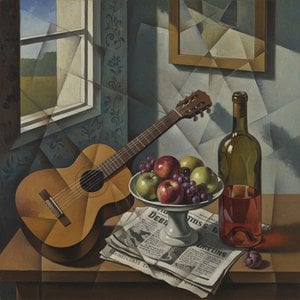
Number 28 (Still Life)


 عرض المزيد
نسخة زيتية مصنوعة يدوياً
لوحة زيتية مرسومة يدوياً على الكانفاس بالمقاس والإطار الذي تفضله، تُنفذ حسب الطلب على أيدي فنانينا. ( التحويل إلى المطبوعات الانتقال إلى الصورة الرقمية)




































اختر من بين أحجامنا المُعدّة مسبقًا والتي تتطابق مع النسب الأصلية للعمل الفني.

يمكنك إدخال أبعادك الخاصة لتناسب إطارًا معينًا أو مساحة محددة. وإذا لم يتطابق الحجم الذي اخترته مع نسب الصورة الأصلية، فسنقوم إما بقص العمل الفني أو توسيع اللوحة بإضافة عناصر مرسومة يدويًا. سيتم إرسال نموذج رقمي إليك للموافقة عليه قبل بدء الإنتاج.
يرجى ملاحظة أن المعاينة على الشاشة لا تعكس عملية القص أو التوسيع الفعلية؛ حيث إن النموذج الرقمي وحده هو الذي سيوضح التكوين النهائي بدقة.
وعلى الرغم من توفر أحجام مخصصة، إلا أننا نوصي باختيار أبعاد من القائمة المحددة مسبقًا للحفاظ على النسب الأصلية للعمل الفني.
بعد إتمام الطلب، سيرسل فريق ArtsDot.com بريداً إلكترونياً للعميل لطلب التعليمات وتزويده بمعاينة تجريبية (mockup).
توصيل عالمي إلى خلال 3 إلى 4 أسابيع بدلاً من المدة المعتادة البالغة 5 أسابيع. (16 سبتمبر). جودة لا تهاون فيها.

شحن سريع ومجاني لجميع أنحاء العالم

قماش كتان عالي الجودة

تأمين شحن شامل

ضمان استرداد الرسوم الجمركية

ضمان مطابقة الألوان الحقيقية

سياسة الإرجاع خلال 100 يوم (في حالات العيوب فقط)

ضمان استرداد نقدي بنسبة 100%

خصم عند طلب عدة قطع
 خيار الزجاج متاح فقط للمقاسات التي تقل عن 110 سم

Number 28 (Still Life)
خامة إعادة الإنتاج
مقاس النسخة المطبوعة
-


السعر الإجمالي النهائي
$ 263
أعمال فنية ذات صلة


السيرة الذاتية للفنان
Albert Eugene Gallatin: A Pioneer of American Modern Art
Early Life and Family Background
- Born: Villanova, Pennsylvania, 1881.
- Gallatin came from a wealthy and socially prominent family. His great-grandfather was Albert Gallatin, a Swiss-American ethnologist, linguist, politician, and diplomat who served as the United States Secretary of the Treasury.
- He developed an early interest in art and literature, beginning to collect works by artists like Max Beerbohm and James McNeill Whistler while still a teenager.
Artistic Development and Influences
- Initially drawn to the decorative qualities of Beardsley and Whistler’s work, Gallatin focused on elegance of line and aesthetic value over narrative content.
- Around 1910, his interests shifted towards American artists associated with the Ashcan School – Everett Shinn, William Glackens, Ernest Lawson, and John Sloan.
- He was also influenced by artists like John Marin and Boardman Robinson.
- Gallatin’s exposure to European modernism, particularly Cubism, proved pivotal in shaping his artistic vision.
Artistic Style and Key Works
- Park Avenue Cubism: Gallatin developed a distinctive style often referred to as “Park Avenue Cubism,” characterized by geometric forms, muted tones, and a sophisticated aesthetic.
- Notable works include "Compostion Painting" and "Number 28 (Still Life)", exemplifying his Synthetic Cubist approach.
- He also created “Map of the Indian tribes of North America”, showcasing diverse artistic interests.
- Gallatin’s paintings often reflect a balance between abstraction and recognizable forms, demonstrating his unique interpretation of Cubism.
Contributions to the American Art Scene
- Collector & Writer: Gallatin was not only an artist but also a prolific writer and collector. He authored numerous articles and monographs on modern art, advocating for its acceptance and understanding.
- Gallery of Living Art: In 1936, he founded the Gallery of Living Art at New York University (NYU), providing a platform for showcasing contemporary American artists and fostering dialogue about abstract art.
- He actively promoted the work of emerging artists and played a crucial role in establishing a vibrant modern art community in New York City.
Legacy and Historical Significance
- Donations to Museums: Gallatin’s extensive collection of modern art was generously donated to the Philadelphia Museum of Art and the Museum of Modern Art (MoMA) in New York, enriching their holdings and contributing to the preservation of artistic heritage.
- He is remembered as a visionary figure who championed abstract art at a time when it faced resistance and skepticism.
- His contributions helped pave the way for the acceptance and appreciation of modern art in America, leaving an enduring impact on the world of contemporary art.
- Gallatin died in New York City in 1952, leaving behind a legacy as one of the great figures in early 20th-century American culture.

Albert Eugene Gallatin
1881 - 1952 , United States of America
حقائق سريعة
- Birth Date: 1881
- Birth Place: Villanova, United States of America
- Death Date: 1952
- Movement:
- Cubism
- Abstract Art
- Nonobjective Art
- Name: Albert Eugene Gallatin
- Nationality: American
- Notable Works:
- Compostion Painting
- Map of the Indian tribes of North America
- Number 28 (Still Life)
مقالات ذات صلة

أعمال بول سيزان الخالدة: 25 تحفة فنية تزين منزلك بجمال الألوان والضوء
اكتشف 25 تحفة فنية لبول سيزان، رائد الانطباعية وما بعد الانطباعية. استكشف قصص لوحاته الزيتية الشهيرة وألوانه الجريئة وتقنياته الفريدة. احصل على إلهام لديكور منزلك الفاخر مع ArtsDot.com.

أعمال جورج براك الخالدة: 25 تحفة فنية تزين منزلك بلمسة فنية راقية
اكتشف 25 تحفة فنية لجورج براك، رائد الت تكعيبية. تعرف على قصص لوحاته الخالدة وألوانها الفريدة. طباعة لوحات أصلية عالية الجودة لديكور منزلي فاخر. استكشف المجموعة الكاملة الآن على ArtsDot.com!

Deconstructing Reality: A Comprehensive Exploration of Synthetic Cubism's Evolution & Impact
Explore the revolutionary world of Synthetic Cubism! Discover its origins, key artists like Picasso & Braque, techniques, and lasting impact on modern art. A comprehensive guide for enthusiasts.

Deconstructing Reality: Cubism's Revolutionary Impact on 20th-Century Art
Explore the revolutionary world of Cubism with ArtsDot. Discover Picasso & Braque's groundbreaking techniques, its philosophical roots, and lasting impact on modern art. Expert insights for collectors.
Deconstructing Reality: A Comprehensive Exploration of Cubist Still Life
Explore the revolutionary world of Cubist Still Life with ArtsDot. Discover Picasso & Braque's groundbreaking techniques, its philosophical roots, and lasting impact on modern art. Expert insights for collectors.