


 معاينة الحجم الحقيقي
 مشاركة
 مشاركة
 التفاصيل

 تحميل الملف
 قطع مشابهة
 الأشعة السينية
 عرض شرائح
 الإحصائيات
Fairlight from the Water Meadows
 Impressionism
 2009
2009 50.0 x 50.0 cm
 عرض المزيد
طباعة جيلي / مطبوعات فنية
طباعة جيكلي أو كانفاس بجودة المتاحف، مع سرعة في التنفيذ وخيارات متنوعة للتشطيب. ( اشترِ لوحة مرسومة يدويًا الانتقال إلى الصورة الرقمية)




































اختر من بين أحجامنا المُعدّة مسبقًا والتي تتطابق مع النسب الأصلية للعمل الفني.

يمكنك إدخال أبعادك الخاصة لتناسب إطاراً أو مساحة معينة. وإذا لم يتطابق الحجم الذي اخترته مع نسب الصورة الأصلية، فسنقوم إما بقص العمل الفني أو تمديد الصورة باستخدام حافة معكوسة أو بلون مصمت. سيتم إرسال نموذج تجريبي رقمي لاعتمادك قبل بدء الإنتاج.
يرجى ملاحظة أن المعاينة على الشاشة لا تعكس عملية القص أو التمديد الفعلية؛ حيث سيوضح النموذج التجريبي فقط التكوين النهائي بدقة.
وعلى الرغم من توفر أحجام مخصصة، إلا أننا نوصي باختيار أبعاد من القائمة المحددة مسبقاً للحفاظ على النسب الأصلية.
توصيل عالمي إلى خلال أسبوعين بدلاً من المدة القياسية البالغة 4/5 أسابيع. 9 سبتمبر

شحن سريع ومجاني لجميع أنحاء العالم

قماش كتان عالي الجودة

تأمين شحن شامل

ضمان استرداد الرسوم الجمركية

ضمان مطابقة الألوان الحقيقية

سياسة الإرجاع خلال 100 يوم (في حالات العيوب فقط)

ضمان استرداد نقدي بنسبة 100%

خصم عند طلب عدة قطع
 خيار الزجاج متاح فقط للمقاسات التي تقل عن 110 سم

Fairlight from the Water Meadows
طباعة جيلي / مطبوعات فنية
مقاس النسخة المطبوعة
-


السعر الإجمالي النهائي
$ 62
أعمال فنية ذات صلة


السيرة الذاتية للفنان
A Life Immersed in Landscape and Inquiry
Born in Oldham, United Kingdom, in 1952, Alan Rankle has forged a career deeply rooted in the exploration of landscape—not merely as pictorial representation, but as a dynamic field where social consciousness, environmental concerns, and art historical inquiry converge. His journey began with formal training at Rochdale School of Art (1968-70) and Goldsmiths’, University of London (1970-73), an environment initially steeped in conceptual art practices. However, Rankle soon felt a compelling need to move beyond the purely intellectual, seeking a more visceral connection to his subject matter. This led him on a path of rigorous study, immersing himself in the techniques of 17th-century Dutch Masters—their mastery of light and texture—as well as the expressive power of Abstract Expressionism. Crucially, it was through an extended period of engagement with Ch'an (Zen) painters and calligraphers of China, from 1973 to 1976 under Dr. Liu Hsiu Chi, that Rankle discovered a profound philosophy informing his artistic vision—a focus on intuition, spontaneity, and the interconnectedness of all things. This period of Eastern study, shared with figures like musician Francis Monkman and author Fritjof Capra, proved formative, instilling in him a holistic approach to artmaking. His dedication to understanding materials and methods also led to studies and employment in art conservation, providing an intimate knowledge of the Old Masters’ techniques that would profoundly influence his own work.From Performance to Politicized Landscapes
Rankle's early artistic explorations were notably diverse. His first exhibition in 1973 at the Institute of Contemporary Arts, London, was a multi-media performance/installation based on Chaucer’s *The Pardoner’s Tale*, demonstrating an early inclination towards narrative and conceptual frameworks. However, it was his evolving relationship with landscape that would become central to his practice. He began to view landscape not as a static genre but as a concept intrinsically linked to shifting human attitudes toward the environment—a “found object,” ripe for deconstruction and reimagining. This approach is characterized by a fusion of abstract, *trompe l'oeil*, and figurative imagery, reflecting Rankle’s belief that "styles are emblems of the ways we can shift our attention." A pivotal moment in his artistic development came following an exhibition with Andy Goldsworthy and Michael Jepson, which catalyzed a growing politicization of his work. This was dramatically underscored by a 1982 trip to Finland, where he witnessed firsthand the devastating effects of acid rain on the Scandinavian landscape.Activism and Collaborative Visions
The experience in Finland sparked a series of impactful installation/performance pieces designed to raise awareness about environmental issues. These weren’t simply displays of artistic skill; they were acts of engagement, interventions intended to provoke dialogue and inspire action. Notable examples include a large-scale 30-meter scroll painting created on Beachy Head in Sussex with Jan Stephens, and collaborations with the artists' group Order Out of Chaos—most notably ‘Discarded Sculptures’ (1986), which brought his work to wider public attention. This commitment to environmental advocacy culminated in 1991 with *Earthscape*, an international competition/installation focused on environmental solutions that he curated, featuring contributions from artists like Andrew Bick and Luke Elwes. The project involved a broad network of collaborators, demonstrating Rankle’s belief in the power of collective action. Earthscape wasn't merely an exhibition; it was a platform for exploring potential pathways toward ecological harmony.A Continued Focus on Painting and Reflection
Since his 1993 exhibition *Riverfall & Other Works* at Southampton Art Gallery, Rankle has largely concentrated on painting, exhibiting extensively in galleries across Europe, Scandinavia, and the USA. His work continues to explore the complex relationship between humanity and the natural world, often imbued with a sense of melancholy and urgency. He has had two retrospective exhibitions: *Landscapes for the Turning Earth* at Gallery Oldham (2006-07) and *Selected Works 1993–2009* at Fondazione Stelline, Milan (2010), the latter featuring a collaborative work with Kirsten Reynolds entitled "On the Edge of Wrong". His paintings are now held in collections including Lancashire museums and Hastings Museum and Art Gallery. Recent projects demonstrate his continued engagement with both artistic creation and environmental themes, encompassing curatorial endeavors and immersive installations. Alan Rankle’s enduring contribution lies not only in his technical mastery but also in his unwavering commitment to using art as a vehicle for social commentary and ecological awareness—a legacy that resonates powerfully in our current era of environmental crisis. He remains an artist deeply engaged with the world around him, constantly seeking new ways to illuminate the interconnectedness of landscape, history, and human responsibility.
Alan Rankle
1952 - , United Kingdom
حقائق سريعة
- Artistic Movement Or Style: Postmodern Landscape
- Artists Who Influenced This Artist:
- Dutch Masters
- Abstract Expressionists
- Ch'an painters
- Date Of Birth: 1952
- Full Name: Alan Rankle
- Nationality: British
- Notable Artworks:
- Fairlight from the Water Meadows
- Study for 'Montsegur'
- Untitled Painting I (Calder Heights)
- Place Of Birth: Oldham, UK
مقالات ذات صلة

Impressionistic Landscapes: 10 Masterpieces That Changed Art & Decor
Journey into the heart of Impressionism! Explore 10 masterpieces by Monet, Renoir & Degas that revolutionized landscape art. Discover their stories, techniques & find museum-quality reproductions to elevate your home decor on ArtsDot.com.

أفضل 10 لوحات طبيعية رومانسية غيرت مسار الفن وجمّلت الديكور | ArtsDot
اكتشف 10 روائع فنية رسمت مسار الفن الرومانسي! استكشف لوحات فريدريش، مالارد وأكثر. قصص الفنانين، تقنيات الرسم، وجمال المناظر الطبيعية الخلابة. احصل على أعمال فنية عالية الجودة من ArtsDot.com!

Evocations of Place: A Historical Journey Through Landscape Art
Explore the rich history of landscape art with ArtsDot. Discover renowned artists, movements like Impressionism & Romanticism, and expert guidance for collecting timeless pieces. Find your perfect serene escape today!

Golden Light & Dutch Skies: Bringing the Magic of Dutch Golden Age Landscapes into Your Home
Transform your home with the breathtaking light of Dutch Golden Age landscapes. Discover how hand-painted oil reproductions of masterworks like Ruisdael and Vermeer bring timeless elegance, atmosphere, and soulful texture to modern interiors. Elevate your space with museum-quality art.
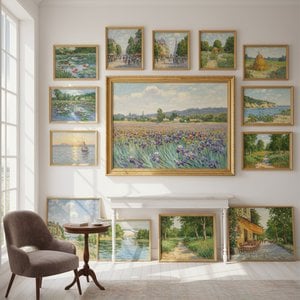
أعلى 10 لوحات طبعت "المشهد الانطباعي": رحلة فنية في عالم الفن الراقي و الديكور
اكتشفوا 10 روائع فنية رسمت "المشهد الانطباعي"! رحلة في عالم مونيه، رينوار و بيسار. استلهموا ألوان الطبيعة و تقنيات الفنانين. ديكور منزلي راقي و لوحات زيتية مميزة. تسوقوا أعمالًا فنية أصيلة على ArtsDot.com