


 شراء نسخة مطبوعة شراء الصورة بدقة عالية
 مشاركة
 مشاركة
 Details
 أضف إلى المفضلة

 تحميل الملف
 قطع مشابهة
 X-Ray
X-Ray
 عرض شرائح
Still-Life
 Acrylic On Canvas
- WallArt
- Dutch Baroque
 1655
1655 126.0 x 106.0 cm
 Rijksmuseum
نسخة زيتية مصنوعة يدوياً
لوحة زيتية مرسومة يدوياً على الكانفاس بالمقاس والإطار الذي تفضله، تُنفذ حسب الطلب على أيدي فنانينا.




P118B $10

P118H $10

P118W $10

P438Z $10

P508JH $12

P508YH $12

P805H $10

P805Z $10

P919BZ $10

P919G $10

P919XJ $10

P959ZH $10

P968JZ $12

W106C $8

W218G $10

W218JH $8

W218Y $10

W307PJ $10

W316G $10

W316PJ $8

W316Y $10

W398PJ $8

W4111J $10

W500HY $15

W500JH $15

W692G $12

W849H $8

W940BG $15

W953PJ $8




 للمزيد من المعلومات
اختر من بين أحجامنا المُعدّة مسبقًا والتي تتطابق مع النسب الأصلية للعمل الفني.

يمكنك إدخال أبعادك الخاصة لتناسب إطارًا معينًا أو مساحة محددة. وإذا لم يتطابق الحجم الذي اخترته مع نسب الصورة الأصلية، فسنقوم إما بقص العمل الفني أو توسيع اللوحة بإضافة عناصر مرسومة يدويًا. سيتم إرسال نموذج رقمي إليك للموافقة عليه قبل بدء الإنتاج.
يرجى ملاحظة أن المعاينة على الشاشة لا تعكس عملية القص أو التوسيع الفعلية؛ حيث إن النموذج الرقمي وحده هو الذي سيوضح التكوين النهائي بدقة.
وعلى الرغم من توفر أحجام مخصصة، إلا أننا نوصي باختيار أبعاد من القائمة المحددة مسبقًا للحفاظ على النسب الأصلية للعمل الفني.
بعد إتمام الطلب، سيرسل فريق ArtsDot.com بريداً إلكترونياً للعميل لطلب التعليمات وتزويده بمعاينة تجريبية (mockup).
توصيل عالمي إلى خلال 3 إلى 4 أسابيع بدلاً من المدة المعتادة البالغة 5 أسابيع. (1 يوليو). جودة لا تهاون فيها.

شحن سريع ومجاني لجميع أنحاء العالم

قماش كتان عالي الجودة

تأمين شحن شامل

ضمان استرداد الرسوم الجمركية

ضمان مطابقة الألوان الحقيقية

سياسة الإرجاع خلال 60 يومًا (في حالات العيوب فقط)

ضمان استرداد نقدي بنسبة 100%

خصم عند طلب عدة قطع
 خيار الزجاج متاح فقط للمقاسات التي تقل عن 110 سم

Still-Life
خامة إعادة الإنتاج
مقاس النسخة المطبوعة
-


السعر الإجمالي النهائي
-
وصف العمل الفني
A Symphony of Light and Color: Exploring Abraham Hendricksz. van Beyeren’s Still Life
The Dutch Golden Age witnessed an unparalleled flourishing of artistic creativity, fueled by economic prosperity and intellectual curiosity. Among the luminaries of this era stands Abraham Hendricksz. van Beyeren (1620 – 1690), a painter whose meticulous depictions of fruit, vegetables, and fish continue to captivate audiences centuries later. His masterpiece, “Still Life,” transcends mere representation; it embodies the spirit of its time—a profound appreciation for the natural world intertwined with masterful artistic execution.The Painter’s Influence: Vermeer's Legacy
Van Beyeren’s artistic journey began under the tutelage of Johannes Vermeer, a fellow Delft artist whose groundbreaking use of light and color profoundly shaped the visual landscape of the Golden Age. Vermeer’s obsession with capturing atmospheric illumination—the subtle interplay between sunlight and shadow—became a cornerstone of van Beyeren's technique. This dedication to realism wasn’t simply about accurate depiction; it was an attempt to convey emotion, to infuse his canvases with a sense of palpable presence. As Vermeer himself famously remarked, “Light is the soul of painting.” Van Beyeren wholeheartedly embraced this philosophy, striving to emulate Vermeer’s luminous style and achieving remarkable success.Technique and Composition: Precision Meets Elegance
“Still Life” exemplifies van Beyeren's meticulous approach to painting. He employed a layering technique—often referred to as glazing—where thin washes of translucent color are applied over subsequent layers of opaque pigment. This method allowed him to build up tonal gradations with astonishing subtlety, creating an illusion of depth and texture that is characteristic of Vermeer’s oeuvre. The composition itself is carefully considered, featuring a tabletop adorned with an assortment of fruits – apples, oranges, bananas, grapes – arranged in a harmonious arrangement. A vase adds a decorative element, subtly enhancing the visual richness of the scene. Notice how van Beyeren skillfully directs the viewer's gaze through the interplay of light and shadow, emphasizing certain objects while maintaining overall balance.Historical Context: Reflecting Dutch Society’s Values
Painted circa 1655, “Still Life” reflects the values prevalent in Dutch society during the Golden Age—a period marked by burgeoning mercantile success and a humanist worldview. The depiction of fruit and vegetables wasn't merely decorative; it served as a symbol of abundance and prosperity – emblems of the nation’s economic prowess. Furthermore, the meticulous observation of nature aligns with the broader intellectual currents of the time, where scientists and naturalists sought to understand the workings of the cosmos through empirical investigation. The painting speaks to an aesthetic sensibility that prioritized beauty and clarity—qualities valued by both artists and patrons alike.Symbolism: Beyond Representation
Beyond its visual splendor, “Still Life” is laden with symbolic meaning. Fruits – particularly apples and oranges – often represented knowledge and virtue in Dutch iconography. Their placement on the table underscores the importance of contemplation and appreciation for earthly delights. The vase itself symbolizes grace and refinement—a reflection of the aristocratic tastes that fueled artistic patronage during van Beyeren’s lifetime. By capturing these subtle nuances, van Beyeren elevates his painting beyond a simple depiction of objects; he invites viewers to engage in a deeper exploration of ideas and emotions.Emotional Impact: A Moment Frozen in Time
Ultimately, “Still Life” succeeds in conveying a profound sense of tranquility and beauty. The soft light bathing the scene evokes feelings of warmth and serenity—a testament to van Beyeren’s masterful manipulation of color and texture. It's a painting that invites contemplation, prompting viewers to savor the simple pleasures of life and to appreciate the exquisite artistry of a bygone era. Like Vermeer before him, van Beyeren captured not just what he saw but also what he felt—creating an enduring masterpiece that continues to resonate with audiences today.أعمال فنية ذات صلة


السيرة الذاتية للفنان
أبراهام هندريكسز فان بايرن: سيد الطبيعة الصامتة الهولندية
يبرز اسم أبراهام هندريكسز فان بايرن (1620 – 1690) كقامة شامخة في عصر النهضة الذهبي الهولندي، حيث نال شهرة واسعة بفضل تصويراته البديعة للزهور والفواكه والأسماك؛ وهي موضوعات جسدت شغف ذلك العصر بالجمال الطبيعي والدقة المتناهية في الملاحظة. ولد الفنان في مدينة لاهاي بهولندا، وصقل مهاراته الفنية وسط الحراك الفكري والفني المزدهر في عصره، ليثبت أقدامه كفنان مرموق ذاع صيته في مدن لايدن ودلفت وأمستردام. وعلى الرغم من أن التفاصيل المحيطة بسنوات تكوين فان بايرن الأولى لا تزال غامضة إلى حد ما، إلا أن السير الذاتية تشير إلى أنه تلقى تدريبه على يد يوهانس فيرمير، الذي يعد بلا شك الرسام الأكثر أيقونية في العصر الذهبي. ويتجلى تأثير فيرمير بوضوح في أسلوب فان بايرن في التعامل مع الضوء واللون، وهي سمة تميز أعماله عن معاصريه؛ إذ لم يكن هذا الاهتمام الدقيق بالإضاءة مجرد خيار أسلوبي فحسب، بل كان انعكاساً لاندفاع إنساني أوسع يهدف إلى التقاط جوهر الواقع بدقة علمية، مما وضعه في قلب التيارات الفكرية التي شكلت أوروبا في القرن السابع عشر. وقد شهد الأسلوب الفني لفان بايرن تحولاً جذرياً طوال مسيرته المهنية؛ ففي بداياته، اتسمت لوحاته بلوحة ألوان داكنة وتقنية "الكياروسكورو" الدرامية — وهي التقنية التي ابتكرها كارافاجيو — حيث ركز على التباينات الحادة بين الضوء والظل لتعزيز التأثير العاطفي. ومع مرور الوقت، اتجه نحو نطاق لوني أكثر إشراقاً، مفضلاً الألوان الناعمة وضربات الفرشاة الرقيقة التي تنقل شعوراً لا يضاهى بالسكينة والنعمة. وقد عكس هذا التطور الأسلوبي الاتجاهات الأوسع في الفن الهولندي، معلناً الانتقال من العظمة المسرحية لأسلوب الباروك نحو جمالية أكثر تأملاً وهدوءاً. ومن بين أعظم إنجازاته الخالدة، تبرز لوحته المتقنة "طبيعة صامتة مع الزهور"، والمحفوظة في متحف موريتشويس الشهير في لاهاي؛ حيث تجسد هذه القطعة أسلوبه المميز من خلال تكوين مضيء يضم زهوراً مرتبة بعناية فائقة، مغمورة بضوء ناعم يخلد الجمال العابر لفصل الربيع. وبنفس القدر من الإبهار، تأتي لوحة "وعاء من البورسلين الأزرق والأبيض مع الفاكهة"، التي تستعرض قدرة فان بايرن المذهلة على تجسيد الملمس والمادة بدقة متناهية. علاوة على ذلك، تظهر لوحة "إبريق من البورسلين الصيني، مع العنب والخوخ على طبق من القصدير" براعته التقنية ورؤيته الفنية الثاقبة، مما رسخ مكانته كواحد من أبرز رسامي الطبيعة الصامتة في عصره. إن إرث أبراهام هندريكسز فان بايرن يمتد إلى ما هو أبعد من روائعه الفردية؛ فقد ترك أثراً عميقاً في الأجيال اللاحقة من الفنانين الهولنديين، واضعاً حجر الأساس لتصوير الموضوعات الطبيعية بلوحات لونية مضيئة وتدرجات لونية دقيقة. ولا يزال اهتمامه الدقيق بالتفاصيل — خاصة في تصوير التباينات الخفية بين الضوء والظل — يلهم الرسامين حتى يومنا هذا. وفوق ذلك، يظل نموذجاً يحتذى به في الممارسة الفنية الإنسانية، التي تضع الملاحظة والتجسيد كسبيل لفهم وتقدير عجائب العالم الطبيعي، ويمكن العثور على أعماله في ArtsDot.com، والتي تعكس تفانيه المطلق في تجسيد الجمال والواقعية.
أبراهام هيندريكسز فان بايرن
1620 - 1690 , هولندا
حقائق سريعة
- Artistic Movement Or Style: الطبيعة الصامتة
- Artists Or Movements Influenced By This Artist: ['العصر الذهبي الهولندي']
- Date Of Birth: 1620
- Full Name: أبراهام هيندريكسز فان بايرن
- Nationality: هولندي
- Notable Artworks:
- طبيعة صامتة مع جراد البحر، وفواكه، وأواني فضية وصينية
- وعاء من البورسلين الأزرق والأبيض مع الفاكهة
- إبريق من البورسلين الصيني، وعنب وخوخ على طبق من القصدير مع ساعة جيب على حافة مغطاة بالقماش
- Place Of Birth: لاهاي، هولندا
مقالات ذات صلة

أفضل 10 روائع العصر الذهبي الهولندي: تحف فنية وجماليات منزلية خالدة | ArtsDot
اكتشف روائع العصر الذهبي الهولندي! استكشف 10 لوحات خالدة لرامبرانت، فيرمير وغيرهم. فن هولندي باروكي، ألوان آسرة وقصص فنية لا تُنسى. احصل على إعادة إنتاج عالية الجودة وتحف فنية لديكور منزلك مع ArtsDot.com


Golden Age Reflections: Dutch Baroque Painting & Cultural Innovation
Explore the Dutch Golden Age of painting! Discover key artists like Vermeer & ter Borch, their innovative techniques, and the rich cultural context behind these Baroque masterpieces. Learn about collecting & appreciating this iconic art period.
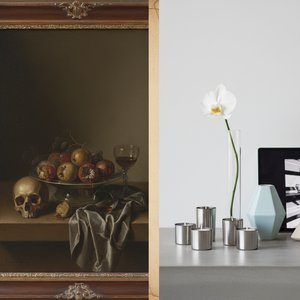
The Enduring Appeal of Still Life: A Historical & Contemporary Exploration
Explore the rich history & symbolism of still life painting with ArtsDot. Discover masterpieces from the Dutch Golden Age, learn about vanitas art, and find expert guidance for collecting timeless artworks.

Severin Roesen: Evoking National Identity Through American Still Life Painting
Explore the captivating world of Severin Roesen, a major American still life painter influenced by Dutch masters. Discover his lush compositions and the symbolism within his art – a window into 19th-century America.

Genre Painting: A Window into Daily Life & Societal Values of the Dutch Golden Age
Explore the captivating world of Dutch Golden Age genre painting! Discover realistic depictions of daily life, masterful artists like Ostade & Metsu, and hidden symbolism. Learn about this influential art movement with ArtsDot.

