Edward Opie: A Cornish Vision of Light and Life
Edward Opie (1810–1894) stands as a pivotal figure in 19th-century British art, particularly renowned for his evocative portrayals of Cornish landscapes and meticulously rendered historical portraits. Born into a family steeped in artistic tradition – his great-uncle was the celebrated John Opie, RA – Edward inherited not only a legacy but also an inherent understanding of capturing light and emotion on canvas. His life’s work reflects a deep connection to his native Cornwall, interwoven with a burgeoning interest in broader European artistic trends, most notably the influence of Rembrandt van Rijn.
Opie's early years were shaped by a pragmatic apprenticeship to his father, a carpenter, a stark contrast to the artistic pursuits encouraged by his influential relative. However, this grounding in craftsmanship instilled a meticulous attention to detail that would later become a hallmark of his style. Recognizing his exceptional talent at just twelve years old, John Opie’s mentor, Dr. John Wolcot, intervened, securing Edward's release from the carpentry shop and establishing him as a pupil within his own household. This crucial period provided Edward with invaluable artistic instruction, fostering his skills in drawing, painting, and ultimately, portraiture.
The London Years: Apprenticeship and Early Recognition
In 1826, at the age of sixteen, Edward ventured to London, seeking further refinement under the tutelage of Henry Peronet Briggs, RA. This period was characterized by intense study and diligent copying of masterworks, a technique designed to hone his observational skills and understanding of composition. Despite initial setbacks – including the public failure of one portrait at the Royal Academy in 1834 – Edward persevered, gradually developing his own distinctive style. His arrival in London coincided with a surge of interest in his work, fueled by the influence of John Opie himself, who recognized the potential within his nephew’s talent and championed his early successes.
Opie quickly established himself as a sought-after portraitist, capturing the likenesses of prominent figures from the British royal family to notable members of society. His ability to imbue his subjects with personality and emotion – often achieved through masterful use of Rembrandt-like lighting—garnered him considerable acclaim. He skillfully blended classical techniques with contemporary sensibilities, creating portraits that were both formally impressive and remarkably engaging.
Cornish Roots and Artistic Exploration
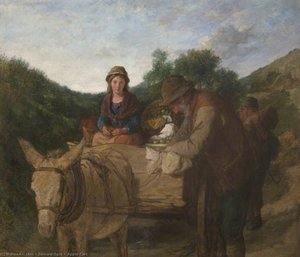
Returning to Cornwall in 1836, Edward established a more settled life, marrying Margaret Thomas in St Ives and dedicating himself to capturing the beauty of his native landscape. His Cornish paintings are characterized by a vibrant palette, meticulous detail, and a deep appreciation for the region’s rugged coastline and picturesque villages. He wasn't simply documenting scenery; he was conveying a sense of place—the light, the atmosphere, the spirit of Cornwall itself.
Beyond landscape painting, Opie continued to pursue portraiture, often depicting local residents and figures associated with Cornish history. His work during this period reflects a growing interest in historical subjects, culminating in significant commissions for theatrical productions and public buildings. He embraced the dramatic lighting techniques favored by Rembrandt, skillfully using chiaroscuro to create depth, mood, and a sense of realism within his compositions.
Legacy and Influence
Edward Opie’s career spanned several decades, during which he produced an impressive body of work encompassing portraits, landscapes, and historical scenes. While his style never achieved the widespread popularity of some of his contemporaries, his influence on subsequent generations of British artists is undeniable. His meticulous attention to detail, masterful use of light, and ability to capture the essence of his subjects cemented his place as a significant figure in 19th-century art. His paintings continue to be admired for their beauty, technical skill, and evocative portrayal of Cornish life and history.
Opie’s legacy extends beyond his individual works; he represents a crucial link between the artistic traditions of John Opie and the broader developments in British painting during the Victorian era. His dedication to capturing light, emotion, and the spirit of his subjects ensures that his art will continue to resonate with audiences for years to come.