


 效果预览
效果预览
 购买印刷品
购买印刷品 分享
分享 分享
分享
 详情
详情

 下载
下载
 相似作品
相似作品 X射线
X射线 幻灯片播放
幻灯片播放Village on the edge of a river


 展开详情
展开详情




P118B $10

P118H $10

P118W $10

P438Z $10

P508JH $12

P508YH $12

P805H $10

P805Z $10

P919BZ $10

P919G $10

P919XJ $10

P959ZH $10

P968JZ $12

W106C $8

W218G $10

W218JH $8

W218Y $10

W307PJ $10

W316G $10

W316PJ $8

W316Y $10

W398PJ $8

W4111J $10

W500HY $15

W500JH $15

W692G $12

W849H $8

W940BG $15

W953PJ $8




从与原作比例一致的预设尺寸中进行选择。

您可以输入自定义尺寸,以适配特定的画框或空间。如果所选尺寸与原图比例不符,我们将通过裁剪作品或添加手绘元素来扩展画面。数字样稿将在制作开始前发送给您确认。
请注意,屏幕预览无法准确反映实际的裁剪或扩展效果,只有样稿才能真实呈现最终的构图。
虽然我们提供定制尺寸服务,但为了保留原作比例,建议您从预设列表中选择尺寸。
下单后,ArtsDot.com 团队将通过电子邮件联系客户获取具体要求,并提供效果预览图。


 玻璃选项仅适用于110厘米以下的尺寸。

Village on the edge of a river
复制材质
复制品尺寸
-


最终总价
$ 263
作品详情
A Tranquil Glimpse into Flemish Riverside Life
To gaze upon Jan Brueghel the Elder’s Village on the edge of a river is to step across the threshold of time and into an idyllic moment suspended in watercolor hues. This painting captures more than just a picturesque scene; it encapsulates the very rhythm of life lived by water—a gentle, enduring harmony between humanity, nature, and the passage of time. The composition unfolds with remarkable serenity, drawing the viewer's eye along the meandering flow of the river itself. It is a masterful study in pastoral calm, where the everyday activities of village existence are elevated to an art form.
Mastery in Watercolor Technique
Brueghel’s choice of watercolor for this piece speaks volumes about his technical prowess and the delicate nature of the subject matter. The medium allows for a luminosity and transparency that perfectly mimics the soft, diffused light filtering over the water at dusk or dawn. Observe how the artist has rendered the reflections on the river's surface; they are not mere copies but shimmering suggestions of depth and movement. From the crisp details of the boats bobbing near the shore to the subtle gradations in the distant foliage, every element is treated with meticulous care. This technical finesse transforms what could be a simple genre scene into a luminous meditation on light itself.
The Human Element and Pastoral Symbolism
Life congregates along this watery edge. Scattered across the foreground are figures—at least twelve souls engaged in their daily routines, some gathered near the moored boats, others simply observing the flow. The presence of horses adds a touch of rustic vitality to the scene. In art history, rivers have always served as potent symbols: they represent life's journey, constant change, and the passage from one state of being to another. Here, the village nestled against the water suggests sustenance, community, and a deep-rooted connection to the natural world—a timeless yearning for simplicity.
Historical Context and Enduring Appeal
Painted around 1625, this work places us firmly within the vibrant period of Flemish Baroque art. While Brueghel was deeply influenced by his father, Pieter Bruegel the Elder, Jan carved out a unique niche, becoming celebrated for his breathtaking landscapes. This painting embodies that signature Brueghelian love affair with the landscape, yet it grounds the grandeur in intimate human moments. For the modern collector or designer, this piece offers more than mere decoration; it offers an emotional anchor—a visual retreat from the clamor of contemporary life.
Bringing Serenity Home
To reproduce such a delicate and evocative work is to invite that original sense of peace into your own space. Whether displayed in a sunlit drawing-room or a study corner, Village on the edge of a river acts as a quiet conversation piece. It whispers tales of bygone eras and enduring human connection, allowing anyone who encounters it to pause, breathe deeply, and reconnect with the profound beauty found at the intersection of civilization and nature.
相似艺术品


艺术家简介
早期生活与艺术启蒙
扬·布鲁盖尔老者,一位与充满活力的风景画和精美静物画同义的名字,诞生于一个根植于艺术传统的世系。1568年出生于比利时布鲁塞尔的他,是彼得·布鲁盖尔老者的幼子,这位尼德兰文艺复兴绘画的泰斗,其描绘农民生活和广阔景致的作品早已在艺术史上占据一席之地。父亲的光环本可能令人窒息,但扬却开辟了一条独特的道路,不仅没有成为一位继承者,更成为了蓬勃发展的佛兰巴洛克运动中的创新者。他的早期岁月充满了失去;彼得·布鲁盖尔老者在他还不到一岁时就去世了,母亲十年后也随之离世。最初由祖母梅肯·弗胡尔斯特——一位受人尊敬的艺术家——抚养长大,扬接受了绘画和水彩的基础训练,这是一个滋养性的开端,孕育了他一生对细致观察和技术精湛的奉献精神。早年的培养影响,加上安特卫普的艺术氛围,为他日后以继承技能和个人愿景相结合而展开的事业奠定了基础。
巴洛克风格的绽放
布鲁盖尔的艺术发展深受1590年代前往意大利之行的深刻影响。那不勒斯和罗马向他展示了一种不同的审美情趣,其特点是宏伟、戏剧性和色彩感增强。虽然他吸收了这些影响,但他并没有简单地复制它们;相反,他将它们与从父亲那里继承的北欧现实主义传统融合在一起。这种融合产生了一种独特的风格——一种既庆祝意大利巴洛克风格的辉煌,又体现佛兰绘画精湛细节的风格。他因其令人惊叹的纹理渲染能力而被称为“天鹅绒布鲁盖尔”,尤其是在他的花卉画作中。这些不仅仅是植物研究;它们是对生命短暂美丽的颂扬,并蕴含着象征意义。除了花卉之外,布鲁盖尔还擅长风景画,经常描绘充满日常活动或神话叙事的田园风光。他的构图以广阔的视野和近乎强迫性的细节关注为特征——每一片树叶、每一只昆虫、每一个水波都经过一丝不苟的精确刻画。
合作与创新
扬·布鲁盖尔的事业不仅仅由个人成就定义;他也是一位精湛的合作者。他最重要的合作伙伴是彼得·保罗·鲁本斯,可能是佛兰巴洛克运动中最有影响力的艺术家。两位艺术家分享着深厚的友谊,并经常在大型项目上协同工作,各自贡献其独特的优势。通常,鲁本斯会绘制人物形象,而布鲁盖尔则专注于风景和静物元素。这种合作产生了那个时代最令人叹为观止的作品之一,例如《亚当与夏娃在天堂》,其中鲁本斯的动态人物形象无缝地融入了布鲁盖尔郁郁葱葱且细节丰富的花园场景中。除了与鲁本斯合作之外,布鲁盖尔还是一位多产的创新者,开创了花环画——精致的花卉排列,通常围绕着宗教或神话场景——和天堂风景画等新流派,将风景和静物元素结合起来,创造出对世俗欢乐的奇妙景象。他还开发了画廊绘画,展示了想象中的博物馆环境中的艺术品收藏,反映了17世纪艺术收藏日益增长的兴趣。
持久的影响
扬·布鲁盖尔老者于1625年去世于安特卫普,留下了一份超越了他自身生命的遗产。他一丝不苟的技术、充满活力的色彩和创新的构图深刻影响了后世的佛兰画家。他确立了细节和现实主义的新标准,激励艺术家们突破他们的工艺界限。他的儿子扬·布鲁盖尔小者继承了他的父亲的事业,经常创作出难以与老大师区分的作品。然而,真正建立家族声誉并巩固他在艺术史地位的是扬·布鲁盖尔老者。他的作品不仅反映了那个时代的艺术潮流,也体现了17世纪更广泛的知识和文化转变,包括科学观察的兴起、反宗教改革期间宗教热情的蓬勃发展以及对自然世界之美和复杂性的日益增长的欣赏。布鲁盖尔的画作今天仍然以其精湛的细节、鲜艳的色彩和持久的惊奇感吸引着观众。
- 因其精湛的纹理渲染能力而被称为“天鹅绒布鲁盖尔”。
- 开创了花环画和天堂风景画。
- 与彼得·保罗·鲁本斯建立了紧密的合作关系。

扬·布鲁盖尔老者
1568 - 1625 , 比利时
艺术家简介
- Artistic Movement Or Style: 佛兰德斯巴洛克
- Artists Or Movements Influenced By This Artist: ['佛兰德斯画家']
- Artists Who Influenced This Artist:
- 彼得·布鲁盖尔老者
- 彼得·保罗·鲁本斯
- Date Of Birth: 1568年
- Date Of Death: 1625年
- Full Name: 扬·布鲁盖尔老者
- Nationality: 佛兰德斯
- Notable Artworks (List Of Titles):
- 海神凯旋
- 静物花卉
- 瀑布风景
- Place Of Birth (City And Country): 比利时布鲁塞尔
相关文章

Watercolor Wonders: 10 Masterpieces That Redefined Art History | ArtsDot
Journey through 10 legendary watercolor masterpieces by Sargent, Turner & Homer! Explore iconic landscapes, portraits & floral art that redefined history. Find museum-quality reproductions and curated decor ideas at ArtsDot.com.

Ephemeral Visions: Exploring the Artistic Legacy & Contemporary Practice of Watercolor Painting
Explore the captivating world of watercolor painting! Discover its rich history, essential techniques, influential artists & collecting tips. A comprehensive guide for art enthusiasts from ArtsDot.

水彩艺术的流光溢彩:历史渊源、情感共鸣与现代实践
探索水彩艺术的流光溢彩!深入了解其历史渊源、大师技法与现代实践。提供专业的艺术咨询、定制油画服务,助您收藏和鉴赏优秀作品。ArtsDot.com – 您的艺术之选。
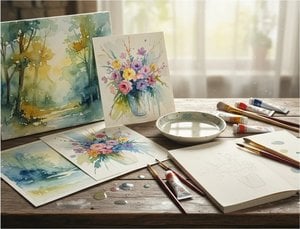
Ephemeral Visions: Exploring the Artistic Legacy & Nuances of Watercolor Painting
Explore the captivating world of watercolor painting! Discover its rich history, essential techniques, influential artists & collecting tips from art experts. A comprehensive guide for enthusiasts.

水彩艺术全攻略:从文艺复兴到现代的历史演变与创作秘诀,专为经典艺术爱好者打造
本指南深入探讨水彩艺术的历史演变与当代创作秘诀,结合文艺复兴、印象派及现代实验技术,为经典艺术爱好者提供专业绘画技巧、材料选择与收藏建议。凭借多年的学术研究和行业经验,我们为您呈现可信赖、价值导向的内容,让每位读者都能在水彩世界中获得灵感与实战能力。



