效果预览
效果预览
 分享
分享 分享
分享
 详情
详情

 下载
下载
 相似作品
相似作品 X射线
X射线 幻灯片播放
幻灯片播放 统计数据
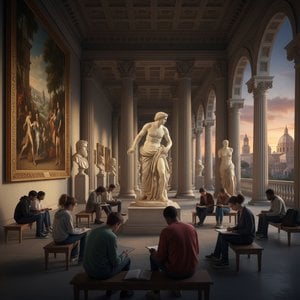
统计数据设计装饰莫斯科红门纪念碑
 布面丙烯
布面丙烯- 墙面艺术品
- Romanticism
 1797
1797 365.0 x 320.0 cm
 冬宫博物馆 (Hermitage Museum)
 展开详情
展开详情
手工油画复制品
由我们的艺术家按需定制,为您提供您所选尺寸及画框的布面手工油画。 ( 切换至版画销售渠道 切换至数字图像销售渠道)




P118B $10

P118H $10

P118W $10

P438Z $10

P508JH $12

P508YH $12

P805H $10

P805Z $10

P919BZ $10

P919G $10

P919XJ $10

P959ZH $10

P968JZ $12

W106C $8

W218G $10

W218JH $8

W218Y $10

W307PJ $10

W316G $10

W316PJ $8

W316Y $10

W398PJ $8

W4111J $10

W500HY $15

W500JH $15

W692G $12

W849H $8

W940BG $15

W953PJ $8




从与原作比例一致的预设尺寸中进行选择。

您可以输入自定义尺寸,以适配特定的画框或空间。如果所选尺寸与原图比例不符,我们将通过裁剪作品或添加手绘元素来扩展画面。数字样稿将在制作开始前发送给您确认。
请注意,屏幕预览无法准确反映实际的裁剪或扩展效果,只有样稿才能真实呈现最终的构图。
虽然我们提供定制尺寸服务,但为了保留原作比例,建议您从预设列表中选择尺寸。
下单后,ArtsDot.com 团队将通过电子邮件联系客户获取具体要求,并提供效果预览图。


 玻璃选项仅适用于110厘米以下的尺寸。

设计装饰莫斯科红门纪念碑
复制材质
复制品尺寸
-


最终总价
$ 263
设计装饰莫斯科红门纪念碑:意大利画家 pietro di gottardo gonzaga 的杰作
意大利画家 pietro di gottardo gonzaga(1751年出生于龙戈诺,逝世于1831年)是一位极富创造力的艺术家,他的艺术遗产主要在于他在启蒙时期威尼斯艺术的巅峰时期创作的精细素描和壁画。与当时许多艺术家不同,他并没有追求宫殿或教堂等宏伟的委托项目,而是专注于建筑研究——特别是神庙设计,这反映了时代审美趣味并展现了他对古典原则深刻的理解。
Gonzaga 的成长时期充满了艺术传统的影响。他的父亲 Giovanni Battista Gonzaga 本身是一位画家和雕塑家,为 pietro di gottardo 从小培养了对视觉艺术的热爱,这种家庭影响无疑塑造了他的艺术倾向,并培养了他观察力和技术专长——这些品质使他能够创作出令人惊叹的作品。
Gonzaga 的作品风格融合了古典主义和浪漫主义的元素。他以精湛的技巧和对光影效果的运用而闻名,尤其擅长创作具有戏剧性色彩的场景和象征意义丰富的图像。他的设计理念强调建筑与艺术之间的和谐统一,力求通过视觉语言表达情感和思想。
- 作品名称: 设计装饰莫斯科红门纪念碑
- 艺术家: pietro di gottardo gonzaga
- 创作年份: 1797年
- 尺寸: 长365厘米,宽320厘米
- 材质: 素描、水彩和墨线
这幅作品是为俄罗斯皇帝保罗一世的加冕庆典而创作的设计图纸。它属于一系列纪念加冕庆典的神庙设计项目,体现了当时艺术家的审美追求和技术水平。Gonzaga 的设计巧妙地运用了透视技巧和色彩对比,营造出一种庄严而神秘的氛围,象征着对宗教信仰的虔诚与对古典美学的崇尚。
作品中的鸟类图案以及红门的设计都蕴含着丰富的象征意义。它们代表着希望、繁荣和永恒,同时也反映了当时人们对美好未来的憧憬。Gonzaga 的艺术创作不仅具有技术上的精湛,更能够触动观众的情感,引发他们对生命和宇宙的思考。
《设计装饰莫斯科红门纪念碑》是一件值得细细欣赏的艺术杰作,它将成为历史与美学完美结合的经典之作。 这幅作品不仅展现了意大利威尼斯艺术的辉煌成就,也为我们提供了一个了解当时社会文化和精神世界的重要窗口。
相似艺术品


艺术家简介
The Architect of Illusions: The Life and Vision of Pietro di Gottardo Gonzaga
Born in the serene landscape of Longarone, Italy, in 1751, Pietro di Gottardo Gonzaga emerged as a singular force within the Venetian artistic tradition. While many of his contemporaries sought the patronage of grand ecclesiastical institutions or the opulent halls of Italian palaces, Gonzaga carved out a niche that bridged the gap between architectural precision and theatrical enchantment. His early life was deeply rooted in the tactile world of art; as the son of the painter and sculptor Giovanni Battista Gonzaga, he was raised amidst the scent of pigments and the dust of marble. This familial immersion provided him with a foundational mastery of form and light, which he would later refine under the guidance of Giuseppe Bolognese, a master of chiaroscuro whose influence is visible in the dramatic shadows and luminous depths of Gonzaga’s most celebrated works.
As his career matured, Gonzaga’s artistry transcended simple representation, evolving into what he himself poetically described as "music for the eyes." This philosophy—the idea that perspective and visual composition could mirror the emotional fluctuations of a musical score—became the heartbeat of his creative output. He was not merely a painter but a master of trompe-l’œil, an artist capable of deceiving the eye through the sheer brilliance of his technical skill. His work often functioned as a bridge between reality and fantasy, particularly in his renowned stage designs. Whether working in Italy or later within the Russian Empire, Gonzaga possessed the uncanny ability to manipulate space, using pen, ink, and wash to create architectural vistas that felt both monumentally solid and ethereally dreamlike.
A Legacy of Stone and Stage
The breadth of Gonzaga’s oeuvre is a fascinating study in duality, ranging from the rigorous technicality of architectural studies to the sweeping grandeur of imperial celebrations. His sketches for temple designs and religious iconography reflect the Enlightenment's reverence for classical antiquity and humanist ideals. In these works, one finds a profound engagement with the principles of Andrea Palladio, as he sought to revive the dignity of ancient Roman structures through meticulous detail and balanced composition. His contributions to San Pietro Martire in Venice stand as enduring testaments to this period, where his frescoes breathed life into sacred spaces through dynamic narratives and a luminous palette.
However, it was perhaps in the realm of the theatrical and the monumental that Gonzaga’s imagination truly soared. His designs for the Russian court, particularly during the reign of Emperor Paul I, showcased an ambitious vision of imperial splendor. Notable achievements include:
- The Triumphal Red Gate in Moscow: A breathtaking 1797 design that utilized trompe-l’œil illusionism to celebrate imperial victory, featuring intricate statues and symbolic figures that embodied the nobility of the era.
- Architectural Vedutismo: His precise sepia drawings, such as those depicting the Nikolskaya Tower in Moscow, which serve as vital historical documents of urban grandeur and technical precision.
- Theatrical Set Design: Innovative stagecraft that utilized light and shadow to create "fantastic yet deceptively realistic" environments, influencing the evolution of scenic design across Europe.
Ultimately, the historical significance of Pietro di Gottardo Gonzaga lies in his ability to harmonize the technical demands of an architect with the emotive power of a storyteller. He did not merely document the world; he reimagined it through a lens of classical beauty and theatrical wonder. Even as the centuries have passed, his "music for the eyes" continues to resonate, inviting viewers to step through the thresholds of his imagined temples and into a realm where art and architecture become one.

pietro di gottardo gonzaga
1751 - 1831 , Italy
艺术家简介
- Artistic Movement Or Style: Venetian Art
- Artists Or Movements Influenced By This Artist: ['']
- Artists Who Influenced This Artist: ['']
- Date Of Birth: 1751
- Full Name: Pietro di Gottardo Gonzag
- Nationality: Italian
- Notable Artworks: ['Temple design']
- Place Of Birth: Longarone, Italy
相关文章

The Eloquent Line: Exploring the Artistic Significance of Sketches Across Movements and Media
Explore the profound artistic significance of sketches throughout history. From Renaissance masters to modern innovators like Van Gogh & Guston, discover how these foundational works reveal technique, emotion, and vision. Learn more at ArtsDot.

丁托列托25幅杰作:威尼斯光影大师的艺术传奇 | ArtsDot
探索丁托列托25幅杰作:深入了解这位威尼斯光影大师的艺术传奇!从宗教绘画到神话故事,感受文艺复兴与巴洛克风格的完美融合。ArtsDot.com提供高清艺术复制品和家居装饰灵感,点亮您的生活空间。立即探索完整系列!

Neo-Classicism's Greatest Hits: 10 Masterpieces for Your Home |
Journey through Neo-Classicism's finest! Explore 10 iconic masterpieces by David, Ingres & Canova. Discover art history, techniques & timeless beauty – perfect for inspiring your home decor. Find museum-quality reproductions at

Timeless Resonance: Exploring Classic Vibe in Art – A Historical & Aesthetic Analysis
Explore the rich history & enduring aesthetic of Classicism art! Discover key movements, iconic artists like Raphael & David, and its lasting influence on Western art. Deepen your appreciation today.