


 效果预览
效果预览
 分享
分享 分享
分享
 详情
详情 指南
指南

 下载
下载
 相似作品
相似作品 X射线
X射线 幻灯片播放
幻灯片播放 统计数据
统计数据靜謐的湖水
 布面丙烯
布面丙烯- 墙面艺术品
- Regionalist Landscape
 1901
1901 1780.0 x 1420.0 cm
 國家博物館
國家博物館
 展开详情
展开详情
手工油画复制品
由我们的艺术家按需定制,为您提供您所选尺寸及画框的布面手工油画。 ( 切换至版画销售渠道 切换至数字图像销售渠道)




P118B $10

P118H $10

P118W $10

P438Z $10

P508JH $12

P508YH $12

P805H $10

P805Z $10

P919BZ $10

P919G $10

P919XJ $10

P959ZH $10

P968JZ $12

W106C $8

W218G $10

W218JH $8

W218Y $10

W307PJ $10

W316G $10

W316PJ $8

W316Y $10

W398PJ $8

W4111J $10

W500HY $15

W500JH $15

W692G $12

W849H $8

W940BG $15

W953PJ $8




从与原作比例一致的预设尺寸中进行选择。

您可以输入自定义尺寸,以适配特定的画框或空间。如果所选尺寸与原图比例不符,我们将通过裁剪作品或添加手绘元素来扩展画面。数字样稿将在制作开始前发送给您确认。
请注意,屏幕预览无法准确反映实际的裁剪或扩展效果,只有样稿才能真实呈现最终的构图。
虽然我们提供定制尺寸服务,但为了保留原作比例,建议您从预设列表中选择尺寸。
下单后,ArtsDot.com 团队将通过电子邮件联系客户获取具体要求,并提供效果预览图。


 玻璃选项仅适用于110厘米以下的尺寸。

靜謐的湖水
复制材质
复制品尺寸
-


最终总价
$ 263
作品概述:來自斯堪的納維亞的湖光山色與浪漫主義傳統
“Det Lugna Vattnet”(寧靜的水)是一幅由瑞典畫家尤根·納波利奧斯·尼古拉斯創作的壯麗風景畫作,描繪了馬拉蓮湖畔的景色。畫面中的樹木環繞著湖水,天空佈滿雲霧,為這幅畫作增添了一種神秘而詩意的氛圍。畫家巧妙地捕捉到了自然界的美麗與寧靜,成為當時斯堪的納維亞藝術風格的重要代表。
藝術家簡介:尤根·納波利奧斯·尼古拉斯——美國地區主義的先驅
尤根·納波利奧斯·尼古拉斯(Robert Henri),出生於美國俄亥俄州辛西那提,1865年逝世於紐澤爾斯利,是美國藝術發展中的關鍵人物。他從年輕時在內布拉斯加生活開始,到成為一位備受讚譽的畫家,這段經歷反映了他對捕捉日常生活和故鄉靈魂的熱忱,這種理念深刻地影響了當時興起的美國地區主義運動。儘管尼古拉斯早期的藝術訓練相對傳統,但他卻迅速擺脫了學院派的束縛,選擇了更直接、更表達情感的繪畫風格。
作品風格與技術:浪漫主義的色彩與光線表現
尤根·納波利奧斯·尼古拉斯的作品風格深受印象派藝術家們的影響。他尤其擅長運用豐富的光線和色彩來營造畫面氛圍,這種技巧在當時被認為是表達情感的最佳方式。畫作中的湖水呈現出柔和的光澤,樹木的顏色鮮豔而充滿活力,這些細節都為作品增添了視覺上的魅力。畫家還注重對自然景觀的真實記錄,力求將畫面中的色彩與光線盡可能地接近現實。
歷史背景與藝術意義:美國地區主義的誕生與發展
尤根·納波利奧斯·尼古拉斯創作時期正值美國地區主義運動的興起。這種藝術風格強調對美國鄉村和日常生活的關注,並反對學院派藝術的形式主義和理想化傾向。尼古拉斯的作品不僅記錄了當時斯堪的納維亞的美麗風光,也反映了美國藝術家們對於真實生活和情感表達的追求。這幅畫作是美國地區主義運動的重要作品之一,為後世藝術家們提供了靈感。
作品欣賞與傳承:寧靜與希望的象征意義
"Det Lugna Vattnet"不僅僅是一幅美麗的風景畫,它更蘊含著對自然和人類美好生活的嚮往。湖水中的寧靜象徵著穩定和平衡,而周圍的樹木則代表著生命力與成長。畫作整體呈現出一種溫馨而充滿希望的氛圍,這種情感將持續影響後世藝術家們的作品創作。
相似艺术品


艺术家简介
Robert Henri: A Pioneer of American Regionalism
Robert Henri, born Robert Henry Cozad in Cincinnati, Ohio on February 10, 1865, and passing away in Lambertville, New Jersey on December 17, 1947, stands as a pivotal figure in the development of American art. His journey from a young boy moving to Nebraska to becoming a celebrated artist reflects a dedication to capturing the essence of everyday life and the spirit of his native land – a philosophy that profoundly influenced the burgeoning Regionalist movement. Initially, Henri’s artistic training was somewhat conventional, receiving instruction in Cincinnati before relocating to New York City in 1887. It was here, amidst the bustling art scene, that he began to forge his distinctive path, rejecting the academic constraints of the time and embracing a more direct and expressive approach to painting.Early Influences and Artistic Development
Henri’s early artistic development was shaped by several key influences. The Impressionists, particularly Monet and Renoir, instilled in him an appreciation for capturing fleeting moments of light and color. However, he quickly moved beyond mere imitation, seeking to infuse his work with a deeper emotional resonance. He also found inspiration in the works of Gustave Courbet, whose commitment to depicting ordinary subjects with honesty and realism resonated deeply with Henri’s own artistic vision. Crucially, Henri's time spent observing the lives of working-class Americans – particularly in New York City – provided him with a rich source of subject matter and a profound understanding of human nature. This immersion in the realities of urban life would become a defining characteristic of his art. His early works often depicted scenes of street life, laborers, and immigrants, rendered with a remarkable sensitivity to their dignity and struggles.The Ashcan School and Regionalism
Henri’s most significant contribution to American art lies in his role as a founder of the Ashcan School. Emerging in the early 1900s, this movement sought to break away from the traditional subjects favored by the established art world – landscapes and historical scenes – and instead focus on depicting the gritty realities of urban life in America. Artists like Henri, John Sloan, George Bellows, and Everett Shinn captured the sights and sounds of New York City’s tenements, factories, and crowded streets with unflinching honesty. Henri's paintings, such as *Table at City Diner* (1913) and *The Newsboy*, are prime examples of this style—characterized by loose brushwork, vibrant colors, and a focus on the lives of ordinary people. He championed a philosophy of “art for life’s sake,” believing that art should reflect the world as it truly is, not as it is idealized or romanticized. This stance directly challenged the prevailing artistic conventions of the time and paved the way for future generations of American artists to explore new subject matter and approaches.Technique and Style
Henri’s distinctive style was characterized by a bold and expressive use of color, loose brushwork, and a dynamic sense of movement. He favored working *alla prima* – directly on the canvas without preliminary sketches – allowing him to capture the immediacy of his subjects. His compositions were often asymmetrical and energetic, reflecting the chaotic energy of urban life. He employed a technique he called “color-plus-form,” prioritizing color as the primary element in his paintings while still maintaining a strong sense of form and structure. Henri’s palette was typically rich and vibrant, utilizing complementary colors to create visual excitement and depth. He wasn't interested in photographic realism; instead, he sought to convey the *feeling* of a scene—the atmosphere, the mood, and the emotional impact.Legacy and Historical Significance
Robert Henri’s influence on American art is undeniable. As a founder of the Ashcan School, he helped to shift the focus of American painting away from traditional subjects and towards the realities of everyday life. His commitment to depicting ordinary people with dignity and respect paved the way for future generations of artists to explore social realism and documentary photography. Henri’s emphasis on “art for life’s sake” continues to resonate today, reminding us that art can be a powerful tool for social commentary and personal expression. His work remains celebrated for its honesty, vitality, and profound understanding of the human condition. He is remembered not just as an artist but as a teacher who inspired countless students to pursue their own artistic visions with passion and conviction. His legacy endures in the continued exploration of regional themes and the celebration of ordinary subjects within American art.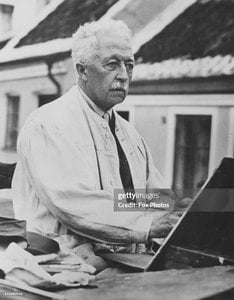
eugen napoleon nicolaus
1865 - 1947 , Sweden
艺术家简介
- Artistic Movement Or Style: Impressionism
- Artists Or Movements Influenced By This Artist:
- The Ashcan School
- American Impressionism
- Artists Who Influenced This Artist:
- William Merritt Chase
- Jean-Baptiste Camille Corot
- Date Of Birth: 1865
- Date Of Death: 1947
- Full Name: Robert Henri
- Nationality: American
- Notable Artworks:
- The Table
- Spanish Village
- Portrait of a Musician
- Place Of Birth: Cincinnati, Ohio
相关文章

浪漫主义画派的十部巨作:定义风景画的艺术传奇
探索浪漫主义风景画的巅峰!本文精选十部经典名作,带您领略莫奈、库尔贝等大师的艺术魅力。感受色彩与光影的诗意,重温自然风光的震撼。ArtsDot.com为您提供博物馆级别的艺术复制品和个性化家居装饰方案。尽在ArtsDot.com!

Evocations of Place: A Historical Journey Through Landscape Art
Explore the rich history of landscape art with ArtsDot. Discover renowned artists, movements like Impressionism & tonalism, and expert guidance for collecting timeless pieces. Find your perfect serene escape today!

Johan Krouthén: Navigating Swedish Romanticism Through Landscape & Light
Explore the captivating landscapes of Johan Krouthén, a Swedish artist who broke from tradition to embrace realism & idealism. Discover his technique, influences, and legacy with ArtsDot.

康斯塔布尔大师之作:25幅传世风景画赏析 | ArtsDot
探索康斯塔布尔的25幅传世杰作!沉浸于英国田园风光,感受浪漫主义绘画大师的光影与色彩。高清油画复制、艺术品购买尽在ArtsDot.com,为您的家居增添经典之美。立即在线探索完整系列!

Evocations of Place: A Historical Journey Through Landscape Art
Explore the rich history of landscape art with ArtsDot. Discover renowned artists, movements like Impressionism & Romanticism, and expert guidance for collecting timeless pieces. Find your perfect serene escape today!
