


 实景预览
实景预览
 发送
发送 分享
分享
 详情
详情 指南
指南

 下载图片
下载图片
 相似作品
相似作品 X射线
X射线 幻灯片播放
幻灯片播放 统计数据
统计数据Reaper


 阅读全文
阅读全文
艺术微喷/版画
博物馆级艺术微喷或帆布版画,制作高效,并提供多种饰面选择。 ( 订购此收藏品的纯手工复刻画作 切换至数字图像销售渠道)




P118B ¥10

P118H ¥10

P118W ¥10

P438Z ¥10

P508JH ¥12

P508YH ¥12

P805H ¥10

P805Z ¥10

P919BZ ¥10

P919G ¥10

P919XJ ¥10

P959ZH ¥10

P968JZ ¥12

W106C ¥8

W218G ¥10

W218JH ¥8

W218Y ¥10

W307PJ ¥10

W316G ¥10

W316PJ ¥8

W316Y ¥10

W398PJ ¥8

W4111J ¥10

W500HY ¥15

W500JH ¥15

W692G ¥12

W849H ¥8

W940BG ¥15

W953PJ ¥8




您可以从与原作比例一致的预设尺寸中进行选择。

请输入您所需的宽度和高度,以适配您的画框或墙面。由于印刷品只能进行裁剪,无法超出原图尺寸,因此若比例不一致,画面的一部分将会被裁切。在正式印刷之前,我们会为您发送一份数字效果图供您确认。本页面显示的图片并非最终裁剪后的效果——只有效果图才能展示真实的裁剪情况。


 玻璃选项仅适用于110厘米以下的尺寸。

Reaper
艺术微喷/版画
复刻品尺寸说明
-


总计金额
¥ 417
A Glimpse into Modernity: Decoding Kazimir Malevich’s ‘Reaper’
Kazimir Malevich's 1912 painting, ‘Reaper,’ is not merely an image of agricultural labor; it’s a pivotal moment in the seismic shift occurring within early 20th-century art. Emerging from a period of intense experimentation and artistic ferment, this work stands as a compelling bridge between the representational world and the burgeoning realm of abstraction. The scene depicts a woman, bent in the act of tying her shoes – or perhaps tending to the earth itself – rendered not with realistic detail but through the fractured planes and bold color choices characteristic of Cubism. A red hat punctuates the composition, drawing the eye amidst the geometric deconstruction of form. Hints of other figures linger in the background, suggesting a communal existence yet remaining deliberately indistinct, almost spectral. The inclusion of an umbrella adds a curious element, perhaps symbolizing protection or simply another facet of everyday life caught within Malevich’s innovative vision.
The Ukrainian Roots and Parisian Influences
Born in Kyiv Oblast, Ukraine, to a Polish family, Kazimir Malevich carried the weight of his cultural heritage throughout his artistic journey. His early exposure to Ukrainian folk art instilled in him an appreciation for simplified forms and vibrant colors – elements that would subtly resurface even as he ventured into radical abstraction. However, it was a transformative trip to Paris in 1912 that truly ignited his artistic evolution. Immersed in the heart of the European avant-garde, Malevich encountered the groundbreaking work of Cubists like Picasso and Braque. He absorbed their techniques of fragmentation and multiple perspectives, but rather than simply imitating them, he began to synthesize these influences with his own unique sensibility. ‘Reaper’ is a testament to this synthesis – a painting that demonstrates a clear understanding of Cubist principles while simultaneously hinting at the distinct path Malevich would soon forge.
Beyond Representation: The Dawn of Suprematism
‘Reaper’ occupies a crucial position in Malevich's artistic development, preceding his most famous and revolutionary creation – the ‘Black Square.’ While still rooted in recognizable subject matter, the painting demonstrates Malevich’s growing desire to move beyond mere representation. He wasn’t interested in depicting *what* he saw, but rather in conveying *how* he felt about what he saw. This pursuit of pure feeling would ultimately lead him to Suprematism, an artistic movement centered on basic geometric forms and a limited color palette. In ‘Reaper,’ we see the seeds of this philosophy being sown – the simplification of form, the emphasis on underlying structure, and the rejection of traditional perspective all point towards the radical abstraction that lay ahead. The painting isn’t about a woman tying her shoes; it's about the essence of human labor, the geometry inherent in everyday life, and the artist’s attempt to distill these concepts into their purest form.
A Legacy of Innovation: ‘Reaper’ as a Catalyst
The impact of Kazimir Malevich extends far beyond his own body of work. He fundamentally altered the course of 20th-century art, paving the way for movements like Minimalism and Conceptual Art. ‘Reaper,’ though often overshadowed by his later, more purely abstract creations, remains a vital piece in understanding this evolution. It’s a painting that challenges viewers to reconsider their perceptions of reality, to look beyond surface appearances, and to appreciate the power of form and color as independent expressive elements. For collectors and interior designers alike, a reproduction of ‘Reaper’ offers not just an aesthetically striking addition to any space, but also a conversation starter – a window into a pivotal moment in art history and a testament to the enduring legacy of one of its most visionary pioneers.


艺术家简介
卡济米尔·马列维奇:抽象艺术的先驱
早年生活与艺术启蒙
- 1878年,卡济米尔·谢韦里诺维奇·马列维奇出生于乌克兰基辅州的一个波兰家庭。他早年的生命轨迹深受乌克兰乡村景观及其丰富民间文化的滋养。
- 这种成长环境赋予了他对传统艺术表达的深刻鉴赏力,并在日后的创作中悄然渗透进他的作品之中。
- 尽管他在基辅接受了正规的艺术训练,但马列维奇很快便渴望开辟更广阔的艺术视野,随后移居莫斯科,并最终投身于欧洲蓬勃发展的先锋派运动。
- 关键影响:早期对民间艺术的接触,结合其对现代表达方式的追求,共同构筑了他独特艺术风格的基石。
艺术演进与核心流派
- 在创作初期,马列维奇广泛探索了多种艺术风格,包括印象派、象征主义、野兽派以及立体主义。1912年那次至关重要的巴黎之旅,让他得以接触到欧洲艺术界最前沿的发展动态。
- 他逐渐背离了具象的描绘形式,转而寻求一种基于几何形状与色彩关系的纯粹艺术语言。
- 这一探索在1915年前后促成了至上主义(Suprematism)的诞生——这是一场聚焦于艺术中“纯粹感受力的至高无上”的抽象运动。
- 至上主义拒绝任何试图描绘可见世界物象的尝试,转而将正方形、圆形和长方形等基本几何形式置于艺术的核心地位。
卓越成就与传世名作
- 《黑方块》(1915):这无疑是他最负盛名的杰作,它代表了对传统艺术的一次激进决裂,被视为抽象绘画的奠基之作。
- 《白色加白色》(1918):这一系列作品旨在探索形式与色彩的纯粹性,通过白色的几何形状在白色背景上的呈现,将抽象艺术推向了极致。
- 《建设中的房屋》(1916):这是至上主义早期的典范之作,通过抽象的形式展现了他对乌克兰文化独特的视角。
- 此外,他还撰写了大量的艺术理论著作,清晰地阐述了至上主义背后的哲学原则,并倡导一种全新的艺术意识。
历史地位与深远影响
- 马列维奇的作品深刻影响了20世纪抽象艺术的发展,并对极简主义和构成主义等运动产生了深远作用。
- 他挑战了传统的再现观念,为非客观艺术的兴起铺平了道路。
- 他关于纯粹感受力与几何抽象的思想,至今仍能在当代艺术家身上引起共鸣。
- 尽管在斯大林统治时期面临政治迫害——从最初的支持到后来的压制——马列维奇依然在艺术实践与教学中坚守初心。
- 对后世艺术家的影响:他直接启发了如埃尔·利西茨基(El Lissitzky)等艺术家,并通过至上主义持久的遗产,间接塑造了无数后来的艺术灵魂。
晚年生活与逝世
- 在生命的最后阶段,马列维奇重新审视了具象绘画,试图将他的抽象原则与再现形式进行某种程度的融合。
- 他一直致力于艺术教学与理论写作,直至1935年在列宁格勒(今圣彼得堡)逝世。
- 尽管其作品在去世后的数十年里一度沉寂,但在20世纪下半叶却迎来了研究热潮的复兴,从而确立了他作为现代艺术史上最重要人物之一的崇高地位。

卡济米尔·马列维奇
1878 - 1935 , 乌克兰
快速概览
- 全名: 卡济米尔·马列维奇
- 出生地 (城市和国家): 乌克兰基辅州
- 出生日期: 1878年2月23日
- 受此艺术家影响的艺术家或运动:
- 极简主义
- 构成主义
- 埃尔·利西茨基
- 国籍: 乌克兰/俄罗斯
- 影响该艺术家的艺术家:
- 立体派
- 野兽派
- 印象派
- 艺术运动或风格: 至上主义,抽象艺术
- 著名作品:
- 黑方
- 白与白
- 正在建造的房子
相关文章

Kazimir Malevich: Pioneering Suprematism & the Quest for Non-Objective Art
Explore the revolutionary art of Kazimir Malevich & his groundbreaking Suprematism movement. Discover the origins, core principles, and lasting impact of this pivotal force in modern abstract painting.

几何抽象艺术十大杰作:定义现代家居装饰的经典之作
探索几何抽象艺术的十大杰作!康定斯基、蒙德里安等大师作品,色彩构成与非具象之美。ArtsDot.com提供博物馆级艺术复制品,为您的家居带来现代艺术灵感。立即在线探索完整系列!
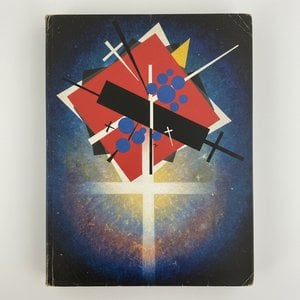
Beyond Representation: Exploring the Radical Geometry of Suprematism & Its Spiritual Foundations
Explore the revolutionary world of Suprematism with our expert guide. Discover Kazimir Malevich's groundbreaking art, its spiritual foundations & lasting influence on modern design. Learn about collecting this iconic movement.

Beyond Form & Color: Geometric Abstraction's Evolution in 20th/21st Century Art
Explore the evolution of geometric abstraction from Cubism to contemporary art. Discover key artists like Malevich & Mondrian, investment insights, and expert collecting advice at ArtsDot.

卡济米尔·马列维奇:25幅颠覆艺术认知的杰作 | ArtsDot
探索卡济米尔·马列维奇25幅至上主义杰作!深入了解抽象艺术的起源、黑色正方形背后的故事,以及如何用现代艺术提升您的家居装饰。ArtsDot.com提供博物馆级艺术复制品,点亮您的空间。立即在线探索完整系列!


