
Figure study

- 48.0 x 33.0 cm


图片将根据您的选择进行更新: , .
藏品详情
Ferdinand Hodler’s ‘Figure Study,’ created in 1903, showcases two female figures facing away from the viewer, dressed in flowing gowns. This evocative drawing exemplifies Hodler's signature style and explores themes of beauty and mortality.
 展开全文
展开全文
只需简单四步,即可订购您的
请慢慢挑选。您可以随时更改任何选项;订单详情卡中的价格将随您的选择实时更新。
1 四步中的第一步
On which medium should it be printed?
Canvas is printed with giclée inks and can be stretched or framed like a painting; paper comes flat, or framed behind glass.
2 四步中的第二步
您想要哪种尺寸?
这些尺寸均保持了原画的比例。示意图展示了您所选尺寸在墙面上的效果,其位置位于一张两米宽的沙发上方。
或输入您自定义的尺寸
您可以从与原作比例一致的预设尺寸中进行选择。

请输入您所需的宽度和高度,以适配您的画框或墙面。由于印刷品只能进行裁剪,无法超出原图尺寸,因此若比例不一致,画面的一部分将会被裁切。在正式印刷之前,我们会为您发送一份数字效果图供您确认。本页面显示的图片并非最终裁剪后的效果——只有效果图才能展示真实的裁剪情况。
3 四步中的第三步
您希望如何装裱:卷轴装、绷框装还是带框装?
以下价格对应您在第一步中所选的尺寸。
选择绷边画布的边缘样式
选择您的画框

白色边缘 ¥1

边缘晕染效果 ¥1

延展式 ¥1

P118B ¥10

P118H ¥10

P118W ¥10

P438Z ¥10

P508JH ¥12

P508YH ¥12

P805H ¥10

P805Z ¥10

P919BZ ¥10

P919G ¥10

P919XJ ¥10

P959ZH ¥10

P968JZ ¥12

W106C ¥8

W218G ¥10

W218JH ¥8

W218Y ¥10

W307PJ ¥10

W316G ¥10

W316PJ ¥8

W316Y ¥10

W398PJ ¥8

W4111J ¥10

W500HY ¥15

W500JH ¥15

W692G ¥12

W849H ¥8

W940BG ¥15

W953PJ ¥8

H24-GOLD ¥30

H24-SILVER ¥30

H36-GOLD ¥45

H36-SILVER ¥45
带框
边框材质: . 含框总尺寸: .
4 第四步(共四步)
几种饰面选项
所有选项均为可选。已选择的答案不会产生额外费用。
全球配送()仅需 2 周即可送达,无需等待标准流程的 4/5 周。(21 November)
像博物馆里的那样,配上一块铭牌?
青铜铭牌雕刻详情
This elegant plaque features the artist's name and the title of the artwork, finely engraved for a timeless presentation.
It is made from bronze with a refined, elegant finish. The text is precisely laser-engraved for a sharp and permanent result. Measuring 9x2 cm, the plaque is compact yet easy to read. It's built to be durable and scratch-resistant, offering a professional, museum-quality look. Mounting is simple thanks to the included adhesive backing.
透明亚克力铭牌详情
The plaque includes essential engraved details such as the artist's name, the title of the artwork, the date it was created, the type of media used-like oil on canvas or watercolor-a brief description of the piece, and a QR code that links to the complete artwork information.
It is crafted from clear acrylic, offering a sleek, modern appearance. The text is UV-engraved in black to ensure strong visual contrast. With a size of 10x15 cm, it ensures optimal readability. It comes equipped with two metal hooks for secure wall mounting. The plaque is designed to be weather-resistant, making it suitable for various environments, and it includes interactive features that work seamlessly with smartphone scanning.
黑色亚克力铭牌详情
This elegant plaque includes engraved information such as the artist's name, the title of the artwork, the date it was created, the type of media used (like oil on canvas or watercolor), a short description of the artwork, and a QR code for quick access to more information.
The plaque itself is made from refined black acrylic with a premium finish. The text is laser-engraved in white for high contrast and readability. Its size is 10x15 cm, designed to be easy to read. It comes with two metal hooks for professional mounting. The design is sleek and fits any interior style. It is also weather-resistant and durable, with built-in digital integration for mobile compatibility.
需要保护性光油吗?
您预计何时收到?
✓ 确认并下单
Your print, as you ordered it

Figure study
复制品材质
复刻品尺寸
-

复制画装裱选项
-
-
对于任何边长超过 105 厘米(约 41 英寸)的艺术品或复制品,画框将以拆解后的组件形式发货。此方法可确保安全送达并防止运输过程中的损坏。
需由专业人员组装 —— 本产品不适用于 DIY 操作。
该组件必须由经验丰富的专业装裱师进行组装及画布绷装,过程中需使用木工胶(不随附)、画布绷边钳以及夹具,以确保在胶水干燥期间保持内框方正。组装不当或画布张力不均可能会对艺术品造成永久性损坏,且此类情况不在我们的保修范围之内。
 对于任何边长超过 105 厘米(约 41 英寸)的艺术品或复制品,画框将以拆解后的组件形式发货。此方法可确保安全送达并防止运输过程中的损坏。
包含所有实木条,尺寸精确,便于组装。
使用随附的螺丝进行组装,另需准备用于角部连接的木工胶(本品不含木工胶),请由您的装裱师自行准备。
需另备专业工具(本套件不含):画布绷紧钳以及用于在胶水干燥过程中保持木条方正的夹具。
重要提示:
角部连接处需要使用木工胶,边框条必须使用夹具固定直至胶水完全干透,且在组装好的框架上绷紧画布需要用到画布拉伸钳。以上工具均不包含在套装内。请在订购此尺寸前,预先联系经验丰富的专业装裱师。

展品铭牌
-
-

保护性清漆
光泽清漆(提亮色彩,防光防潮)
-

加急
全球配送(),仅需 2 周即可送达,无需等待标准的 4/5 周。(21 November)
-
极速达
全球配送(),预计需 4 至 5 周。(28 November)。
已包含
最终结算价
¥ 421
玻璃选项仅适用于110厘米以下的尺寸。
每份订单均包含
- 全球免运费特快专递服务
- 优质亚麻画布
- 全程运输保险
- 关税退款保证
- 色彩精准还原保证
- 100天退货保障(仅限制造缺陷)
- 100% 退款保证
- 多件购买优惠


Ferdinand Hodler’s Figure Study: A Window Into Symbolist Vision
The charcoal sketch titled “Figure Study,” executed by Austrian-Swiss artist Ferdinand Hodler in 1903, stands as a testament to the enduring power of Symbolism—a movement that sought to transcend literal representation and delve into the realm of emotion and psychological insight. Held at the National Gallery of Bosnia and Herzegovina in Sarajevo, this deceptively simple composition offers a profound glimpse into Hodler’s artistic philosophy and his masterful manipulation of form and tonal harmony.Composition and Technique: Parallelism Embodied
Hodler's distinctive technique—known as “parallelism”—is immediately apparent. Instead of depicting the subject directly, he divides the canvas into squares or rectangles, creating a visual fragmentation that mirrors the complexities of human consciousness. This approach isn’t merely stylistic; it reflects Hodler’s belief that true artistic expression lies in capturing not just what is seen but also what is felt—the underlying currents of emotion and thought that shape our experience. The drawing itself utilizes precise lines and subtle shading to convey a sense of stillness and contemplation, prioritizing tonal gradation over sharp delineation. This deliberate restraint contributes to the artwork’s ethereal quality and invites viewers to engage in an active process of interpretation.Historical Context: Pont-Aven School Influence
Hodler's artistic development was significantly impacted by his association with the Pont-Aven School—a group of artists who championed Symbolism alongside Fauvism. Influenced by writers like Gustave Kahn and Henri Bergson, they rejected Impressionistic notions of objective observation in favor of exploring subjective experience and delving into spiritual themes. The Pont-Aven aesthetic prioritized expressive color palettes and evocative imagery, aiming to evoke profound emotional responses in the audience—a goal perfectly realized in Hodler’s oeuvre. “Figure Study” embodies this spirit, aligning seamlessly with the broader artistic currents of its time.Symbolism: Gestures Towards Universal Harmony
The sketch's central figure—a woman viewed from behind—represents more than just a portrait; it symbolizes femininity and grace, rendered in muted tones that convey serenity and vulnerability. Hodler’s use of parallel lines creates an illusion of depth and movement, subtly hinting at the dynamism beneath apparent stillness. The positioning of the woman’s head suggests introspection and contemplation—a reflection of Hodler's own preoccupation with mortality and the quest for spiritual understanding. Furthermore, the inclusion of a plant or tree adds to the artwork’s symbolic resonance, representing growth, resilience, and connection to nature—themes central to Symbolist thought.Emotional Impact: A Quiet Resonance
“Figure Study” possesses an understated yet powerful emotional impact. Its muted palette evokes feelings of melancholy and contemplation, prompting viewers to consider questions of existence and beauty. The artist’s meticulous attention to tonal harmony creates a sense of visual tranquility—a refuge from the anxieties of modern life. Ultimately, Hodler's masterpiece invites us to appreciate the profound significance of simplicity and restraint in artistic expression, demonstrating that true beauty resides not in ostentation but in an ability to capture the essence of human experience with remarkable sensitivity and grace. It’s a piece that lingers in the mind long after viewing—a testament to Hodler’s enduring legacy as one of Symbolism's foremost practitioners.常见问题与解答
原件 费迪南德·霍德勒 的《Figure study》 的尺寸是多少?
原作 费迪南德·霍德勒 的《Figure study》 的尺寸为 48 x 33 cm。
在哪里可以找到关于费迪南德·霍德勒 的《Figure study》的数据统计?
"Figure study" 拥有专属的 访问统计 页面。该页面通过国家和语言维度的细分,展示了该作品及艺术家其他作品的每月访问量趋势图。
费迪南德·霍德勒 的《Figure study》 的复制品适合悬挂在什么位置?
费迪南德·霍德勒 的《Figure study》 的 Portrait 格式推荐用于 Hotel Room。画幅与空间的结合,将为您提供复制品摆放的指引。
更多关于此画作的信息
 实景预览
实景预览
 订购纯手工绘制画作
 分享
分享 分享
分享
 详情
详情 指南
指南

 下载作品
下载作品
 相似作品
相似作品 X射线
X射线 幻灯片播放
幻灯片播放 问答
问答 统计数据
统计数据相似作品


费迪南德·霍德勒
1853 - 1918, 瑞士
艺术家简介
死亡的建筑学
1853年出生于瑞士伯尔尼,费迪南·霍德勒的早年生活被一种沉静而持久的悲痛所定义。在他进入青春期之前,夺走他父亲和两位弟弟生命的肺结核在他的家庭中留下了一片空白。这种早期的丧失体验成为了他作品中反复出现的母题,如同一道阴影,从他作为学徒的卑微起点一直伴随他走向职业生涯的巅峰。他最初作为一名装饰画家开始接受训练,协助继父从事商业招牌工作,这种实践性的教育赋予了他对线条和形式的精准掌控。这种手工艺方面的根基,为他日后进行更深层次的哲学探索提供了技术上的严谨性。
1871年移居日内瓦,标志着他开始脱离青年时期受商业需求驱动的艺术创作。在这座城市里,他寻求与艺术进行更深层次的对话,通过参加科学讲座和临摹当地博物馆大师的作品来汲取养分。正是在这里,他开始逐渐背离早期风景画和肖像画中那种细致入微的现实主义风格。他不再满足于仅仅复制瑞士阿尔卑斯山的景色或模写模特的容貌;他渴望捕捉生命内在的律动。这种从客观向主观的转变,最终引导他开发出了一套完全属于自己的视觉语言。
平行性的逻辑
霍德勒对现代绘画演进做出的最重要贡献,在于他提出的平行性理论。这不仅仅是一种构图技巧,更是一种将世界视为一系列相互关联、富有节奏感的模式的观察方式。他观察到自然界中的形式——无论是山脉的坡度、人体肢体的曲线,还是水中的倒影——往往在一种结构化的几何和谐中相互映射。通过将人物与景观元素安排在这些重复且富有节奏的韵律中,他试图描绘他所认为的统治自然世界的结构秩序。这种方法使他能够跨越场景的物理现实与观察者的情感状态之间的鸿沟。
他的作品往往处于象征主义与一种更具结构性的现代感官之间。在1890年完成的《夜》等作品中,他通过横卧的人物探索了安宁与死亡的主题,这一题材在当时挑战了主流的审美趣味。他在古典形式与一种现代的、近乎结构性的强度之间融合的能力,在1897年的《真理二》中得到了充分体现。他并不依赖于同时代艺术家那种混乱的笔触;相反,他运用深思熟虑且通常较为沉稳的赭石、棕色和绿色调,来营造一种永恒感与厚重感。他的画布不仅仅是通往某个场景的窗口,更是有组织的生存环境,在这里,人类的精神与自然景观通过一种共同的几何逻辑紧密相连。
风景中的生命
瑞士的风景在他的作品集中始终占据着核心地位,尤其是阿尔卑斯山的雄伟壮丽。他不仅将这些山脉视为地形特征,更将其视为精神实体。他对艾格峰、蒙希峰和少女峰的描绘,或是从迪圣米迪峰俯瞰的景色,都反映了他试图将山脉的尺度转化为情感共鸣语言的渴望。他经常运用叠色技法,在厚重的色块上覆盖薄薄的色层以达到特定的明亮度,这在他后期对日内瓦湖光影的研究中尤为明显。这些作品展示了对氛围的精湛掌控,在不牺牲地形结构完整性的前提下,捕捉到了阿尔卑斯山光线那种朦胧而空灵的质感。
到1918年在日内瓦去世时,霍德勒已确立了自己在瑞士艺术史上的核心地位。他的影响在表现主义的发展中清晰可见,因为他对主观情感和节奏形式的强调,为那些试图超越传统再现形式的艺术家奠定了基础。他始终是一位具有深刻心理深度的画家,利用他的艺术手段去直面生与死这些根本性的问题。他的遗产在于,他迫使观众穿透世界的表象,去寻找那些维系万物存在的、沉默而重复的规律。




相关文章

Friedrich von Amerling: Capturing Viennese Aristocracy & the Biedermeier Spirit
Explore the elegant portraits of Friedrich von Amerling, a master of Viennese Biedermeier art. Discover his life, style, and lasting influence on 19th-century Austrian painting. Find high-quality reproductions at ArtsDot.

Josef Kriehuber: A Life Immersed in Viennese Topography – From Lithographic Precision to Romantic Observation
Explore the life and work of Josef Kriehuber, a master lithographer who captured 19th-century Vienna. Discover his portraits of nobility, landscapes, & artistic techniques. A guide for collectors & art enthusiasts.
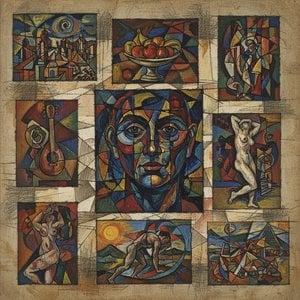
Cubist Expressionism's 10 Defining Masterpieces | Art for Your Home
Explore 10 defining Cubist Expressionism masterpieces by Picasso, Braque & more. Discover the stories behind these bold, geometric paintings and bring museum-quality art to your home with ArtsDot.com. Explore the full collection online.