Український метаопис: Сиґмар Полке (1941–2010) – німецький художник та фотограф, відомий експериментальними техніками та саркастичним коментарем щодо соціальних проблем та культури, що поєднує мистецтво з повсякденним життям.
Українські ключові слова: Сиґмар Полке, німецький художник, Капіталістський реалізм, Нейоекспресіонізм, живопис, фотографія, експериментальне мистецтво, післявоєнне мистецтво
Відкрийте для себе яскравий світ Вісенте ду Регу Монтейро! Бразильський художник і поет, що поєднує кубізм з індіанськими темами. Відкрийте його унікальний стиль та спадщину.
Відкрийте для себе Дана Грама (1942-2022), концептуального художника, відомого своїми дзеркальними павільйонами, фотографіями, відеоартом та промовистими текстами. Він кидав виклик сприйняттю простору та суспільства мінімалістичними структурами.
Захоплений зеленими обіймами західної околиці Порту, Фонд Серралуш — це набагато більше, ніж просто музей; це глибоке занурення у світ, де мистецтво, архітектура та сама душа Португалії переплітаються в єдине ціле. Народжений з постреволюційного бачення 1989 року — як сміливий союз державних коштів та приватної ініціативи — фонд розквітнув, ставши всесвітньо визнаним маяком сучасної творчості. Його історія бере початок у майстерному проєкті будівлі музею від Алвару Сізи Віейри — споруди, яка не просто вміщує мистецтво, а активно взаємодіє з оточенням, запрошуючи природу всередину через складну мережу патіо та вікон. Це навмисне розмиття меж між інтер'єром та екстер'єром створює плинний, споглядальний простір, що відображає головне переконання фонду: мистецтво має бути доступним і глибоко відчутним. Поза межами самого музею розкинулася Вілла Серралуш — приголомшливий зразок архітектури ар-деко 1930-х років, що слугує захопливим контрапунктом до сучасної будівлі, відкриваючи погляд на минулу епоху витонченої елегантності та розкішного дизайну. І, звичайно, є Скульптурний парк — безкраї ландшафти, перетворені ретельно розміщеними витворами мистецтва, що створюють галерею просто неба, де відвідувачі можуть блукати серед шедеврів, перебуваючи в спокої природи. Весь цей комплекс є свідченням філософії, яка ставить у пріоритет діалог — між минулим і теперішнім, внутрішнім і зовнішнім, мистецтвом та самим життям.
Ключові особливості:
Колекція вражає своєю різноманітністю, охоплюючи живопис, скульптуру, фотографію, відеоінсталяції та перформанс. Нещодавні виставки представили емоційні роботи Патрісії Алмейди, що досліджують спадщину дизайну Алто, а також імерсивні інсталяції Мауріціо Каттелана — кожна з яких пропонує унікальний погляд на сучасні теми.
Архітектурна значущість:
Проєкт Алвару Сізи Віейри славиться своєю глибокою повагою до навколишнього ландшафту. Будівля музею — це не просто контейнер, а невід'ємна частина досвіду, що використовує відкриті простори та рясне природне світло для створення відчуття спокою та єднання з природою.
Вілла Серралуш:
Цей шедевр ар-деко створює захопливий історичний контраст, демонструючи вишукані інтер'єри та меблі, що викликають відчуття позачасової елегантності. Вона слугує нагадуванням про еволюцію естетичних почуттів протягом XX століття.
Ландшафт, виліплений мистецтвом
Скульптурний парк є, мабуть, найчарівнішою рисою Серралуш — це розлогий простір, де мистецтво безшовно інтегрується в природний світ. Замість того, щоб нав'язувати витвори мистецтва ландмуфту, фонд свідомо прагне створити діалог між ними, що призводить до створення галереї просто неба, яка спонукає до роздумів та відкриттів. Дизайн парку не є випадковим; він відображає глибоку відданість ідеям доступності та залучення, руйнуючи бар'єри між об'єктом мистецтва та глядачем. Відвідувачі можуть блукати звивистими стежками, зустрічаючи монументальні скульптури, приховані серед дерев, водних споруд та яскравої флори — це справді імерсивний досвід, де мистецтво стає нерозривно пов'язаним із природою. Парк був удостоєний престижної премії Генрі Форда за свою відданість збереженню довкілля та впровадження сталих практик, що ще більше зміцнює роль Серралуш у комплексному культурному розвитку.
Визначні скульптури:
Колекція включає роботи таких відомих митців, як Луїза Буржуа, Антоні Гормлі та Крістіна Іглесіас, кожна з яких пропонує унікальну інтерпретацію простору та форми.
Дорожка над кронами дерев:
Підвішена доріжка пропонує захопливі панорамні краєвиди парку та навколишнього ландшафту, надаючи унікальну перспективу на взаємодію мистецтва та природи.
Відлуння минулого: Вілла Серралуш
Крок у Віллу Серралуш подібний до подорожі в часі, назад у гламурну епоху 1930-х років. Цей вишуканий зразок архітектури ар-деко стоїть як свідчення минулої ери розкоші та витонченості, пропонуючи захопливий контраст із сучасною будівлею музею. Інтер'єр вілли ретельно збережений, демонструючи оригінальні меблі, декоративне мистецтво та архітектурні деталі, що викликають відчуття шляхетної елегантності. Більше ніж просто історичний артефакт, Вілла слугує вікном у еволюцію естетичних почуттів, демонструючи, як принципи дизайну змінювалися з часом. Ретельна кураторська робота всередині її стін надає цінний контекст для розуміння ширшого мистецького ландшафту XX століття.
Архітектурні деталі, на які варто звернути увагу:
Складні геометричні візерунки на фасаді
Розкішні матеріали, такі як поліроване дерево та мармур
Елегантні освітлювальні прилади, що осяюють внутрішні простори
Відданість залученню: Поза межами візуального
Що справді вирізняє Серралуш, так це непохитна відданість комплексному культурному досвіду. Діяльність фонду зосереджена навколо п'яти стратегічних осей — художня творчість, залучення аудиторії, екологічна відповідальність, критичне осмислення сучасного суспільства та підтримка креативних індустляцій — що демонструє прагнення, яке виходить далеко за межі простого експонування мистецтва. Цей багатогранний підхід проявляється в інноваційних програмах, адаптованих для різної аудиторії, включаючи освітні ініціативи, музичні виступи, кінопокази та громадські заходи. Фонд активно сприяє діалогу, просуває освіту та вирішує гострі соціальні питання, зміцнюючи свою роль життєво важливого культурного центру регіону. Прихильність Серралуш до сталого розвитку очевидна через визнання парку премією Генрі Форда, що відображає глибоке розуміння важливості збереження нашого природного середовища для майбутніх поколінь.
Освітні програми:
Серралуш пропонує широкий спектр воркшопів та лекцій, розроблених для залучення відвідувачів усіх віків та походження.
Робота з громадою:
Фонд активно підтримує місцевих митців та культурні організації через гранти, резиденції та спільні проєкти.
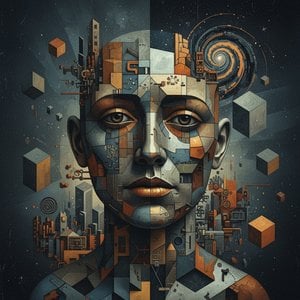
Explore the profound aesthetic & philosophical foundations of Cubist Expressionism. Discover key artists, movements, and lasting influence on modern art history. A guide for discerning collectors.
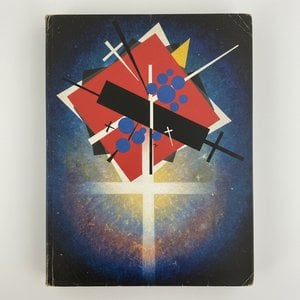
Explore the revolutionary world of Suprematism with our expert guide. Discover Kazimir Malevich's groundbreaking art, its spiritual foundations & lasting influence on modern design. Learn about collecting this iconic movement.
Explore the revolutionary art of Georges Seurat and the science behind Pointillism. Discover chromoluminarism, optical mixing, and the lasting impact of Neo-Impressionism on modern art history.