1of 100
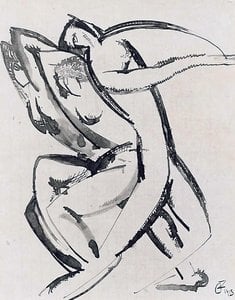
Кандінський Василь Васильович 1866–1944
Росіянин From Москва ['Експресіонізм', 'Абстрактне живопис', 'Der Blaue Reiter'] On Wikipedia in 32 of 32 languages

New to Expressionist? Start here
If you remember one Expressionist художник, make it Кандінський Василь Васильович (1866–1944), the name behind Синій коваль та Композиция VII. After that come Едвард Мунк, Жан-Мішель Баскія, Пауль Клее та Джексон Поллок. Our 100 picks go from Крістіан Рольфс (born 1849) to Жан-Мішель Баскія (born 1960), from 38 countries.
How we picked them. We list the artists our catalogue links to Expressionist, from the most famous down. Artists born after 1955 that we cannot yet check on Wikidata are left out. The Wikipedia number shows in how many of our 32 languages Wikipedia writes about them.
Quick facts
Meet them one by one
1of 100
Росіянин From Москва ['Експресіонізм', 'Абстрактне живопис', 'Der Blaue Reiter'] On Wikipedia in 32 of 32 languages
3of 100
Американський From Бруклин Неоекспресіонізм On Wikipedia in 29 of 32 languages

Born on December 22, 1960, in Brooklyn, New York, to a Haitian father and Puerto Rican mother, his upbringing was a vibrant tapestry woven with diverse cultures and languages—Spanish, English, and French filled his childhood home. This multilingual environment, coupled with his mother’s dedication to artistic pursuits—she enrolled him as a Junior Member of the Brooklyn Museum at age six—laid an early foundation for his creative journey.
4of 100
Німецько-швейцарська From Мюнхенбухзее Експресіонізм, Кубізм, Сюрреалізм On Wikipedia in 31 of 32 languages

Angel Applicant (1939). Щоб відшукати сліди його надзвичайно плідної творчості, варто вирушити до Берна, Швейцарія.
5of 100
Американець From Коді Абстрактний експресіонізм On Wikipedia in 31 of 32 languages

6of 100
Італієць From Ліворно Експресіонізм On Wikipedia in 32 of 32 languages

7of 100
Австрієць From Тулльн-ан-дер-Донау Австрійський експресіонізм On Wikipedia in 32 of 32 languages

8of 100
From Дублін On Wikipedia in 30 of 32 languages

Three Studies for Figures at the Base of a Crucifixion (1944).
10of 100
Голландсько-американська From Роттердам Абстрактний експресіонізм On Wikipedia in 30 of 32 languages

12of 100
Американець From Даугавпільс ['Живопис кольорового поля', 'Абстрактний експресіонізм']

No. 10 (Brown Black Sienna on Dark Wine).
13of 100
Німець From Мюнхен Німецький експресіонізм On Wikipedia in 31 of 32 languages

14of 100
Австрієць, чех, британець From Пехларн Експресіонізм, віденський авангард On Wikipedia in 29 of 32 languages

Oskar Kokoschka entered the world in 1886 in Pöchlarn, Croatia. Growing up in a household shaped by the precision of her husband's craft, he shared his early years with his sister, Berta, and his brother, Bohuslav.
15of 100
Німець From Ашаффенбург Німецький експресіонізм On Wikipedia in 32 of 32 languages

16of 100
Армяно-американець From Хоргам Абстрактний експресіонізм, Сюрреалізм On Wikipedia in 24 of 32 languages

Centro de Arte Moderna Gulbenkian у Лісоні зберігає його твори, а Buffalo AKG Art Museum є місцем, де можна знайти The Liver is the Cock's Comb — шедевр 1944 року. Безпосередній контакт із цими витворами дозволяє глибше розгледіти плинність ліній та те, як кольори м'яко перетікають один в одного.
17of 100
Німецько-данська From Нольде Німецький експресіонізм On Wikipedia in 28 of 32 languages

Born Hans Emil Hansen, he grew up on a farm in the Duchy of Schleswig. His parents were Danish and Frisian peasants, and the rhythms of rural life shaped his early years.
See them at Tracing his presence in public collections reveals a scattered but significant trail.
18of 100
Німець From Унтермгаус ["Нова об'єктивність", 'Дадаїзм', 'Експресіонізм'] On Wikipedia in 28 of 32 languages

19of 100
Бельгієць From Остенде ['Символізм', 'Експресіонізм'] On Wikipedia in 25 of 32 languages

20of 100
Француз From Смиловичі Експресіонізм On Wikipedia in 26 of 32 languages

His early life in Smilovichi, a small Jewish shtetl near Minsk (present-day Belarus) in 1893, was steeped in poverty and the constraints of Orthodox religious observance – experiences that would become central themes within his intensely personal art.
21of 100
Німець From Лейпциг Експресіонізм, Нова єствовизність On Wikipedia in 27 of 32 languages

22of 100
Австрієць From Відень Віденська Сецесія On Wikipedia in 29 of 32 languages

Народився: 15 грудня 1928 року, Відень, Австрія. Помер: 19 лютого 2000 року (у віці 71 року), на борту лайнера RMS Queen Elizabeth 2 у відкритому морі. Повне ім'я: Фрідріх Штоуассер (прийняв псевдонім Friedensreich Regentag Dunkelbunt Hundertwasser).
23of 100
Німець From Донауешинген Неоекспресіонізм On Wikipedia in 23 of 32 languages

25of 100
Німецька From Кенігсберг Експресіонізм On Wikipedia in 28 of 32 languages

26of 100
Француз From XIX округ Парижа Експресіонізм, Фавлізм On Wikipedia in 23 of 32 languages

27of 100
Scottish-American From Лонтон Architectural sculpture On Wikipedia in 28 of 32 languages

Born in Aberdeen, Scotland, on August 23, 1846, Calder’s artistic journey began amidst the burgeoning Arts and Crafts Movement, profoundly shaped by his father's influence as a stonemason—a craft he himself diligently honed early in life.
28of 100
Мексиканський From Чіуауа Соціалізм Реалізм, Мюралізм On Wikipedia in 24 of 32 languages

David Alfaro Siqueiros, born José de Jesús Alfaro Siqueiros in 1896 – though later research pinpointed his birthplace as Chihuahua City rather than Camargo – was more than just a painter; he was a force of nature, an embodiment of the tumultuous spirit of post-revolutionary Mexico.
29of 100
Американка From Мангеттен Абстрактний експресіонізм, Колірне поле On Wikipedia in 19 of 32 languages

30of 100
Американський From Лексінгтон Абстрактний експресіонізм On Wikipedia in 21 of 32 languages

Early studies under Pierre Daura at Washington and Lee University were followed by formative experiences at the Arts Students League of New York and Black Mountain College, where he encountered pivotal figures like Robert Rauschenberg, John Cage, and Merce Cunningham. However, it was a 1952 voyage to Italy and North Africa with Rauschenberg—funded by a grant from the Virginia Museum of Fine Arts—that proved truly transformative.
31of 100
Німецько-американський From Нью-Йорк Виражаванство On Wikipedia in 23 of 32 languages

32of 100
Американський From Нью-Йорк Абстрактний експресіонізм On Wikipedia in 23 of 32 languages

Vir Heroicus Sublimis (1958-60) ще більше закріпив цей підхід, створюючи відчуття просторової глибини та викликаючи почуття благоговіння та захоплення.
33of 100
Чех From Опочно ['Реалізм', 'Символізм', 'Орфізм', 'Кубізм', 'Абстракція'] On Wikipedia in 24 of 32 languages

«Аморфа, фуга у двох кольорах», приблизно 1912 р. «Диски Ньютона, етюд до фуги у двох кольорах», приблизно 1911 р.
36of 100
Німець From Дойчбазеліц Неоекспресіонізм On Wikipedia in 26 of 32 languages

37of 100
Американка From Бруклін Абстрактний експресіонізм On Wikipedia in 17 of 32 languages

38of 100
Німецький From Роttenфлют Виразізм On Wikipedia in 25 of 32 languages

Karl Schmidt-Rottluff, born Karl Schmidt in 1884 in the small German town of Rottenflut (later Rottluff), stands as a monumental figure in the tumultuous world of early 20th-century art. Initially drawn to architecture at the Technical University of Dresden, Schmidt-Rottluff quickly found himself captivated by a more urgent calling – one that resonated with fellow students Ernst Ludwig Kirchner, Fritz Bleyl, and Erich Heckel.
39of 100
Німецько-французька From Лейпциг Жестикулятивний абстрактний експресіонізм On Wikipedia in 15 of 32 languages

40of 100
Британська From Берлін Лондонська школа On Wikipedia in 17 of 32 languages

42of 100
Американський From Вілкс-Барре Абстрактний експресіонізм On Wikipedia in 17 of 32 languages

Kline’s childhood was profoundly impacted by familial tragedy—the untimely death of his father instilled in him a sensitivity to loss and vulnerability that would permeate his artistic endeavors.
44of 100
Індієць From Пандхарпур Кубістичні наративні картини On Wikipedia in 14 of 32 languages

45of 100
Німець From Мешеде Експресіонізм, фовізм, орфізм, кубізм On Wikipedia in 28 of 32 languages

46of 100
Росіянин From Торжок Експресіонізм On Wikipedia in 23 of 32 languages

47of 100
Канадсько-американський From Монреаль ['Абстрактний експресіонізм', 'Неоекспресіонізм'] On Wikipedia in 15 of 32 languages

48of 100
Німецький From Гвардєйськ Імпресіонізм та Експресіонізм On Wikipedia in 24 of 32 languages

In the Slaughterhouse (1878): A starkly realistic depiction of animal carcasses, showcasing Corinth’s early mastery of technique and his willingness to confront unsettling subjects. Self-Portrait (various years): A series of self-portraits created annually on his birthday, offering a fascinating chronicle of the artist's evolving self-perception and artistic style. Female Semi-Nude with Hat (1906): Demonstrates Corinth’s ability to blend classical motifs with impressionistic techniques, creating a sensuous and psychologically compelling portrait.
51of 100
Швейцарський From Вахзельдорн Експресіонізм, Баухаус On Wikipedia in 21 of 32 languages

52of 100
Польський From Варшава Символізм, сюрреалізм On Wikipedia in 27 of 32 languages

53of 100
Німець From Дёбельн Німецький експресіонізм On Wikipedia in 22 of 32 languages

54of 100
Австро-американська From Відень Дванадцятитонова техніка; Експресіонізм On Wikipedia in 31 of 32 languages

55of 100
Росіянка From Тула Виразіонізм On Wikipedia in 21 of 32 languages

56of 100
Іспанець From Цвікау Кубізм, Сюрреалізм On Wikipedia in 21 of 32 languages

57of 100
Угорська From Будапешт Сучасне угорське мистецтво On Wikipedia in 18 of 32 languages

58of 100
Сербка From Чачак Експресіонізм та фовізм On Wikipedia in 27 of 32 languages

60of 100
Бельгієць From Антверпен Фламандський експресіонізм On Wikipedia in 16 of 32 languages

Early Life & Artistic Formation: Born in Antwerp, Permeke’s formative years were marked by his father's dedication to landscape painting and the establishment of the Municipal Museum of Arts—a pivotal influence shaping his artistic sensibilities from a young age.
61of 100
Български From Видин Школа на Париж, Експресионизъм On Wikipedia in 18 of 32 languages

Nude with a Green Hat (Оголена в зеленому капелюшку, 1925): Вражаючий приклад його еротичних досліджень, що демонструє майстерність володіння кольором і формою. Наразі зберігається в Музеї мистецтв Цинциннаті. Little Girl on an Armchair (Дівчинка у кріслі, 1925): Свідчення його здатності вловити чистоту та красу в домашній обстановці. Loose Women (Жінки, 1911): Провокативна робота, що відображає зміну соціальних норм на початку XX століття.
62of 100
Німецький From Грос-Ніндорф Виражаванський стиль On Wikipedia in 15 of 32 languages

Born in Groß Niendorf (Kreis Segeberg), Prussia, he experienced a traumatic event at the age of twenty-five when a debilitating infection resulted in the amputation of his leg—a circumstance that profoundly shaped his worldview and propelled him toward painting as a form of solace and self-discovery.
63of 100
German From Duisburg Expressionism

Wilhelm Lehmbruck (1881-1919) stands as a pivotal figure in German sculpture, embodying the spirit of Expressionism while retaining an undeniable connection to Naturalistic principles. Lehmbruck’s journey into art began with studies at the School of Applied Arts in Düsseldorf, fueled by a generous municipal stipend, allowing him to pursue his passion for sculpture alongside broader artistic explorations.
64of 100
російсько-французька From Вітебськ Кубізм, модернізм On Wikipedia in 23 of 32 languages

65of 100
Американський From Грандін Абстрактний експресіонізм On Wikipedia in 12 of 32 languages

66of 100
Австрієць From Відень Експресіонізм On Wikipedia in 15 of 32 languages

67of 100
Американський From Портленд Лійка абстракція On Wikipedia in 9 of 32 languages

69of 100
Британський From Істлiнгтон Оутсайдерське мистецтво, імпресіонізм

Recognizing the importance of artistic education, he enrolled at South Kensington College of Art, immersing himself in the study of classical techniques and mastering the fundamentals of drawing and painting.
70of 100
Грецький From Пірей Сюрреалізм

«Вхід до заміського будинку» (1928): Ця акварель є втіленням здатності Цартойхіса поєднувати фантазію з ретельною спостережливістю. «Етюд до "Травня"» (1973): Картина демонструє вплив Моранді та майстерне використання імпасто, передаючи водночас красу та меланхолію.
71of 100
Американський From Новый Йорк Абстрактний експресіонізм

«Відбиття чоловіка в дзеркальному шафі» з «Гарем Документу» (1935-1940).
73of 100
Romanian From Iași ['Expressionism', 'Dadaism']

Arthur Segal (1875 – 1944) stands as a compelling figure in the turbulent landscape of early 20th-century European art, a Romanian artist whose career unfolded across multiple continents and artistic movements.
75of 100
Американський From Нью-Йорк Абстрактний експресіонізм On Wikipedia in 12 of 32 languages

Adolph Gottlieb, born in New York City in 1903, emerged as a pivotal figure in the burgeoning landscape of American Abstract Expressionism. He received foundational training at the Art Students League and Parsons The New School for Design, but it was his subsequent travels through Europe during the 1920s that truly ignited his aesthetic sensibilities.
76of 100
Canadian From Montreal Lyrical Abstraction On Wikipedia in 14 of 32 languages

Later, he attended the École des beaux-arts de Montréal but transitioned to the École du meuble, graduating in 1945. This shift proved pivotal as it led him to Paul-Émile Borduas.
77of 100
German From Berlin Expressionism On Wikipedia in 18 of 32 languages

From early training to her pivotal role in Der Blaue Reiter (The Blue Rider), Münter’s life was inextricably linked with artistic exploration and a commitment to pushing the boundaries of what painting could be. Münter's artistic education began with private tutoring, followed by formal studies at the Düsseldorf studio of Ernst Bosch and later at the Damenschule (Women’s School) in Munich.
79of 100
Polish From Leorda Expressionism On Wikipedia in 11 of 32 languages

Early Life and Education: Born in Bukovina to Stanisław Weiss and Maria Kopaczyńska, Wojciech’s musical inclinations gave way to a fervent passion for painting after encountering Stanisław Przybyszewski. He pursued his artistic studies at Kraków's Academy of Fine Arts under Leon Wyczółkowski, initially focusing on historical or mythological subjects before embracing Expressionism as a profound response to Przybyszewski’s influence.
80of 100
Американський From Баффало Абстракціонізм, Мінімалізм On Wikipedia in 12 of 32 languages

These early pieces—often characterized by clean lines, precise angles, and carefully chosen palettes—reflected a deep understanding of Cubism and Constructivism, movements he studied extensively. The 1940s saw Reinhardt become an active member of American Abstract Artists (AAA), a group he considered pivotal to his development.
82of 100
Austrian From Bzenec Vienna Secession On Wikipedia in 13 of 32 languages

Born amidst the evocative landscapes of Bisenz, Bohemia, Maximilian Franz Viktor Zdenko Marie Kurzweil carried the romantic sensibilities of his youth into the heart of the Austro-Hungarian Empire. His relocation to Vienna in 1879 marked the beginning of a transformative era for both the artist and the city itself, as he moved from the quietude of his Czech origins toward the vibrant, pulsing energy of a burgeoning metropolis.
83of 100
French From Paris Expressionism

Bernard Buffet (1928–1999) remains one of the most evocative and polarizing figures in twentieth-century French art. Born in Paris during a period of profound global upheaval, his very existence was shaped by the shadows of the Second World War.
84of 100
German/Dutch From Krefeld Der Blaue Reiter On Wikipedia in 13 of 32 languages

Born in Krefeld, Germany, in 1889, into a family connected to the textile industry – a world of intricate patterns and vibrant hues – Campendonk’s artistic journey began not with formal training but with an apprenticeship, a grounding in craft that would later inform his deeply symbolic approach.
85of 100
Американський From Сентервілл Абстрактний експресіонізм On Wikipedia in 14 of 32 languages

Mark George Tobey, born in Centerville, Wisconsin, in 1890, was more than just a painter; he was a spiritual seeker whose artistic journey mirrored his lifelong exploration of faith, philosophy, and the delicate balance between Eastern and Western aesthetics.
86of 100
Scottish Expressionism; Surrealism

Born in 1942 amidst the salt-sprayed fishing traditions of Port Seton, near Edinburgh, John Bellany CBE, RA emerged as one of Scotland’s most profound and evocative visual storytellers. During his formative years at the Edinburgh College of Art, he forged lasting bonds with contemporaries such as Alan Bold and Alexander Moffat, contributing to a movement dedicated to revitalizing Scottish art through a blend of local heritage and international influence.
87of 100
Нідерландська From Гертогенбос Експресіонізм, люмінізм On Wikipedia in 8 of 32 languages

88of 100
German From Soest Expressionism On Wikipedia in 11 of 32 languages

In the fleeting dawn of the twentieth century, few voices resonated with as much raw, spiritual intensity as that of Wilhelm Morgner.
90of 100
Американець From Бірмінгем Неоекспресіонізм On Wikipedia in 8 of 32 languages

Chalk Up Another One: Потужна робота 1992 року, що прославляє життя чорношкірих, водночас прямо протистоячи расовим стереотипам. Scout (Girl): Неоекспресіоністський портрет, що використовує сміливі кольори та графічну глибину, щоб вловити суть юності та ідентичності.
91of 100
Бельгієць From Гент Фламандський експресіонізм On Wikipedia in 10 of 32 languages

92of 100
French Cubism

Armand Schonberger (1885–1974) stands as a captivating figure in the tapestry of early 20th-century modernism, a painter whose brush bridged the delicate light of Impressionism with the fractured, rhythmic energy of Cubism. Born in Galgóc and later finding his artistic soul within the vibrant bohemian circles of Munich and Budapest, Schonberger’s life was a continuous dialogue between tradition and the avant-garde.
93of 100
German From Dusseldorf New Objectivity & Realism

Werner Peiner (20 July 1897 – 19 August 1984) was a German painter whose artistic journey spanned from the expressive currents of early Expressionism to the increasingly formalized aesthetic dictated by the Third Reich, ultimately cementing his position as one of its most prominent official artists.
94of 100
British Biblical scenes, female figures

Mary Ascher (1900-1988) wasn’t merely a painter; she was an emotional archaeologist, meticulously excavating the hidden depths of biblical narratives and translating them into powerfully resonant visual experiences. Ascher rejected the prevailing detachment of much 20th-century art, instead embracing a deeply personal and often unsettling approach to depicting scenes from the Old Testament. Early influences on Ascher’s style were rooted in Expressionism and German Romanticism.
95of 100
Belgian From Ghent Expressionism, Surrealism On Wikipedia in 10 of 32 languages

Born in Ghent, Belgium, in 1883, Frits Van den Berghe’s life was a tapestry woven from artistic passion, personal turmoil, and a profound engagement with the shifting currents of early 20th-century European art. Van den Berghe’s journey began within the established framework of the Royal Academy of Fine Arts, where he studied under Jean Delvin, absorbing the foundational principles of academic painting.
96of 100

Born in Wedel, Holstein (Germany) on January 2nd, 1870, Ernst Heinrich Barlach was the eldest of four sons.
97of 100
Американець From Бейрут ['Ассамбляж', 'Поп-арт', 'Нео-дада'] On Wikipedia in 17 of 32 languages

98of 100
Американський From Чикаго Дерев'яний гравюрний реліф, графічний роман

Lynd Kendall Ward, born June 26, 1905, in Chicago, Illinois, was an American artist and novelist whose singular vision revolutionized visual storytelling—specifically through the daring innovation of wordless novels utilizing woodcuts.
99of 100
Російсько-литовське From Новгород Експресіонізм, міські пейзажі

100of 100
German From Krefeld Expressionism On Wikipedia in 10 of 32 languages

Born in Krefeld, Germany, in 1880, Heinrich Nauen’s artistic journey was one of quiet observation and profound emotional resonance. Nauen’s formal training began at the Kunstakademie Düsseldorf in 1898, where he honed his skills under the tutelage of established masters. However, it was his subsequent studies at the Staatliche Akademie der Bildenden Künste Stuttgart from 1900 to 1902 that truly ignited his artistic fire.
Pictures worth knowing
When it happened
Fun figures
| Сполучені Штати Америки | 19 |
|---|---|
| Німеччина | 18 |
| Австрія | 6 |
| Germany | 6 |
| Росія | 5 |
| Бельгія | 3 |
| США | 3 |
| Швейцарія | 2 |
| 1840s | 1 |
|---|---|
| 1850s | 1 |
| 1860s | 10 |
| 1870s | 16 |
| 1880s | 22 |
| 1890s | 9 |
| 1900s | 13 |
| 1910s | 8 |
| 1920s | 10 |
| 1930s | 4 |
| 1940s | 2 |
| 1950s | 3 |
| 1960s | 1 |
| Метрополітен-музей | 6 |
|---|---|
| Музей Фолькванг | 5 |
| Баварські державні художні колекції | 4 |
| Музей Соломона Р. Гуггенхайма | 3 |
| Музей сучасного мистецтва (MoMA) | 3 |
| Австрійська галерея Бельведер | 3 |
| Ізраїльський музей | 2 |
| Aichi Prefectural Museum of Art | 2 |
Just the names
Кандінський Василь ВасильовичРосіянин · 1866–1944 Едвард МункНорвежець · 1863–1944Жан-Мішель БаскіяАмериканський · 1960–1988Пауль КлееНімецько-швейцарська · 1879–1940Джексон ПоллокАмериканець · 1912–1956Амедео МодільяніІталієць · 1884–1920Еґон ШілеАвстрієць · 1890–1918Френсіс Бекон (художник)1909–1992
 Ґергард РіхтерНімець · народився 1932Віллем Де КунінгГолландсько-американська · 1904–1997
 Джеспер ДжонсАмериканець · народився 1930Марк РоткоАмериканець · 1903–1970Франц МаркНімець · 1880–1916Оскар КокошкаАвстрієць, чех, британець · 1886–1980Ернст Людвіг КірхнерНімець · 1880–1938Аршиль ГоркіАрмяно-американець · 1904–1948Еміль НольдеНімецько-данська · 1867–1956Отто ДіксНімець · 1891–1969Джеймс ЕнсорБельгієць · 1860–1949Хайм СутінФранцуз · 1893–1943Макс БекманнНімець · 1884–1950Фріденсрайх ГундертвассерАвстрієць · 1928–2000Ансельм КіферНімець · народився 1945
 Люсьєн Фрейдбританський · 1922–2011Кете КольвіцНімецька · 1867–1945Жорж РуоФранцуз · 1871–1958Александр КолдерScottish-American · 1898–1976Хосе Давид Альфаро СікейросМексиканський · 1896–1974Хелен ФранкенталерАмериканка · 1928–2011Сай ТвомбліАмериканський · 1928–2011Лайонел ФайнінґерНімецько-американський · 1871–1956Барнетт НьюманАмериканський · 1905–1970Франтішек КупкаЧех · 1871–1957
 Паула Модерзон-Беккер1876–1907
 Юліан ШнайбельАмериканський · народився 1951Георг БазеліцНімець · 1938–2026Лі КраснерАмериканка · 1908–1984Карл Шмідт-РотлуфНімецький · 1884–1976Ганс ХартунгНімецько-французька · 1904–1989Френк ОербахБританська · 1931–2024
 Роберт Матервелл1915–1991Франц КлайнАмериканський · 1910–1962
 Петер ДойгScottish · народився 1959М. Ф. ХусейнІндієць · 1915–2011Август МакеНімець · 1887–1914Олексій Фон ЯвленськийРосіянин · 1864–1941Філіп ГастонКанадсько-американський · 1913–1980Ловіс КорінтНімецький · 1858–1925
 Аліса Нел1900–1984
 Цао У-Кі1920–2013Йоганнес ІттенШвейцарський · 1888–1967Станіслав Ігнацій ВіткевичПольський · 1885–1939Еріх ХеккельНімець · 1883–1970Арнольд ШенберґАвстро-американська · 1874–1951Маріанна ВерьовкінаРосіянка · 1860–1938Макс ПехштейнІспанець · 1881–1955Вільмош Аба-НовакУгорська · 1894–1941Надежда ПетровичСербка · 1873–1915
 Отто Мюллер1874–1930Констан ПермекеБельгієць · 1886–1952Жюль ПаскінБългарски · 1885–1930Крістіан РольфсНімецький · 1849–1938Wilhelm LehmbruckGerman · 1881–1919Осип Цадкінросійсько-французька · 1888–1967Кліффорд СтіллАмериканський · 1904–1980Ріхард ГерстльАвстрієць · 1883–1908Річард ДіббенкорнАмериканський · 1922–1993
 Джон Марін1870–1953Чарльз Генрі СаймсБританський · 1873–1928Янніс ЦарухісГрецький · 1910–1989Аарон СіккіндАмериканський · 1903–1991
 Ганс Гофманн1880–1966Arthur SegalRomanian · 1875–1944
 Албін Еггер-Лінц1868–1926Адволд ГолтлибАмериканський · 1903–1974Jean-Paul RiopelleCanadian · 1923–2002Gabriele MünterGerman · 1877–1962
 Юо ЙонгкукПівденнокорейський · 1916–2002Wojciech WeissPolish · 1875–1950Ад ReinhardtАмериканський · 1913–1967
 Карл БлоссфельдтНімець · 1865–1932Max KurzweilAustrian · 1867–1916Bernard BuffetFrench · 1928–1999Heinrich CampendonkGerman/Dutch · 1889–1957Марк ТобіАмериканський · 1890–1976John BellanyScottish · 1942–2013Ян СлуйтерсНідерландська · 1881–1957Wilhelm MorgnerGerman · 1891–1917
 Пол ДженкінсАмериканець · 1923–2012Керрі Джеймс МаршаллАмериканець · народився 1955Гюстав Де СметБельгієць · 1877–1943Armand SchonbergerFrench · 1885–1974Werner PeinerGerman · 1897–1984Mary AscherBritish · 1900–1988Frits Van Den BergheBelgian · 1883–1939Ernst Barlach1870–1938Етель АднанАмериканець · 1925–2021Лайнд ВордАмериканський · 1905–1985Мстислав ДобужинськийРосійсько-литовське · 1875–1957Heinrich NauenGerman · 1880–1940
Good questions
Кандінський Василь Васильович (#1) is first in this ranking, followed by Едвард Мунк (#2) and Жан-Мішель Баскія (#3).
Кандінський Василь Васильович (#1), Едвард Мунк (#2), Жан-Мішель Баскія (#3), Пауль Клее (#4) та Джексон Поллок (#5).
The highest-ranked living художники in this list are Ґергард Ріхтер (#9), Джеспер Джонс (#11), Ансельм Кіфер (#23), Юліан Шнайбель (#35), Петер Дойг (#43) та Керрі Джеймс Маршалл (#90).
10 women are in this ranking: Кете Кольвіц (#25), Хелен Франкенталер (#29), Паула Модерзон-Беккер (#34), Лі Краснер (#37), Аліса Нел (#49), Маріанна Верьовкіна (#55), Надежда Петрович (#58) та Gabriele Münter (#77).
Сполучені Штати Америки: 19 of the 100 художники in this list were born there, then Німеччина (18) та Австрія (6).
The highest-ranked художники born in Німеччина are Ґергард Ріхтер (#9), Франц Марк (#13), Ернст Людвіг Кірхнер (#15), Отто Дікс (#18) та Макс Бекманн (#21).
Відень: 3 of the художники in this list were born there.
The museums holding the most key works of this list are Метрополітен-музей (6), Музей Фолькванг (5) та Баварські державні художні колекції (4).
“He often combined thin, translucent layers of paint with areas of heavy impasto, creating a surface that had physical weight and depth.” — from our biography of Оскар Кокошка (#14).
Most художники in this list were born in the 1880s (22 of 100), between 1849 and 1960 overall.
The earliest-born художник in this list is Крістіан Рольфс (#62), born in 1849.
Our catalogue holds 16,739 works by these художники.
Read more
Other styles
 Знамениті художники BaroqueНічна варта · Рембрандт
 Знамениті художники Contemporary RealistЗбирачки · Жан-Франсуа Мілле
 Знамениті художники ImpressionistЗорі Ніч (Нью Йорк, MoMA) · Вінсент Ван Гог
 Знамениті художники RomanticistСатурн, що пожирає свого сина · Франсіско-Хосе де Гоя
 Знамениті художники NeoclassicistСмерть Марата · Жак-Луї Давід
 Знамениті художники RealistПоходження світу · Гюстав Курбе
 Знамениті художники RenaissanceМона Ліза (Джоконда) · Леонардо Да Вінчі
 Знамениті художники Dutch Golden AgeДівчина з перловою сережкою · Ян Вермер
 Знамениті художники RococoВідплив до Кітер · Антуан Ватто
 Знамениті художники Pop ArtКампаньєлівські банки супу · Енді Воргол
Other eras
 Знамениті художники Early MedievalSnowy River · Ван Вей
 Знамениті художники High MedievalМадонна у Маєсті (Огнассанті Мадонна) · Джотто
 Знамениті художники Late MedievalБлаговіщення та двоє святих · Сімоне Мартіні
 Знамениті художники RenaissanceСтворення Адама · Мікеланджело Буонарроті
 Знамениті художники Early ModernПокликання святого Матвія · Мікеланджело да Караваджо
 Знамениті художники 19th CenturyВодяні лілії (або Латаття) · Клод Моне
 Знамениті художники ModernГерніка · Пабло Пікассо
 Знамениті художники ContemporaryWind Sculpture III (one in a series of nine) · Yinka Shonibare
Keep exploring