Життя, написане у моральному та історичному світлі
Форд Мадокс Браун, який народився 16 квітня 1821 року в Кале, Франція, був постаттю, що невпинно мандрувала потоками мистецьких змін вікторіанської епохи. Його ранні роки були сповнені мінливості, продиктованої пошуками батьків доступного житла — це було життя в постійному русі між французьким узбережжям та родичами в Кенті. Таке кочове виховання, хоча й обмежувало формальну освіту, розвинуло в ньому спостережливий погляд і зростаючий талант до відтворення гравюр старих майстрів, що заклало фундамент для його майбутніх мистецьких звершень. Насіння унікального стилю Брауна було посіяне не в величних академіях, а в тихій практиці копіювання, де він вбирав техніки та композиції минулих геніїв. Початкові прагнення батька бачити юного Форда на флоті зрештою поступилися незаперечній силі мистецтва, що привело його до навчання в Брюгге, Генті та Антверпені під керівництвом таких видатних художників, як Альберт Грегоріус та Пітер ван Ханселаре. Ці роки становлення загартували його технічну майстерність, проте Браун невдовзі проклав власний шлях, відійшовши від традиційних мистецьких норм. Рання втрата близьких — матері у 1839 році, а згодом сестри та батька — наклала тінь на його особисте життя, можливо, додавши ту часто похмуру та рефлексивну глибину, яку ми знаходимо в його полотнах.
Прерафаелітська спорідненість та мистецькі інновації
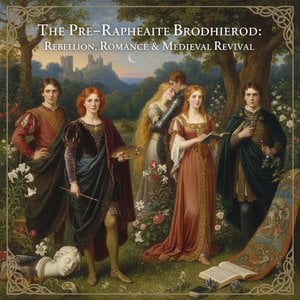
Хоча Форд Мадокс Браун ніколи не був офіційним членом Прерафаелітського братства, він чинив значний вплив на його розвиток і поділяв багато його основних принципів. Він був радником і другом засновників групи — Росетті, Мілле та Ганта — і його відданість правдивості зображення, прискіпливій деталізації та яскравому кольору глибоко резонувала з їхніми мистецькими філософіями. Проте стиль Брауна мав особливий характер, що виділяв його серед інших. У той час як прерафаелітити часто зосереджувалися на романтизованих сюжетах або літературних темах, Браун звертався до сучасного життя та моральних питань, наповнюючи свої картини соціальною свідомістю, яку рідко можна було зустріти у вікторіанському мистецтві. «Робота», розпочата у 1852 році та кропітливо завершена протягом тринадцяти років, є, мабуть, його найбільш амбітним і культовим досягненням. Це масштабне полотно — не просто зображення робітників; це глибокий коментар до соціальних умов трудового класу, що з невблаганним реалізмом зафіксувало їхню працю, гідність та вразливість. Графічність картини, яку часто описують як гогаргіанську через її наративну деталізацію, ще більше підкреслює підхід Брауна. Його прагнення змалювати сучасне життя вийшло далеко за межі «Роботи», проявившись у інших значущих творах, що досліджували теми бідності, віри та людського буття. Наприклад, «Остання з Англії» вловлює щемливий момент еміграції, відображаючи тривогу щодо національної ідентичності в період соціальних потрясінь.
Мурали, шедеври та невмируща спадщина
Поза межами станкової живопису, мистецьке спадщина Форда Мадокса Брауна нерозривно пов'язана з Манчестерськими муралами. Створені на замовлення для ратуші Манчестера, ці дванадцять монументальних робіт описують історію міста — від його римського коріння до індустріального сьогодення. Ці фрески є свідченням майстерності Брауна як художника-оповідача та його здатності синтезувати історичні дослідження з художнім баченням. Вони представляють одні з найкращих зразків прерафаелітського муралізму, демонструючи яскраві кольори, ретельну деталізацію та переконливе відчуття драми. Створення цих робіт не обійшлося без труднощів; Браун стикався з фінансовими проблемами та логістичними перешкодами, проте він вистояв, залишивши по собі вічний пам'ятник історії Манчестера та мистецьким інноваціям. Його вплив вийшов за межі його найближчого оточення, надихаючи таких художників, як Томас Бенджамін Кеннінгтон, чия робота «Жменя бідності» відлунює соціальним реалізмом, притаманним картинам Брауна. Його відданість осмисленню суті сучасного життя також очевидна в таких творах, як «Ескіз голови Чосера» — проникливий портрет, що демонструє реалістичну точність та меланхолійний настрій.
Особисте життя та тривалий вплив
Особисте життя Форда Мадокса Брауна було позначене як радістю, так і горем. Він був одружений двічі: спочатку з Елізабет Бромлі у 1841 році, яка трагічно померла через п'ять років, а потім з Емілі Гілл у 1853 році. У нього було п'ятеро дітей, серед яких Люсі Мадокс Браун, сама талановита художниця, та Кетрін Мадокс Браун, яка також обрала творчий шлях. Ці сімейні зв'язки ще більше збагатили його життя і стали джерелом натхнення для деяких його робіт. Попри фінансові труднощі протягом більшої частини своєї кар'єри, Браун залишався відданим мистецтству, постійно експериментуючи з новими техніками та досліджуючи складні теми. Його вірність художній цілісності та соціальному коментарю закріпила його місце як піонера прерафаелітського руху та значущої постаті в британському мистецтві XIX століття. Він пішов із життя 6 жовтня 1893 року, залишивши по собі спадок, що є свідченням його художнього бачення та непохитної відданості правді й красі.
Дослідження світу Форда Мадокса Брауна сьогодні
Існує безліч можливостей зануритися глибше у світ Форда Мадокса Брауна. Його роботи можна знайти в провідних колекціях, таких як Манчестерська художня галерея та Галерея Леди Левер, що дає відвідувачам шанс побачити його шедеври на власні очі. Онлайн-платформи пропонують високоякісні репродукції, дозволяючи поціновувачам мистецтва принести частинку його бачення у свої домівки. Подальші дослідження можна проводити через такі ресурси, як Wikipedia та Britannica, які пропонують вичерпну біографічну інформацію та критичний аналіз його творчості.
Ключові теми: соціальний реалізм, моральний коментар, історичний наратив, вікторіанське життя.
Впливи: старі майстри, назарейці, Вільям Гоггарт, Томас Карлайл.
Головні роботи: «Робота», «Остання з Англії», Манчестерські мурали, «Ескіз голови Чосера».
Редакційна команда ArtsDot.com
Тест на знання мистецтва
У кожному запитанні лише одна правильна відповідь.
Запитання 1:
Який стиль мистецтва найбільш тісно пов'язаний з творчістю Форда Мадокса Брауна?
Запитання 2:
У якому місті Форд Мадокс Браун створив цикл масштабних фресок, що зображують історію Манчестера?
Запитання 3:
Який художній метод Форда Мадокса Брауна характеризувався прагненням до точності та деталізації в зображенні природних об'єктів?
Запитання 4:
Форд Мадокс Браун був одним із творців якого відомого мистецького руху?
Запитання 5:
Який з його творів вважається одним із найвидатніших прикладів соціального реалізму в британському мистецтві?
Відкрийте 25 захопливих шедеврів Данте Габріеля Россетті! Пориньте у світ прерафаелітів, символізму та неймовірної краси. Купуйте репродукції картин онлайн на ArtsDot.com – декор для вашого дому з музейною якістю.
Explore the revolutionary art of Sir John Everett Millais & the Pre-Raphaelite Brotherhood. Discover their radical realism, symbolic narratives, and lasting impact on Victorian aesthetics. A deep dive into 19th-century masterpieces.
Explore the captivating world of the Pre-Raphaelite Brotherhood! Discover their rebellious spirit, iconic masterpieces & lasting influence on art history. Learn about Rossetti, Millais & more.